
Feeling uneasy about the way your car sounds or handles? You don’t need a mechanic’s degree to keep it in good shape. A few easy habits and quick checks can stop small problems from turning into costly repairs.
Start with the basics: tyre pressure, oil level, and lights. A tyre that’s under‑inflated wears faster and can mess with your fuel bill, so grab a gauge and match the pressure on the sticker inside the driver’s door. While you’re at it, look for any cuts, cracks, or low tread – those are signs you need a new tyre soon.
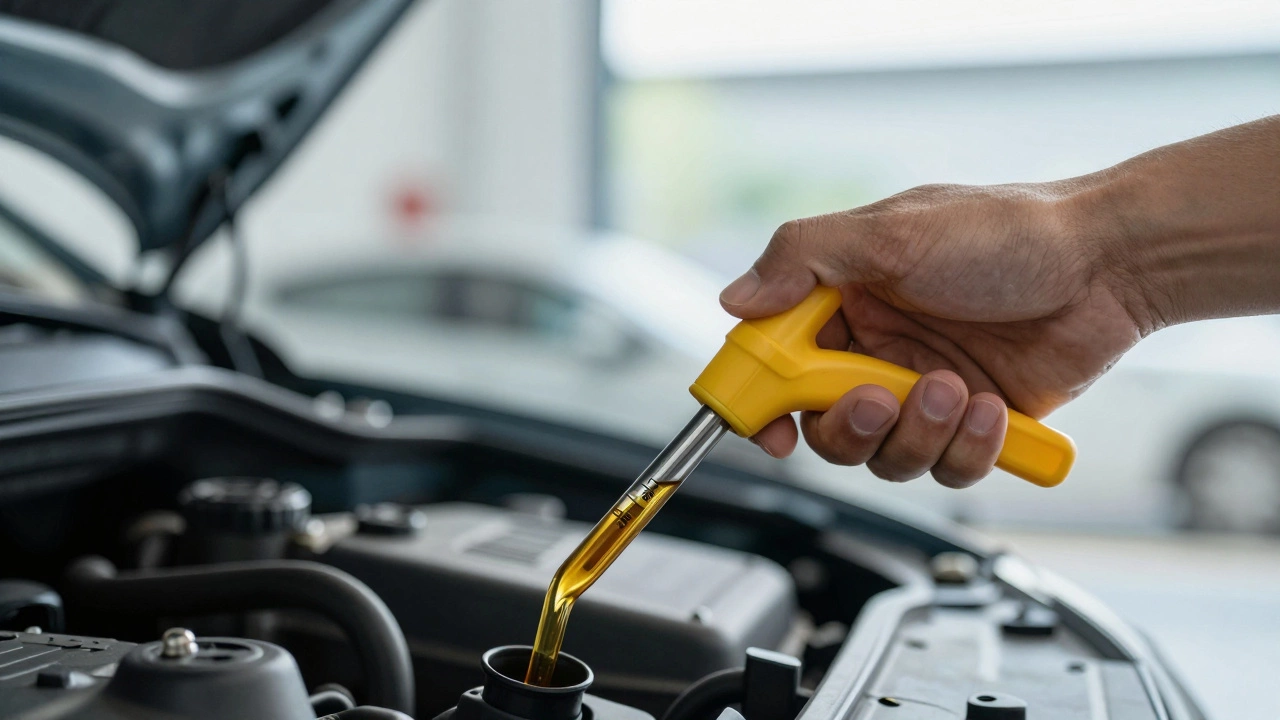
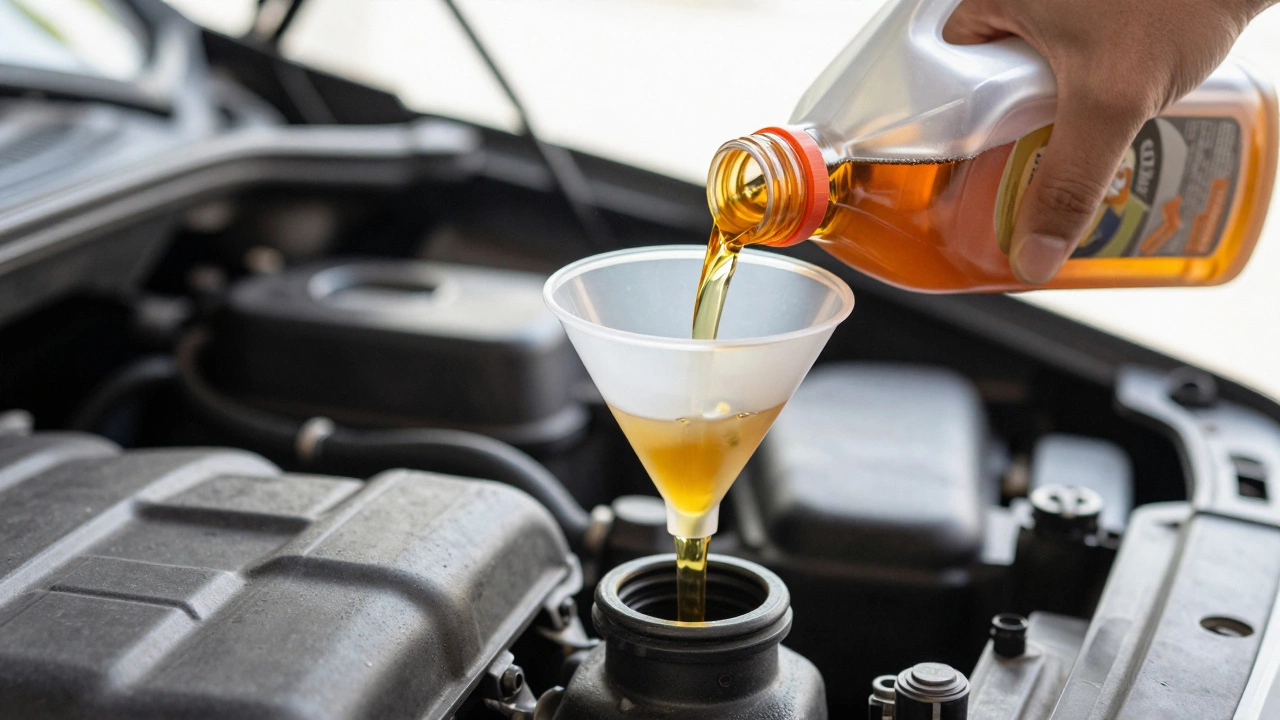
Next, pop the hood and check the oil. Pull the dipstick, wipe it clean, reinsert and pull again. The oil should sit between the two marks and look amber, not black and gritty. Top it up if it’s low, and plan for an oil change every 5,000–7,500 miles depending on your car’s recommendation.
Don’t forget the lights. Turn on the headlights, brake lights, and indicators. If any look dim or don’t work, replace the bulb before you’re on the road at night. It’s a cheap fix that keeps you legal and safe.
Other quick checks include the windshield wipers and the battery terminals. Worn wiper blades splash water and reduce visibility, while corroded terminals can cause starting trouble. A simple clean with a brush and a little baking soda can keep the battery happy.
Some issues need more than a DIY glance. If you hear a grinding noise when you shift, it could be a clutch problem or a transmission issue. Listening to the sound – whether it’s a high‑pitched squeal or a low growl – helps a mechanic diagnose the right fix. Ignoring it can lead to full clutch failure, which is pricey to replace.
Suspension symptoms are another red flag. A bumpy ride, uneven tire wear, or a feeling that the car is leaning when you brake can mean bad struts or bent suspension components. Driving with a compromised suspension hurts handling and can damage other parts, so get a professional inspection ASAP.
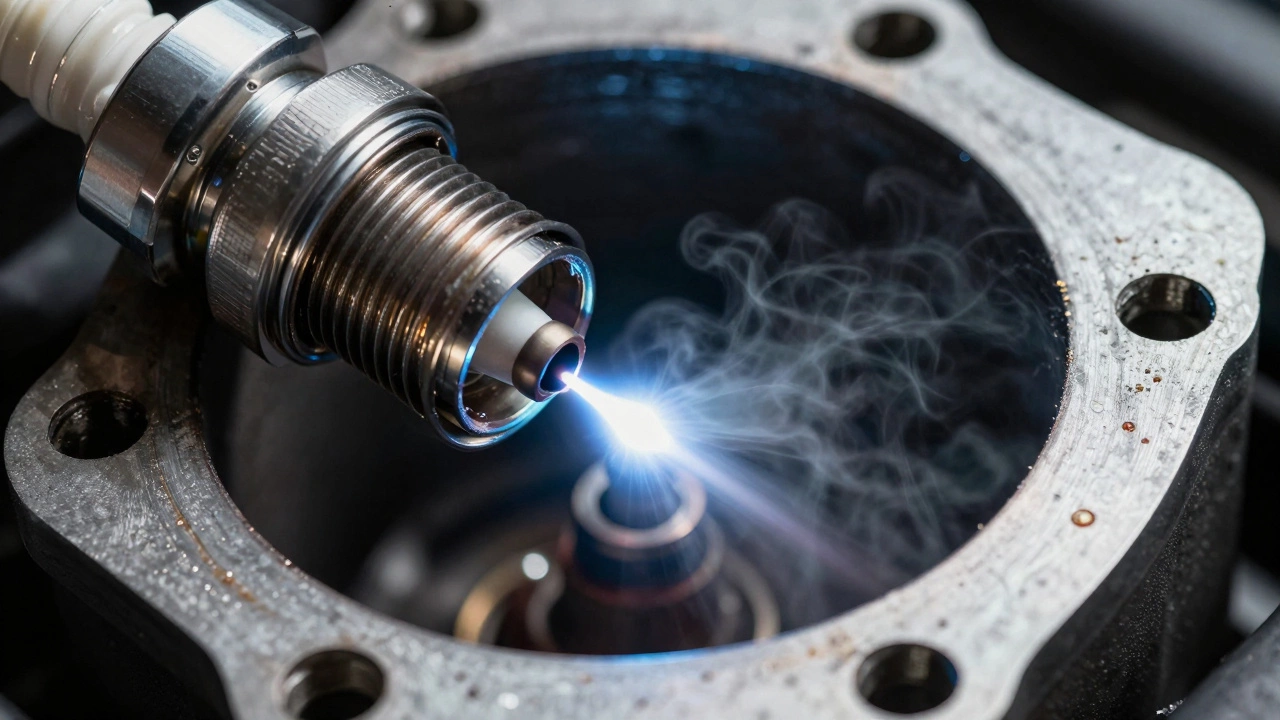
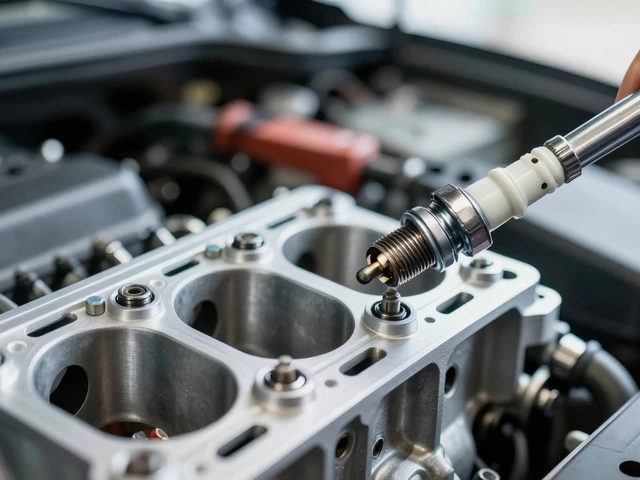
Engine performance issues often point to spark plugs or fuel delivery. Missed sparks cause rough idling, reduced fuel economy, and loss of power. If you notice a sluggish start or a sudden stumble when you accelerate, it’s time to test the plugs or the fuel pump. Both are quick checks for a garage but save you from bigger engine trouble later.
Finally, keep an eye on the cooling system. Overheating, steam, or a high temperature gauge means the radiator or water pump might need attention. A radiator that’s been in service for over 100,000 miles often shows leaks or reduced efficiency. Replacing it before it bursts avoids a roadside breakdown.
Regular service at a trusted centre, like Northwich Tyres Centre, covers these checks and more. They’ll align your wheels, balance your tyres, and spot early wear on clutch plates or suspension parts. Scheduling a yearly visit keeps the car’s health record up to date and gives you peace of mind.
Bottom line: a few minutes each week and a couple of visits a year keep your car reliable and safe. Small steps now prevent big expenses later, and you’ll enjoy a smoother, quieter ride every day.
 8 October 2026
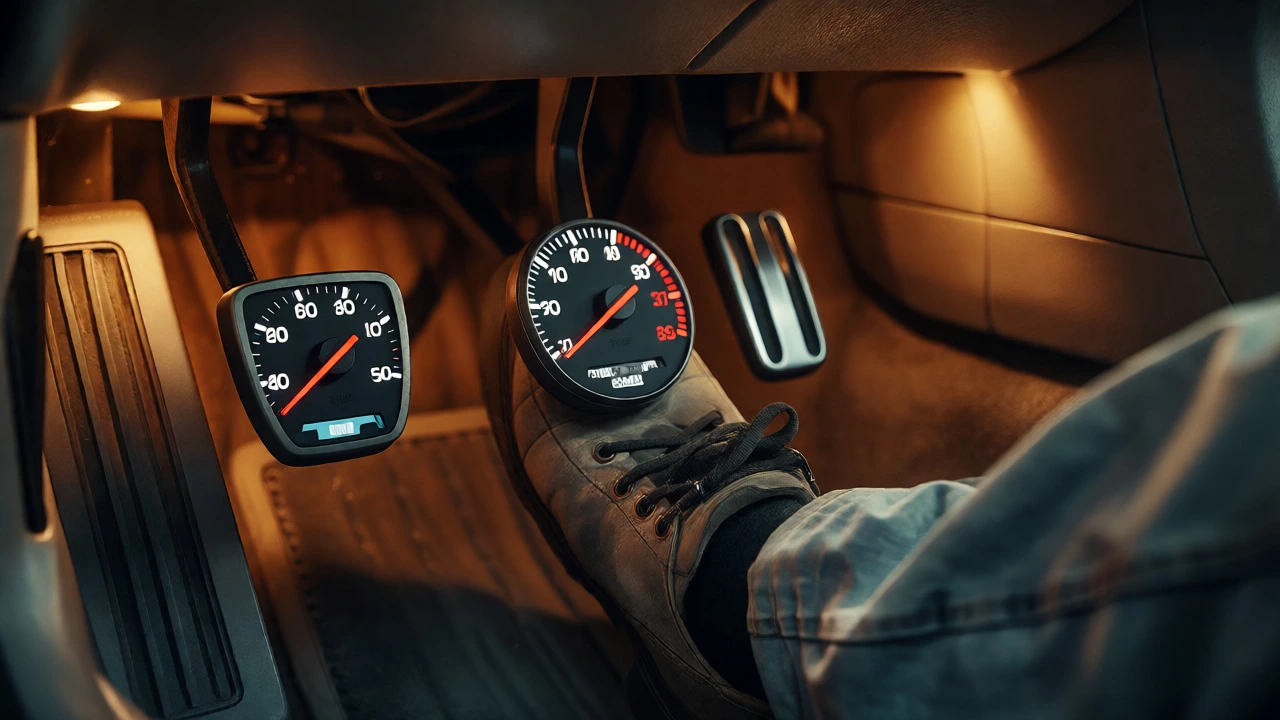
Stop guessing about your brakes. Learn the clear signs your rotors need replacement, from vibration to visible scoring, and decide whether to resurface or swap.
 1 October 2026
Discover if fixing a slipping clutch is a DIY-friendly job. We break down costs, tools, and risks to help you decide whether to grab a wrench or call a mechanic.
 30 August 2026
Learn how to safely add oil to your car when levels are low. Discover the difference between low level and low pressure warnings, choose the right oil viscosity, and identify signs of leaks or internal consumption.
 20 August 2026
Leaving wipers up isn't just a habit-it's damaging your car. Learn why UV exposure and mechanical stress shorten wiper life, and discover the correct way to maintain them.
 13 August 2026
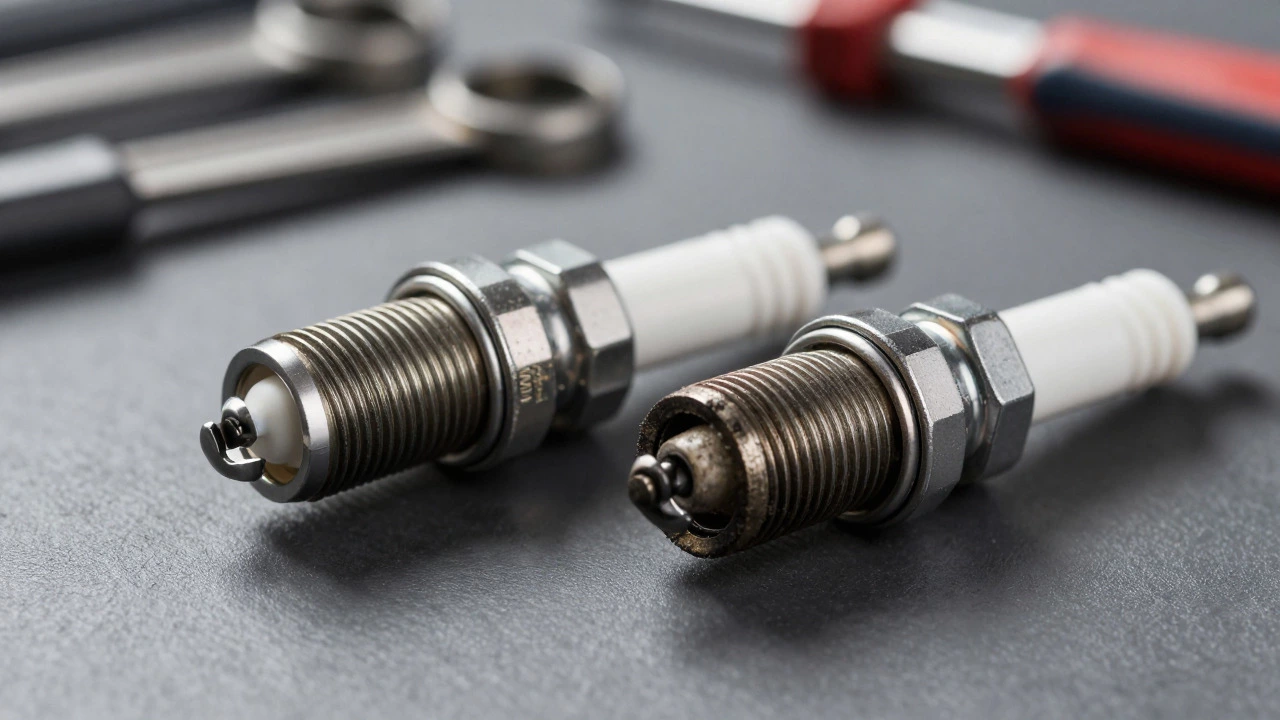
Discover if new spark plugs really improve car performance. Learn about symptoms of worn plugs, types available, replacement intervals, and whether upgrading boosts fuel economy and acceleration.
 22 June 2026
Discover the true engine oil change interval for 2026. Learn why the 3,000-mile rule is outdated, how synthetic oil extends life, and when to ignore your dashboard light.
 21 June 2026
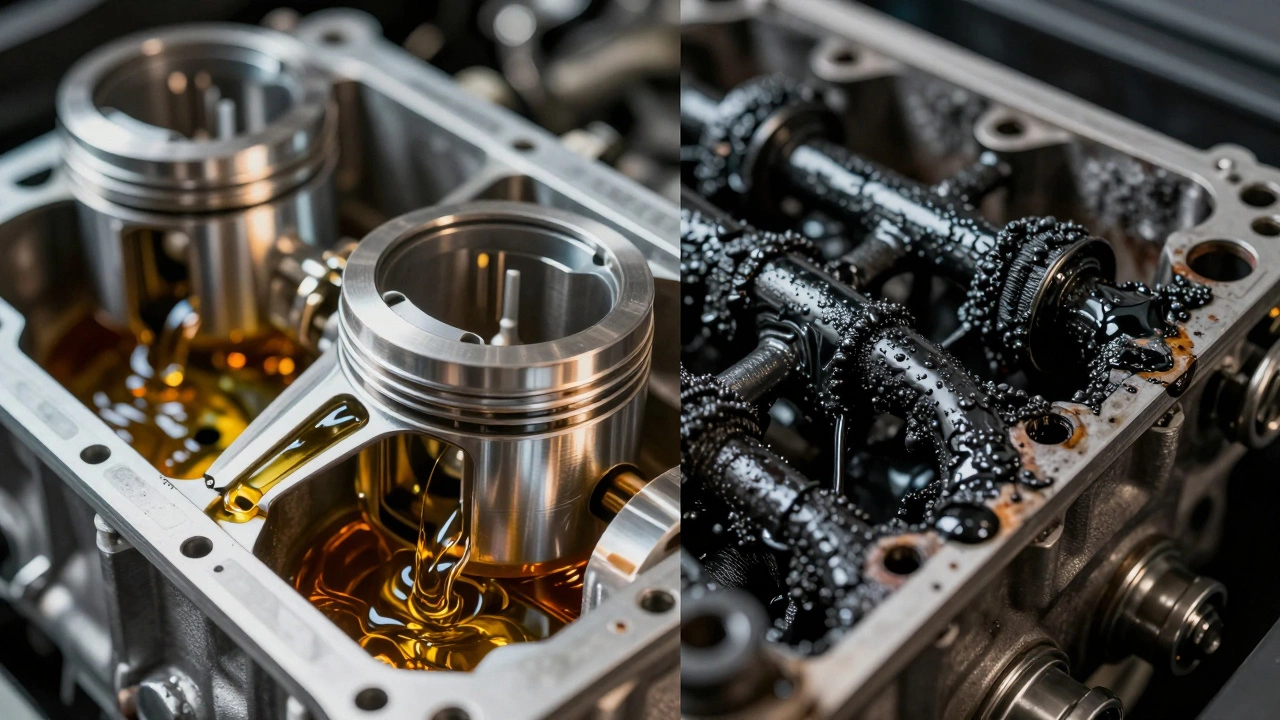
Discover the real consequences of skipping engine oil changes. Learn how sludge forms, why engines fail, and the true cost of neglect versus maintenance.
 20 June 2026
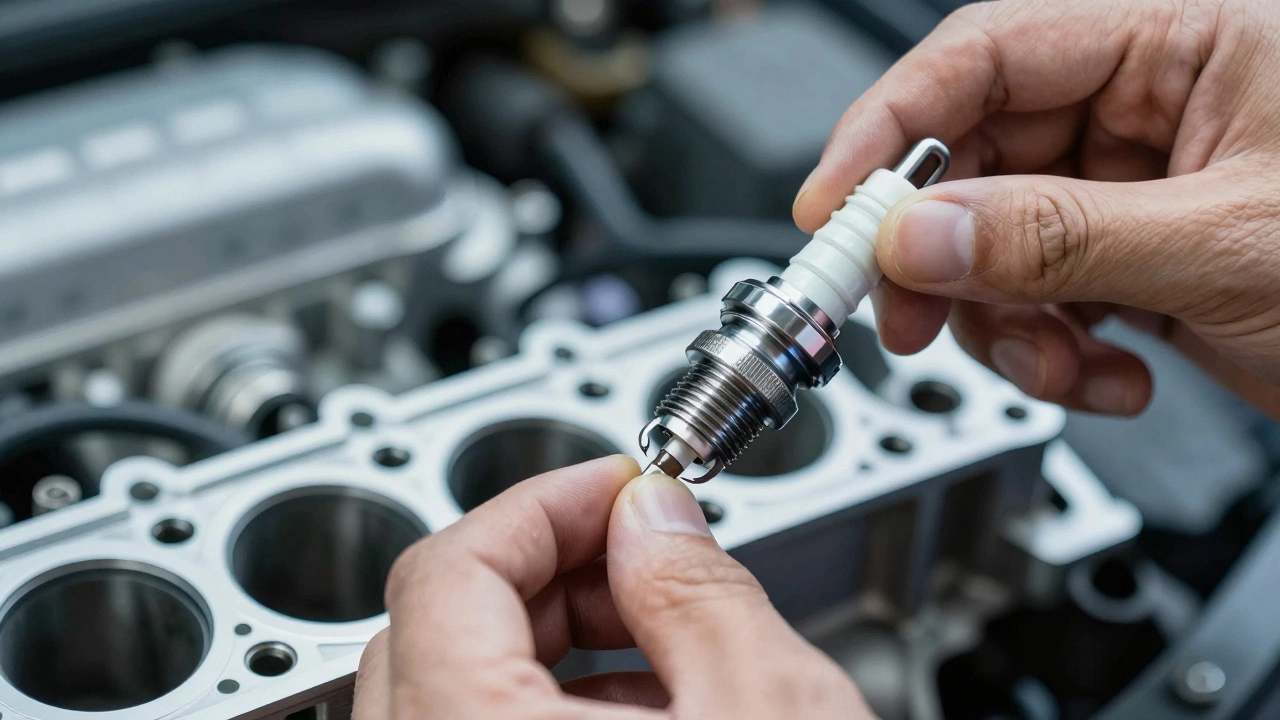
Discover how replacing spark plugs improves acceleration, fuel economy, and engine smoothness. Learn signs of wear, plug types, and installation tips for better performance.
 7 June 2026
Learn how to accurately check your engine oil level using the dipstick method, interpret dashboard warnings, and spot early signs of low oil. Includes practical tips for topping up versus changing oil completely.
 4 June 2026
Discover if removing your muffler actually improves gas mileage. Learn how exhaust backpressure affects fuel efficiency, engine performance, and why stock systems are often best for MPG.
 16 April 2026
Wondering how long to wait after adding car oil? Learn why a 5-minute wait is crucial for accurate dipstick readings and how to avoid engine damage from overfilling.
 26 March 2026
Discover the hidden link between your car's ignition and emission health. Learn how faulty spark plugs destroy catalytic converters, cause misfires, and ruin exhaust performance.


©2026 northwichtyrescentre.co.uk. All rights reserved
0