Wiper Lifespan & Cost Calculator
Estimate the real-world cost difference between leaving your wipers up (exposed to sun) versus down (protected), factoring in your local climate and maintenance habits.
Your Driving Conditions
You’ve probably seen it. A car parked on a hill, or maybe just in a lot, with the windscreen wipers lifted straight up against the glass. It looks like a standard practice for some drivers, a way to keep things clean or ready for rain. But is it actually helpful, or is it a silent killer for your windscreen wipers is a mechanical assembly consisting of a wiper arm, blade, and linkage system designed to clear precipitation from vehicle windshields.?
The short answer? It’s mostly a myth that helps no one, and it can definitely hurt your wallet. While it seems logical that keeping wipers off the glass prevents them from freezing or sticking, the reality involves physics, material science, and simple wear-and-tear that most people overlook. Let’s break down why this habit exists, what it actually does to your car, and what you should do instead.
The Origin of the Habit: Why We Think It Helps
To understand why people do this, we have to look at where the idea came from. For decades, automotive advice columns suggested lifting wipers during heavy snow or ice storms. The logic was sound: if the blades are frozen to the glass, forcing them to move could snap the plastic arms or burn out the electric motor. So, lifting them seemed like a safe precaution.
However, over time, this specific solution morphed into a general rule. Drivers started doing it not just for snow, but for rain, fog, or even just because they thought it looked tidy. In colder climates like parts of the UK or northern Europe, this became a cultural norm. You see it everywhere. But context matters. If you’re in Bristol in August, there’s no ice on the glass. There’s no reason to lift the wipers except for a misunderstanding of how they work.
The Real Damage: Rubber Degradation and UV Exposure
Here is the problem nobody talks about: sun. Your wiper blades are rubber components attached to metal frames that make contact with the windshield to remove water and debris. They are made of natural or synthetic rubber, which degrades when exposed to ultraviolet (UV) light. When wipers rest on the glass, the glass itself acts as a partial shield, reflecting some heat and blocking direct sunlight from hitting the underside of the rubber.
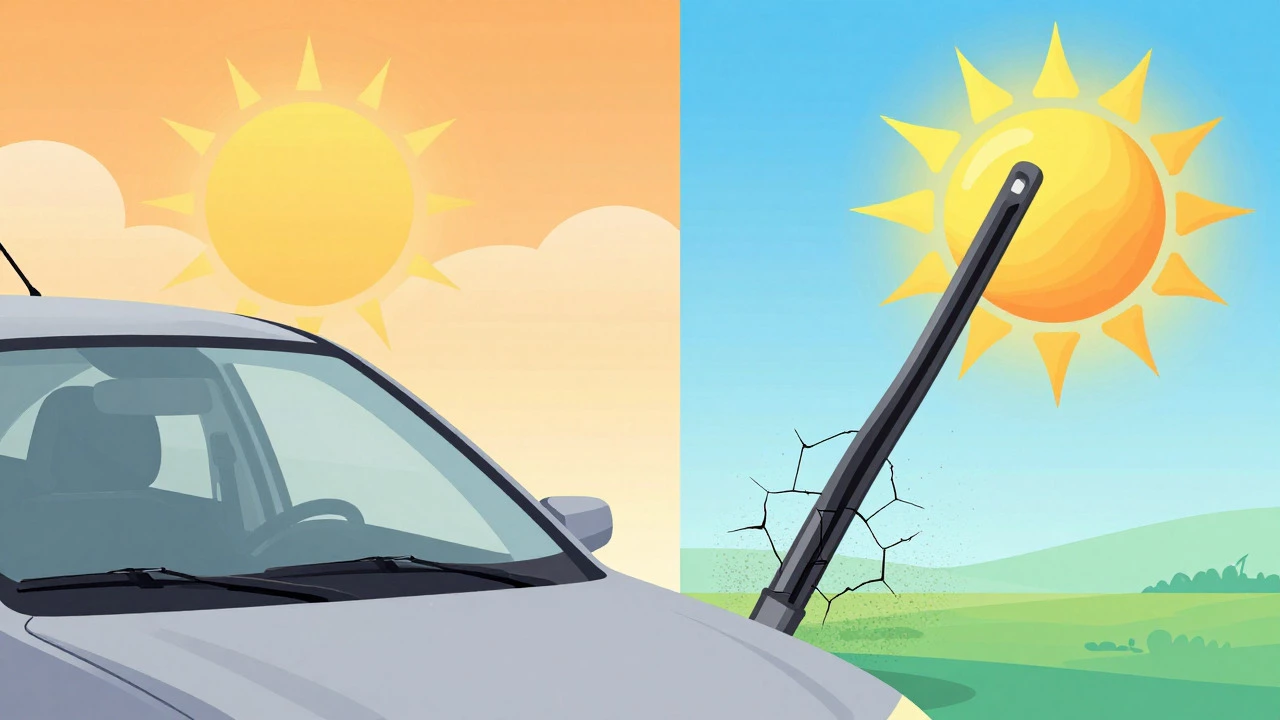
When you lift the wipers, you expose the entire length of the rubber strip directly to the sun. Over weeks and months, this constant UV exposure causes the rubber to dry out, crack, and harden. This process is called oxidation. Once the rubber oxidizes, it loses its flexibility. Instead of conforming to the curve of your windshield, it becomes rigid. A rigid wiper blade doesn’t wipe; it skips. You end up with streaks, smears, and eventually, a complete failure to clear the view.
It’s not just about the sun, though. Wind carries dust, pollen, and fine grit. When wipers are lying flat, the weight of the arm keeps the rubber pressed against the glass, creating a slight seal that traps less debris under the blade. When lifted, the gap between the rubber and the glass allows dirt to settle directly onto the wiping surface. Next time you use them, you’re dragging that grit across the glass, which scratches both the wiper and the windshield.
Mechanical Stress: The Wiper Arm Factor
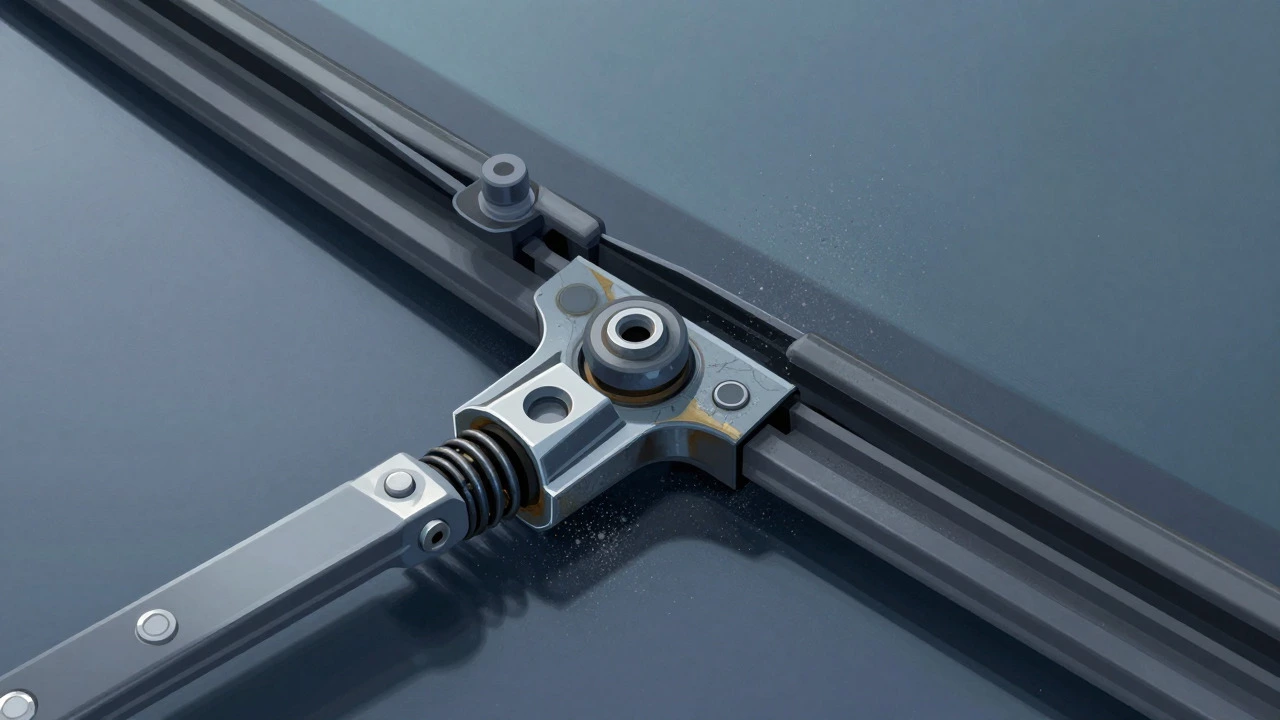
Let’s talk about the hardware. The wiper arm is the metal lever mechanism that connects the wiper motor to the wiper blade, transferring rotational force to create the sweeping motion. These arms are designed to operate within a specific range of motion, usually resting in a neutral position where gravity pulls them gently against the glass. This resting position engages the pivot points in their strongest alignment.
When you manually lift a wiper arm to its maximum extension, you are placing stress on the pivot joint and the internal spring mechanism. In modern cars, these joints are often made of high-grade steel, but they still have a fatigue limit. Repeatedly holding them in an extended position can lead to premature wear in the bushings. Over time, this causes play in the joint, resulting in a loose or vibrating wiper action. You might notice a rattling noise when you drive, or the wiper might not return to its park position correctly after a cycle.
There’s also the risk of accidental damage. If you’re in a parking lot and another driver backs into your bumper, or if a strong gust of wind hits the car, a lifted wiper arm is much more likely to snap than one resting securely. A broken wiper arm costs significantly more to replace than a set of blades, and you’ll be stuck without any ability to clear your windshield until it’s fixed.
When Is It Actually Okay? The Exceptions
Does this mean you should never lift your wipers? Not exactly. There are two specific scenarios where lifting them makes sense, but only temporarily.
- Heavy Snow or Ice: If you know a major snowstorm is coming and you plan to leave the car parked for several days, lifting the wipers can prevent them from freezing to the glass. However, you must remember to lower them before driving. If you forget, you risk damaging the motor if you try to force them while frozen.
- Washing the Car: When washing your car, especially if you’re using a pressure washer or scrubbing the windshield, it’s safer to lift the wipers to avoid scratching the glass with trapped dirt or damaging the blades with harsh chemicals. Just remember to put them back down immediately after drying the car.
In all other cases-rain, fog, daily parking, or long-term storage-the wipers belong on the glass. The benefits of keeping them down far outweigh the perceived risks of freezing, which is easily managed by using a scraper or defroster when needed.
Comparison: Resting vs. Lifted Wipers
To make the decision easier, let’s look at the practical differences between leaving wipers down versus lifting them up.
| Factor | Wipers Down (Resting) | Wipers Up (Lifted) |
|---|---|---|
| Blade Lifespan | Longer (protected from direct UV) | Shorter (accelerated oxidation) |
| Debris Accumulation | Lower (blades sealed against glass) | Higher (gap allows dust/pollen entry) |
| Arm Mechanism Stress | Minimal (neutral position) | Moderate (extended joint stress) |
| Risk of Snapping | Low | High (vulnerable to impact/wind) |
| Ice Freezing Risk | Moderate (manageable with defroster) | None (but risky if forgotten) |
Pro Tips for Extending Wiper Life
If you want your wipers to last longer, here are a few practical tips that actually work, based on how the materials behave.
- Clean the Blades Monthly: Use a damp cloth with a little rubbing alcohol to wipe down the rubber edge. This removes built-up grime and oils that degrade the rubber faster than sun alone.
- Use Wiper Fluid Regularly: Dry wiping is the enemy. Always ensure you have enough washer fluid. The lubrication reduces friction and heat buildup, which protects both the blade and the glass.
- Replace Blades Every 6-12 Months: Don’t wait for them to fail. Check the rubber condition every six months. If you see cracks, splits, or stiffness, replace them. New blades cost a fraction of a new wiper arm or windshield repair.
- Park Under Cover If Possible: If you live in a sunny area, parking in a garage or under a tree canopy significantly reduces UV exposure and extends the life of your rubber components.
Common Myths Debunked
Let’s clear up a few other misconceptions I hear often.
Myth: Lifting wipers prevents them from sticking to the glass in rain. Fact: Sticking happens when the glass is dirty or oily. Clean glass and fresh blades rarely stick. If they do, it’s a sign you need to clean the glass or replace the blades, not lift them.
Myth: It looks better aesthetically. Fact: Subjective, but most car enthusiasts argue that wipers resting naturally look more “finished.” Lifted wipers often look like something is wrong or that the owner is being overly cautious.
Myth: It saves battery life. Fact: The wiper motor only uses power when active. Whether the wipers are up or down, the electrical consumption is identical when the system is off.
What To Do If You Already Have Them Up
If you’ve been leaving your wipers up for years, don’t panic. Your wipers aren’t dead yet. Here’s how to assess the damage and fix it.
- Inspect the Rubber: Look closely at the blade edges. If they look shiny, cracked, or feel hard to the touch, they are oxidized. Replace them immediately.
- Check for Play: Gently wiggle the wiper arm. If there’s noticeable looseness in the joint, you may need to have the arm inspected by a mechanic. This is rare but possible after years of abuse.
- Clean the Glass Thoroughly: Since debris has likely accumulated, give your windshield a deep clean with a dedicated glass cleaner to remove any embedded grit before using the new blades.
Going forward, make a habit of checking your wipers when you park. It takes two seconds to ensure they’re down. That small action will save you money on replacements and keep your visibility clear for longer.