Spark Plug Failure Diagnostic Tool
Select all symptoms you're experiencing to get a personalized diagnosis of what's destroying your spark plugs.
What symptoms are you noticing?
Rough Idle
Engine shakes or runs unevenly at stoplights
Poor Acceleration
Hesitation or stumbling when pressing gas pedal
High Fuel Consumption
Using more gas than usual without change in habits
Hard Starting
Difficulty starting, especially in cold weather
Black Exhaust Smoke
Dark smoke visible during heavy acceleration
Blueish Smoke
Light blue smoke from tailpipe
Check Engine Light
Misfire codes P0300-P0308 on scanner
Fuel Smell
Strong smell of unburnt fuel from exhaust
Engine Knocking
Metallic knocking sound under load
Tell us about your vehicle
Your Diagnosis
Analyzing...
Contributing Factors:
Recommended Actions:
💡 Did You Know?
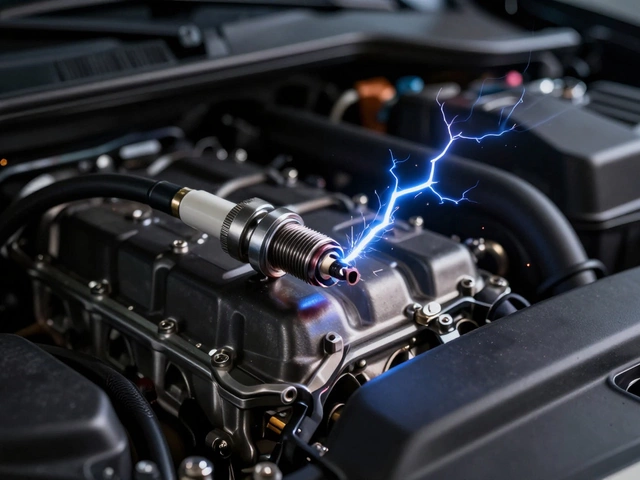
Your car starts rough, idles unevenly, or suddenly guzzles more gas than usual. Before you panic about a failing engine, check the spark plugs are small but critical components in your vehicle's ignition system that ignite the air-fuel mixture in the combustion chamber. These tiny devices fire thousands of times per minute, creating the explosions that power your car. When they fail prematurely, it’s rarely random bad luck. It’s usually a symptom of an underlying issue with how your engine runs.
The Quick Reality Check: Normal vs. Premature Failure
To understand why spark plugs go bad fast, you first need to know what "normal" looks like. Not all spark plugs are created equal. The lifespan depends entirely on the materials used in the electrode and ground strap.
| Plug Type | Material | Typical Lifespan | Best For |
|---|---|---|---|
| Copper Core | Copper center electrode | 20,000 - 30,000 miles | Older vehicles, high-performance tuning |
| Single Platinum | Platinum tip on center | 60,000 miles | Budget-friendly longevity |
| Double Platinum | Platinum on both electrodes | 80,000 - 100,000 miles | Modern coil-on-plug engines |
| Iridium | Fine iridium wire core | 100,000 - 120,000+ miles | Direct injection, turbocharged engines |
If your copper plugs die at 40,000 miles, that’s premature. If your iridium plugs fail at 50,000 miles, something is actively destroying them. Let’s look at the culprits.
Rich Fuel Mixtures: The Carbon Killer
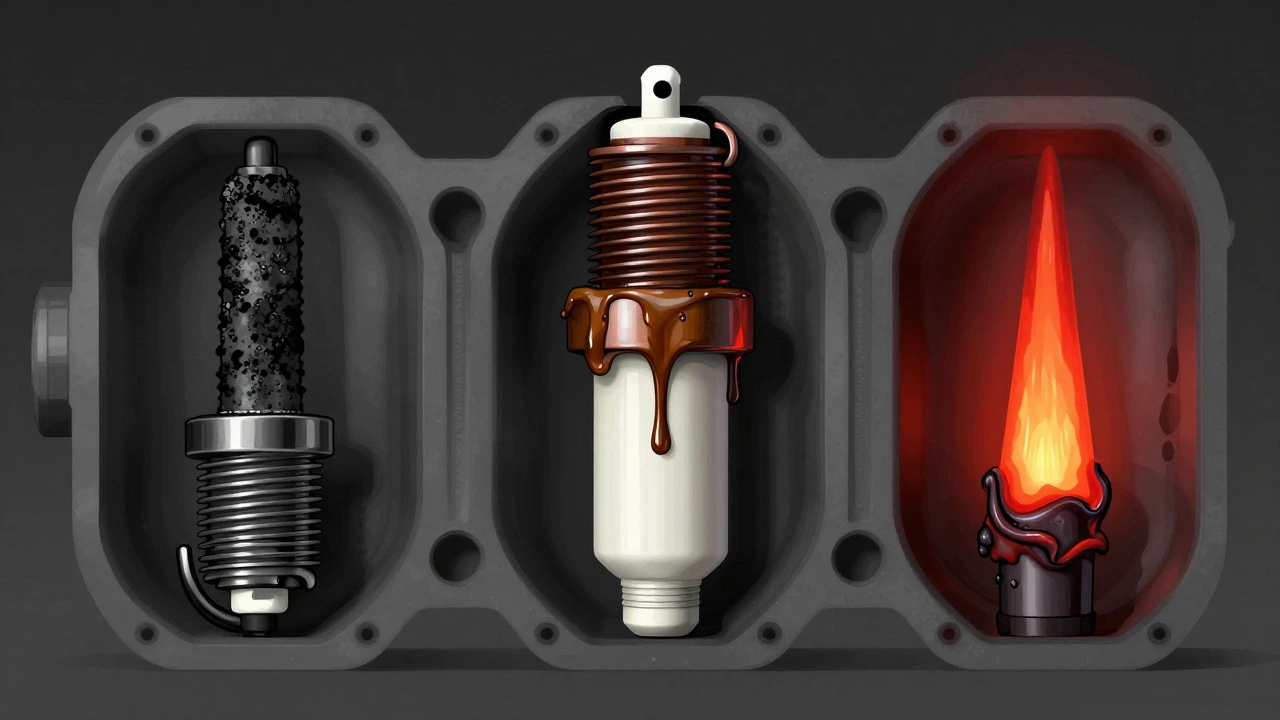
The most common reason for rapid spark plug degradation is a rich fuel mixture. This means there is too much gasoline and not enough oxygen entering the combustion chamber. When the excess fuel doesn’t burn completely, it leaves behind carbon deposits on the spark plug tip.
Think of it like soot on a fireplace screen. Over time, this carbon builds up into an insulating layer. Electricity hates resistance. The spark from the ignition coil tries to jump the gap between the electrodes, but the carbon acts as a barrier. Eventually, the plug fouls completely, causing misfires. You’ll notice a strong smell of unburnt fuel from the exhaust and black smoke under heavy acceleration.
What causes this richness?
- A stuck-open fuel injector dripping extra fuel into one cylinder.
- A faulty mass airflow sensor (MAF) sending incorrect data to the engine computer.
- A leaking oxygen sensor (O2 sensor) telling the ECU to add more fuel when none is needed.
Oil Consumption: The Wet Plug Problem
Carbon isn’t the only enemy. Oil can be just as destructive. If you see wet, oily residue on your spark plugs during inspection, your engine is burning oil. This is often called "oil fouling."
Oil enters the combustion chamber through worn piston rings, leaking valve seals, or a failed Positive Crankcase Ventilation (PCV) valve. Once inside, the heat vaporizes some of the oil, but the rest coats the spark plug. Oil is an electrical insulator. A coated plug cannot spark effectively. The result is a weak ignition, rough idle, and blueish smoke from the tailpipe.
This is particularly common in older high-mileage vehicles or those with direct injection engines where the lack of fuel washing over the valves allows oil sludge to accumulate.
Pre-Ignition and Detonation: The Heat Factor
Heat kills spark plugs faster than anything else. Every spark plug has a specific "heat range." This rating determines how well the plug dissipates heat from the combustion chamber. Using the wrong heat range is a recipe for disaster.
If you install a plug that is too "hot" for your engine, it retains too much heat. The tip glows red-hot before the actual spark occurs. This glowing tip ignites the air-fuel mixture prematurely, before the spark fires. This is called pre-ignition. It creates massive pressure spikes that can melt the electrode, crack the ceramic insulator, or even blow holes in your pistons.
Detonation (knocking) also contributes to rapid wear. While less severe than pre-ignition, constant knocking subjects the spark plug to extreme mechanical stress and thermal shock, leading to erosion of the electrodes.
Ignition System Faults: Weak Sparks Wear Out Plugs
Spark plugs don’t work in isolation. They rely on the ignition coil to deliver a high-voltage surge. If your ignition coils are weak or failing, they may struggle to create a strong enough spark across the plug gap.
When the voltage is insufficient, the electricity takes the path of least resistance. Instead of jumping cleanly across the gap, it arcs along the side of the ceramic insulator or erodes the electrode material slowly over time. This leads to uneven wear and eventual failure. You might experience intermittent misfires that come and go, especially when the engine is cold or under load.

Vibration and Physical Damage
It sounds simple, but physical damage is a frequent cause of early failure. Improper installation is the biggest offender here. Spark plugs must be torqued to precise specifications. Too loose, and they vibrate excessively, breaking the internal seal and allowing gases to escape. Too tight, and you stretch the threads in the aluminum cylinder head, making removal nearly impossible without damaging the engine.
Additionally, using the wrong type of plug for your engine’s compression ratio can lead to physical breakage. High-compression engines require stronger plugs with thicker insulators to withstand the pressure. Putting a standard plug in a high-performance turbocharged engine is like putting a paper cup in a hydraulic press.
How to Prevent Premature Spark Plug Failure
Prevention is always cheaper than repair. Here’s how to keep your spark plugs healthy for their full lifespan:
- Use the Correct Plug Type: Always consult your owner’s manual or a reputable parts catalog. Match the heat range, thread size, reach, and hex size exactly.
- Maintain Your Fuel System: Replace fuel filters regularly and address any check engine lights related to fuel trim immediately. A clean MAF sensor ensures accurate air-fuel ratios.
- Check for Oil Leaks: If your car burns oil, fix the root cause (valve seals, PCV valve) before replacing spark plugs repeatedly. Otherwise, the new ones will foul quickly too.
- Torque Properly: Use a torque wrench. Most spark plugs require between 10 and 20 foot-pounds of torque. Guessing leads to stripped threads or broken plugs.
- Inspect Regularly: During routine maintenance, pull one plug from each bank to inspect its condition. Look for signs of fouling, cracking, or abnormal wear patterns.
Signs Your Spark Plugs Are Failing Early
Don’t wait for a breakdown. Watch for these symptoms:
- Rough idle or shaking at stoplights.
- Hesitation or stumbling during acceleration.
- Increased fuel consumption without changes in driving habits.
- Difficulty starting the engine, especially in cold weather.
- Engine misfire codes (P0300-P0308) appearing on your OBDII scanner.
If you notice these issues well before the recommended replacement interval, suspect one of the problems above rather than just replacing the plugs. Replacing plugs without fixing the underlying issue is throwing money away.
Can bad spark plugs damage my engine?
Yes, severely worn or fouled spark plugs can cause incomplete combustion. Unburnt fuel can wash away lubricating oil from cylinder walls, increasing wear. In extreme cases, pre-ignition caused by overheated plugs can crack pistons or damage valves.
How often should I replace spark plugs?
It depends on the type. Copper plugs every 20,000-30,000 miles. Platinum every 60,000 miles. Iridium plugs last 100,000 miles or more. Always follow your manufacturer’s recommendation in the owner’s manual.
Why do my spark plugs keep getting dirty?
Dirty plugs usually indicate a rich fuel mixture (carbon fouling) or oil burning (oil fouling). Check for faulty injectors, MAF sensors, or worn valve seals. Short trips that don’t let the engine fully warm up can also contribute to carbon buildup.
Does driving style affect spark plug life?
Yes. Frequent short trips prevent the engine from reaching optimal operating temperature, leading to carbon accumulation. Aggressive driving with high RPMs generates more heat, which can accelerate electrode erosion if the wrong heat range plug is used.
Can I use aftermarket spark plugs instead of OEM?
You can, provided they match the exact specifications (heat range, gap, thread size, reach) of the original equipment. Brands like NGK, Denso, and Bosch offer high-quality alternatives. Avoid cheap no-name brands that may have inconsistent manufacturing quality.