Engine Health Diagnostic Tool
Select Observed Symptoms
Check all boxes that apply to your current situation.
Ready for Diagnosis
Select symptoms on the left and click "Analyze" to get specific advice based on your article data.
Your car doesn’t speak. It can’t tell you when it’s thirsty for lubrication or when its internal components are grinding against each other without protection. But it does send signals-some loud, some subtle. Ignoring them is how engines die.
Knowing if you need engine oil isn’t just about checking a dashboard light. It’s about understanding what your vehicle is telling you through sounds, smells, performance drops, and visual cues. Whether you’re driving a decade-old sedan or a brand-new electric-hybrid crossover, the principles of monitoring your engine’s lifeblood remain largely the same.
This guide cuts through the noise. We’ll walk you through exactly how to check your oil level correctly, interpret warning lights, recognize early warning signs, and decide whether you simply need a top-up or a full oil change. No jargon. No fluff. Just actionable steps that keep your engine running smoothly.
The Dipstick Test: The Most Reliable Way to Check Oil Level
If there’s one thing every driver should master, it’s using the dipstick. Despite all the fancy sensors in modern cars, the dipstick remains the gold standard for accuracy. Here’s why digital sensors can lie: they often measure pressure or flow rate, not actual volume. A sensor might say “OK” while your oil is critically low because the pump is still pushing what little remains around the system.
To check your oil properly:
- Park on level ground. Slopes skew readings. Find flat pavement.
- Turn off the engine and wait 5-10 minutes. This lets oil drain back into the sump. Checking immediately after driving gives a false high reading.
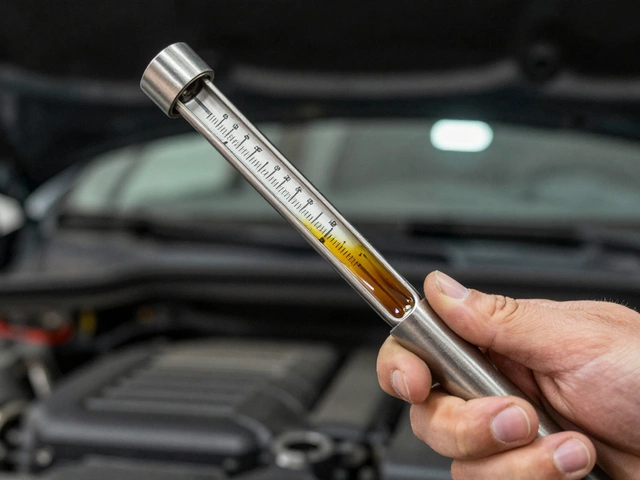
- Locate the dipstick. It usually has a yellow or orange handle labeled “Oil.” Pull it out, wipe it clean with a rag, reinsert fully, then pull it out again.
- Read the level. Look at where the oil film ends relative to the marks. There are two dots or lines: “Min” (minimum) and “Max” (maximum). The ideal level is between them, closer to Max.
- Check the color and texture. Fresh oil is amber or light brown. Dark black oil suggests it’s time for a change. Milky or frothy oil means coolant contamination-a serious issue requiring immediate attention.
If the level is below Min, you need to add oil. If it’s above Max, don’t panic-but don’t ignore it either. Overfilling causes foaming, which reduces lubrication efficiency and can damage seals. In both cases, consult your owner’s manual for the correct oil type and capacity.
Dash Warning Lights: What They Really Mean
Modern vehicles have multiple warning systems related to oil. Confusing them leads to unnecessary worry-or worse, dangerous delays. Let’s break down the three most common indicators:
- Oil Pressure Warning Light (Red oil can icon): This is an emergency signal. Low oil pressure means insufficient lubrication reaching critical engine parts. Stop driving immediately. Continuing risks catastrophic engine failure within minutes.
- Oil Change Reminder (Yellow wrench or text message like “Service Required”): This tracks mileage or time since last service. It doesn’t mean your oil is low-it means it’s degraded and needs replacement.
- Check Engine Light (Generic malfunction indicator lamp): Can relate to oil issues if accompanied by other symptoms (like rough idling), but often points to emissions or sensor problems. Use an OBD2 scanner to read the code before assuming it’s oil-related.
Never ignore a red oil pressure light. Even if you think you checked yesterday, something may have leaked or failed suddenly. Pull over safely, turn off the engine, and call roadside assistance if needed.

Sensory Clues: Sounds, Smells, and Performance Drops
Your ears and nose can detect trouble long before gauges do. Pay attention to these sensory clues:
Noises: Ticking, tapping, or knocking sounds from the engine bay often indicate metal-on-metal contact due to poor lubrication. Valve lifters make ticking noises when starved of oil. Rod knock-a deep rhythmic thumping-is a late-stage symptom of severe oil depletion and requires urgent repair.
Smells: Burning oil smells like acrid smoke or burnt toast. It typically comes from oil leaking onto hot exhaust components. Blue-gray exhaust smoke also signals burning oil, usually caused by worn piston rings or valve seals.
Performance issues: Reduced acceleration, sluggish response, or overheating can stem from inadequate lubrication increasing friction inside the engine. While many factors cause these symptoms, ruling out oil problems is step one.
If you notice any combination of these signs, check your oil level immediately-even if the dash shows no warnings.
When to Top Up vs. When to Change Oil Completely
Adding oil fixes low levels. Changing oil restores protective properties. Knowing the difference saves money and prevents unnecessary visits to the mechanic.
| Action Needed | Condition | Frequency | Cost Estimate (UK) |
|---|---|---|---|
| Top-Up Only | Level below Min, oil looks clean/light brown | As needed (every few months) | £5-£15 for quart/bottle |
| Full Oil Change | Dark/black oil, past recommended interval (5k-10k miles) | Every 6-12 months or per manufacturer schedule | £40-£80 including filter |
| Urgent Service Visit | Milky oil, metallic particles, persistent leaks, abnormal noises | Immediately | Varies (£100+ depending on diagnosis) |
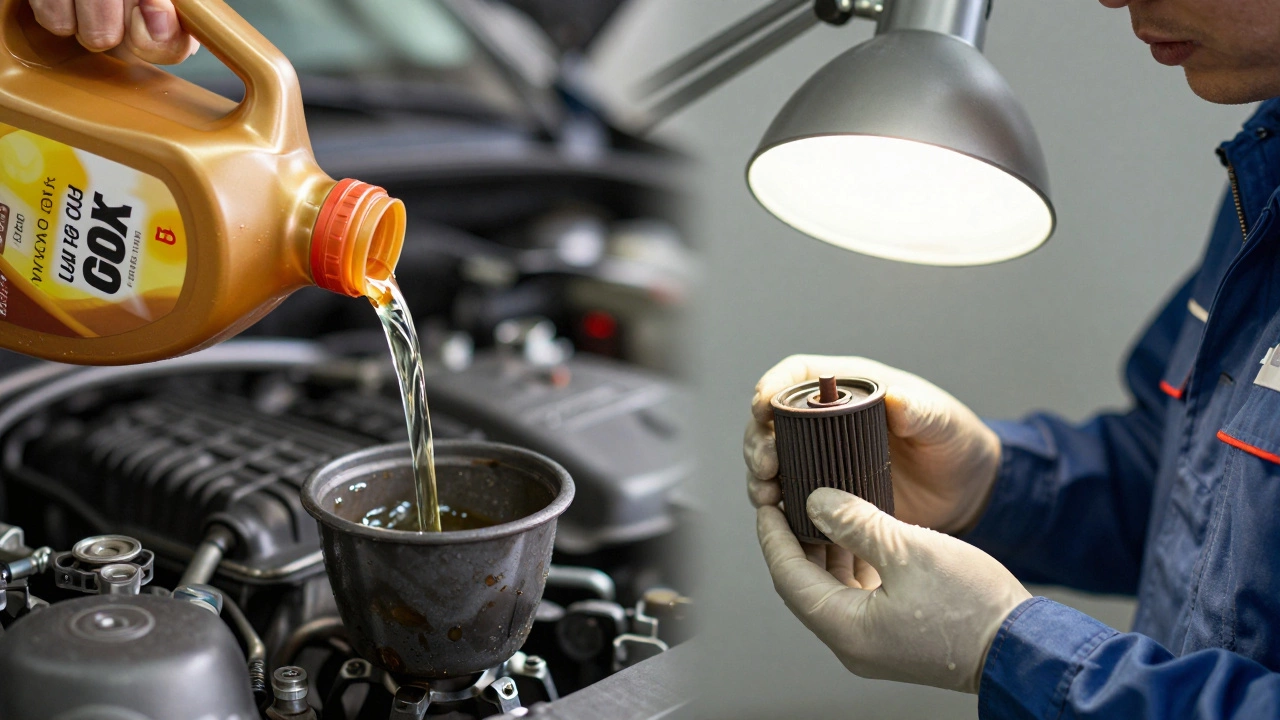
Always use the viscosity grade specified in your owner’s manual (e.g., 5W-30, 0W-20). Using wrong oil affects fuel economy, cold-start performance, and long-term wear. Synthetic oils last longer and perform better under extreme temperatures than conventional blends-but only if they match your engine’s requirements.
Common Mistakes That Lead to Oil Problems
Even careful drivers fall into traps that compromise their engine’s health. Avoid these pitfalls:
- Ignoring small leaks. A puddle under your car after parking? Trace it. Greenish fluid = coolant. Red = transmission. Black/brown = engine oil. Small drips become big headaches.
- Over-relying on mileage counters. Short trips, stop-and-go traffic, towing, and dusty conditions degrade oil faster than highway cruising. Adjust intervals accordingly.
- Using cheap filters. A £5 filter clogs quickly and restricts flow. Invest in OEM-quality or premium brands like Mann Filter or Bosch-they cost slightly more but protect your investment.
- Waiting until the light comes on. By then, damage may already be done. Proactive checks prevent reactive repairs.
In Bristol’s damp climate, condensation buildup accelerates sludge formation if oil isn’t changed regularly. Humidity seeps into tiny gaps, mixing with oil residues to create gunk that blocks passages. Regular maintenance combats this environmental factor effectively.
Pro Tips for Long-Term Engine Health
Beyond basic checks, adopt habits that extend oil life and reduce stress on your engine:
- Warm up gently. Idling for 30 seconds before accelerating allows oil to circulate fully. Cold starts cause 70% of engine wear because thickened oil hasn’t reached all moving parts yet.
- Avoid short trips. Engines never reach optimal operating temperature during journeys under 10 minutes. Water vapor and acids accumulate in oil, promoting corrosion.
- Store properly. Keep spare oil bottles sealed and away from direct sunlight. Heat degrades additives over time.
- Keep records. Note date, mileage, oil type, and filter brand after each service. Patterns emerge-maybe your car burns half a liter every 3,000 miles. Anticipate rather than react.
Consider upgrading to full synthetic oil if your manufacturer approves. It resists breakdown better, handles temperature swings efficiently, and extends drain intervals significantly. For older high-mileage vehicles, look for formulations with seal conditioners that rejuvenate hardened rubber components.
Can I drive my car if the oil level is low?
Technically yes, but dangerously so. Driving with low oil increases friction, generates excess heat, and accelerates component wear. If the level is just slightly below minimum, add oil ASAP and monitor closely. If near empty or accompanied by warning lights, stop immediately to avoid permanent engine damage.
How often should I check my engine oil?
At least once a month or before long trips. More frequently-if you tow, drive aggressively, operate in extreme weather, or own a high-performance vehicle. Modern cars consume less oil than older models, but consumption varies widely based on usage patterns and engine design.
What happens if I put too much oil in my engine?
Excess oil creates aerated foam as crankshaft搅动stirs it violently. Foamy oil lacks proper lubricating ability, leading to increased wear. It can also blow past seals, causing leaks or triggering oxygen sensor errors. Drain excess via oil pan plug or seek professional help if unsure.
Is dark oil always bad?
Not necessarily. Modern detergents suspend contaminants, making oil appear darker sooner. However, if it feels gritty, smells burnt, or contains visible metal shavings, it’s compromised. Color alone shouldn’t dictate changes-combine with mileage/time guidelines and physical inspection.
Do electric vehicles need engine oil?
Pure EVs don’t have combustion engines, so no traditional engine oil required. Hybrids retain gasoline engines and thus require regular oil services. Always verify your specific model’s maintenance schedule-some manufacturers recommend extended intervals for hybrid powertrains due to reduced runtime.