Spark Plug Savings & Mileage Calculator
Your Current Stats
Projected Annual Results
Estimated Money Saved
New MPG Estimate
--Gallons Saved
--You turn the key, press the gas, and nothing happens. Or worse, your car feels like it’s dragging its feet every time you hit the highway. If you’ve been putting off replacing your spark plugs because you’re not sure if it’ll actually make a difference, you’re not alone. It’s easy to ignore that tiny component buried deep in your engine bay. But here is the truth: yes, you will feel a massive difference after changing spark plugs-usually within seconds of starting your car.
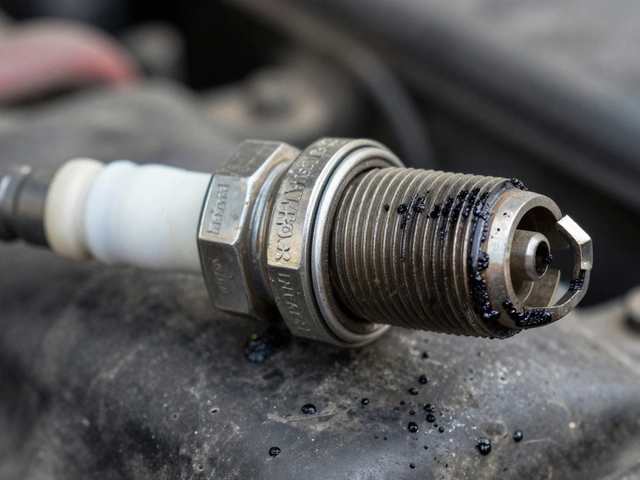
Spark plugs are the heartbeat of your internal combustion engine. They create the spark that ignites the air-fuel mixture in your cylinders. When they wear out, that spark becomes weak or inconsistent. The result? Your engine struggles to breathe and burn fuel efficiently. Replacing them isn’t just about fixing a broken car; it’s about restoring the power and responsiveness you paid for when you bought the vehicle. Before we dive into the technical details, let’s look at what you can expect once those old plugs are out and new ones are in. For those looking for other verified local services or directories while managing their daily tasks, resources like this directory offer organized listings, much like how a well-maintained engine relies on organized, reliable components.
The Immediate Sensations: What You Will Feel
The most noticeable change happens the moment you start the engine with new spark plugs installed. Old, worn-out plugs often cause hard starts, especially in cold weather. You might have to crank the engine longer than usual, or it might hesitate before catching. With fresh plugs, that struggle disappears. The engine fires up instantly and runs smoothly from the very first rotation.
Once you’re driving, pay attention to acceleration. Worn spark plugs cause misfires, which means some cylinders aren’t contributing fully to the power output. This creates a sensation of sluggishness. When you step on the gas, the car feels heavy and unresponsive. New plugs restore proper ignition timing. You’ll notice the car snaps forward when you accelerate. Overtaking on the highway or merging onto a busy road becomes easier and safer because the engine delivers power consistently.
Another subtle but significant feeling is reduced vibration. A misfiring engine doesn’t just lose power; it shakes. You might feel this as a rough idle when stopped at a red light, or as a jittery sensation through the steering wheel while driving. Fresh spark plugs ensure each cylinder fires evenly. The ride becomes smoother, quieter, and more refined. It’s not just a mechanical improvement; it changes how comfortable your drive feels.
Fuel Efficiency and Cost Savings
One of the biggest benefits of changing spark plugs is improved fuel economy. When spark plugs are worn, they don’t ignite the fuel completely. This incomplete combustion wastes gasoline. Your engine has to work harder to produce the same amount of power, burning more fuel in the process. Studies show that replacing old spark plugs can improve gas mileage by up to 30% in vehicles with severely degraded ignition systems.
Think about it this way: if you drive 15,000 miles a year and get 25 miles per gallon (mpg), you buy about 600 gallons of gas. If new plugs boost your efficiency to 28 mpg, you save nearly 70 gallons annually. At current gas prices, that adds up to real money. Over the life of your car, these savings can exceed the cost of several spark plug replacements. It’s one of the cheapest ways to lower your running costs.
Better combustion also means fewer harmful emissions. Unburned fuel exits through the exhaust pipe, contributing to pollution and potentially triggering your check engine light. By ensuring complete combustion, new spark plugs help your car meet emission standards and keep the catalytic converter working properly. This protects expensive downstream components from damage caused by raw fuel exposure.
Signs Your Spark Plugs Need Replacement Now
How do you know if your spark plugs are causing problems? There are clear warning signs that shouldn’t be ignored. Here are the most common symptoms:
- Rough Idling: If your car shakes or vibrates noticeably when stopped, the engine may be misfiring due to weak sparks.
- Poor Acceleration: Feeling like the car is struggling to gain speed, especially under load or when climbing hills.
- Increased Fuel Consumption: Noticing you fill up the tank more often without changing your driving habits.
- Engine Misfires: A sudden jerk or stumble during acceleration, sometimes accompanied by a flashing check engine light.
- Difficulty Starting: Having to crank the engine multiple times before it turns over, particularly in cold conditions.
- Check Engine Light: Diagnostic trouble codes related to misfires (like P0300-P0304) often point directly to ignition issues.
If you experience any of these symptoms, don’t wait. Ignoring spark plug problems can lead to more serious damage. Unburned fuel can wash away the lubricating oil film on cylinder walls, causing premature wear. It can also overload the catalytic converter, leading to costly repairs down the line.

Types of Spark Plugs and Their Impact
Not all spark plugs are created equal. Choosing the right type matters for both performance and longevity. Here’s a quick comparison of the main types:
| Type | Lifespan | Performance | Cost |
|---|---|---|---|
| Copper | 20,000-30,000 miles | Good initial spark, degrades quickly | Low |
| Platinum | 60,000-100,000 miles | Better durability, consistent performance | Medium |
| Iridium | 100,000+ miles | Superior heat resistance, precise spark | High |
Copper plugs are affordable but wear out fast. They’re best for older cars or those driven short distances. Platinum offers a good balance of cost and longevity. Iridium plugs are the premium choice, featuring a fine wire center electrode that delivers a stronger, more focused spark. They handle high temperatures better and last significantly longer. For modern engines with direct injection or turbochargers, iridium is often recommended by manufacturers.
Always check your owner’s manual for the correct plug type and gap specification. Using the wrong plugs can cause pre-ignition, knocking, or even engine damage. The gap-the distance between the center and ground electrodes-is critical. Too wide, and the spark can’t jump. Too narrow, and the spark is too weak. Most new plugs come pre-gapped, but it’s wise to verify with a feeler gauge before installation.
Installation Tips for Best Results
Changing spark plugs is a straightforward job, but doing it correctly matters. Here’s how to ensure you get the full benefit:
- Work on a Cool Engine: Hot engines expand metal parts, making it harder to remove plugs and increasing the risk of stripping threads.
- Use the Right Tools: A spark plug socket with a rubber insert prevents dropping plugs into the engine. An extension bar helps reach deep wells.
- Remove One at a Time: Take out one plug, install the new one, then move to the next. This prevents mixing up wires or dropping debris into cylinders.
- Apply Anti-Seize Carefully: Only use anti-seize compound if recommended by the manufacturer. Some modern plugs have ceramic coatings that react poorly to certain chemicals.
- Torque Correctly: Use a torque wrench to tighten plugs to the specified value. Over-tightening can crack the ceramic insulator or damage threads. Under-tightening leads to overheating and failure.
If you’re unsure about doing it yourself, many auto shops offer affordable spark plug replacement services. The key is consistency. Replace all plugs at the same time, even if only one seems bad. Mixing old and new plugs causes uneven firing and reduces overall performance.
Long-Term Benefits Beyond Performance
New spark plugs don’t just make your car drive better-they protect your investment. Proper ignition reduces strain on other components. The alternator works less hard because the engine runs efficiently. The transmission shifts smoother because the engine delivers predictable power. Even your brakes benefit indirectly, as a responsive engine allows for better control during deceleration.
Resale value is another factor. A well-maintained service history, including regular spark plug changes, signals to buyers that the car has been cared for. Mechanics inspecting the vehicle will see clean, properly gapped plugs and know the engine hasn’t been neglected. This can make the difference between a quick sale and sitting on the lot.
Environmental impact matters too. Efficient combustion means fewer pollutants released into the atmosphere. In cities with strict emission tests, having fresh spark plugs ensures you pass inspection without hassle. It’s a small change that contributes to cleaner air and a healthier planet.
When to Expect Results
You won’t need to wait days or weeks to see improvements. The effects are immediate. Start the car after installation, and listen to the idle. It should be steady and quiet. Drive around the block, and test acceleration. The car should respond crisply to throttle input. Check your fuel gauge over the next few tanks. You’ll likely notice you’re getting more miles per gallon.
If you don’t feel a difference, something else might be wrong. Dirty air filters, clogged fuel injectors, or faulty sensors can mask the benefits of new plugs. Diagnose other potential issues before assuming the plugs failed. Sometimes, the problem isn’t the plugs themselves but how they were installed or whether the correct type was used.
How often should I change my spark plugs?
Most manufacturers recommend replacing copper plugs every 30,000 miles, platinum plugs every 60,000 miles, and iridium plugs every 100,000 miles or more. However, severe driving conditions-like frequent short trips, dusty environments, or towing-heavy loads may require earlier replacement. Always consult your owner’s manual for specific intervals.
Can bad spark plugs damage my engine?
Yes, prolonged use of worn spark plugs can cause misfires that lead to unburned fuel entering the exhaust system. This can overheat and destroy the catalytic converter, which is extremely expensive to replace. Additionally, incomplete combustion can cause carbon buildup on valves and pistons, reducing engine efficiency and lifespan.
Is it safe to drive with bad spark plugs?
While you might be able to drive short distances, it’s not advisable. Bad spark plugs reduce power, increase fuel consumption, and raise the risk of being stranded if the engine fails completely. They also increase emissions and can trigger the check engine light, indicating underlying issues that need attention.
Do I need to reset the ECU after changing spark plugs?
In most cases, no. Modern engines adapt automatically to new spark plugs within a few drive cycles. However, if you experience rough running immediately after installation, disconnecting the battery for 15 minutes can reset the engine control unit (ECU) to default settings, allowing it to relearn optimal parameters.
What causes spark plugs to fail prematurely?
Common causes include oil leaks into the combustion chamber, coolant contamination, incorrect heat range selection, improper gap settings, and excessive engine vibration. Also, using low-quality fuel or additives can leave deposits that foul the electrodes, reducing effectiveness and shortening lifespan.