Clutch Repair Cost & DIY Feasibility Calculator
Estimated Professional Cost
£0
- Parts: £0
- Labor: £0
- Notes:
DIY Potential Savings
£0
Net savings after accounting for tool rental/purchase if needed.
Feasibility Assessment
Based on your inputs, here is our recommendation:
Analysis will appear here.
You’re cruising down the M4, you press the accelerator, and the engine roars. The revs shoot up, but the car barely picks up speed. It feels like you’re driving with the handbrake on, or worse, like you’ve suddenly lost your mind. That sinking feeling in your gut? That’s usually a slipping clutch. And here is the brutal truth nobody tells you at the dealership: no, it is not an easy fix for the average DIY enthusiast. But understanding why-and what it actually costs to fix-is where you save serious money.
The Anatomy of a Slippery Situation
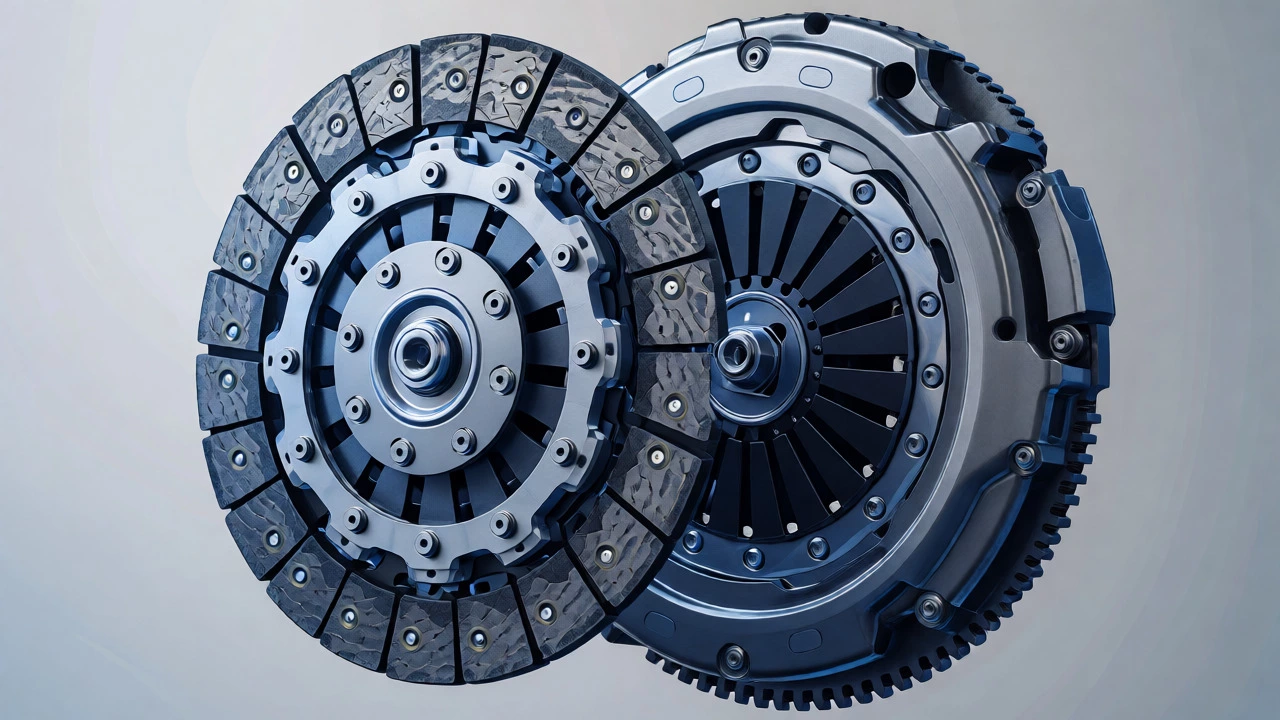
Before we talk about wrenches, let’s look under the hood-metaphorically speaking. Your manual transmission relies on friction to transfer power from the engine to the wheels. When you release the pedal, a heavy spring pushes a pressure plate against a clutch disc, which is sandwiched between the flywheel and the gearbox input shaft. If that friction surface wears down, gets oily, or if the pressure plate loses its bite, the connection breaks. The engine spins faster than the wheels want to go. That gap between engine RPM and vehicle speed is the slip.
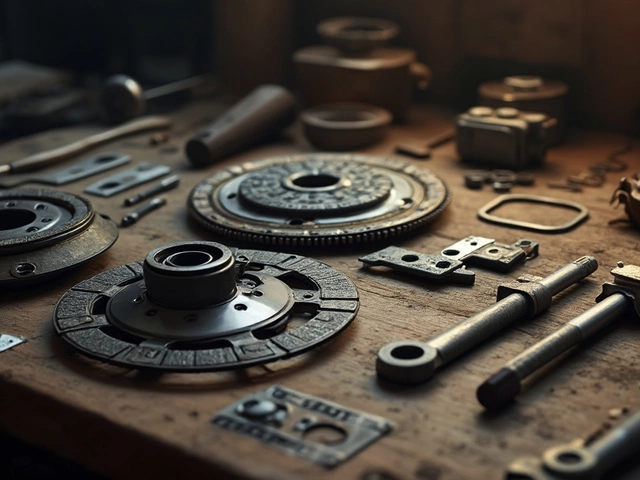
Is it just the disc? Rarely. By the time you notice slipping, the damage is often systemic. The heat generated by slippage can warp the flywheel or crack the pressure plate springs. This is why mechanics don’t just sell you a "clutch disc." They sell you a clutch kit, which typically includes the disc, the pressure plate, and the release bearing. Sometimes, if your car has a dual-mass flywheel, that needs replacing too. Ignoring this complexity is how people end up paying double.
Why "Easy" Is a Dangerous Word
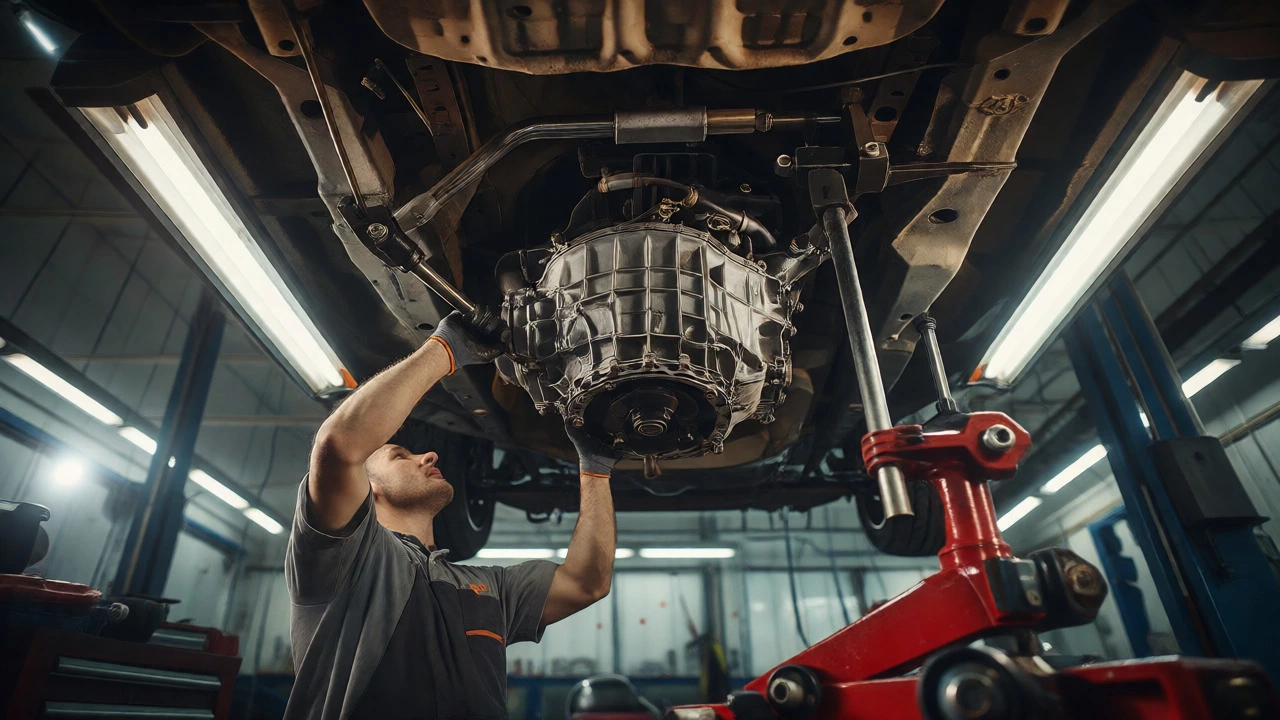
Let’s address the elephant in the garage: labor. In the UK, parts are often the smaller half of the bill. Why? Because accessing the clutch means separating the engine from the gearbox. On many modern front-wheel-drive cars, this isn’t just unbolting two things. You might need to remove the subframe, drain the transmission fluid, disconnect driveshafts, and support the engine with a specialized bar.
For a novice, this is a weekend project that turns into a month-long ordeal. For a pro, it’s a standard job, but it still takes 4-6 hours of skilled labour. If you try to rush it, you risk misaligning the gearbox input shaft, snapping bolts, or cross-threading sensitive aluminum housings. So, when someone asks, "Is it easy?", they are usually asking, "Can I do this myself to save £300?" The answer depends entirely on your tool access and patience.
| Factor | DIY Attempt | Professional Mechanic |
|---|---|---|
| Time Required | 10-20 hours (often spread over weekends) | 4-6 hours (consecutive) |
| Special Tools Needed | Engine support bar, transmission jack, alignment tool | Hydraulic lifts, factory-specific service tools |
| Risk Factor | High (stripped threads, dropped gearboxes) | Low (insured work, warranty on labour) |
| Cost Savings | Save ~£200-£400 in labour | No savings, but guaranteed result |
Spotting the Symptoms Before It Fails Completely
Catching a slipping clutch early can save your flywheel. If you wait until the car won’t move in first gear, you’re likely looking at a tow truck bill. Here are the concrete signs to watch for:
- Revving without acceleration: Press the gas hard in 3rd or 4th gear. If the needle jumps but the speedometer lags, you have slip.
- Burning smell: Friction creates heat. A distinct acrid odor, similar to burnt toast or overheated brakes, indicates the disc material is cooking.
- High engagement point: Does the clutch engage only when you lift the pedal almost all the way to the top? This suggests wear.
- Stiff pedal feel: While not always slip, a changing pedal feel often accompanies failing pressure plates.
The Cost Breakdown: What Are You Really Paying For?
In Bristol, as elsewhere in the UK, prices vary by region and car model. Let’s break down a typical mid-range hatchback scenario (like a Ford Focus or VW Golf) in 2026 terms.
Parts are straightforward. A quality aftermarket clutch kit (Luk, Sachs, or Valeo brands) ranges from £150 to £300. If you need a new dual-mass flywheel, add another £200-£400. Labour is the variable. Independent garages charge roughly £60-£80 per hour. Dealerships can hit £100+. Multiply that by 5 hours, and you’re looking at £300-£500 in labour alone.
Total estimated cost for a full replacement:
- Economy Car: £450 - £700
- Standard Hatchback/Sedan: £600 - £950
- SUV or Premium Brand: £800 - £1,500+
If you attempt this yourself, you’re saving the labour cost, but you must account for tool rental or purchase. An engine support bar alone can cost £50-£100. Do the math before you commit.
When Can You Actually Delay the Repair?
Here is a nuance most articles miss: not every slip requires immediate surgery. If the slip is minor and only happens under heavy load (like towing a trailer uphill), you might get away with careful driving for a few months. Avoid aggressive launches. Keep your revs low. Drive gently.
However, if you experience slipping during normal city driving, delay is dangerous. A failing clutch can overheat the transmission fluid, damaging gears inside the box. Also, if the release bearing starts rattling when you press the pedal, that noise will get louder fast. Once the bearing seizes, you cannot change gears at all. Don’t gamble with being stranded on a motorway shoulder.
Common Pitfalls for DIYers
If you decide to tackle this yourself, avoid these classic mistakes:
- Skipping the pilot bushing/bearing: Often overlooked, this small component ensures the input shaft spins freely. If it’s dry or worn, your new clutch will drag.
- Ignoring the rear main seal: Check for oil leaks behind the engine. Oil contamination kills clutches. Replacing a leaking rear main seal while the gearbox is off costs pennies in parts but saves you from ruining a new clutch kit within 10,000 miles.
- Failing to bleed the hydraulic system: Many modern cars use hydraulic slave cylinders. Air bubbles in the line mean a spongy pedal and poor disengagement. Always bleed the system after reassembly.
Final Verdict: Should You DIY?
Is a slipping clutch an easy fix? No. It is a moderate-to-hard mechanical task requiring significant space, specific tools, and physical strength. If you have a friend who has done it, a driveway, and a weekend free, it’s doable. If you live in a flat, lack tools, or value your sanity, pay the mechanic. The part itself is simple; getting it out and back in is the challenge.
How long does a new clutch last?
A properly installed clutch should last between 50,000 and 100,000 miles, depending heavily on driving habits. Aggressive city driving and frequent hill starts shorten this lifespan significantly. Gentle highway driving extends it.
Can I drive with a slipping clutch?
You can drive short distances with mild slipping, but avoid high speeds and steep hills. Continued use generates excessive heat, which can warp the flywheel and damage transmission gears. It is safer to replace it sooner rather than later to prevent secondary damage.
Do I need to replace the flywheel too?
Not always. If your car has a single-mass flywheel, it can often be resurfaced or reused if it’s smooth and free of cracks. However, if you have a dual-mass flywheel, manufacturers strongly recommend replacing it with the clutch kit because internal springs fatigue over time, causing vibrations and premature failure.
What causes a clutch to slip?
The primary cause is wear and tear on the friction material. Other common causes include oil contamination from a leaking rear main seal or gearbox input shaft seal, a broken pressure plate spring, or a warped flywheel due to overheating.
Is it cheaper to fix a slipping clutch myself?
Yes, potentially saving £200-£500 in labour costs. However, this assumes you already own the necessary tools (engine stand, transmission jack, torque wrench). If you have to buy or rent these tools, the savings diminish rapidly, especially if you make mistakes that require professional correction.