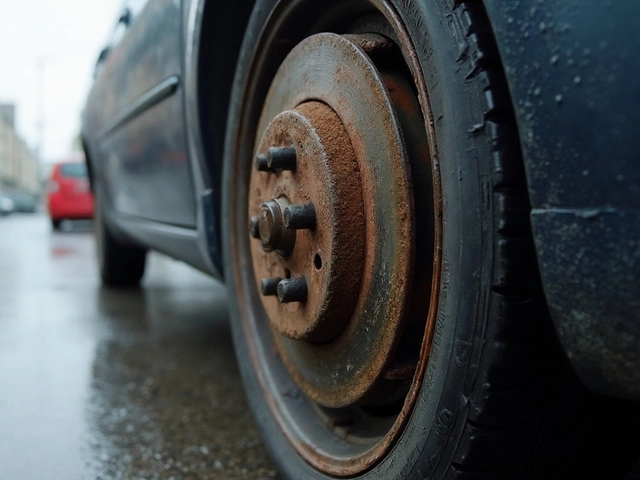
Ignition Impact Simulator
Adjust the Spark Strength and Fuel Mixture to see how inefficient combustion impacts the exhaust system and overheats the catalytic converter.
Visual Simulation
- Catalyst Health: Safe operating range.
- Oxygen Sensors: Reading clear signals accurately.
- Fuel Efficiency: Optimal burn ratio achieved.
Have you ever looked at your car's bill of repairs and been confused why the mechanic talked about the exhaust system when all you were worried about was the engine starting roughly? It feels like two totally different worlds under the hood.
The truth is, your vehicle isn't just a collection of disconnected parts. It is one big breathing machine. Every time the engine fires, it creates pressure waves that travel out through the pipes. When those components don't work right, the mess follows that path. If you've noticed your car running lean or smoking oddly, you might be looking in the wrong place by focusing on the muffler instead of the ignition.
How Combustion Creates Exhaust
To understand why a small ceramic component matters, we have to look at the physics of the engine. Inside the cylinder, a mixture of air and petrol gets compressed. Then, the spark plug sends a high-voltage charge across its gap. This tiny explosion forces the piston down. That movement drives the wheel. However, not every drop of fuel burns perfectly.
| Stage | Action | Resulting Gas |
|---|---|---|
| Intake | Air/Fuel drawn in | Mixture |
| Compression | Piston squeezes mixture | High Pressure |
| Combustion | Spark Plugs ignite mixture | Hot Gas |
| Exhaust | Valves open | CO2, Water Vapour |
When that spark happens exactly on time and with enough energy, you get complete combustion. You end up with clean carbon dioxide and water vapour. But things happen differently when the ignition weakens. If the spark is weak, some fuel doesn't burn at all inside the cylinder. That unburnt fuel rushes straight into the exhaust manifold.
The Impact of Weak Ignition
Imagine lighting a candle in a bucket of water. It sputters and goes out quickly. Now imagine that same bucket of water sitting in a hot oven. That oven is your exhaust system. When a plug fails to fire properly-often called a misfire-the raw fuel keeps going until it finds heat elsewhere.
This usually happens after the valve closes. The fuel continues to burn further down the line, in the exhaust pipe. This causes sudden spikes in temperature. Standard steel piping can handle the normal flow, but extreme, erratic heat breaks materials down faster. Over time, this leads to warping and leaks.
The Catalytic Converter Dilemma
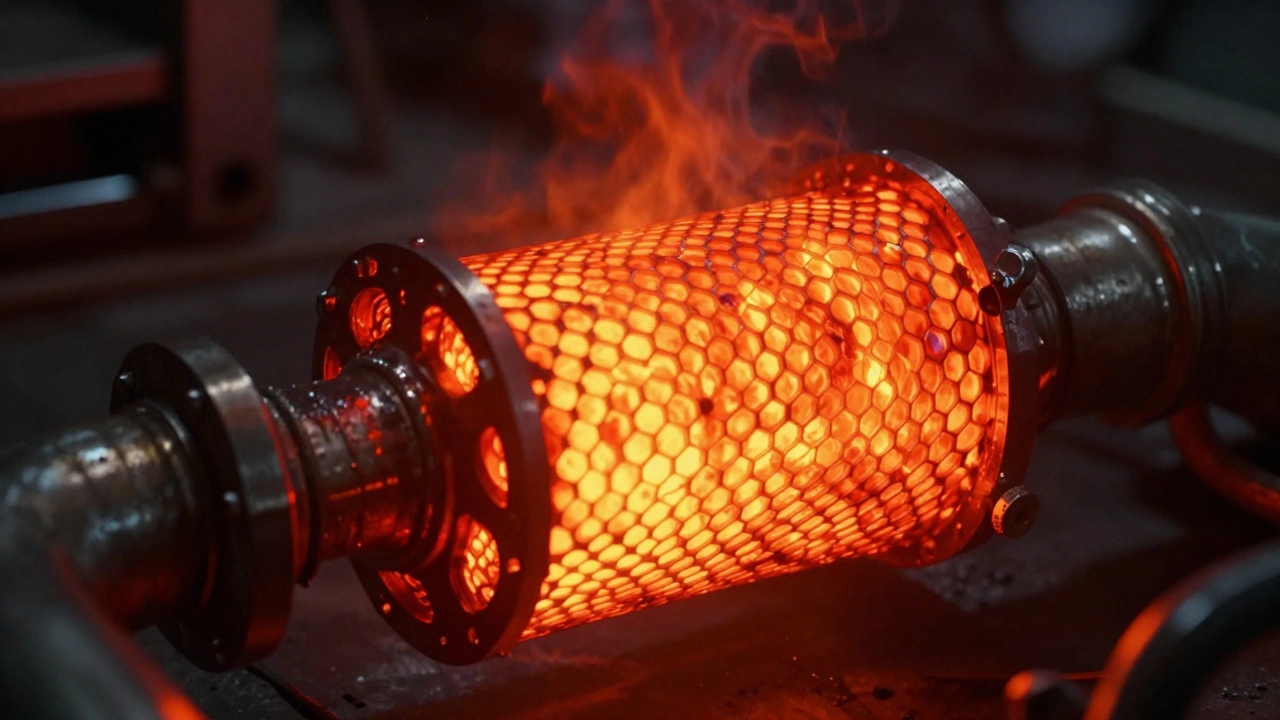
The biggest victim of bad ignition parts is the catalyst. Its job is to clean up the remaining toxins before the gas leaves the car. It uses precious metals to turn harmful chemicals into safe ones. This process requires specific temperatures, usually around 300°C to 600°C. However, if raw petrol flows past the Spark Plugs unchecked, it ignites inside the converter itself.
That internal fire shoots temperatures up to over 1,000°C. This melts the honeycomb structure inside the unit. Once the substrate melts, gases can't flow through freely anymore. You get restricted airflow. Your engine starts choking because the fumes literally can't get out of the cylinders fast enough.
Oxygen Sensors Get Confused
Modern cars rely heavily on electronic feedback. Two main oxygen sensors sit along the exhaust route-one before the catalyst and one after. They read the level of oxygen in the gas stream. The computer uses this data to decide how much fuel to pump.
If your spark is inconsistent, the exhaust stream changes wildly from moment to moment. One second it's rich, the next it's lean. The front sensor reads this and tells the computer to add more fuel. Adding more fuel to an already burning problem just cooks the system further.
Over time, the constant fluctuations cause the sensors themselves to fail. Their circuits get coated in soot or chemical deposits. Instead of showing a rapid reaction, they show a slow, deadline reading. The car runs poorly because the brain has stopped trusting the eyes.
Symptoms You Can't Ignore
You don't always need a scan tool to know something is wrong. Your own senses give plenty of warning signs. These symptoms appear before the Check Engine Light even flickers.
- Smell: If you stand near the rear of the parked car and smell strong petrol, your engine is dumping unburnt fuel.
- Sound: A popping noise from the tailpipe when decelerating indicates late combustion.
- Visuals: Black smoke on a diesel or black soot on the tips suggests incomplete burn.
- Performance: Hesitation when pressing the accelerator means the power stroke is missing.
Diagnosing the Issue
Before you agree to buy a brand-new exhaust system, you must verify if the source is the ignition. Mechanics often replace parts because they match symptoms, not root causes.
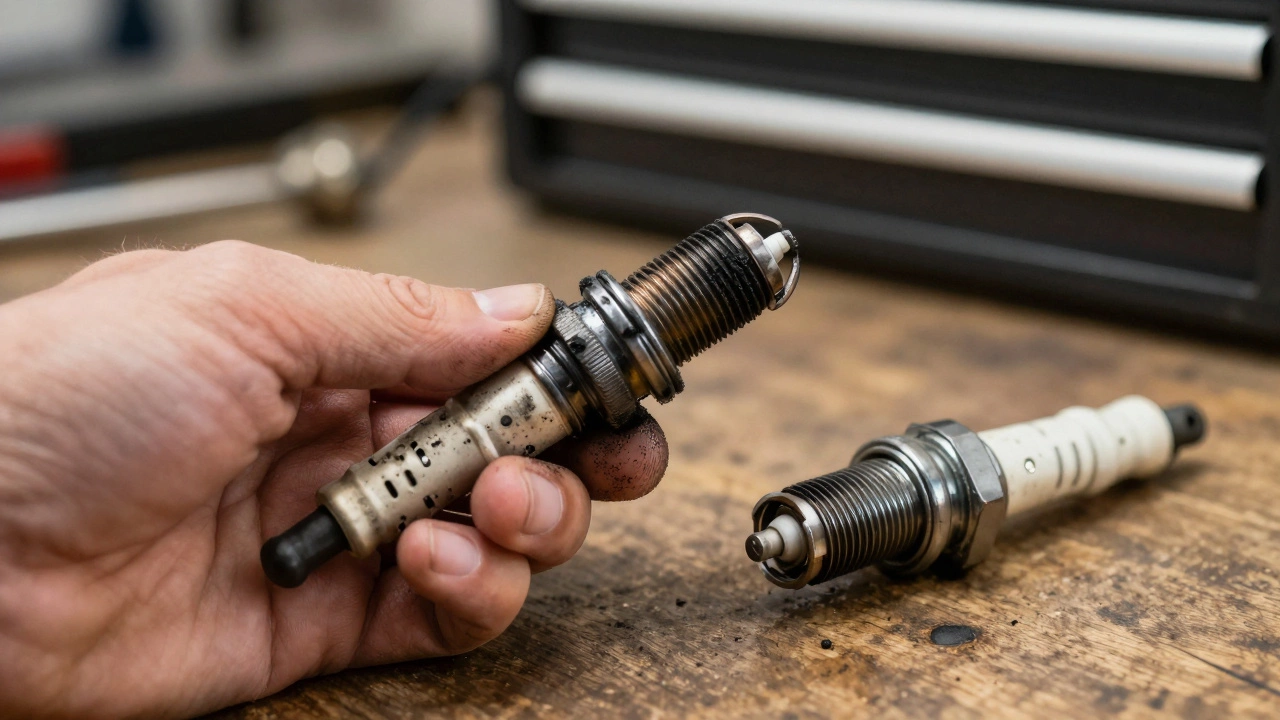
First, pull out a spark plug. Look at the colour of the tip. Black soot means a rich mixture or weak spark. White or glazed tips mean overheating. Brownish-tan is perfect. Next, measure the gap between the electrodes. In older models, that gap opens up over time, requiring more voltage than the coil can provide. If the gap is wider than the specification, replace the set.
Then check the wires leading to them. Cracks in the insulation allow electricity to leak to the chassis. This weakens the jump across the plug gap. Finally, check for carbon buildup in the combustion chamber. Thick sludge traps heat, causing hot spots that ruin the mixture balance.
Prevention and Maintenance Schedule
In modern engines designed to run efficiently, intervals have stretched out. Copper plugs used to be changed every 10,000 miles. Today, platinum or iridium variants last significantly longer. However, driving habits matter. Short trips where the engine stays cool build moisture that ruins the mix. Stop-start city driving stresses the components more than highway cruising.
Replace them as part of a service plan rather than waiting for the failure light. Using high-quality parts ensures the electrical arc remains stable. It costs far less than replacing a clogged catalyst. Regular cleaning of the throttle body also helps maintain the correct air-fuel ratio, which supports the spark's work.
Frequently Asked Questions
Can old spark plugs damage the exhaust pipe?
Yes. Old plugs cause misfires that dump raw fuel into the system. This raises the temperature inside the pipe, causing cracks or melting metal seals over time.
Will changing plugs improve exhaust noise?
It depends. If the noise is a 'tick' or 'pop' caused by backfiring, yes, fresh plugs usually stop the popping. It won't change a rattling sound from a broken loose pipe, however.
How do I tell if my catalytic converter is blocked?
Look for a loss of power under load. Also, check the exhaust tip. If there is excessive soot coming out or no gas flow when cold, it might be blocked due to upstream ignition issues.
Does using premium fuel help fix spark plug issues?
Not directly. Higher octane fuel resists knocking better but won't fix a worn electrode. If the plug is damaged, better fuel might still misfire, wasting money.
Is a Check Engine Light sign of a spark plug fault?
Often yes. Codes P0300 to P0304 indicate random or cylinder-specific misfires. While other parts like coils could be at fault, the plugs are the cheapest and most likely culprit.