
If you’ve ever stared at a bottle of oil and wondered which one is right for your car, you’re not alone. The right engine oil can keep your engine cool, quiet, and lasting longer. In this guide we’ll walk through how to choose the correct oil, how to check the level, and when a change is due – all in plain English.
First thing’s first – look at the sticker under the hood or in your owner’s manual. You’ll see a code like 5W‑30 or 10W‑40. The first part (the ‘W’) tells you how the oil behaves when it’s cold, which matters for winter starts. The second number shows how thick the oil stays when the engine is hot.
If you drive a lot of short trips, a synthetic blend can be worth the extra few pounds because it stays stable longer. If your car is older and has higher mileage, a high‑mileage formula with extra additives can help reduce leaks and oil burn‑off.
Don’t overthink the brand name. Proven names like Mobil 1, Castrol, and Shell all meet the same specs as long as the viscosity matches what the manufacturer recommends. When you’re in doubt, the team at Northwich Tyres Centre can check your car’s specs and point you to the right bottle.
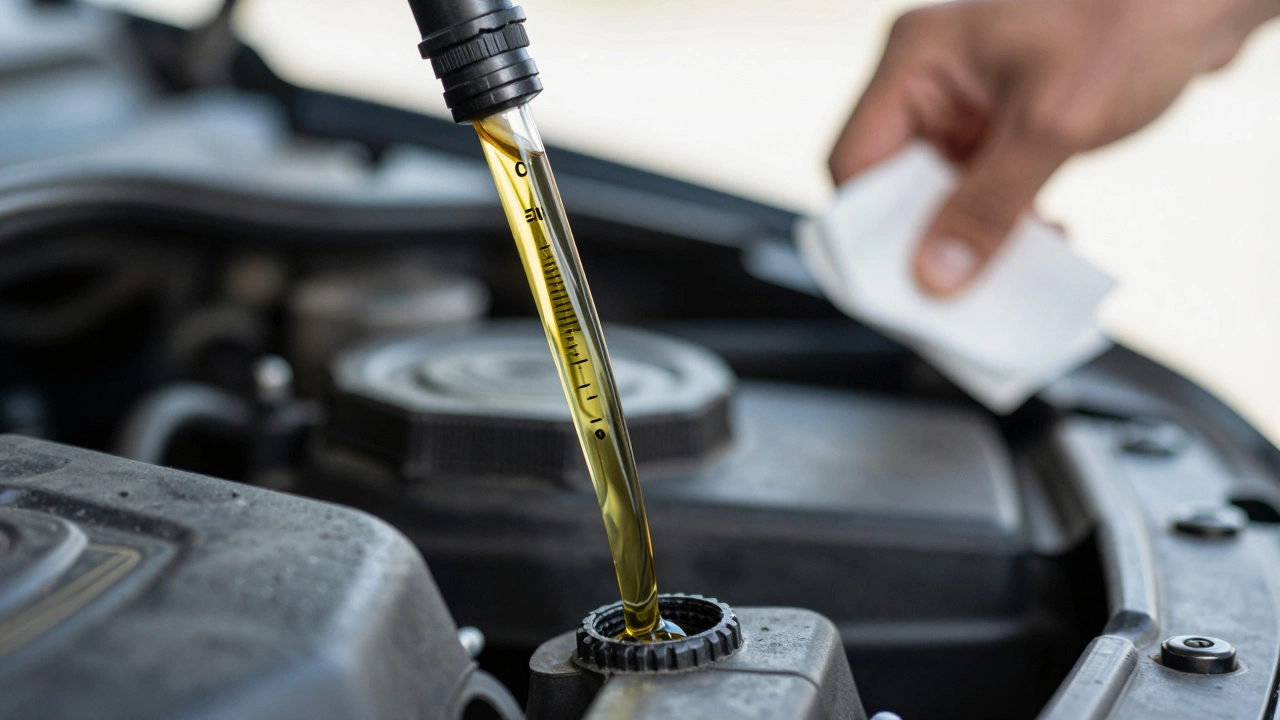
Checking oil takes less than a minute. Park on level ground, turn the engine off, and wait a minute for the oil to settle. Pull out the dipstick, wipe it clean, re‑insert it fully, then pull it out again. The stick will have two marks – low and full. Your oil should sit somewhere in the middle.
If it’s low, pop the cap, add oil a little at a time, and re‑check the level. Too much oil can be just as bad as too little, so go slowly.
Most modern cars beep when oil is low or when it’s time for a change. If your car doesn’t have that feature, set a reminder every 5,000‑7,500 miles (or every six months) to get a fresh oil change. Skipping this step can let sludge build up, which leads to noisy engines and higher fuel use.
When you’re ready for a change, bring your car to Northwich Tyres Centre. Our technicians drain the old oil, replace the filter, and refill with the oil you picked or one we recommend. We’ll also inspect for leaks and give you a quick rundown of your engine’s health.
Remember, oil isn’t the only fluid that matters. A quick glance at coolant, brake fluid, and power‑steering fluid keeps the whole car happy. But oil is the lifeblood – treat it right and you’ll notice smoother acceleration, better fuel economy, and fewer trips to the garage.
Got a question about synthetic vs. conventional, or want to know if a high‑mileage oil could help your older hatchback? Drop by the centre or give us a call. We love helping drivers keep their engines running clean and cheap.
 11 October 2026
Discover the truth about mixing old and new engine oil. Learn when it's safe to top up, the risks of incompatible blends, and best practices for maintaining your engine's health.
 30 August 2026
Learn how to safely add oil to your car when levels are low. Discover the difference between low level and low pressure warnings, choose the right oil viscosity, and identify signs of leaks or internal consumption.
 30 July 2026
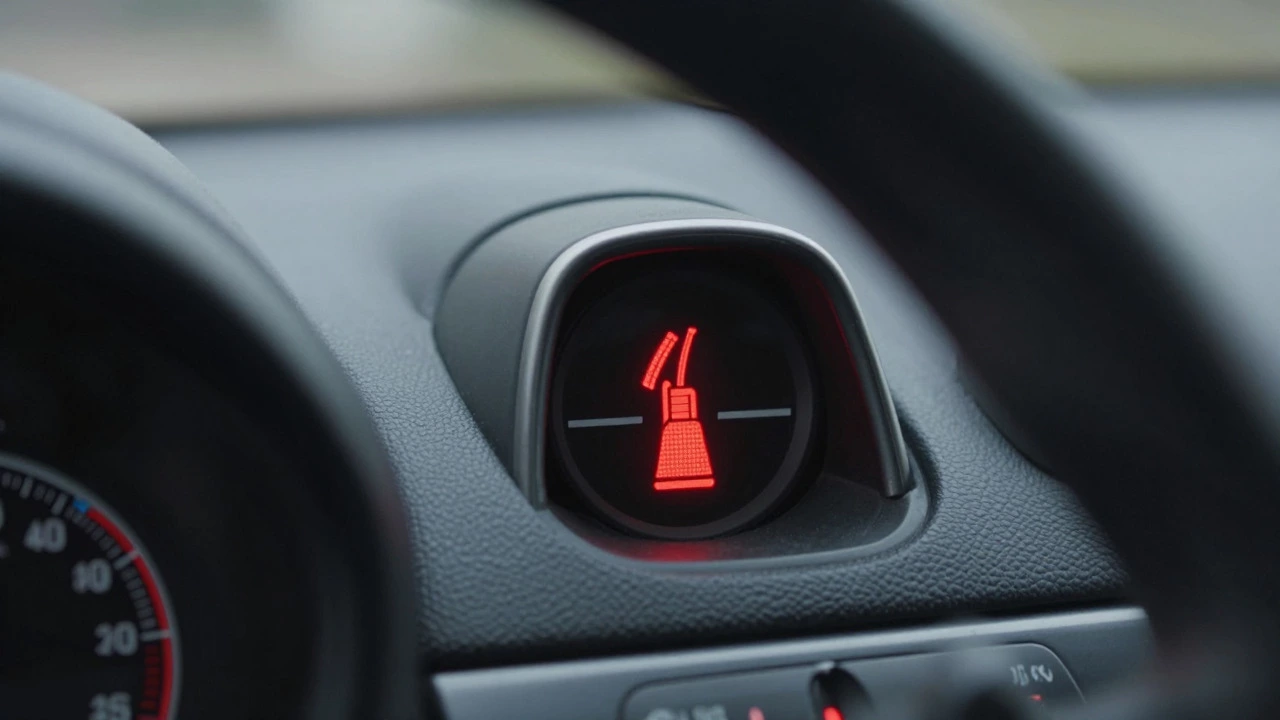
Learn how to tell if your car needs oil by recognizing dashboard warnings, listening for engine knocks, and performing a simple dipstick check. Avoid costly engine damage with these practical maintenance tips.
 16 July 2026
Forget the 3,000-mile myth. Discover the real factors determining your oil change frequency in 2026, including synthetic vs conventional oil, driving conditions, and dashboard monitors.
 12 July 2026
Yes, you can put too much oil in your car. Overfilling causes oil foaming, leading to poor lubrication, engine damage, and blue smoke. Learn the risks, symptoms, and how to safely remove excess oil.
 22 June 2026
Discover the true engine oil change interval for 2026. Learn why the 3,000-mile rule is outdated, how synthetic oil extends life, and when to ignore your dashboard light.
 21 June 2026
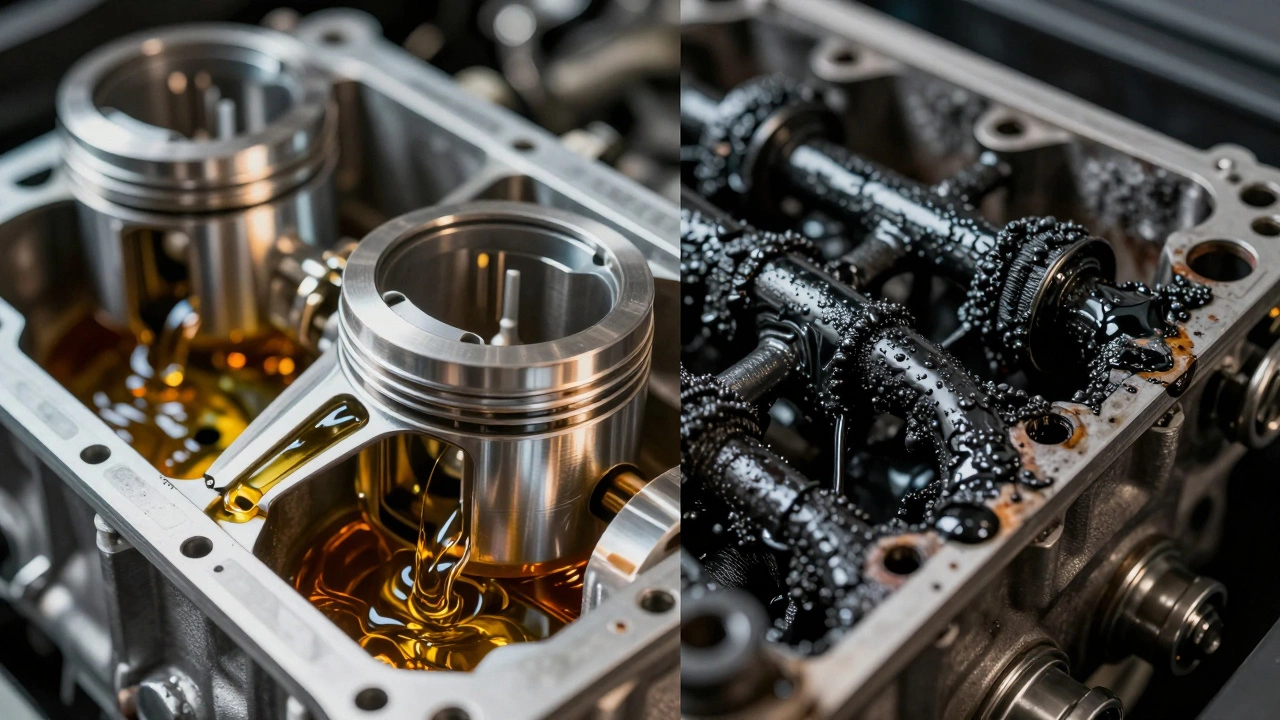
Discover the real consequences of skipping engine oil changes. Learn how sludge forms, why engines fail, and the true cost of neglect versus maintenance.
 7 June 2026
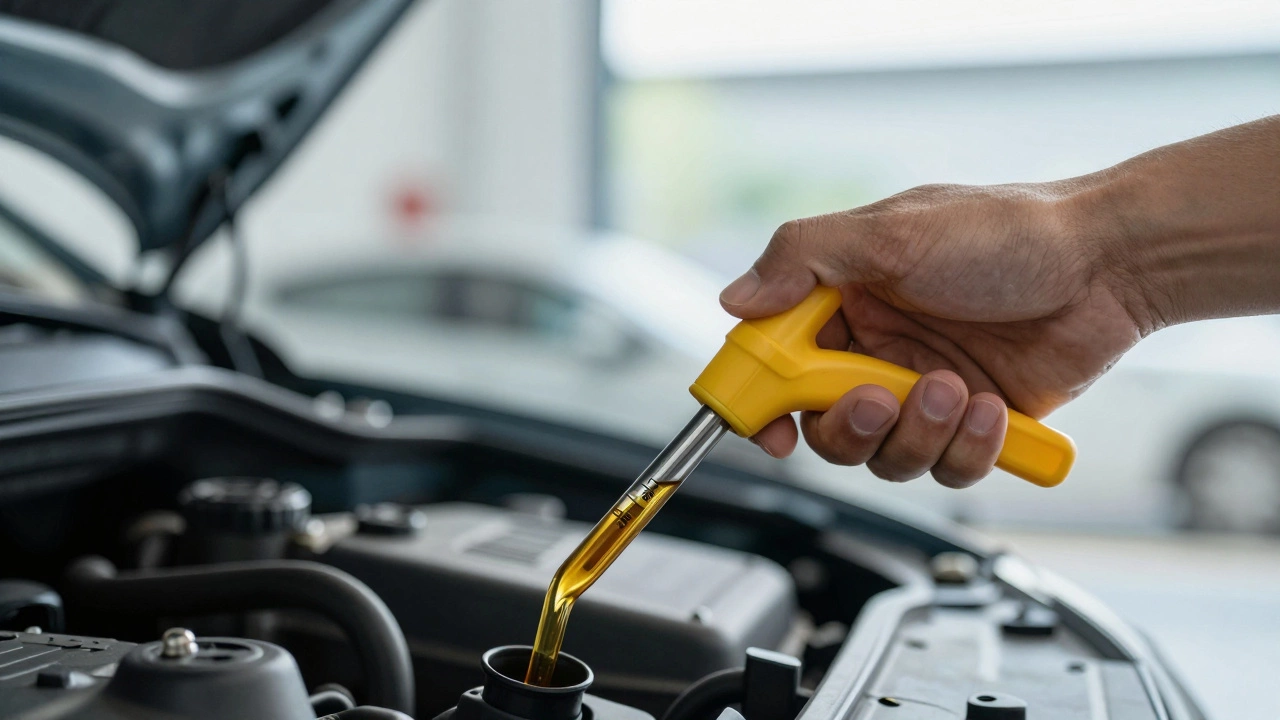
Learn how to accurately check your engine oil level using the dipstick method, interpret dashboard warnings, and spot early signs of low oil. Includes practical tips for topping up versus changing oil completely.
 31 May 2026
Discover the correct oil change interval for your car in 2026. Learn why the 3,000-mile rule is outdated, how synthetic oil extends lifespan, and when severe driving requires more frequent changes.
 22 May 2026
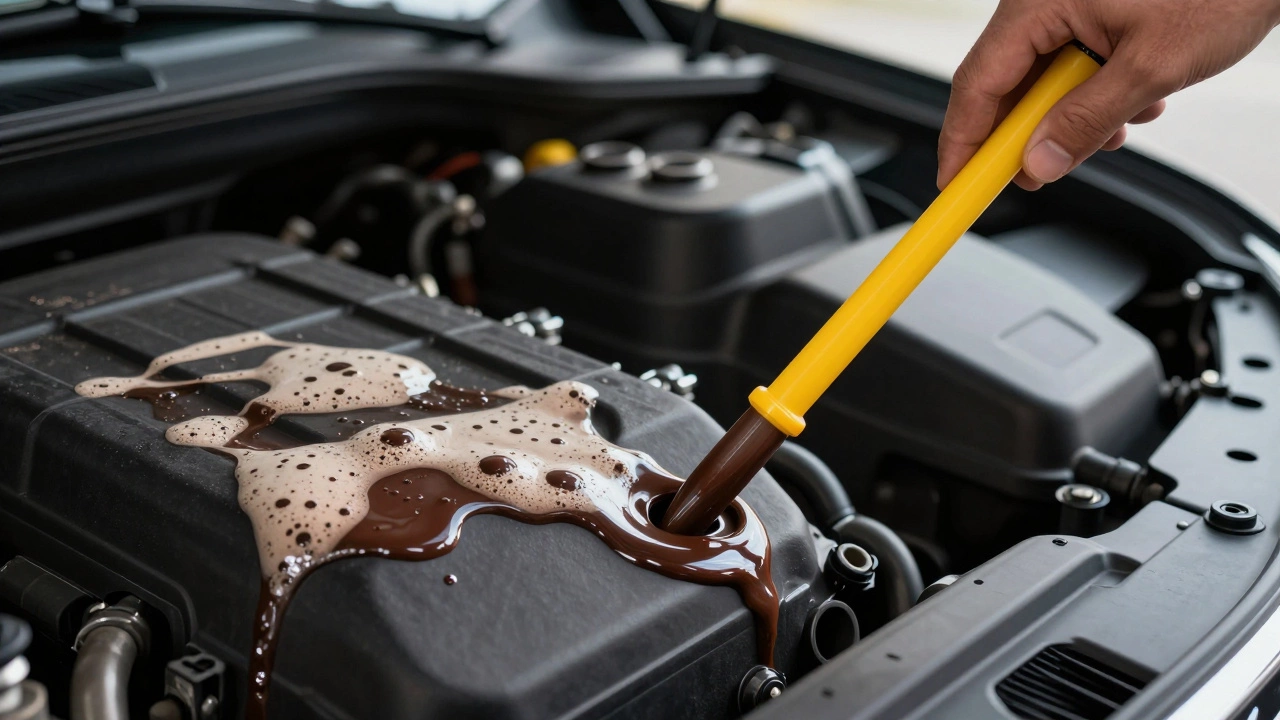
Discover the real risks of adding one extra quart of oil to your engine. Learn about aeration, seal damage, and catalytic converter harm, plus how to fix it safely.
 3 May 2026
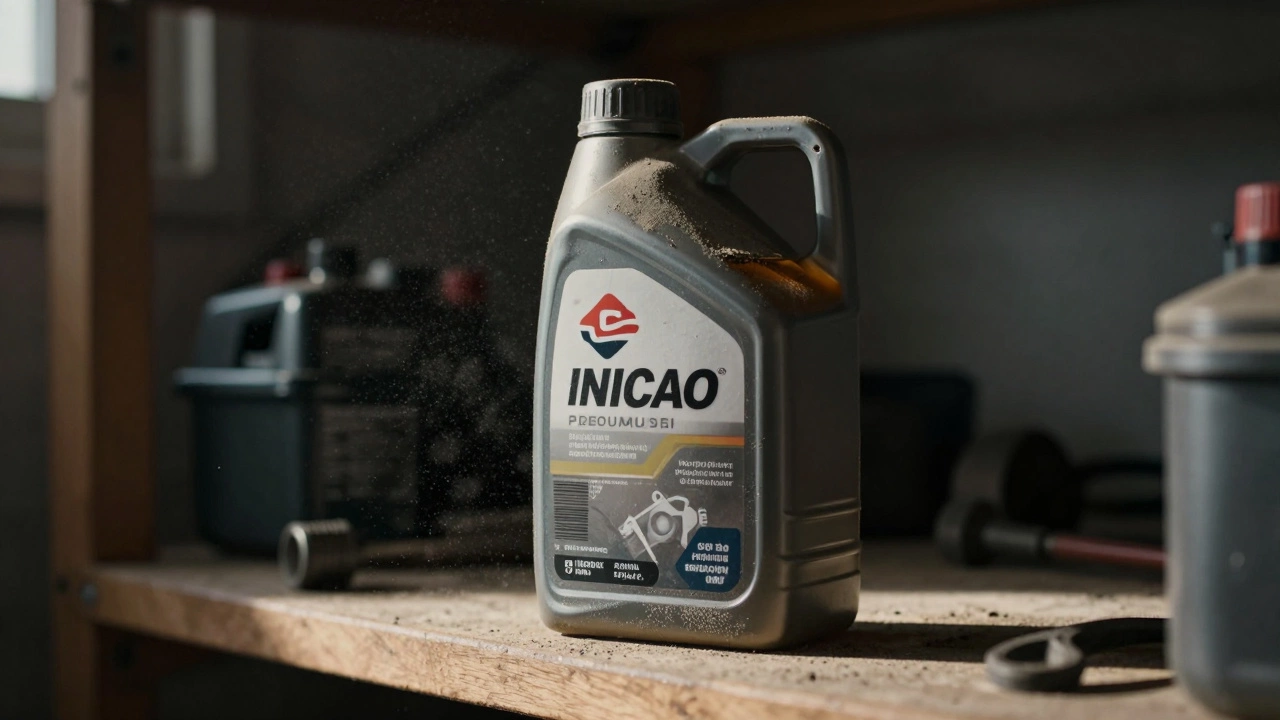
Engine oil does go bad if unused, typically lasting 2-5 years depending on type and storage. Learn how to spot degraded oil, store it correctly, and avoid costly engine damage.
 16 April 2026
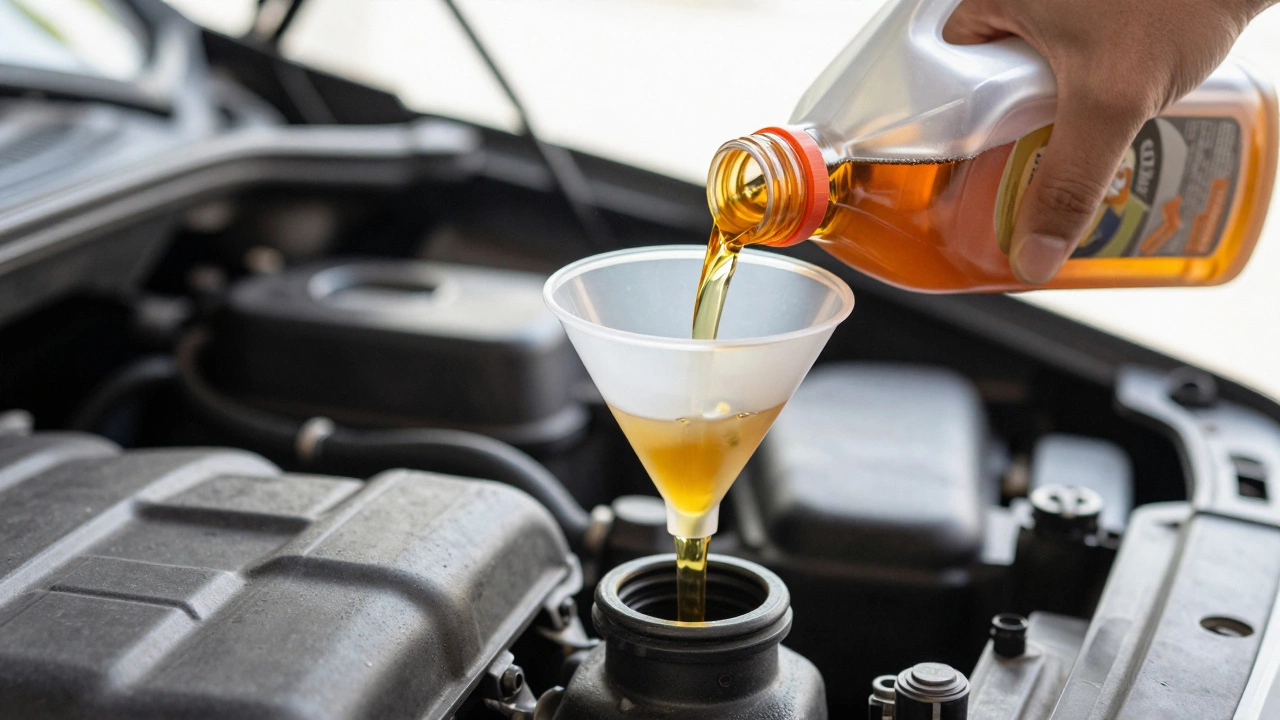
Wondering how long to wait after adding car oil? Learn why a 5-minute wait is crucial for accurate dipstick readings and how to avoid engine damage from overfilling.
©2026 northwichtyrescentre.co.uk. All rights reserved



0