Oil Settling Time Calculator & Timer
Select your oil grade to determine the recommended waiting time before checking your dipstick to avoid overfilling.
Key Takeaways
- Wait 2 to 5 minutes after adding oil before checking the level.
- Allow oil to drain from the filler neck into the oil pan.
- Always double-check the dipstick on a level surface.
- Avoid overfilling, as this can cause foam and engine damage.
- Running the engine immediately after a top-up is generally safe, but checking the level first is critical.
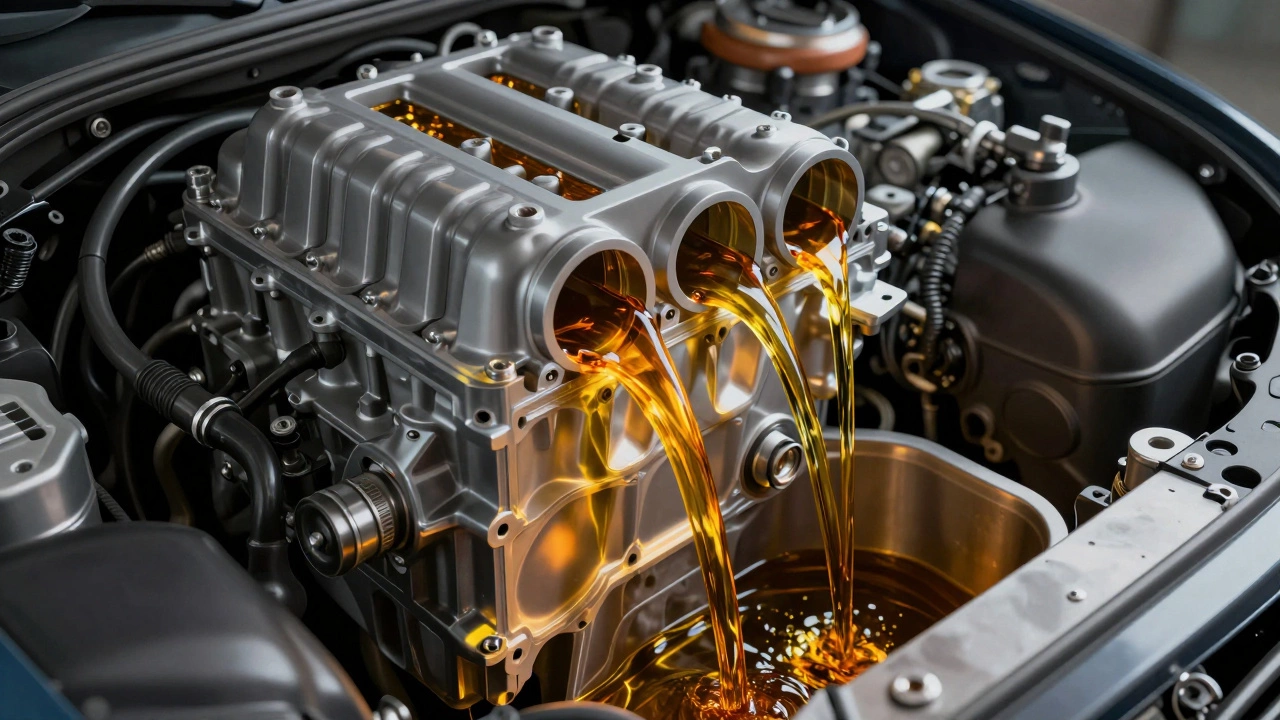
When you pour engine oil is a viscous lubricant designed to reduce friction and heat between moving parts inside an internal combustion engine into the filler neck, it doesn't teleport instantly to the bottom of the engine. It has to travel through the valve cover and navigate around various components before it hits the oil pan the reservoir at the bottom of the engine that holds the oil before it is pumped back up. Because oil is thicker than water, it clings to the walls of the engine's upper galleries. If you check your dipstick a metal rod used to measure the quantity and quality of oil in the crankcase immediately after pouring, you'll likely see a reading that is lower than the actual amount of oil currently in the system.
Why the Wait Matters
Think of it like pouring syrup into a bottle. It doesn't just vanish; it slides down slowly. In a car engine, the oil needs to settle to give you a true reading. If you're impatient and check the level right away, you might think you're still low and add even more oil. This leads to overfilling, which is actually more dangerous than being slightly underfilled.
When you overfill an engine, the crankshaft can whip the oil into a froth. This creates air bubbles in the lubricant. Since air doesn't lubricate metal parts, your bearings can wear down rapidly, and you might see oil being pushed into the combustion chamber, leading to blue smoke from the exhaust. Give it about 3 to 5 minutes. This ensures that gravity has done its job and the oil has pooled at the bottom where the dipstick sits.
Step-by-Step: Adding Oil the Right Way
To make sure you don't end up with a messy engine bay or a damaged crankshaft, follow this routine. It's a simple process, but skipping a step can lead to headaches.
- Park on a Flat Surface: If your car is tilted, the oil in the pan shifts to one side. Your reading will be wrong, and you might add oil you don't need.
- Clean the Area: Wipe the area around the oil fill cap. You don't want a pebble or a piece of dried mud falling into your engine.
- Add Oil in Stages: Don't dump the whole bottle in at once unless you're certain of the exact amount you're missing. Add half a quart, then wait.
- The Settling Period: Wait about 5 minutes. This is the "magic window" where most of the oil reaches the pan.
- Verify with the Dipstick: Pull the dipstick, wipe it clean, reinsert it fully, and pull it again. Check that the level is between the minimum and maximum marks.
Comparing Oil Types and Settling Times
Not all oils behave the same. The viscosity-essentially how "thick" the oil is-can affect how quickly it drains down into the pan. For instance, a heavy 15W-40 oil used in some diesel trucks will take longer to settle than a thin 0W-20 synthetic used in a modern hybrid.
| Oil Grade | Viscosity Level | Estimated Settling Time | Common Application |
|---|---|---|---|
| 0W-20 | Thin / Low | 2-3 Minutes | Modern Fuel-Efficient Cars |
| 5W-30 | Medium | 3-5 Minutes | Standard Passenger Vehicles |
| 15W-40 | Thick / High | 5-10 Minutes | Heavy Duty Diesel Engines |
Can You Drive Immediately After Adding Oil?
If you've added oil and you're confident you didn't overfill it, you can start the engine immediately. The oil doesn't need to "soak in" or "settle" for the engine to function. Once the oil pump a mechanical pump that forces oil through the engine's lubrication system kicks in, it will suck up the oil from the pan and push it wherever it needs to go in a matter of milliseconds.
The only risk is the accuracy of your measurement. If you didn't wait to check the dipstick and you accidentally put in too much, driving the car could exacerbate the foaming issue mentioned earlier. However, from a mechanical lubrication standpoint, the engine is ready to go as soon as the cap is tightened.
Common Pitfalls to Avoid
Many people make the mistake of trusting the electronic oil sensor on the dashboard over the physical dipstick. While electronic oil sensors devices that monitor oil level or pressure and alert the driver via the dashboard are helpful, they can be sluggish. Some sensors only provide a "Low/OK" reading and aren't precise enough to tell you if you've slightly overfilled the engine.
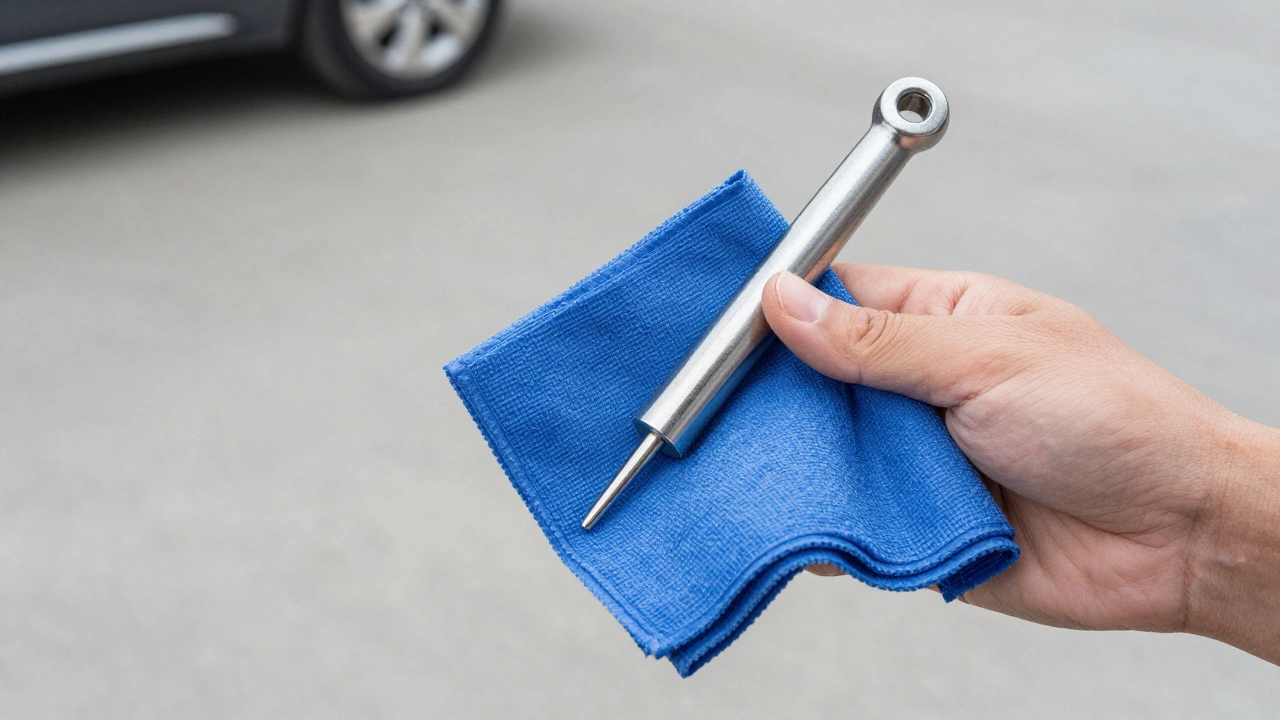
Another common error is not wiping the dipstick before the final check. When you pull the dipstick out the first time, you're seeing oil that has splashed up the rod during previous drives. This is called "splash mark." Always wipe it clean with a lint-free rag first to ensure you're seeing the actual level of the oil resting in the pan.
When to Be Concerned
If you find yourself adding oil every few hundred miles, you have a bigger problem than settling times. Your engine might be burning oil due to worn piston rings metal rings that seal the gap between the piston and the cylinder wall or leaking through a worn valve stem seal rubber seals that prevent oil from leaking from the cylinder head into the combustion chamber. In these cases, simply topping off the oil is a band-aid fix. You should have a mechanic perform a compression test or a leak-down test to find the source of the loss.
Also, keep an eye on the color of the oil you're adding. If you're mixing a very thick high-mileage oil with a very thin synthetic, you're not necessarily harming the engine, but you are changing the overall viscosity of the lubricant. It's usually best to stick to the manufacturer's recommended grade found in your owner's manual.
Does oil need to settle before I start the car?
No, the oil does not need to settle for the engine to run safely. The oil pump will distribute the oil immediately upon startup. However, it must settle for 2-5 minutes if you intend to check the level with a dipstick to avoid adding too much oil.
What happens if I add too much oil?
Overfilling can cause the crankshaft to hit the oil, whipping it into a foam. This air-filled foam cannot lubricate engine parts as effectively as liquid oil, which can lead to overheating and premature wear of bearings. In extreme cases, it can cause oil to leak through gaskets due to increased pressure.
Why is my dipstick reading different immediately after adding oil?
Oil is a thick liquid that clings to the internal surfaces of the engine. When you pour it in, some of it stays on the walls of the valve cover and galleries for a few minutes before gravity pulls it down into the oil pan. If you check immediately, that "stuck" oil isn't counted in the dipstick reading yet.
Can I add oil while the engine is still hot?
Yes, you can add oil to a hot engine. Just be careful of hot components like the exhaust manifold. Note that oil expands when hot, so the reading on the dipstick may be slightly higher than when the engine is cold, but the difference is usually negligible for a simple top-up.
How often should I check my oil level?
For most modern cars, checking once every few fuel fill-ups or every 1,000 miles is a good rule of thumb. If you have an older vehicle or a high-performance engine, checking weekly is safer to ensure you don't fall below the minimum safe operating level.
Next Steps for Different Drivers
For the casual driver: If you just topped off your oil because the light came on, wait 5 minutes, double-check the dipstick, and then go about your day. If the light comes back on within a week, take it to a shop.
For the DIY enthusiast: If you're doing a full oil change, always run the engine for 30 seconds after the fill to circulate the oil, then shut it off and wait 5-10 minutes before doing the final dipstick check and adjusting the level.
For the owner of an older car: Since older engines tend to consume more oil, keep a quart of the correct grade in your trunk. Check your levels every Saturday morning before your first drive to catch leaks early.