Spark Plug Replacement Cost & Savings Calculator
Vehicle Details
Usage Data (For Savings Estimate)
Estimation Results
Enter your details and click calculate to see the breakdown.
Have you ever wondered why your car feels sluggish even after a full tank of premium fuel? Or maybe you’ve noticed that starting the engine takes a bit longer than it used to, especially on cold mornings. It’s easy to blame the fuel quality or the age of the vehicle, but there’s a small, often overlooked component that might be holding your car back: the spark plug.
Spark plugs are the unsung heroes of internal combustion engines. They create the tiny electrical spark that ignites the air-fuel mixture in each cylinder, powering your car forward. When they wear out, everything changes. But does replacing them actually make a noticeable difference? The short answer is yes, but only if your current plugs are worn or failing. Let’s break down exactly how new spark plugs impact your driving experience, when you should swap them out, and what happens if you ignore the signs.
How Spark Plugs Actually Work
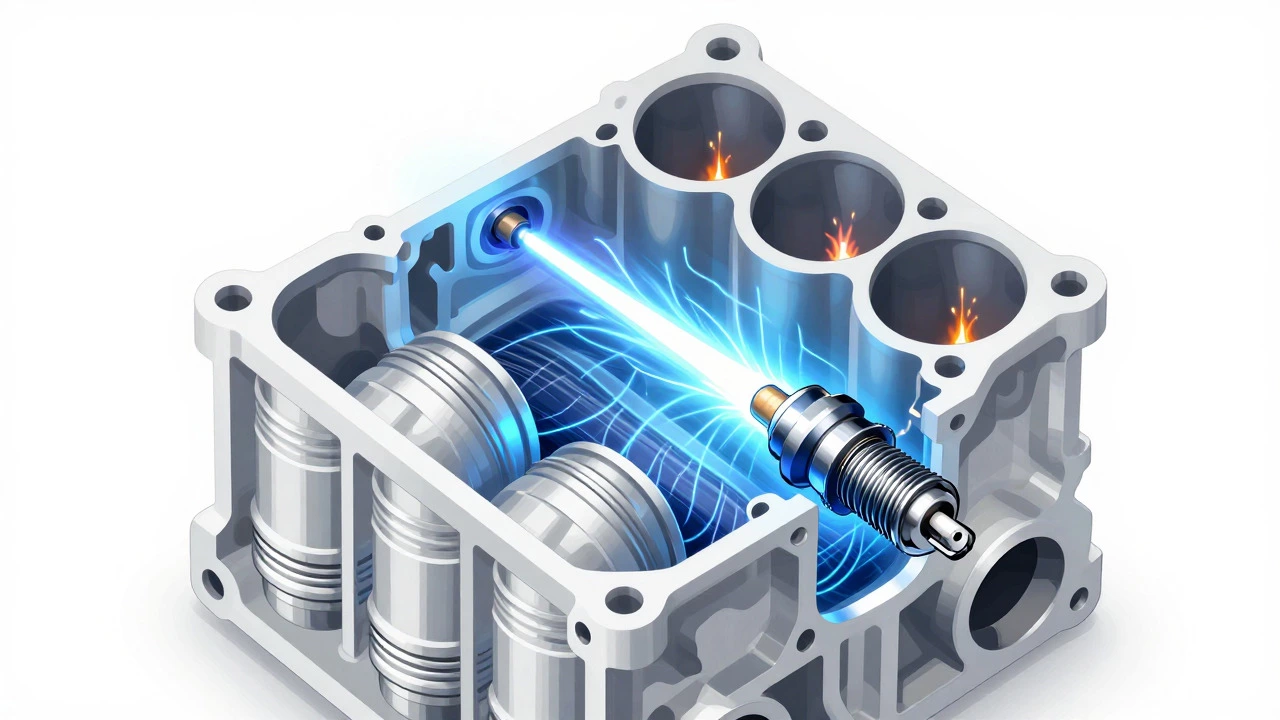
To understand why new spark plugs matter, you first need to know what they do inside your engine. A spark plug is a device that delivers an electric spark to ignite the compressed air-fuel mixture in an engine's combustion chamber. Without this spark, the fuel wouldn’t burn, and the pistons wouldn’t move. Simple as that.
Inside every spark plug, there are two electrodes separated by a small gap. High voltage from the ignition coil jumps across this gap, creating a spark. This spark must be strong enough to ignite the mixture quickly and completely. Over time, the electrodes erode due to thousands of explosions per minute. The gap widens, the spark weakens, and eventually, the plug fails to fire consistently.
Think of it like a lighter. When it’s new, the flame is bright and instant. As it wears out, you have to click it multiple times before it catches. Your engine experiences the same thing-just at a much higher frequency. If the spark is weak, the fuel doesn’t burn efficiently, leading to power loss, rough idling, and increased emissions.
Signs Your Spark Plugs Need Replacement
You don’t need to be a mechanic to tell when your spark plugs are struggling. There are clear symptoms that point directly to ignition issues. Ignoring these signs can lead to bigger problems down the line, including damage to the catalytic converter or complete engine misfires.
- Rough Idling: If your car shakes or vibrates while stopped at a red light, one or more cylinders may not be firing properly.
- Poor Acceleration: Feeling like your car is “dragging” its feet when you press the gas pedal? Weak sparks mean incomplete combustion, which equals less power.
- Engine Misfires: You’ll feel a sudden jerk or stutter during acceleration. In severe cases, the check engine light will flash, indicating active misfiring.
- Difficulty Starting: Cold starts become harder because the weakened spark struggles to ignite the fuel-air mix in low temperatures.
- Increased Fuel Consumption: If your mileage drops noticeably without any change in driving habits, inefficient burning caused by old spark plugs could be the culprit.
If you’re experiencing any of these issues, replacing your spark plugs is likely the most cost-effective fix available. Before spending hundreds on diagnostics for sensors or injectors, always check the basics first.
Performance Benefits of New Spark Plugs
So, will your car run better with new spark plugs? Absolutely-if your old ones were worn. Here’s what you can expect after installing fresh plugs:
Smoother Engine Operation: With precise, consistent sparks, each cylinder fires evenly. This eliminates hesitation and vibration, giving your drive a refined, quiet feel. Many drivers report their cars sound “tighter” after a plug change.
Better Fuel Economy: Efficient combustion means less wasted fuel. Studies show that properly functioning spark plugs can improve fuel efficiency by up to 3%. While it sounds small, over 10,000 miles a year, that adds up to significant savings at the pump.
Improved Acceleration: Stronger sparks lead to faster flame propagation in the combustion chamber. This translates to quicker throttle response and snappier acceleration, especially noticeable when merging onto highways or passing slower vehicles.
Easier Starts: Whether it’s winter chill or summer humidity, new plugs ensure reliable ignition under all conditions. No more cranking for seconds waiting for the engine to catch.
These benefits aren’t just theoretical-they’re measurable. Mechanics routinely see immediate improvements in idle stability and drivability after replacing aged spark plugs.

Types of Spark Plugs: Which One Is Right for You?
Not all spark plugs are created equal. Choosing the right type depends on your vehicle’s specifications and your driving needs. Using the wrong kind can reduce performance or even cause engine damage.
| Type | Lifespan | Performance | Cost | Best For |
|---|---|---|---|---|
| Copper | 20,000-30,000 miles | Good conductivity, moderate heat range | Low ($) | Older vehicles, budget-conscious owners |
| Platinum | 60,000-100,000 miles | Better durability, stable spark | Moderate ($$) | Most modern cars, long-term reliability |
| Iridium | 80,000-100,000+ miles | Superior precision, high resistance to erosion | High ($$$) | High-performance engines, turbocharged models |
| Dual Platinum | 60,000-90,000 miles | Enhanced longevity, balanced performance | Moderate-High ($$$) | Vehicles requiring extended service intervals |
Copper plugs are affordable but wear out quickly. They’re suitable for older cars where frequent replacements are expected. Platinum and iridium plugs last significantly longer and maintain tighter gaps, ensuring consistent performance over time. Iridium plugs, in particular, feature a fine-wire center electrode that allows for smaller gaps and more efficient sparking-even under high compression.
Always consult your owner’s manual or use a reputable parts database to find the correct plug type for your specific engine model. Installing the wrong heat range or thread size can lead to pre-ignition or poor sealing.
When Not to Replace Spark Plugs Prematurely
While new spark plugs offer real benefits, swapping them too early isn’t always necessary-or wise. Modern platinum and iridium plugs are designed to last well beyond 50,000 miles. Replacing them unnecessarily wastes money and increases environmental waste.
Here’s how to decide whether replacement is truly needed:
- Check Mileage: If your last plug change was under 40,000 miles and you’re using long-life plugs, hold off unless symptoms appear.
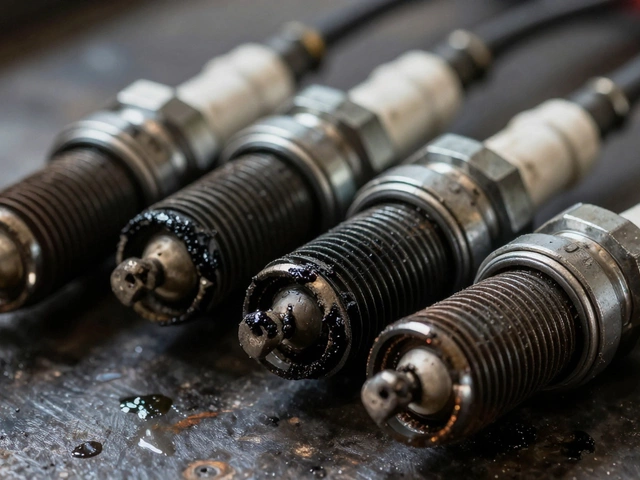
- Inspect Visually: Remove one plug and examine the electrode. Look for excessive wear, carbon buildup, or oil contamination. Clean deposits don’t necessarily mean failure, but cracked insulators or severely eroded tips do.
- Use Diagnostic Tools: An OBD-II scanner can detect misfire codes (P0300-P0308) pointing directly to cylinder-specific ignition faults.
- Consider Driving Conditions: Short trips, stop-and-go traffic, and dusty environments accelerate plug degradation. Drivers in harsh conditions may need earlier replacements.
Don’t fall into the trap of thinking “newer is always better.” Stick to manufacturer-recommended intervals unless evidence suggests otherwise.
Common Myths About Spark Plugs
Misinformation abounds when it comes to spark plugs. Let’s clear up some persistent myths so you can make informed decisions.
Myth #1: Performance Plugs Make Stock Engines Faster
Aftermarket “performance” spark plugs claim to boost horsepower. In reality, stock engines are tuned for standard plugs. Unless you’ve modified your intake, exhaust, or ECU, exotic plugs won’t add measurable power. Save your money.
Myth #2: All Spark Plugs Are Interchangeable
They’re not. Heat range, reach, thread diameter, and seat type vary widely between engines. Putting a diesel-style plug in a gasoline engine will result in disaster. Always match OEM specifications.
Myth #3: Cleaning Old Plugs Restores Performance Cleaning removes surface deposits but doesn’t restore electrode geometry or gap integrity. Once the metal erodes, cleaning won’t bring back optimal function. Replacement is the only true solution.
How Often Should You Change Spark Plugs?
The frequency of replacement depends entirely on plug material and vehicle design. Here’s a general guideline based on industry standards:
- Copper Plugs: Every 20,000-30,000 miles
- Single Platinum Plugs: Every 60,000 miles
- Dual Platinum & Iridium Plugs: Every 80,000-100,000 miles
However, these numbers assume normal driving conditions. Aggressive driving, frequent towing, or operating in extreme climates can shorten lifespan. Keep a log of maintenance dates and mileage to stay ahead of potential failures.
Also note that direct injection engines (GDI) place additional stress on spark plugs due to higher combustion pressures. These engines often require specialized plugs and stricter adherence to service schedules.
DIY vs Professional Installation
Replacing spark plugs is one of those tasks that sits squarely in the middle ground of DIY feasibility. It’s not overly complex, but mistakes can be costly.
If you choose to do it yourself, here’s what you’ll need:
- A socket set with a spark plug socket (usually 5/8" or 16mm)
- An extension bar and ratchet
- A torque wrench (critical for proper tightening)
- Dielectric grease (to prevent corrosion on boots)
- A gap tool (if adjusting manually)
Key steps include removing ignition coils carefully, extracting old plugs without dropping debris into cylinders, checking gaps against specs, and torquing new plugs to exact manufacturer values. Over-tightening can strip threads; under-tightening causes leaks.
For beginners, professional installation ensures correctness and peace of mind. Most shops charge $50-$150 for labor depending on accessibility. Hidden costs arise if plugs seize in aluminum heads-a common issue in neglected engines.
Can bad spark plugs damage my engine?
Yes, severely worn spark plugs can cause unburned fuel to enter the exhaust system, potentially damaging the catalytic converter. Persistent misfires may also wash away lubricating oil from cylinder walls, increasing wear on pistons and rings.
Do I need to replace all spark plugs at once?
It’s highly recommended. Mixing old and new plugs creates uneven combustion across cylinders, reducing efficiency and causing vibrations. Since labor costs dominate the expense, replacing all saves time and money long-term.
Will new spark plugs fix a check engine light?
Only if the code relates to misfires (P0300 series) or ignition circuit faults. Other codes involving oxygen sensors, mass airflow meters, or fuel trims require different diagnoses. Always read codes before assuming plug-related issues.
How much do spark plugs cost?
Prices range from $2-$5 per copper plug to $15-$30 per iridium plug. A full set for a four-cylinder engine typically costs $20-$120 depending on brand and type. Premium brands like NGK, Denso, and Bosch offer proven reliability.
Is it safe to drive with worn spark plugs?
Short distances are usually fine, but prolonged operation risks further damage. Reduced power, higher emissions, and increased fuel consumption make continued driving economically and environmentally unsound. Address symptoms promptly.