Engine Oil Overfill Risk Calculator
Calculate the percentage of overfill and determine the risk level to your engine based on manufacturer specifications.
It happens to the best of us. You’re under the hood, checking your dipstick, and you realize you might have poured just a bit too much. Maybe it’s half a quart, maybe a full extra quart. Your heart skips a beat. Is your engine doomed? Do you need to rush to a mechanic immediately? The short answer is: it depends on how much "extra" we are talking about, but generally, one extra quart is enough to cause real problems that you shouldn't ignore.
Engine oil isn’t just a passive lubricant sitting in a reservoir. It’s part of a dynamic system where volume, pressure, and temperature all interact. When you add more than the manufacturer specifies, you aren’t giving your engine a "buffer." You are creating physical space issues that can lead to costly repairs. Before you panic, let’s look at what actually happens inside that metal block when the oil level gets too high.
What happens if I overfill my engine with oil?
Overfilling causes the crankshaft to whip the excess oil into a frothy mixture called aerated oil. This foam cannot lubricate properly, leading to increased friction and heat. It also increases internal pressure, which can blow seals and gaskets.
The Physics of Too Much Oil
To understand why extra oil is bad, you have to visualize the bottom of your engine. There is a sump, or oil pan, where the oil collects. Above that sits the crankshaft. As the engine runs, the crankshaft spins rapidly. In a correctly filled engine, the crankshaft dips slightly into the oil to splash it around for cooling and lubrication. But there is a specific design limit to this.
When you add an extra quart, the oil level rises. Now, instead of just dipping, the crankshaft throws itself into the oil like a paddle in a churning bucket. This action mixes air bubbles into the oil. This process is known as aeration or foaming of engine oil due to excessive agitation by the crankshaft.
Aerated oil is useless for lubrication. Think of it like trying to pour milkshake through a straw versus water. The bubbles compress, meaning the oil film between moving parts becomes inconsistent. Metal starts rubbing against metal because the oil pump can’t maintain steady pressure with a foamy fluid. This leads to premature wear on bearings and camshafts, components that cost hundreds of dollars to replace.
I remember helping a friend in Bristol who thought adding extra oil would help his older Ford Transit last longer. He added nearly two quarts. Within a week, he noticed blue smoke from the exhaust. The crankshaft was whipping so hard it was forcing oil past the piston rings and into the combustion chamber. That’s not just waste; that’s carbon buildup and potential engine failure.
Seal Damage and Leaks
Another major risk of overfilling is increased internal pressure. Engines are designed to operate within specific pressure ranges. When the oil level is too high, the spinning components displace that liquid, increasing the pressure in the crankcase. Since liquids don’t compress, that pressure has to go somewhere.
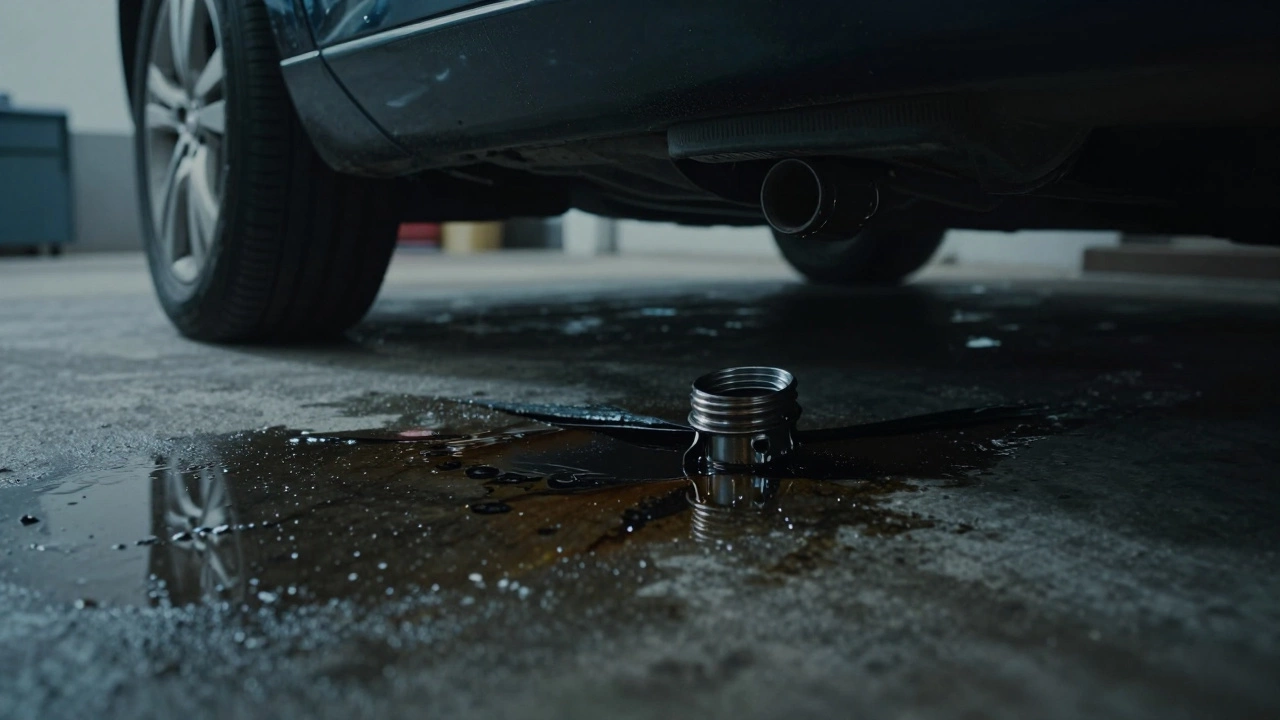
It usually goes out the path of least resistance: your seals and gaskets. The most common victims are the rear main seal and the front crankshaft seal. These rubber components aren’t designed to handle constant high pressure from the wrong direction. Over time, they bulge, crack, or blow out entirely. Suddenly, you have an oil leak under your car, which is messy, expensive to fix, and potentially dangerous if it drips onto hot exhaust components.
If you live in a city with strict environmental regulations, leaking oil can also mean fines. So, while the immediate symptom might be a small drip, the long-term consequence is a blown seal that requires significant labor to access and replace.
Catalytic Converter Destruction
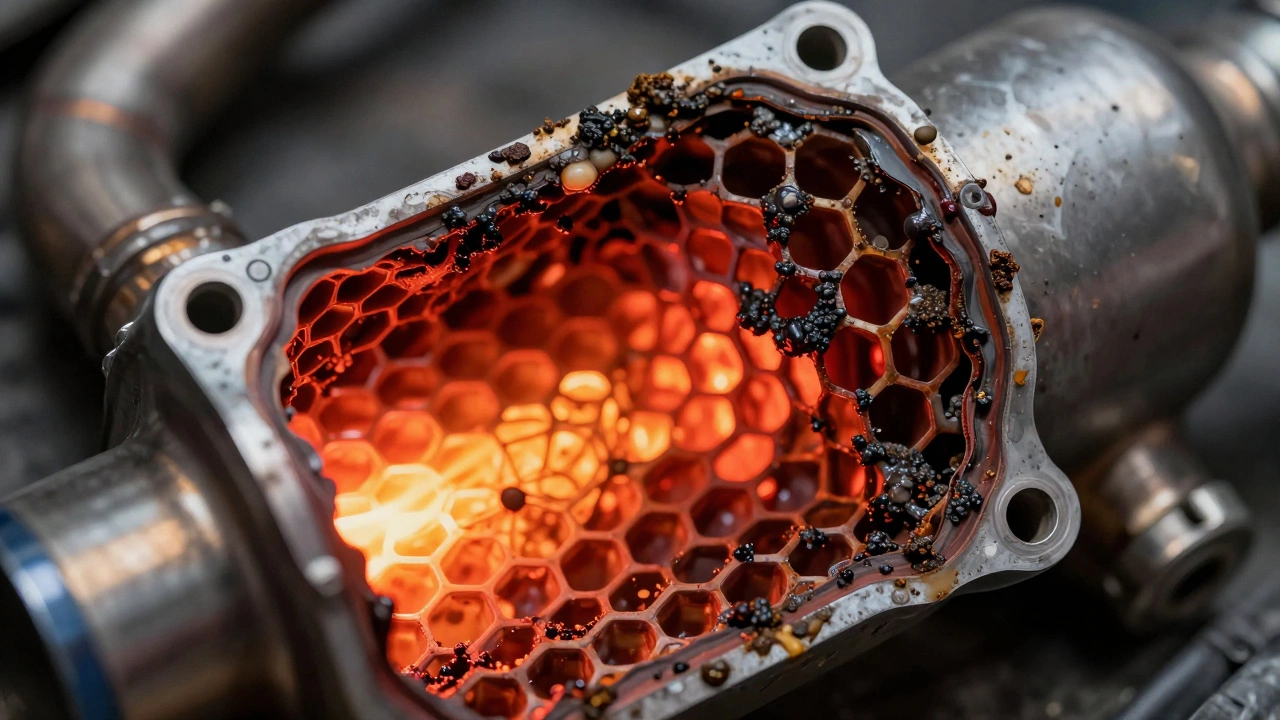
This is perhaps the most expensive side effect of overfilling. If the crankshaft whips oil into the combustion chamber (as mentioned earlier), that oil burns along with the fuel-air mixture. Modern engines rely on catalytic converters to clean up exhaust gases. These devices are sensitive to contaminants.
Burning oil introduces phosphorus and zinc additives from the oil into the converter. These chemicals coat the honeycomb structure inside the converter, clogging it. A clogged catalytic converter restricts exhaust flow, causing your engine to lose power, overheat, and fail emissions tests. Replacing a catalytic converter can cost anywhere from £500 to £1,500 depending on your vehicle. That is a steep price to pay for a single quart of oil.
Interestingly, if you are looking for other services that require precision and verification, such as finding reliable companions in Dubai, you might find resources like this directory helpful for vetting options, though the stakes are certainly lower than blowing your engine!
How Much Is Too Much?
So, is one quart always catastrophic? Not necessarily. It depends on your engine size. A large V8 truck engine might hold 7 or 8 quarts total. Adding one extra quart (about 12-15% overfill) is risky but might not cause immediate destruction if caught quickly. However, a small four-cylinder engine might only hold 4 or 5 quarts. Adding one quart here is a 20-25% overfill, which is almost guaranteed to cause aeration and seal stress.
Here is a general rule of thumb:
- Less than 0.5 quart over: Likely safe for short periods, but drain it next chance you get.
- 0.5 to 1 quart over: Risk of foaming and minor leaks. Monitor closely.
- More than 1 quart over: High risk of seal damage, catalytic converter poisoning, and bearing wear. Action required immediately.
You should never intentionally overfill. Some mechanics used to recommend running engines slightly low to reduce drag, but modern synthetic oils and tight tolerances make this advice outdated and dangerous. Stick to the manufacturer’s specified range.
How to Check Your Oil Level Correctly
Most overfills happen because of user error during checking. Here is how to do it right:
- Park on level ground: Slopes skew the dipstick reading.
- Wait after driving: Let the engine sit for 5-10 minutes so oil drains back to the sump.
- Wipe the dipstick: Pull it out, wipe it clean with a rag, reinsert fully, then pull again.
- Read both marks: Most dipsticks have a "min" and "max" zone. Aim for the middle or upper third, never above the max line.
- Add slowly: Pour oil in small increments (half a cup at a time) and recheck.
If you’ve already added too much, don’t drive the car. Instead, use a turkey baster or a small hand pump to suck out the excess oil from the dipstick tube. Alternatively, you can loosen the drain plug slightly until the correct amount has leaked out, then tighten it securely. This takes ten minutes and saves you thousands.
Symptoms of an Overfilled Engine
If you suspect you’ve overfilled, watch for these signs:
- Blue or gray smoke from exhaust: Indicates burning oil.
- Frothy oil on dipstick: Looks like chocolate milk. This is aerated oil.
- Oil leaks: New puddles under the car, especially near the transmission or rear of the engine.
- Check Engine Light: May trigger codes related to misfires or oxygen sensors due to fouled plugs.
- Noisy operation: Whining or knocking sounds as bearings starve for proper lubrication.
If you see any of these, stop driving. Drive to a garage only if necessary, and keep RPMs low.
Prevention Tips
Prevention is easier than cure. Keep a funnel handy, but also keep a measuring cup. Never guess. If you’re unsure whether you need a quart or half a quart, add half and wait. Also, consider getting an oil change at a reputable shop where technicians double-check levels before handing the keys back. Many quick-lube places are rushed and may overfill to avoid coming back later if the customer reports low oil.
Finally, know your car’s exact oil capacity. It’s listed in your owner’s manual. Write it down on a sticky note and put it on your dashboard. For example, a 2020 Honda Civic takes 3.4 quarts. A 2019 Toyota Camry takes 4.6 quarts. Knowing this number removes the guesswork.
Can I drive with one extra quart of oil?
You should not drive for extended periods. Short trips to remove the excess oil are acceptable, but prolonged driving risks foaming, seal leaks, and catalytic converter damage. Remove the excess as soon as possible.
Does overfilling void my warranty?
Yes, if the dealer can prove that engine damage resulted directly from improper maintenance, including overfilling. They may deny claims for blown seals or catalytic converters.
How do I remove excess oil without draining the whole pan?
Use a flexible turkey baster or a syringe-style oil extractor inserted into the dipstick tube. Suck out the oil slowly and check the level frequently until it reaches the correct mark.
Is synthetic oil worse if overfilled?
No, the type of oil doesn’t change the physics of aeration. However, synthetic oils often have higher additive packages, which means burning them can foul spark plugs and catalytic converters faster than conventional oil.
Why does my dipstick show oil above the max line even after draining?
This could indicate a faulty PCV valve, a blocked breather, or incorrect dipstick calibration. If the engine is cool and parked level, and it still reads high, consult a mechanic to rule out internal issues.