Engine Oil Freshness Checker
Answer the questions below to get a recommendation on whether your oil is safe to use.
You bought that premium synthetic engine oil is a high-performance lubricant designed to protect engines under extreme conditions and last longer than conventional options on sale six months ago, but you never got around to changing your oil. Now it’s sitting in the garage, gathering dust. You might be wondering if it has gone bad. The short answer is yes, but not as quickly as milk or meat. Motor oil doesn’t spoil in the traditional sense of rotting, but its chemical composition degrades over time, losing the very properties that make it effective for your engine.
Using old, degraded oil can lead to increased wear, poor lubrication, and even engine damage. Understanding how long oil lasts in the bottle-and how to store it properly-can save you money and keep your vehicle running smoothly. Let’s break down what actually happens to unused oil, how to tell if yours is still good, and the best practices for storage.
The Science Behind Oil Degradation
To understand why oil goes bad, you need to look at what’s inside the bottle. Engine oil isn’t just a single substance; it’s a complex mixture of base oils and additives. Base oils provide the primary lubrication, while additives handle everything else: preventing sludge, neutralizing acids, reducing friction, and protecting against corrosion.
Over time, these additives begin to break down due to oxidation. Oxidation occurs when the oil reacts with oxygen in the air, especially if the container isn’t sealed perfectly. This reaction causes the oil to thicken and form varnish-like deposits. Think of it like cutting an apple-the exposed surface turns brown because of oxygen exposure. Similarly, oil left open to air starts to lose its stability.
Moisture is another enemy. Even in a seemingly dry garage, humidity fluctuates. Condensation can form inside the bottle, introducing water into the oil. Water and oil don’t mix well, and moisture can cause rust inside your engine components or lead to emulsification, where the oil loses its ability to lubricate effectively. In cold climates, this trapped moisture can freeze, expanding and potentially cracking seals or causing further internal issues when the engine warms up.
Additionally, some additives are volatile. They evaporate slowly over time, meaning the older the oil sits, the less protective power it retains. This is particularly true for anti-wear agents and detergents that keep your engine clean. Once they degrade, the oil becomes little more than a thin film that won’t protect moving parts under stress.
How Long Does Unused Engine Oil Last?
The shelf life of engine oil depends heavily on its type. Generally, manufacturers recommend using oil within two to five years of purchase, but this varies significantly between conventional, synthetic blend, and full synthetic oils.
| Oil Type | Typical Shelf Life (Unopened) | Key Factors Affecting Longevity |
|---|---|---|
| Conventional Oil | 2-3 years | Higher susceptibility to oxidation; fewer stabilizers |
| Synthetic Blend | 3-4 years | Better resistance to heat and oxidation than conventional |
| Full Synthetic Oil | 5+ years | Highly refined base stocks; robust additive packages |
Most major brands, such as Mobil, Castrol, and Valvoline, state that their unopened bottles have a shelf life of about two to five years. However, this is under ideal storage conditions. If the bottle was stored in a hot shed during summer or a freezing unheated garage in winter, that lifespan shrinks considerably. Heat accelerates chemical breakdown, while extreme cold can cause certain additives to separate prematurely.
It’s also worth noting that many oil containers don’t have explicit expiration dates printed on them. Instead, they often include a manufacturing date code. If you can’t find one, assume the worst-case scenario based on how long you’ve had it. If you bought it three years ago and it’s been sitting in a temperature-controlled environment, it’s likely still usable-but check for signs of degradation first.
Signs Your Unused Oil Has Gone Bad
Before pouring old oil into your engine, take a moment to inspect it. Here are the key indicators that your oil has passed its prime:
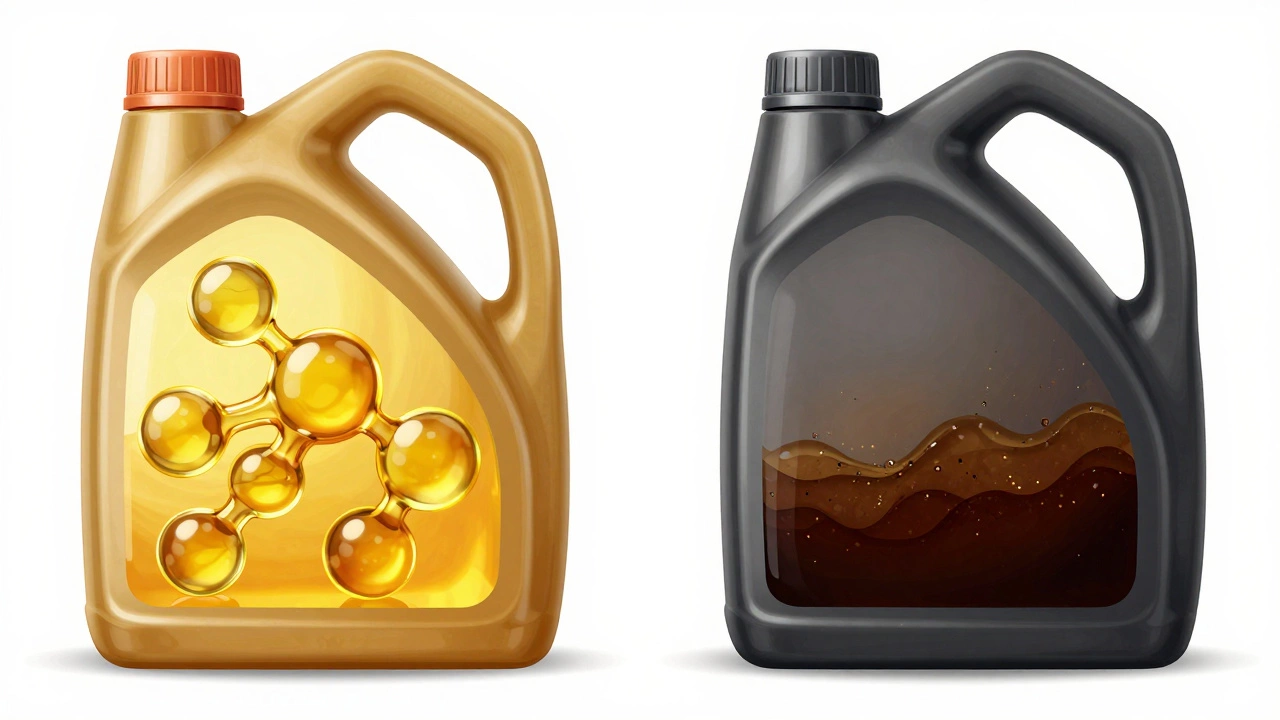
- Separation: Shake the bottle gently. Fresh oil should appear uniform in color and consistency. If you see distinct layers, cloudiness, or particles settling at the bottom, the additives have broken down or separated. This is a clear sign the oil is no longer effective.
- Smell: New oil has a mild, slightly sweet petroleum scent. Old, oxidized oil often smells sour, rancid, or sharply chemical. If it gives you pause, trust your nose-it’s probably too far gone.
- Viscosity Changes: Pour a small amount onto a white paper towel. Compare its flow to fresh oil. If it looks unusually thick, gel-like, or conversely, watery and thin, the molecular structure has changed. Either way, it won’t lubricate properly.
- Water Contamination: Look for droplets or a milky appearance. Water mixing with oil creates an emulsion that compromises lubrication and promotes rust. If you suspect moisture intrusion, discard the oil immediately.
- Sludge or Particles: Any visible debris, flakes, or dark sediment indicates contamination or severe additive breakdown. Never use oil with particulate matter-it can clog filters and abrade engine surfaces.
If any of these signs are present, do not use the oil. The cost of a new bottle is far less than the potential repair bill from engine wear or failure.
Best Practices for Storing Engine Oil
Proper storage extends the life of your oil significantly. Follow these guidelines to ensure your oil remains viable until you’re ready to use it:
- Keep It Cool and Dry: Store oil in a location with stable temperatures, ideally between 40°F and 80°F (4°C to 27°C). Avoid garages that experience extreme seasonal swings unless they’re insulated. Moisture control is equally important-use a dehumidifier if necessary.
- Seal Tightly: Always replace the cap securely after each use. Even a slightly loose lid allows air and moisture to enter. For extra protection, wrap the cap with plastic wrap before screwing it on.
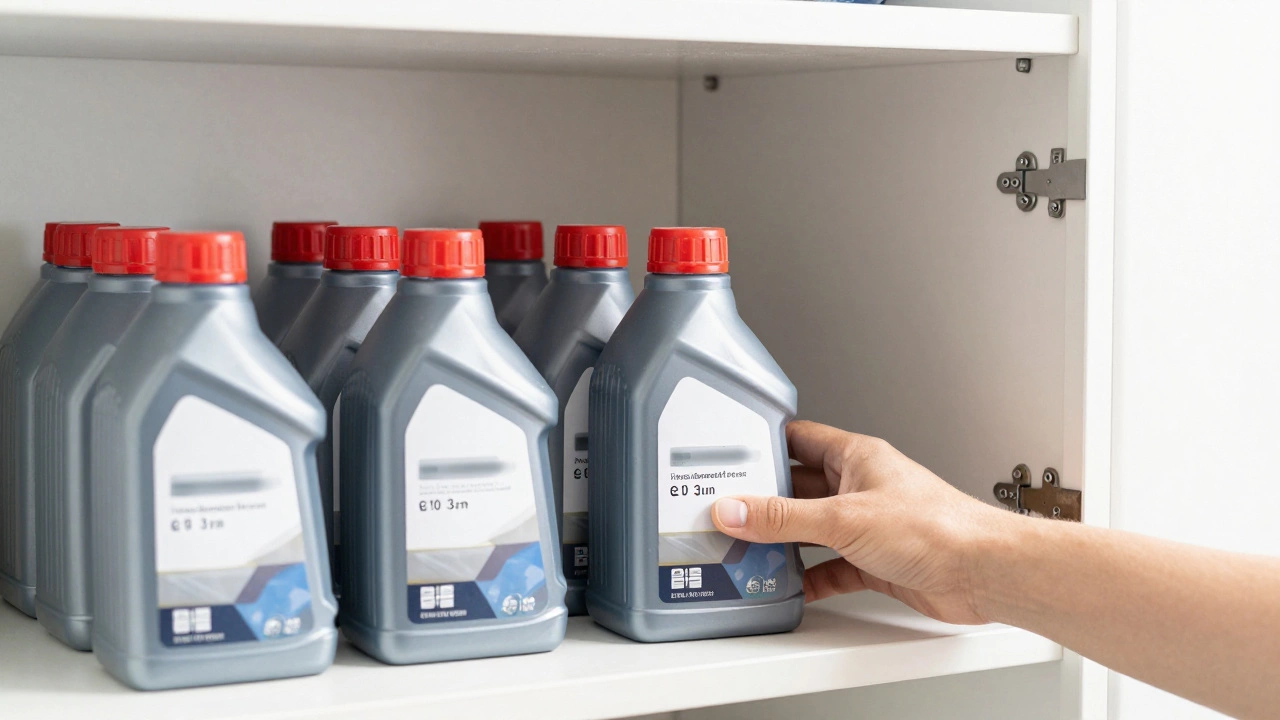
- Avoid Direct Sunlight: UV rays accelerate oxidation. Keep bottles out of direct light, preferably in a cabinet or on a shelf away from windows.
- Store Upright: Keep bottles standing straight to prevent leaks and minimize surface area exposed to air inside the container.
- Label With Date: Write the purchase date on the bottle with a permanent marker. This helps you track age and prioritize older stock when doing maintenance.
If you live in a region with harsh winters, consider bringing oil indoors during the coldest months. While modern oils are formulated to withstand low temperatures, prolonged freezing can still affect additive stability. Conversely, in hot climates, avoid storing oil near heat sources like furnaces or water heaters.
Synthetic vs. Conventional: Which Lasts Longer Off the Shelf?
One common question is whether synthetic oil holds up better in storage than conventional oil. The answer is generally yes. Synthetic oils are engineered with uniform molecules and advanced additive packages that resist oxidation and thermal breakdown more effectively than conventional oils derived from crude petroleum.
Conventional oils contain more impurities and natural variations, making them more prone to sludge formation and additive depletion over time. While both types degrade eventually, synthetic oil tends to maintain its integrity longer, especially in variable storage conditions. That said, neither type is immune to oxidation if left open to air or subjected to extreme temperatures.
This advantage makes synthetic oil a better choice for vehicles that sit for extended periods, such as classic cars, boats, or motorcycles used seasonally. For everyday drivers who change oil regularly, the difference in shelf life matters less, but proper storage still applies.
What Happens If You Use Expired Oil?
Using degraded oil doesn’t always result in immediate engine failure, but it increases risk. Over time, the reduced lubricating capability leads to higher friction between moving parts. This causes accelerated wear on pistons, camshafts, bearings, and cylinder walls. In severe cases, metal-on-metal contact can occur, leading to scoring, overheating, or catastrophic failure.
Moreover, expired oil may fail to neutralize acidic byproducts from combustion. These acids corrode internal components, including valve guides and timing chains. Sludge buildup from broken-down additives can block oil passages, starving critical areas of lubrication. Modern engines operate with tighter tolerances than older models, making them more sensitive to poor-quality oil.
If you accidentally used questionable oil, monitor your engine closely. Check for unusual noises, warning lights, or drops in fuel efficiency. Consider an early oil change with fresh, high-quality oil and a new filter to flush out contaminants. Regular maintenance intervals become even more crucial after such incidents.
Disposal and Environmental Responsibility
When discarding old oil, never pour it down drains, into soil, or in household trash. One quart of contaminated oil can pollute up to one million gallons of water. Instead, take it to a recycling center, auto shop, or service station that accepts used oil. Many retailers offer free disposal services.
In Bristol and across the UK, local councils often provide designated drop-off points for hazardous waste, including motor oil. Always transport oil in its original sealed container to prevent spills. Clean up any leaks immediately with absorbent materials like cat litter or sand, then dispose of those materials according to local regulations.
Recycling oil reduces environmental impact and conserves resources. Reclaimed oil can be re-refined into new lubricants or other industrial products. Responsible disposal protects ecosystems and ensures compliance with environmental laws.
Can I use engine oil that is 5 years old?
It depends on storage conditions and oil type. Full synthetic oil stored in a cool, dry place may still be usable after 5 years, but you must inspect it for separation, smell, and viscosity changes. Conventional oil is unlikely to remain effective beyond 3 years. When in doubt, replace it to avoid engine damage.
Does opening the bottle reduce shelf life?
Yes. Once opened, oil is exposed to air and moisture, accelerating oxidation. Try to use opened oil within 6-12 months. Seal the cap tightly after each use and store in a controlled environment to maximize remaining life.
Is there an expiration date printed on oil bottles?
Most manufacturers do not print expiration dates. Instead, look for a batch code or manufacturing date. If unavailable, estimate age based on purchase date and apply conservative shelf-life guidelines (2-5 years depending on type).
Can freezing ruin engine oil?
Freezing alone rarely ruins oil, but repeated freeze-thaw cycles can cause additive separation and introduce condensation. Thaw frozen oil gradually at room temperature and shake well before use. Discard if cloudy or layered.
How do I safely dispose of old engine oil in the UK?
Take unused or used oil to a licensed recycling facility, auto repair shop, or supermarket collection point. Do not pour it down drains or bury it. Transport in sealed containers to prevent spills. Local council websites list approved drop-off locations.