Oil Change Interval Calculator
Your Vehicle Details
Recommended Interval
Miles Between Changes
That little yellow triangle on your dashboard isn’t just a suggestion; it’s a warning. For years, we were told the golden rule of car maintenance: change your oil every 3,000 miles. It was simple, easy to remember, and profitable for quick-lube shops. But in 2026, that advice is dangerously outdated. Ignoring modern engine technology can lead to premature wear, costly repairs, and even total engine failure. So, how often should you actually change your oil?
The short answer is: it depends on your car, your driving habits, and the type of oil you use. Most modern vehicles running on synthetic oil can go anywhere from 7,500 to 10,000 miles between changes. However, if you’re stuck in stop-and-go traffic or towing heavy loads, that number drops significantly. Let’s break down exactly what determines your interval and how to keep your engine running smoothly without wasting money on unnecessary services.
Why the Old 3,000-Mile Rule Is Dead
To understand where we are now, we have to look at where we’ve been. In the 1980s and 90s, engines were less precise, and conventional petroleum-based oils broke down quickly under heat and stress. Manufacturers recommended 3,000-mile intervals because that’s when the oil would lose its protective properties. Today, engineering has advanced dramatically. Modern engines have tighter tolerances, better sealing, and improved combustion efficiency. More importantly, the chemistry of lubricants has evolved.
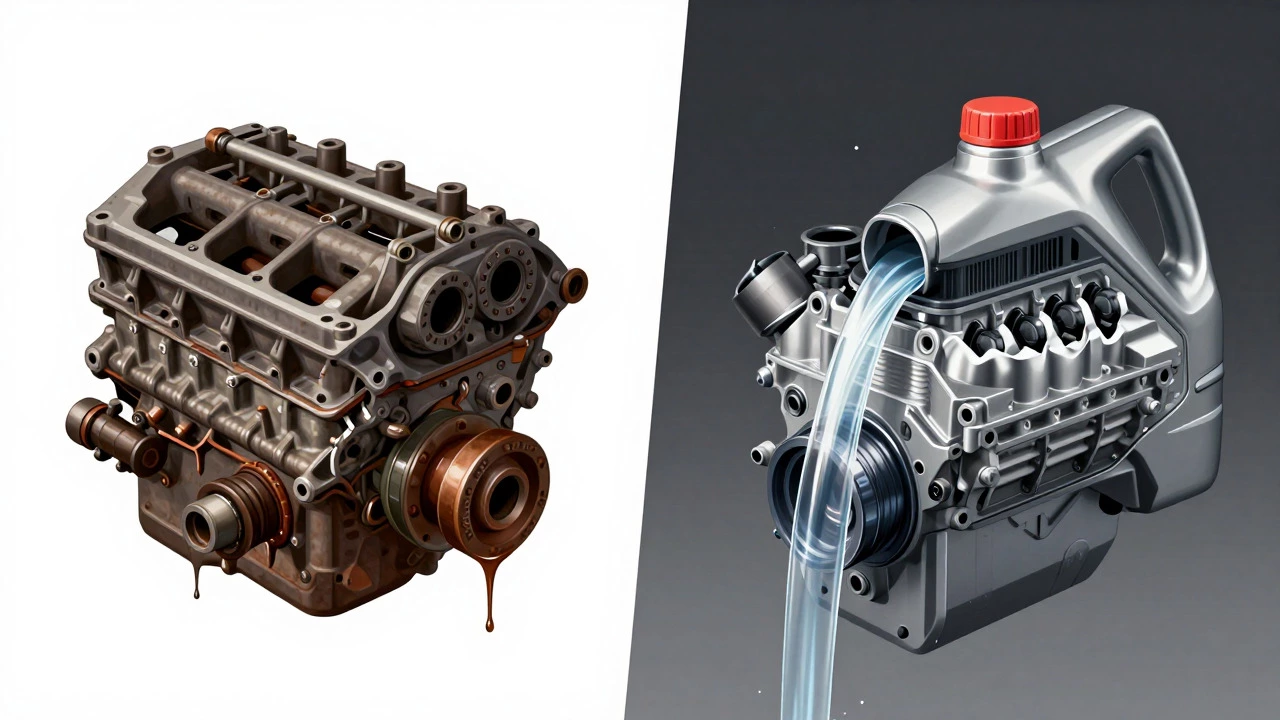
Synthetic motor oil is engineered from chemical compounds rather than refined crude oil, providing superior resistance to thermal breakdown and sludge formation. Unlike conventional oil, which contains impurities that degrade over time, synthetic oil maintains its viscosity and protective film much longer. This shift allowed manufacturers to extend service intervals safely. Sticking to the old 3,000-mile rule today is like using a rotary phone in the age of smartphones-it works, but you’re missing out on decades of improvement.
Decoding Your Owner’s Manual
Your vehicle’s owner’s manual is the ultimate authority on maintenance schedules. It’s not marketing fluff; it’s based on thousands of hours of testing specific to your engine design. Look for the "Maintenance Schedule" section. You’ll likely see two different sets of recommendations: "Normal Service" and "Severe Service."
- Normal Service: Applies if you mostly drive on highways, make trips longer than five miles, and live in a moderate climate. Intervals here can range from 7,500 to 10,000 miles for many sedans and SUVs.
- Severe Service: Applies if you frequently tow trailers, drive in extreme heat or cold, navigate heavy city traffic, or take many short trips (under five miles). Under these conditions, you might need to change your oil every 5,000 miles or even more frequently.
Don’t guess. If your manual says 10,000 miles, trust it-unless you fall into the severe category. Many drivers ignore the manual because they assume "more frequent is always better," but this isn’t true. Changing oil too often wastes resources and money without adding significant benefit to an engine designed for longer intervals.
Synthetic vs. Conventional: Does It Matter?
The type of oil you use is the biggest variable in determining change frequency. Here’s a quick comparison to help you decide:
| Oil Type | Typical Interval | Best For | Cost Factor |
|---|---|---|---|
| Conventional | 3,000 - 5,000 miles | Older cars, budget-conscious owners | $ |
| Synthetic Blend | 5,000 - 7,500 miles | Moderate performance needs, mixed driving | $$ |
| Full Synthetic | 7,500 - 10,000+ miles | Modern engines, extreme temperatures, high performance | $$$ |
| High Mileage Synthetic | 7,500 - 10,000 miles | Vehicles with over 75,000 miles | $$$ |
If your car requires full synthetic, don’t switch to conventional just to save a few quid. Using the wrong oil can void your warranty and cause increased friction and wear. Synthetic oil flows better in cold starts and resists thinning in high heat, protecting critical components like camshafts and pistons.
The Truth About Dashboard Warning Lights
Many modern cars feature an Oil Life Monitor System. This isn’t just a mileage counter; it’s a sophisticated algorithm that tracks engine temperature, RPM, ambient temperature, and driving patterns to calculate real-time oil degradation. When the light comes on, it means the oil has reached the end of its useful life, regardless of how many miles you’ve driven.
However, these systems aren’t perfect. They can sometimes be overly optimistic, especially if you don’t reset them after each change. Always cross-reference the monitor with your odometer. If the system says 10% life remaining but you’re only at 4,000 miles, check your driving conditions. If you’ve been doing lots of short trips, err on the side of caution and change it early.
Driving Conditions That Shorten Oil Life
Your daily routine plays a huge role in how fast your oil breaks down. Consider these common scenarios:
- Short Trips: Engines never reach optimal operating temperature. Moisture and fuel dilute the oil, leading to sludge buildup. If most of your drives are under 10 minutes, reduce your interval by 25%.
- Extreme Temperatures: Bristol’s rainy weather might seem mild, but extreme heat accelerates oxidation, while extreme cold makes oil thicker and harder to circulate. Both stress the lubricant.
- Towing and Hauling: Extra weight increases engine load and heat. This causes faster additive depletion. If you tow regularly, stick to severe service intervals.
- Dusty or Sandy Roads: Air filters catch most particles, but some get through. Contaminated oil loses its cleaning ability and becomes abrasive.
If any of these apply to you, don’t wait for the maximum interval. Adjust accordingly. Better safe than sorry when it comes to engine health.
Don’t Forget the Oil Filter
An oil change isn’t complete without replacing the oil filter. The filter traps metal shavings, dirt, and carbon deposits that circulate through your engine. Over time, it clogs up. If you skip the filter, you’re pouring fresh, clean oil through a dirty straw. This defeats the purpose of the change entirely.
Always replace the filter with every oil change. Use a quality brand that meets your manufacturer’s specifications. Cheap filters may lack proper bypass valves or filtration media, leading to reduced flow or contamination. It’s a small cost compared to the risk of engine damage.
Signs You Need an Oil Change Sooner
Even if you’re tracking miles, watch for these physical signs that your oil is failing:
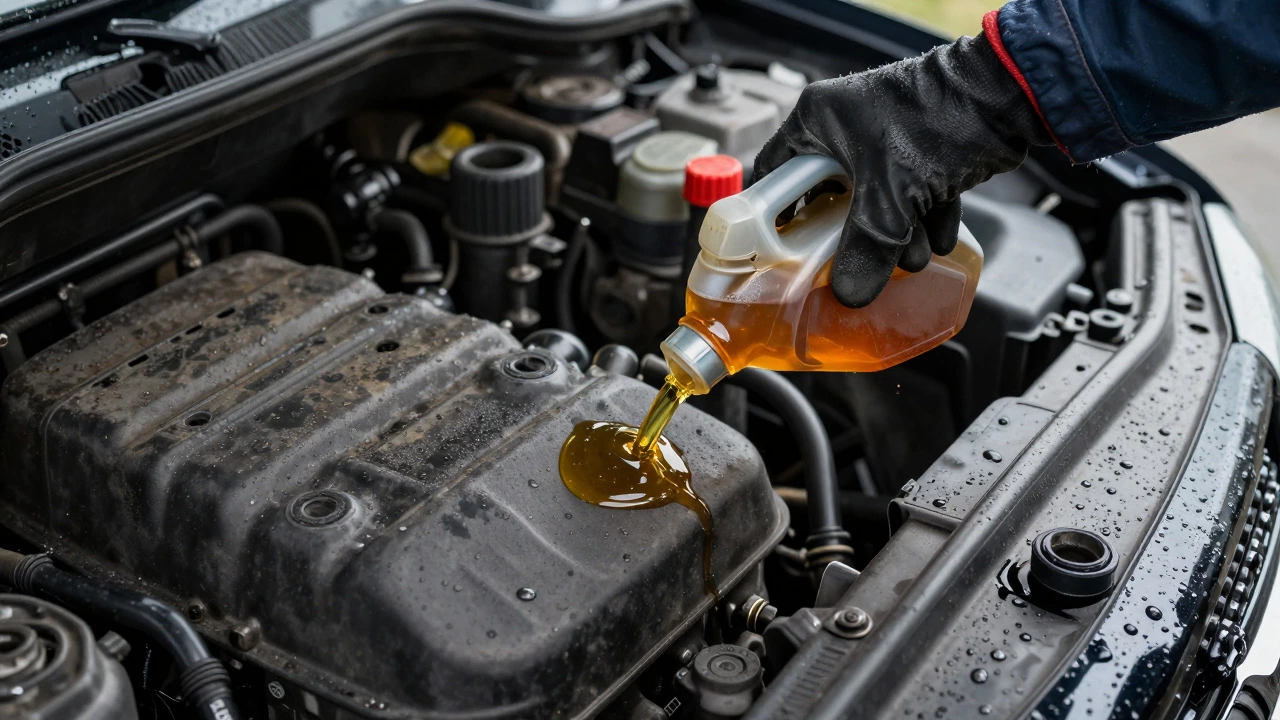
- Dark, Dirty Oil: Fresh oil is amber and translucent. Used oil turns black and opaque. While color alone isn’t a definitive indicator (modern detergents keep oil dark), extremely gritty oil is a bad sign.
- Engine Noise: Ticking or knocking sounds can indicate low oil pressure or insufficient lubrication. Address this immediately.
- Burning Smell: A smell of burning oil inside the cabin suggests a leak onto hot engine parts. Check your dipstick level.
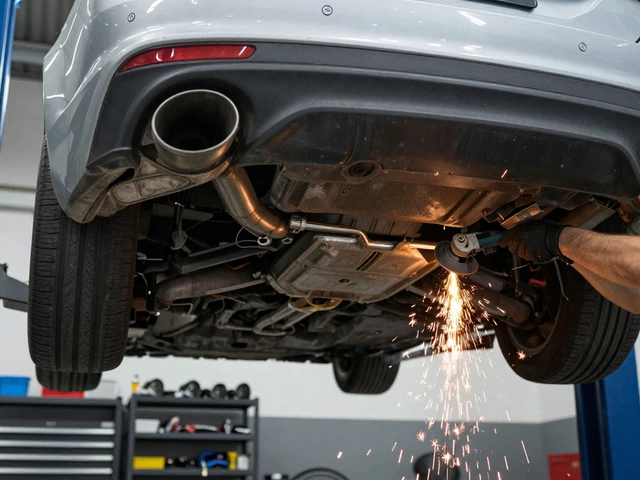
- Exhaust Smoke: Blue or gray smoke from the tailpipe means your engine is burning oil, often due to worn seals or rings. This requires professional inspection.
If you notice any of these, don’t wait for your scheduled service. Get your oil checked right away.
DIY vs. Professional Service
Changing your own oil saves money but requires effort and proper disposal. You’ll need a jack, wrenches, an oil filter wrench, a drain pan, and new oil and filter. Make sure you dispose of used oil responsibly-take it to a recycling center or auto shop. Pouring it down drains or on the ground is illegal and harmful to the environment.
Professional services offer convenience and expertise. Technicians can spot other issues during the change, such as leaks or worn belts. However, they may upsell unnecessary services. Stick to reputable shops that follow manufacturer guidelines rather than aggressive sales tactics.
Final Thoughts on Oil Change Frequency
There’s no one-size-fits-all answer. Your best bet is to consult your owner’s manual, consider your driving habits, and use high-quality synthetic oil if possible. Monitor your oil level regularly and pay attention to your car’s warnings. By staying proactive, you’ll extend your engine’s life, maintain fuel efficiency, and avoid expensive repairs down the road.
Can I mix synthetic and conventional oil?
Yes, you can mix them in an emergency, but it’s not recommended for long-term use. Mixing reduces the benefits of synthetic oil. Ideally, top off with the same type specified in your manual until you can do a full change.
Is it bad to change oil too often?
No, changing oil more frequently than recommended won’t harm your engine. It might waste money and resources, but it ensures maximum protection. Just ensure you’re using the correct oil type and quantity.
What does "high mileage" oil do differently?
High mileage oil contains additives that condition seals to prevent leaks and reduce oil consumption. It also has extra detergents to clean sludge built up over years of use. It’s ideal for cars with over 75,000 miles.
Should I reset the oil life monitor myself?
Yes, resetting the monitor is usually simple and outlined in your owner’s manual. Failure to reset it will give inaccurate readings. If you’re unsure, ask your mechanic to do it during service.
How do I check my oil level correctly?
Park on level ground, turn off the engine, and wait a few minutes for oil to settle. Pull the dipstick, wipe it clean, reinsert it fully, then pull it out again. The oil level should be between the two marks. Add oil if it’s below the lower mark.