Car Oil Change Interval Calculator
Configure Your Vehicle
Recommended Schedule
Your driving habits are standard. Manufacturer guidelines apply.
Why this recommendation?
- Full synthetic lasts up to 10,000 miles.
- No severe conditions detected.
You’re sitting in your driveway, staring at the dashboard warning light that looks like a dripping teapot. It’s blinking red. Panic sets in. Is it time for an oil change? Did you miss the mark by thousands of miles? For decades, the answer was simple: every 3,000 miles. That rule is dead. Today, guessing can cost you hundreds of pounds or even strand you on the side of the M4.
The truth about how often should car oil be changed is not one-size-fits-all. It depends entirely on what’s inside your engine and how you drive. In 2026, with modern engines and advanced lubricants, most drivers are changing their oil far too often, wasting money and resources. Others are waiting too long, risking catastrophic engine failure. Let’s cut through the noise and find the right schedule for your specific vehicle.
The Myth of the 3,000-Mile Rule
Where did this number come from? In the late 1980s and early 1990s, major oil companies launched massive marketing campaigns pushing the "3,000-mile change" standard. At the time, cars used conventional petroleum-based oils that broke down quickly under heat and stress. Engines were less efficient, tolerances were looser, and filtration technology was primitive.
Fast forward to 2026. Modern vehicles are engineered differently. Manufacturers design engines to run longer between services. They use tighter tolerances, better materials, and sophisticated sensors. If you still follow the 3,000-mile rule for a modern car made after 2015, you are likely throwing away perfectly good oil. You’re also contributing to unnecessary waste. Most manufacturers now recommend intervals between 7,500 and 10,000 miles for normal driving conditions. Some hybrid models go even further.
However, blindly following the maximum interval without considering your driving habits is dangerous. The gap between "manufacturer minimum" and "real-world necessity" is where most mistakes happen.
Synthetic vs. Conventional: Why the Oil Type Matters
The single biggest factor determining your oil change frequency is the type of oil you use. This isn’t just a marketing distinction; it’s chemistry.
Conventional oil is derived directly from crude oil with basic refining. It contains impurities and breaks down faster when exposed to high temperatures. Think of it like tap water-it gets the job done but lacks refinement. Conventional oil typically lasts between 3,000 and 5,000 miles before its protective properties degrade significantly.
Synthetic oil, on the other hand, is engineered at a molecular level. Impurities are removed, and additives are precisely balanced to resist heat, prevent sludge, and reduce friction. Synthetic oil can easily last 7,500 to 10,000 miles, and some full-synthetic blends are rated for up to 15,000 miles. If your car came with synthetic oil from the factory-or if you’ve upgraded to it-your change interval jumps dramatically.
There’s also synthetic blend oil, which sits in the middle. It offers better protection than conventional oil but doesn’t match the longevity of full synthetic. It’s a decent compromise for older vehicles that don’t require full synthetic but need more protection than conventional provides.
| Oil Type | Recommended Interval (Miles) | Best For |
|---|---|---|
| Conventional | 3,000 - 5,000 | Older vehicles, budget-conscious drivers, severe driving conditions |
| Synthetic Blend | 5,000 - 7,500 | Moderate use, mixed driving conditions, mid-range vehicles |
| Full Synthetic | 7,500 - 10,000+ | Modern engines, high-performance cars, extreme weather, extended drain intervals |
What Counts as "Severe" Driving?
Your owner’s manual will usually list two schedules: "Normal" and "Severe." Here’s the catch-most people think "severe" means racing your car on a track. It doesn’t. In automotive terms, severe driving conditions include anything that puts extra stress on the engine beyond steady highway cruising.
If you do any of the following regularly, you fall into the severe category:
- Short trips: Journeys under 10 miles, especially in cold weather. The engine never reaches optimal operating temperature, causing moisture and fuel to mix with the oil, creating sludge.
- Stop-and-go traffic: Commuting in Bristol city centre or London during rush hour. Constant acceleration and braking generate more heat and contaminants.
- Towing or carrying heavy loads: Extra weight increases engine strain and temperature.
- Dusty or dirty environments: Driving on unpaved roads allows particulate matter to bypass air filters and contaminate the oil.
- Extreme temperatures: Consistently driving in very hot or very cold climates accelerates oil breakdown.
If your driving fits these descriptions, cut your recommended interval in half. So, if your manual says 10,000 miles for normal use, aim for 5,000 miles. This isn’t guesswork; it’s based on how quickly contaminants accumulate under stress.
Trust Your Dashboard, Not Just the Calendar
Gone are the days when you had to keep a notebook of mileage. Modern cars equipped with Oil Life Monitoring Systems (OLMS) calculate the actual condition of your oil in real-time. These systems monitor engine revolutions, temperature, ambient air temperature, and driving patterns to determine when the oil has degraded.
When your dashboard displays "Service Due" or "Oil Life 10%," trust it. These sensors are calibrated by engineers who know exactly how your specific engine behaves. Ignoring them because "it’s only been six months" is risky. Conversely, changing the oil when the system says you have 50% life left is premature unless you’re preparing for a long trip.
For older cars without OLMS, stick to time-based intervals. Even if you haven’t driven many miles, oil degrades over time due to oxidation and moisture absorption. A general rule is to change oil at least once a year, regardless of mileage. If you leave your car parked for months, consider changing the oil before storing it to remove acidic contaminants.
Signs Your Oil Needs Changing Now
Sometimes, you don’t need to wait for the next scheduled interval. Your car might tell you something is wrong sooner. Pay attention to these physical signs:
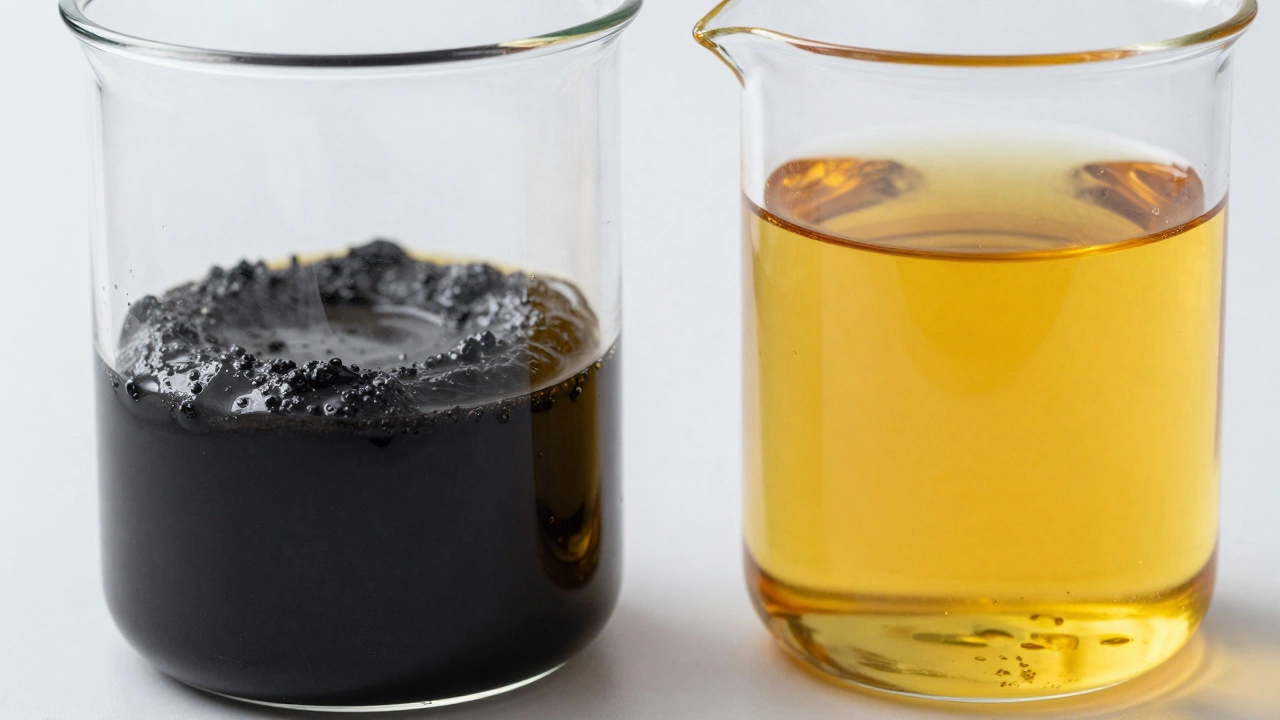
- Dark, gritty oil: Pull the dipstick and wipe it clean. Reinsert and check again. Fresh oil is amber and translucent. Old oil turns black and feels thick or grainy. While dark color alone isn’t always bad (modern detergents clean the engine), grit indicates metal particles or soot buildup.
- Exhaust smoke: Blue or gray smoke from the tailpipe suggests oil is burning in the combustion chamber. This could mean low oil levels or worn seals.
- Engine noise: Knocking, ticking, or rumbling sounds indicate insufficient lubrication. Metal parts are grinding against each other because the oil film has broken down.
- Burning smell: A distinct burnt odor inside or outside the car often means oil is leaking onto hot engine components.
- Check Engine Light: While this light covers many issues, low oil pressure or sensor failures related to lubrication can trigger it.
If you notice any of these symptoms, don’t wait for your next scheduled service. Get the oil checked immediately. Continuing to drive with degraded oil can lead to seized pistons, warped cylinders, and complete engine failure-a repair bill that runs into thousands of pounds.
Cost vs. Risk: Making the Right Choice
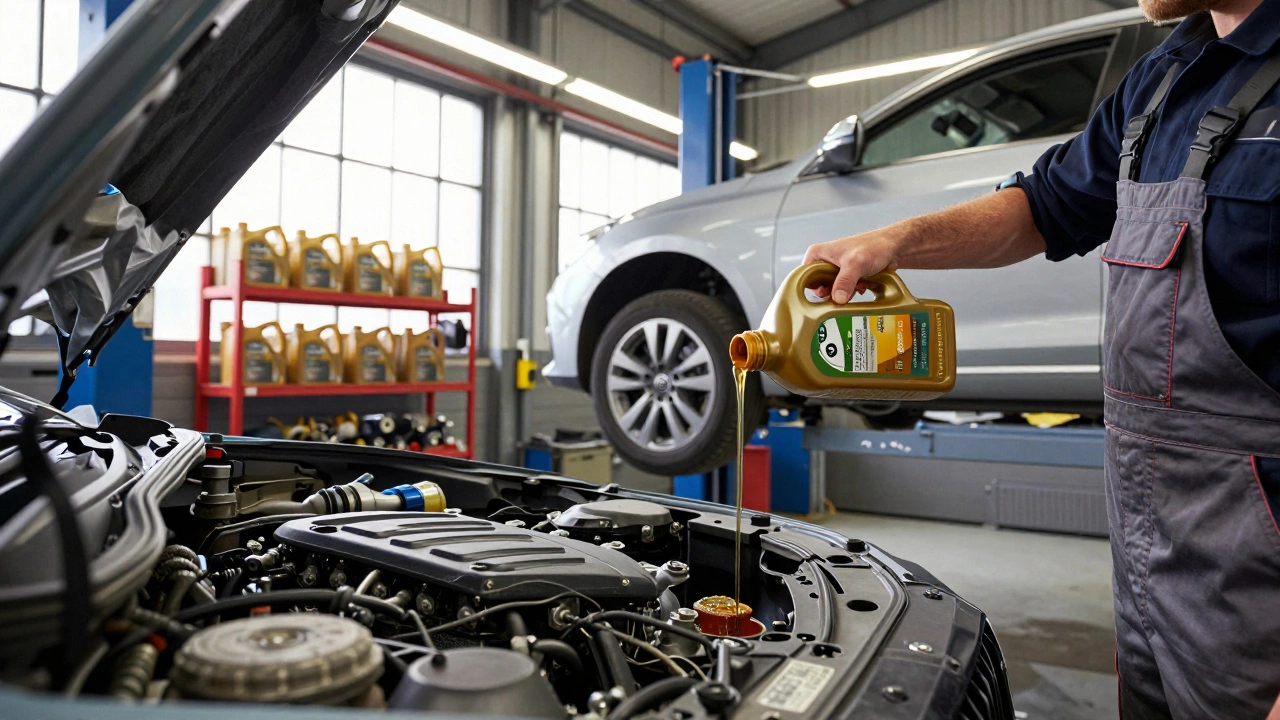
Let’s talk numbers. An oil change in the UK typically costs between £40 and £80 for conventional oil, and £60 to £100 for synthetic. If you change it every 3,000 miles unnecessarily, you’re spending an extra £200-£400 per year compared to a 10,000-mile interval. Over five years, that’s £1,000-£2,000 wasted.
On the flip side, skipping an oil change by just 2,000 miles beyond the limit might save you £50 today but could cost you £2,000+ in engine repairs tomorrow. The risk-reward ratio heavily favors sticking to a conservative schedule rather than pushing limits.
The sweet spot? Follow your manufacturer’s recommendation for normal driving. If you drive severely, halve that interval. Use synthetic oil if your car allows it-it’s cheaper in the long run because you change it less often, and it protects the engine better.
Frequently Asked Questions
Can I mix different types of motor oil?
In an emergency, yes, you can mix synthetic and conventional oil to top off your level. However, it’s not ideal for long-term performance. Mixing dilutes the benefits of synthetic oil. Always try to use the same type and viscosity specified in your owner’s manual. If you switch from conventional to synthetic, it’s best to drain the old oil completely first.
Does changing oil more frequently void my warranty?
No, changing your oil more often than recommended does not void your warranty. In fact, it strengthens your case if an engine issue arises. What voids warranties is failing to maintain the vehicle according to the manufacturer’s guidelines. Keep receipts from every oil change to prove compliance.
Is it safe to drive with old oil?
It depends on how old it is. If you’re slightly overdue by a few hundred miles, it’s generally safe. But if the oil is black, gritty, or low, driving risks significant engine damage. Old oil loses its ability to cool and lubricate, leading to increased friction and heat. Don’t gamble with short trips if the oil is visibly degraded.
How does climate affect oil change intervals?
Extreme heat breaks down oil faster, while extreme cold can cause condensation to build up in the oil pan. In hot climates, you may need to shorten intervals by 10-15%. In cold climates, frequent short trips prevent the engine from warming up enough to evaporate moisture, accelerating sludge formation. Adjust your schedule based on local weather patterns.
Should I replace the oil filter every time?
Yes, always replace the oil filter with every oil change. The filter traps contaminants that the oil can’t handle. A clogged filter restricts flow, forcing unfiltered oil back into the engine. Filters are inexpensive compared to the cost of engine damage caused by poor filtration.