
If your engine feels rough, hesitates, or seems to lag on the highway, it’s probably the spark plugs. These tiny pieces fire the fuel‑air mix, and when they wear out the whole engine suffers. Swapping them isn’t rocket science, but you need to know the signs, the tools, and when it’s smarter to call a pro.
Here are the most common red flags:
If you notice any of these, check the service manual for the recommended interval – usually every 30,000 to 60,000 miles, but it can vary by make and driving style.
Got a basic set of tools? You’ll need a socket wrench (often a 5/8‑inch or 13/16‑inch socket), a spark plug gap gauge, and a torque wrench if you want to be precise. Follow these steps:
That’s it – a 30‑minute job for most four‑cylinder engines. Bigger V‑6 or V‑8s might need more space, but the process stays the same.
When to call a professional: If you’re uncomfortable removing the coil, if the plugs are in a hard‑to‑reach spot, or if you see cracked plugs or burnt oil around them, let a garage handle it. A pro can also spot underlying issues like a failing ignition coil.
Replacing spark plugs regularly keeps your engine firing efficiently, improves fuel mileage, and can save you from expensive repairs down the line. Keep a spare set in the garage, note the mileage when you change them, and you’ll drive with confidence.
 15 March 2026
Changing spark plugs is easier than most people think. With the right tools and a little patience, DIYers can save money and improve engine performance. Here's how to do it right for most cars on the road today.
 8 February 2026
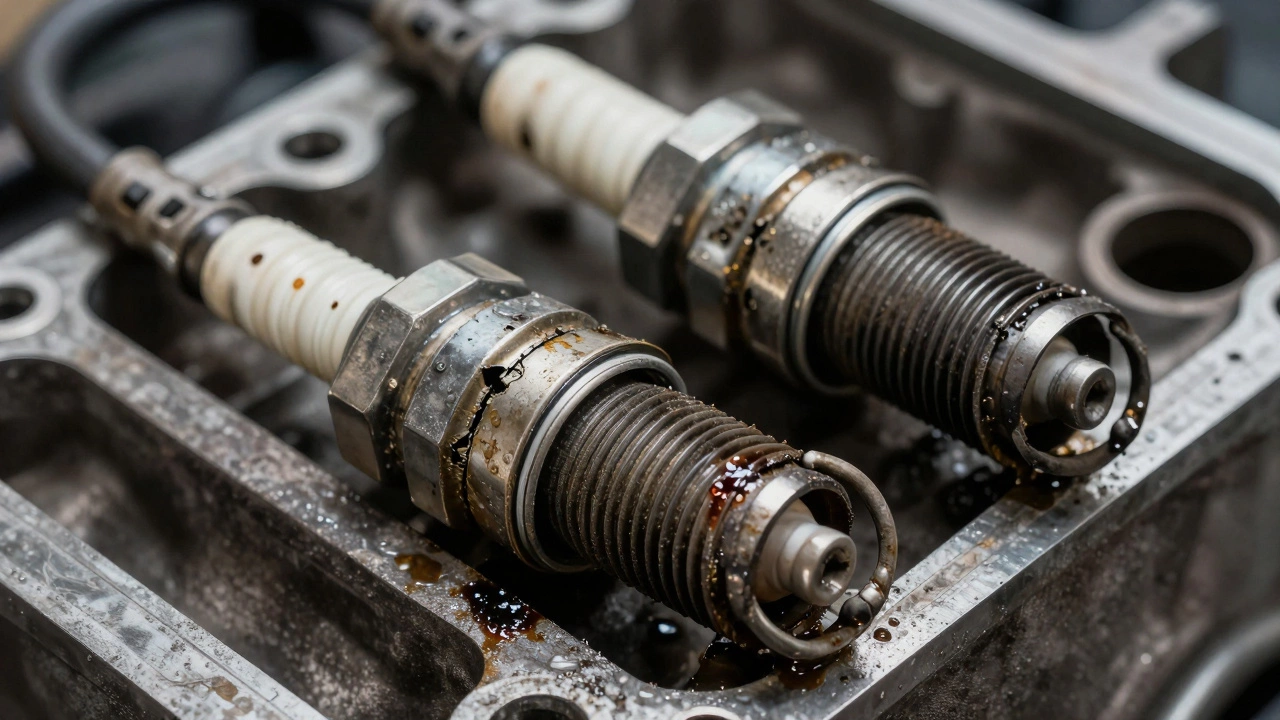
Bad spark plugs can cause serious engine damage, including catalytic converter failure, warped valves, and even engine rebuilds. Don't wait for a breakdown-replace them on schedule to avoid costly repairs.
 2 February 2026
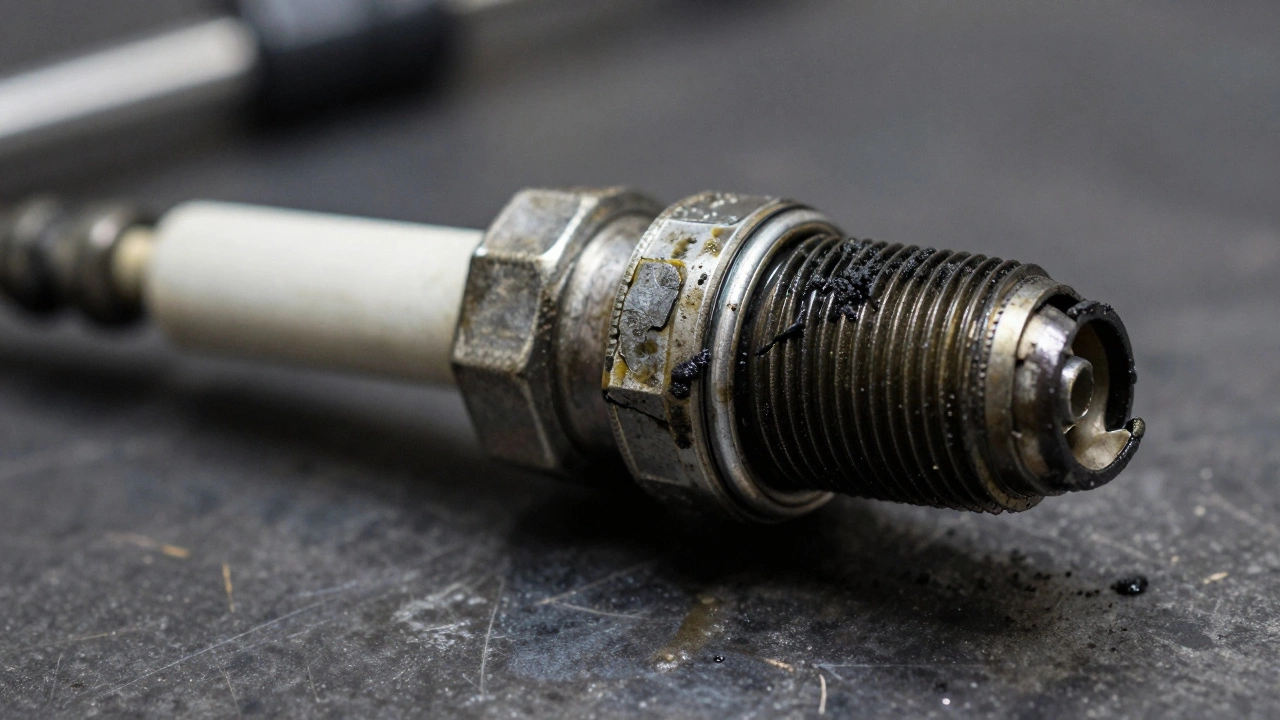
Learn the top signs your spark plugs need replacing-misfires, poor fuel economy, hard starts, and unusual noises. Know when to act before costly damage occurs.
 4 January 2026
Replacing worn spark plugs restores engine responsiveness and smoothness - not by adding power, but by fixing what was broken. Here's what actually changes after a plug swap.
 21 December 2025
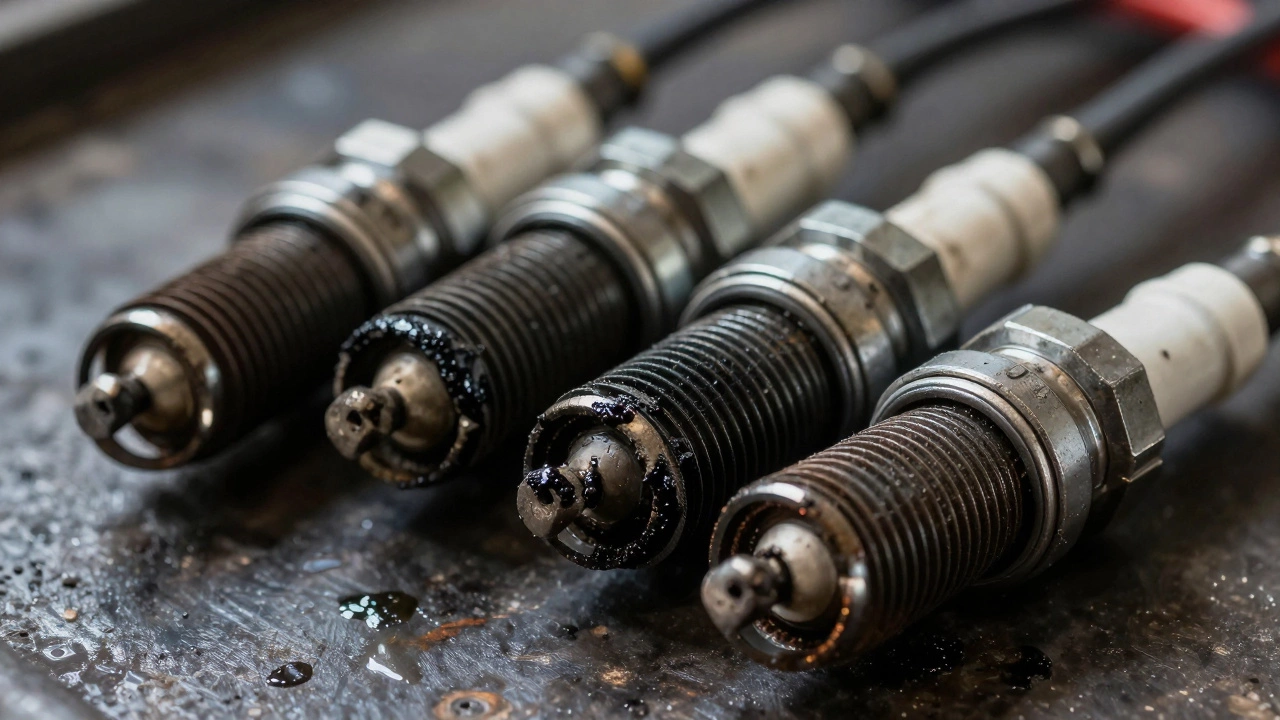
Changing spark plugs can fix a rough idle if the old ones were worn or fouled. Learn how spark plugs affect engine idle, when replacement helps, and what else to check if the problem persists.
 1 December 2025
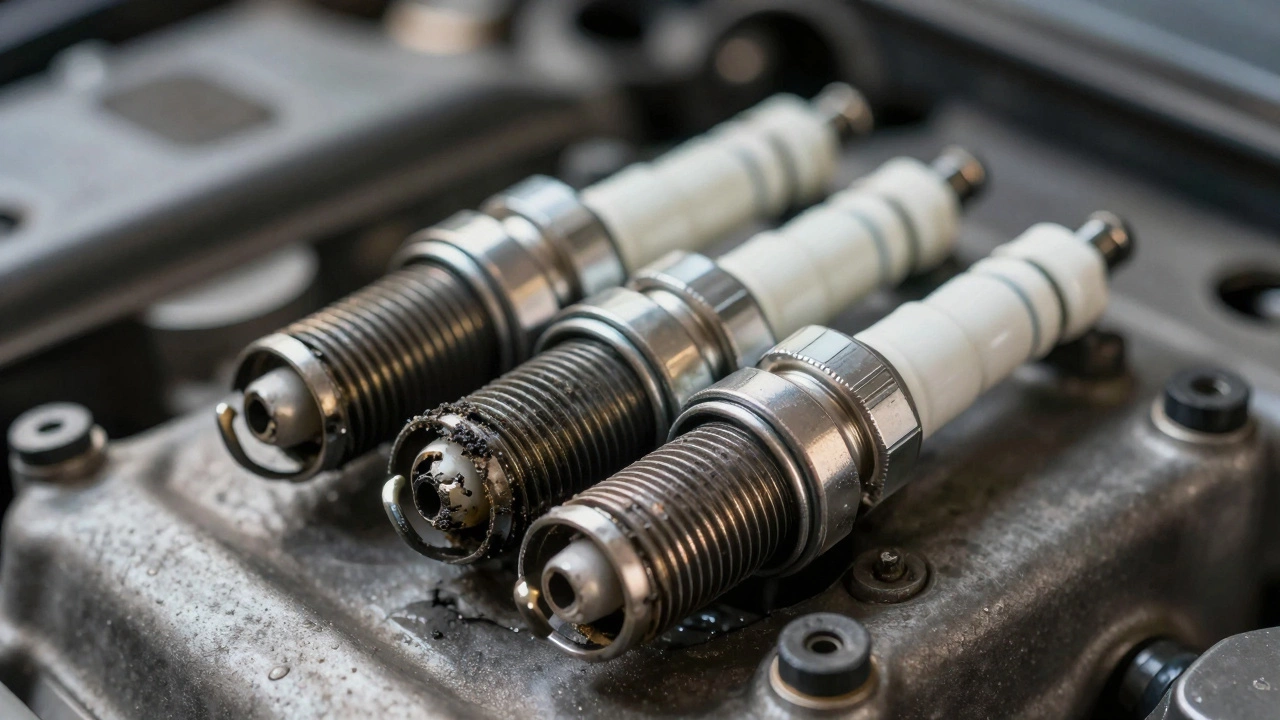
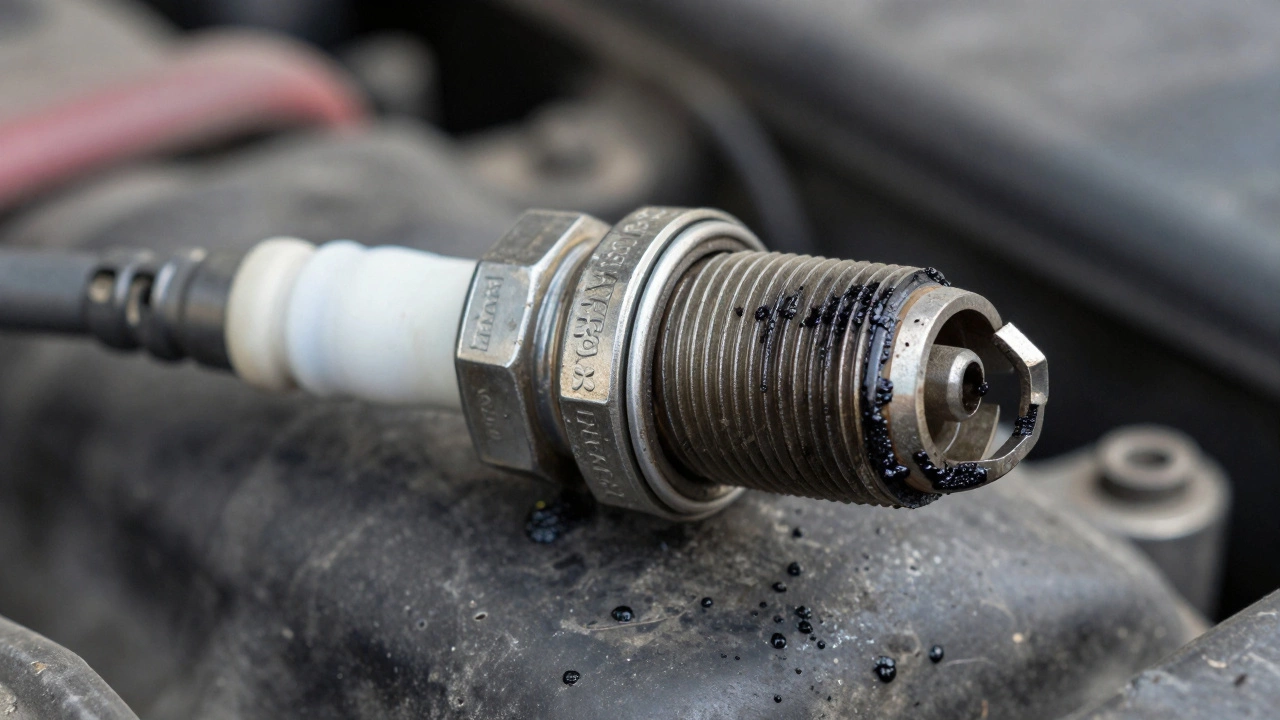
Spark plugs typically last 3 to 10 years depending on type and driving habits. Copper plugs need replacing every 2 years, platinum every 5, and iridium up to 10. Watch for misfires and poor fuel economy-signs your plugs are failing.
 1 December 2025
Learn the top signs your spark plugs are failing-from engine misfires to poor fuel economy-and why ignoring them can lead to costly repairs. Replace them before it's too late.
 27 November 2025
Bad spark plugs cause rough idling, poor fuel economy, hard starts, and engine misfires. Learn the key symptoms and why ignoring them can lead to expensive engine damage.
 18 November 2025
Changing spark plugs won’t always make your car feel faster, but worn ones can hurt performance and fuel efficiency. Here’s what you’ll actually notice-and when it’s time to replace them.
 10 November 2025
Changing worn spark plugs can restore engine performance, improve fuel economy by up to 8%, and prevent costly damage. Learn when it matters and what to expect after a replacement.
 24 July 2025
Wondering if your spark plugs need changing? Get straight-up signs, science, and pro tips for spotting worn-out spark plugs and what bad plugs do to your ride.
 5 July 2025
Find out how long spark plugs really last, signs of wear, maintenance tips, and what impacts their lifespan. Stay ahead with expert car advice.




©2026 northwichtyrescentre.co.uk. All rights reserved
0