Fuel Pump Symptom Checker
Diagnostic Result
Ever turned the key and heard nothing but a quiet click? Or maybe the engine cranked hard but never caught? If you’ve been there, you know the frustration. And if you’ve been told, "It’s probably the fuel pump," you might be wondering: Will a car start with a bad fuel pump? The short answer? Sometimes - but barely. And even then, it won’t last.
How a Fuel Pump Actually Works
Most modern cars use an electric fuel pump inside the gas tank. It doesn’t just push fuel - it maintains pressure. Think of it like a water pump in your house, but instead of water, it’s sending gasoline at 40 to 60 psi to the injectors. The engine control unit (ECU) relies on that steady pressure to spray the right amount of fuel into each cylinder. Without it, combustion doesn’t happen cleanly - or at all.
Older cars with mechanical pumps mounted on the engine are less common now, but they work the same way: consistent flow equals smooth running. A failing pump doesn’t just stop working - it gets weak. And that weakness shows up in subtle, frustrating ways before the big failure.
Signs Your Fuel Pump Is Dying (Before It Completely Fails)
A fuel pump doesn’t usually die overnight. It fades. Here’s what you might notice weeks or even months before it gives out:
- Hard starts - Especially when the engine is hot. You crank it, it sputters, then finally catches. That’s the pump struggling to build pressure.
- Loss of power under load - Going uphill, accelerating hard, or towing? The engine hesitates like it’s running out of breath. That’s the pump unable to keep up with demand.
- Engine stalling at idle - You’re stopped at a light, and the engine dies. Restarting works… for now. This happens because pressure drops below the minimum needed to keep fuel flowing.
- Whining noise from the tank - A loud, high-pitched whine when you turn the key (before starting) is a classic sign. Normal pumps hum. Failing ones scream.
- Intermittent performance - The car runs fine one day, then acts up the next. No pattern. That’s a pump with worn brushes or a failing motor.
These aren’t "maybe" symptoms. They’re red flags. And if you ignore them, you’re just delaying the inevitable.
Can a Car Start with a Bad Fuel Pump?
Yes - but only if the pump hasn’t fully failed yet. Here’s how it plays out:
- Weak pump, but still working: The car might start after a few tries. It runs rough, sputters, or stalls when you accelerate. The ECU senses low fuel pressure and tries to compensate by injecting more fuel - but that just floods the engine or causes misfires.
- Pump intermittently working: You get lucky. It starts today. Tomorrow, it won’t. You tap the tank, and it fires up. That’s not a fix - it’s a countdown.
- Pump completely dead: No fuel pressure. No fuel delivery. The engine cranks, but never fires. It won’t start. Period.
Some people swear they’ve started a car with a bad pump. And they’re right - temporarily. But that’s like saying, "I drove my car with a flat tire for five miles." It doesn’t mean it’s safe. It means you’re risking total breakdown.

What Happens When the Fuel Pump Fails Completely?
When the pump stops working entirely, the engine doesn’t just shut off. It can’t even begin to run. Here’s why:
- No fuel reaches the injectors.
- The ECU sends the correct signal, but there’s nothing to spray.
- No combustion. No power. No start.
You’ll hear the starter turning - fast, strong, normal. But the engine won’t catch. No smoke. No sputter. Just silence. That’s the hallmark of a dead fuel pump.
It’s easy to confuse this with a dead battery or bad starter. But here’s how to tell:
- Battery: Lights dim. Clicking noise. Slow cranking.
- Starter: Grinding noise. Engine doesn’t turn over at all.
- Fuel pump: Normal cranking. No smell of fuel. No attempt to fire.
If you smell gasoline near the engine or fuel lines after a failed start, that’s a clue the pump isn’t delivering - the fuel’s just sitting there, waiting.
Can You Drive with a Bad Fuel Pump?
Technically, maybe. But you shouldn’t. Here’s what can go wrong:
- Stranding: You’re on the highway, and it dies. No warning. No time to pull over.
- Engine damage: Low fuel pressure causes lean conditions - too much air, not enough fuel. That overheats valves and can warp pistons.
- Injectors clogging: When the pump struggles, it pulls debris from the tank. That junk ends up in the injectors. Cleaning them costs $300+. Replacing the pump? $500.
- ECU confusion: The engine control unit keeps trying to adjust fuel trim. Over time, it can trigger false error codes and throw off other systems.
Driving with a failing fuel pump is like running a marathon with a broken shoelace. You might finish - but you’ll be in worse shape than when you started.
How to Test a Fuel Pump
You don’t need a mechanic to check this. Here’s how to test it yourself:
- Turn the key to "ON" (don’t start the engine). Listen near the fuel tank. You should hear a 2-3 second hum. No sound? Pump isn’t getting power or is dead.
- Check the fuel pump relay. Swap it with a similar one (like the horn relay). If the pump hums after the swap, the relay was bad.
- Use a fuel pressure gauge. Attach it to the fuel rail (under the hood). Turn the key on. Pressure should be within your car’s spec (check the manual - usually 40-60 psi). If it’s below 30 psi or drops fast, the pump is failing.
- Tap the tank gently with a rubber mallet while someone tries to start the car. If it starts, the pump is worn and vibrating temporarily fixes the contact.
These aren’t professional diagnostics - but they’ll tell you if you’re wasting time on spark plugs or sensors when the real problem is under the rear seat.
What to Do When It Fails
If the car won’t start and you suspect the fuel pump:
- Don’t keep cranking. It drains the battery and can overheat the starter.
- Check for fuel. A completely empty tank can mimic a bad pump.
- Check fuses. A blown fuse is cheap. A dead pump isn’t.
- If you have roadside assistance, call them. Towing is cheaper than a new engine.
- Replace the pump. Don’t try to "fix" it. Fuel pumps aren’t repairable. You need a new one.
And while you’re at it, replace the fuel filter too. Most modern cars have it built into the pump module. Skipping this means you’re just setting up the next failure.
Preventing Future Failures
Fuel pumps don’t fail because they’re defective. They fail because of neglect:
- Run on empty: Every time you drive with less than 1/4 tank, the pump sucks in air and overheats. It needs fuel to cool itself.
- Dirty fuel: Bad gas or contaminated tanks clog the pump’s filter. Use reputable gas stations.
- Old fuel: Gas sits too long? It breaks down and gums up the system. Drain old fuel before long storage.
- Ignoring early symptoms: That whine? That hesitation? Those aren’t "normal." They’re warnings.
Keep your tank at least half full. Use quality fuel. Listen to your car. It’ll tell you before it quits.
Final Answer: Will a Car Start with a Bad Fuel Pump?
Yes - if the pump is still working a little. But that’s not a start. That’s a warning. A car that barely starts, sputters, and dies under load isn’t running. It’s limping. And every mile you drive like that is a gamble with your engine, your wallet, and your safety.
Don’t wait for the car to die on the highway. If you’ve noticed any of the early signs - hesitation, whining, hard starts - get it checked. Replace the pump before it leaves you stranded. It’s not expensive compared to towing, repair, or replacing a damaged engine.
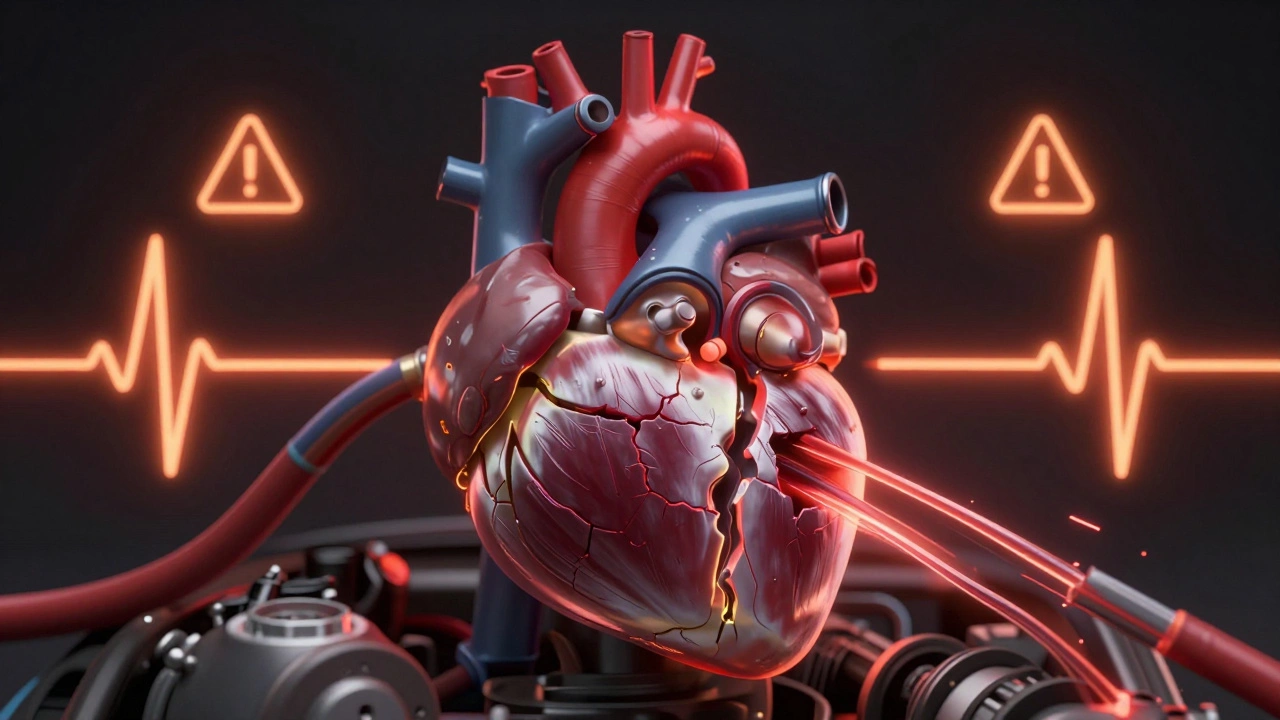
Your fuel pump isn’t just a part. It’s the heartbeat of your engine. When it falters, everything else follows.
Can a car start with a completely dead fuel pump?
No. If the fuel pump is completely dead, it won’t deliver any fuel to the engine. The engine will crank normally but never fire because there’s no fuel reaching the injectors. You’ll hear the starter turning, but no combustion occurs.
How long does a fuel pump usually last?
Most fuel pumps last between 100,000 and 150,000 miles. But that’s only if you keep the gas tank above a quarter full and use clean fuel. Running on empty or using cheap, dirty gas can cut that lifespan in half.
Can a bad fuel pump cause the check engine light to come on?
Yes. A failing fuel pump can cause low fuel pressure, lean air-fuel mixtures, or misfires. These trigger codes like P0171 (system too lean), P0087 (fuel rail pressure too low), or P0300 (random misfires). The light doesn’t mean "fuel pump," but it’s a strong clue.
Is it safe to drive with a failing fuel pump?
No. Driving with a failing fuel pump risks engine damage from lean conditions, overheating, and fuel starvation. It also increases the chance of sudden stalling on the road. Replace it before it leaves you stranded.
How much does it cost to replace a fuel pump?
The cost ranges from $400 to $900 depending on the car. Labor takes 2-4 hours because the tank often has to be lowered. Parts alone can be $150-$500. Always replace the fuel filter at the same time - it’s usually built into the pump module.