
When it comes to your car’s safety, brake pads, thin friction materials that clamp down on rotors to stop your vehicle. Also known as brake linings, they’re one of the most critical but often ignored parts of your braking system. Most drivers don’t think about them until they start squealing — but by then, it’s often too late. Brake pads don’t last forever, and their lifespan isn’t set in stone. It depends on how you drive, where you drive, and what kind of pads your car came with. On average, they last between 25,000 and 70,000 miles, but some wear out in under 20,000 miles if you’re doing a lot of city driving or riding the brakes downhill.
The real problem isn’t just how long they last — it’s knowing when they’re done. You can’t just wait for the warning light because most cars don’t have one for brake pads. Instead, you need to watch for the signs: a high-pitched squeal when you brake, a grinding noise that sounds like metal on metal, a softer or spongy pedal, or your car pulling to one side when you stop. These aren’t just annoyances — they’re red flags. Worn brake pads can damage your rotors, which cost three times as much to replace. And if you keep driving with worn pads, you risk longer stopping distances, especially in wet or emergency conditions. brake rotors, the discs the pads press against to create friction are just as important. If your pads are gone, those rotors start wearing unevenly or warping from overheating. Then you’re not just replacing pads — you’re replacing the whole braking component.
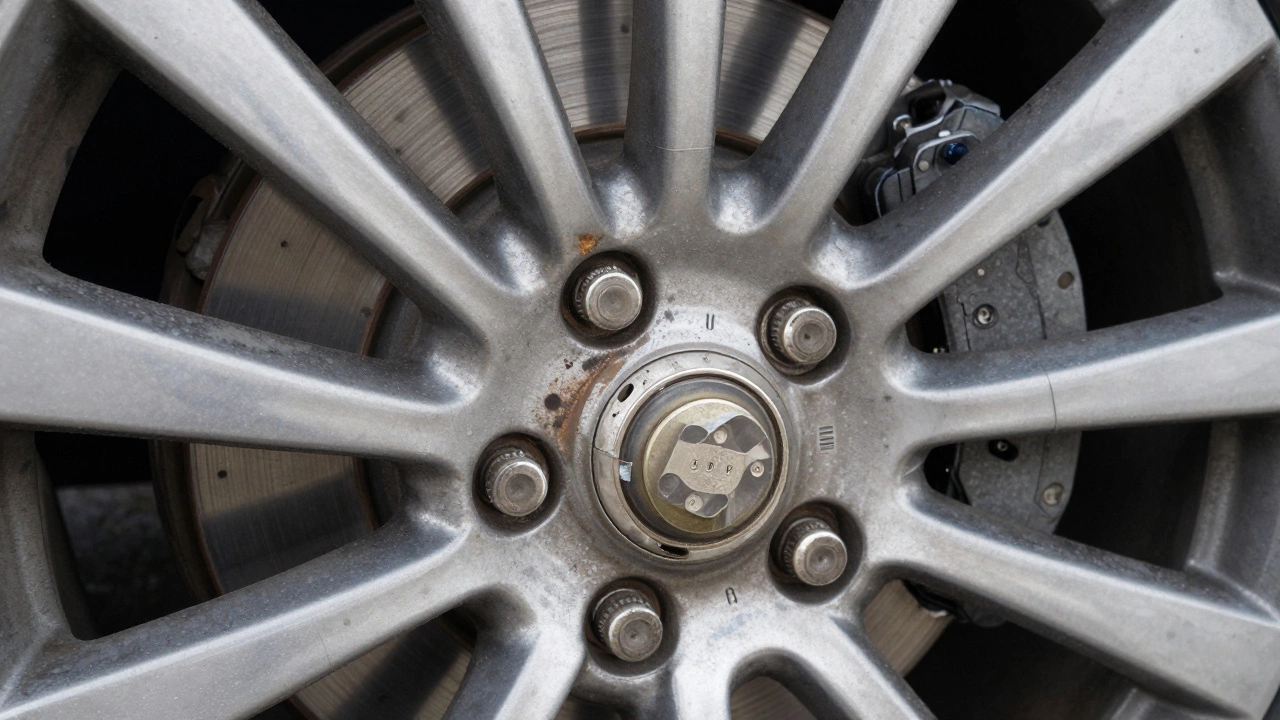
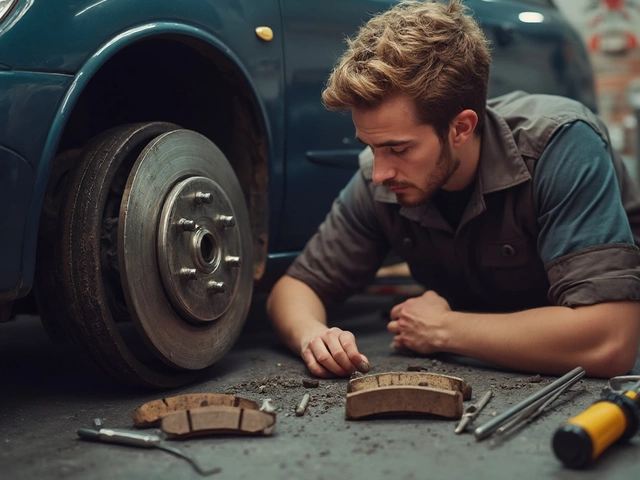
Driving habits matter more than you think. If you’re the type who brakes hard at every light, lives in hilly areas, or hauls heavy loads, your pads will wear faster. On the flip side, highway drivers who coast and brake gently can stretch their lifespan. Even the type of pad matters. Organic pads are quieter but wear quicker. Semi-metallic last longer but can be noisier. Ceramic pads offer a good balance — less dust, decent life, and smooth stopping. brake pad thickness, the physical amount of friction material left on the pad is the only true measure. Most mechanics say if it’s under 3mm, it’s time. You can check it yourself by looking through the wheel spokes — if you can’t see much material, don’t wait.
Replacing brake pads isn’t something to delay. It’s not just about avoiding noise or a repair bill — it’s about safety. A study by the National Highway Traffic Safety Administration found that faulty brakes contribute to over 200,000 crashes a year in the U.S. alone. You don’t need to be a mechanic to spot the early signs. Take five minutes every few months to look at your pads. Listen when you brake. Feel the pedal. If something feels off, it probably is. The posts below give you real, no-fluff advice on how to spot worn pads, what to expect when replacing them, and why you should never replace just one side. You’ll find clear guidance on what to look for, what to avoid, and how to keep your brakes working like they should — so you stop when you need to, not when it’s too late.
 7 December 2025
Brake pads typically last 25,000 to 70,000 miles, but driving habits, vehicle type, and climate affect lifespan. Learn the signs of wear and how to extend pad life for safety and savings.
©2026 northwichtyrescentre.co.uk. All rights reserved


0