Clutch Lifespan Calculator
Estimate Your Clutch Lifespan
Based on real-world data from the article: Clutch lifespan depends on driving style, vehicle type, and clutch quality - not just mileage.
Your Estimated Clutch Lifespan
Your clutch could last 120,000-180,000 miles with proper care.
Key indicators to watch for at 150k miles
Slipping when accelerating, grinding noises, spongy pedal, or burning smell.
Pro Tip: If you drive smoothly and maintain your clutch fluid, your clutch may outlast your tires!
Most people think a clutch is a replaceable part that dies around 60,000 to 100,000 miles. But if you’ve ever seen a 200,000-mile manual transmission car still shifting smoothly, you know that’s not the whole story. So can a clutch actually last 200k miles? The answer isn’t yes or no-it’s how you drive, what’s under the hood, and whether you treat the clutch like a switch or a precision tool.
It’s Not the Mileage, It’s the Usage
A clutch doesn’t wear out because it’s old. It wears out because it’s abused. Every time you ride the clutch-keeping your foot lightly on the pedal at a stoplight, half-engaging while crawling in traffic, or popping the clutch to launch from a standstill-you’re grinding away friction material. That’s not normal wear. That’s accelerated damage. Real-world examples show the difference. A 2010 Ford Focus driven by a delivery driver in Bristol who spent hours idling in traffic with his foot on the clutch pedal needed a new clutch at 95,000 miles. Meanwhile, a 2008 Volkswagen Golf TDI owned by a retired teacher who only drove on open roads, used smooth engagement, and never rested her foot on the pedal hit 210,000 miles with the original clutch. Same car model. Same clutch kit. Totally different outcomes.What Makes a Clutch Last Longer
Not all clutches are built the same. The material matters. Organic clutches are softer, quieter, and wear faster. They’re common in economy cars and designed for comfort, not longevity. Ceramic and metallic clutches-often found in performance or diesel models-are tougher. They handle more heat and torque, and they last longer if not abused. A clutch kit isn’t just the disc. It includes the pressure plate, release bearing, and sometimes the pilot bearing. A cheap aftermarket kit might use low-grade springs and thin friction material. OEM or high-quality aftermarket kits (like Sachs, LUK, or Valeo) use thicker steel, better heat treatment, and tighter tolerances. That difference shows up over 150,000 miles.Driving Habits That Kill Clutches
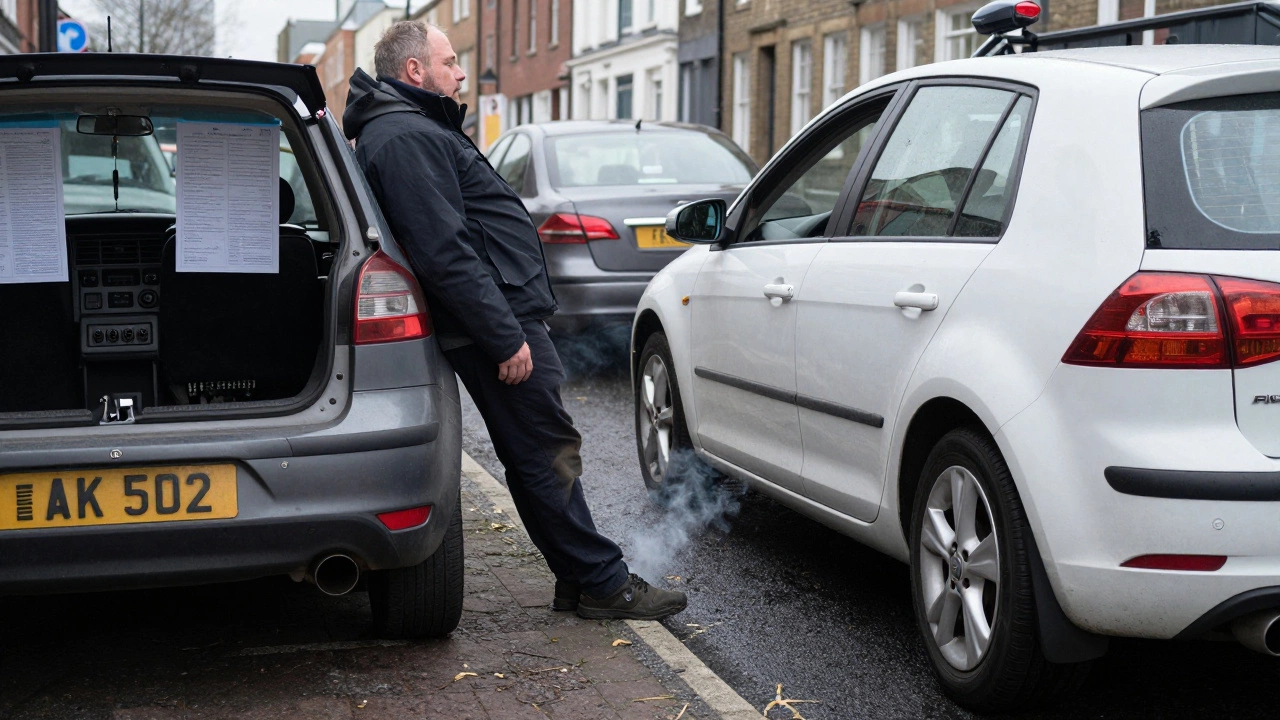
Here’s what actually destroys clutches in real life:- Resting your foot on the clutch pedal while driving-even a little pressure causes the release bearing to spin unnecessarily.
- Using the clutch to hold the car on a hill instead of the brake. That’s called ‘clutch braking’ and it’s one of the fastest ways to burn out the friction plate.
- Shifting too fast without matching revs, especially in lower gears. This slams the teeth together and wears the synchronizers, which puts extra stress on the clutch.
- Driving a heavy vehicle (like a van or pickup) with a clutch designed for a lighter car. The torque overload wears it out faster.
- Modifying the engine for more power without upgrading the clutch. A stock clutch on a 300hp engine? It won’t last.
How to Tell Your Clutch Is Heading for Failure
You don’t need a mechanic to spot early signs. Here’s what to listen and feel for:- Slipping: The engine revs up but the car doesn’t accelerate-especially when climbing hills or towing. This means the friction material is worn thin.
- Grinding when shifting: If you hear metal-on-metal noise even when the clutch is fully pressed, the release bearing or input shaft splines are failing.
- Clutch pedal feels spongy or goes all the way to the floor: Air in the hydraulic system or a worn master cylinder can make engagement inconsistent.
- Odd smells: A burning odor like overheated brakes means the clutch disc is glazing or overheating.
Real Clutch Lifespans by Vehicle Type
Here’s what mechanics in Bristol and London see in the field:| Vehicle Type | Typical Clutch Life (Miles) | Best Case (Well-Maintained) | Worst Case (Poor Habits) |
|---|---|---|---|
| Compact Hatchback (e.g., Honda Civic, Ford Fiesta) | 80,000-120,000 | 180,000-220,000 | 40,000-60,000 |
| Diesel Pickup or Van (e.g., VW Transporter, Ford Transit) | 70,000-100,000 | 160,000-200,000 | 30,000-50,000 |
| Performance Car (e.g., Subaru WRX, Ford Focus ST) | 50,000-80,000 | 120,000-150,000 | 20,000-40,000 |
| Heavy-Duty Truck (e.g., Mercedes Sprinter, Iveco Daily) | 100,000-150,000 | 200,000-250,000+ | 60,000-80,000 |
Can You Really Hit 200k Miles?
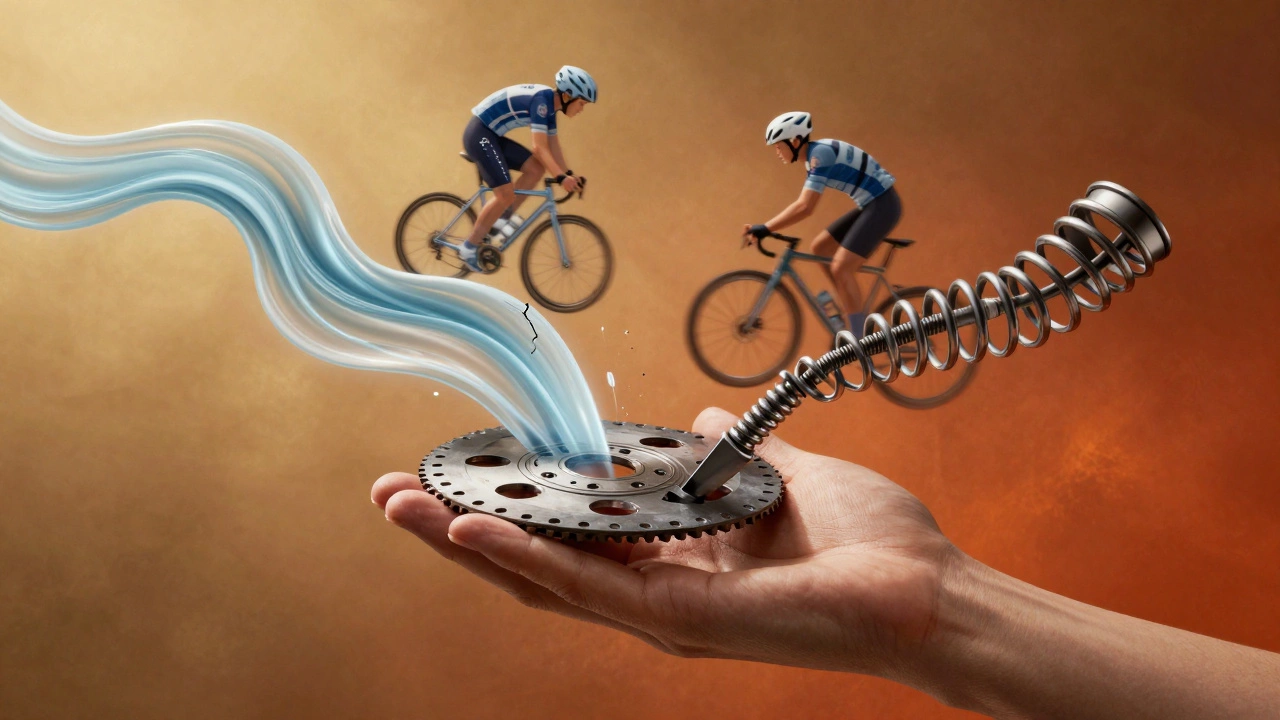
Yes-but only if you treat the clutch like a precision instrument, not a disposable part. Diesel engines, especially in European vans and trucks, are built for torque and durability. Their clutches are larger, heavier, and designed for constant load. Many of these vehicles hit 200k miles with the original clutch because their owners don’t rev the engine to redline in first gear or ride the clutch in traffic. A 2012 Mercedes Sprinter with 225,000 miles and the original clutch? That’s not rare. It’s normal for that type of vehicle with proper use. A 2007 Mazda 3 with 200k miles? That’s a miracle unless the driver was careful. The key isn’t the car. It’s the driver.What to Do When Your Clutch Hits 150k Miles
If you’re approaching 150,000 miles and your clutch still feels solid, don’t replace it just because you’re ‘due.’ But do start watching for the signs mentioned earlier. When you do replace it:- Always replace the entire clutch kit-pressure plate, disc, and release bearing. Reusing old parts is false economy.
- Choose a reputable brand. Avoid no-name eBay kits. They often have warped pressure plates or inconsistent friction material.
- Have the flywheel inspected. If it’s scored, cracked, or warped, resurface or replace it. A bad flywheel kills a new clutch in weeks.
- Use the correct fluid in the hydraulic system. Wrong fluid causes seals to swell or degrade.
Bottom Line: It’s Possible-But Not Guaranteed
A clutch can last 200,000 miles. We’ve seen it. But it’s not luck. It’s discipline. It’s knowing that the clutch isn’t a pedal you press when you feel like it-it’s a component that connects your engine’s power to the wheels, and it needs respect. If you drive gently, shift smoothly, and avoid unnecessary wear, your clutch might outlive your tires, your brakes, and even your battery. If you treat it like a switch, it’ll fail before you hit 100k. The mileage doesn’t decide. You do.Can a clutch last 200k miles without being replaced?
Yes, but only if the driving style is smooth, the vehicle is suited for the load, and the clutch is a high-quality OEM or aftermarket unit. Diesel vans, trucks, and well-maintained compact cars are the most likely to reach this milestone. Aggressive driving or poor-quality parts will make it impossible.
What’s the average cost to replace a clutch at 200k miles?
In the UK, expect £500-£900 for a standard car, including labor. For vans or diesel models, it can go up to £1,200. The clutch kit itself costs £150-£400, depending on brand. Labor takes 4-7 hours because the transmission has to be removed. Cheaper kits may save money upfront but often fail within 30,000 miles.
Does a clutch wear out faster in city driving?
Absolutely. Stop-and-go traffic means constant clutch engagement and disengagement. Many drivers also ride the clutch at red lights, which grinds the release bearing. City drivers often need a clutch replacement by 80,000 miles, while highway drivers can go 180,000+ with the same part.
Can I extend my clutch life with maintenance?
You can’t service the clutch like an oil filter, but you can extend its life by changing your driving habits: don’t rest your foot on the pedal, avoid clutch braking, shift smoothly, and don’t rev high in low gears. Also, check the clutch fluid every 2 years-contaminated fluid can cause internal damage.
Is it worth upgrading the clutch for higher mileage?
Only if you’ve modified the engine for more power or carry heavy loads regularly. For a standard car used normally, a premium OEM clutch is enough. Upgrading to a performance clutch (like a twin-disc) won’t make it last longer-it just handles more torque. For longevity, focus on smooth driving, not stronger parts.