Tire Safety & Replacement Checker
Enter your tire details to check safety status, legal compliance, and replacement needs.
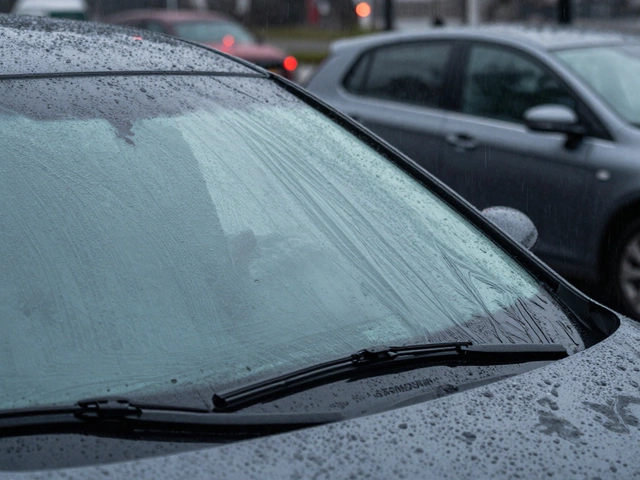
You’re driving down the motorway, rain lashing against the windscreen, and suddenly the rear end feels a bit loose. Is it the tires? Maybe. But how do you actually know when they’ve had enough? It’s not just about seeing bald rubber or waiting for a blowout on the M5. There are specific rules, physical signs, and hidden dangers that most drivers ignore until it’s too late.
Tire replacement isn’t governed by a single mileage number. It’s a mix of wear, age, damage, and your driving habits. If you wait until the tread is gone, you’ve already compromised your stopping distance by nearly 40% in wet conditions. That’s not just a statistic; that’s the difference between stopping at the lights and sliding through them.
The Myth of Mileage: Why Numbers Lie
Most people ask, "At what mileage should I change my tires?" The honest answer? It depends. Some cheap budget tires might last 20,000 miles. Premium touring tires from brands like Michelin or Continental can stretch to 50,000 or more if driven gently on smooth roads. But here’s the catch: mileage is irrelevant if your tires are old.
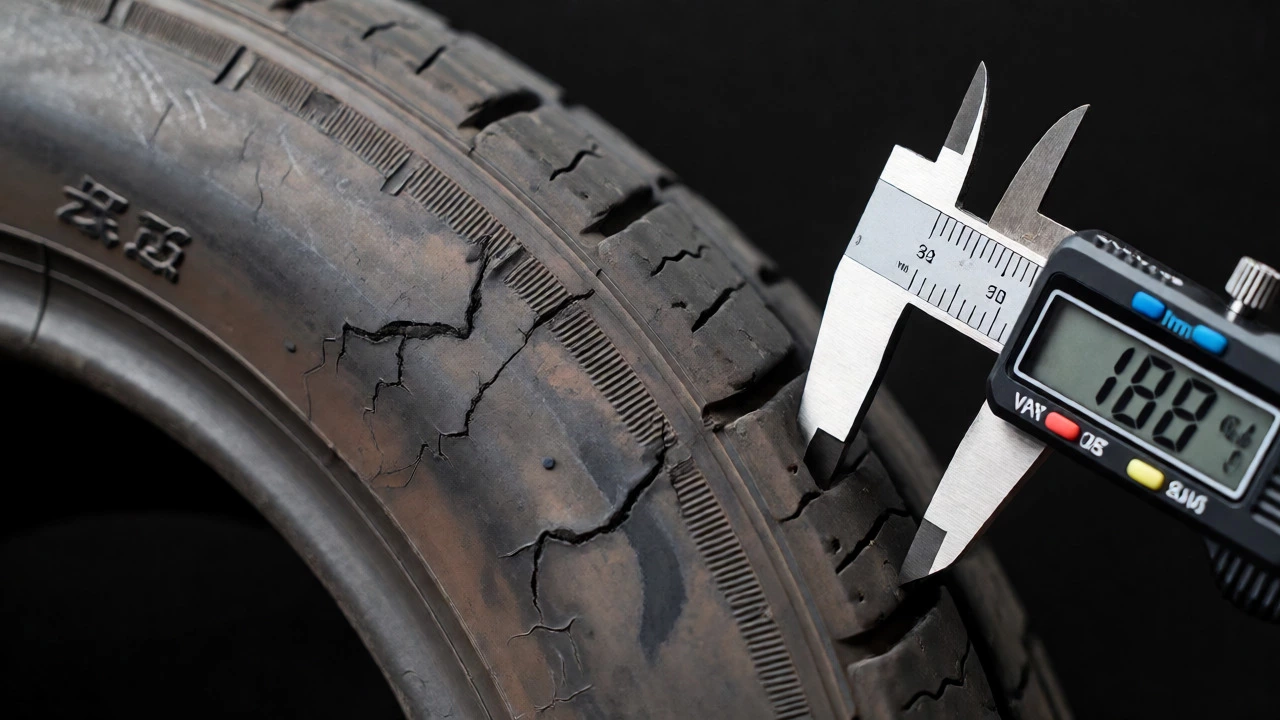
A tire with 3mm of tread left but manufactured in 2016 is often less safe than a worn-out tire made in 2023. Rubber degrades over time. Ozone, UV rays, and temperature fluctuations break down the chemical bonds in the compound. This leads to hardening and cracking, known as dry rot. You could have plenty of tread, but if the sidewalls look like cracked earth, that tire is a ticking time bomb.
Reading the Tread: The Penny Test vs. Modern Sensors
In the UK and Europe, the legal minimum tread depth is 1.6mm across the central three-quarters of the tire. But don’t let "legal" fool you into thinking "safe." By the time you hit 1.6mm, your hydroplaning risk skyrockets. Water cannot escape fast enough from under the tire, and you lose contact with the road.
Here’s a better rule of thumb: replace tires when they reach 3mm. Yes, you’ll spend money sooner, but you’ll stop shorter in the rain and handle better in snow. How do you check? Look for the tread wear indicators (TWI). These are small raised bars molded into the grooves. When the tread surface becomes flush with these bars, you’re at 1.6mm. If you want to be proactive, use a digital tread depth gauge. They cost five pounds and take two seconds per tire.
| Tread Depth | Status | Action Required |
|---|---|---|
| 8mm - 6mm | New/Excellent | No action needed. Maximum grip and water evacuation. |
| 6mm - 4mm | Good/Worn | Maintain pressure. Monitor closely. Still safe for most conditions. |
| 4mm - 3mm | Fair/Aging | Start planning replacement. Wet braking distances increase noticeably. |
| 3mm - 1.6mm | Poor/Risky | Replace immediately. High risk of hydroplaning. Legal but unsafe. |
| < 1.6mm | Illegal/Dangerous | Immediate replacement required. Fine of £2,500 and 3 penalty points per tire. |
The Age Factor: Check Your DOT Code
Every tire has a date code stamped on the sidewall. Look for a four-digit number inside an oval. The first two digits represent the week, and the last two represent the year. For example, DOT 4220 means the tire was manufactured in the 42nd week of 2020.
Manufacturers like Ford, Nissan, and Mercedes-Benz recommend replacing tires every six years, regardless of tread depth. After ten years, even if they look brand new, the rubber compounds have likely degraded significantly. If you drive low-mileage cars-perhaps a weekend sports car or a second vehicle kept for city runs-you’re at higher risk of aging out before wearing out. Don’t assume low mileage equals long life.
Uneven Wear Patterns: What Your Car is Telling You
If one tire wears out faster than the others, something is wrong. Replacing just one tire might fix the immediate issue, but it won’t solve the root cause. Here’s what different wear patterns mean:
- Center Wear: Over-inflation. The middle bulges out and takes all the heat and friction.
- Edge Wear: Under-inflation. The shoulders bear the load, causing overheating and premature failure.
- Inner Edge Wear: Common in front-wheel-drive cars due to negative camber alignment settings. If it’s excessive, your alignment is off.
- Cupping or Scalloping: Worn shock absorbers or struts. The tire bounces on the road surface, creating uneven dips in the tread.
Before buying new tires, get an alignment check. Putting fresh rubber on a misaligned car is like pouring water into a leaking bucket. You’ll waste money and wear out the new set in half the time.
Replacement Strategy: One, Two, or Four?
This is where many drivers get it wrong. Can you replace just one tire? Technically, yes. But should you? It depends on your drivetrain.
For standard front-wheel-drive (FWD) or rear-wheel-drive (RWD) cars, replacing one tire is acceptable if the other three have significant tread left (above 4-5mm). However, always put the new tires on the rear axle. Why? Because losing traction on the rear causes a spin, which is much harder to control than understeer (losing traction on the front).
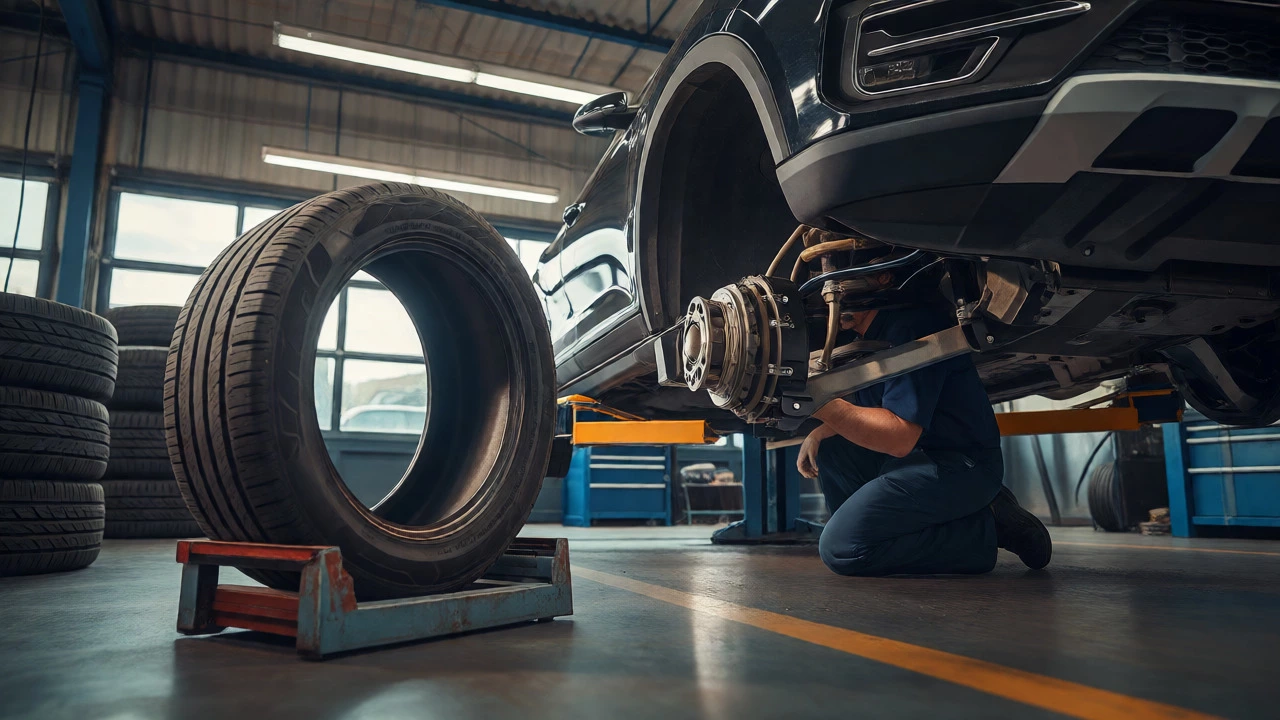
If you own an All-Wheel Drive (AWD) or Four-Wheel Drive (4WD) vehicle, the rules are stricter. Most manufacturers require all four tires to be replaced simultaneously. A mismatched circumference-even by a few millimeters-can force the center differential to work harder, leading to expensive transmission repairs. If you must replace only two, ensure they are identical in size, speed rating, and ideally, brand to minimize rotational variance.
Signs Beyond Tread: Bulges, Punctures, and Noise
Sometimes, a tire needs replacing long before the tread is gone. Inspect the sidewalls regularly. Look for bubbles or bulges. This indicates internal structural damage, usually from hitting a pothole. The air pressure pushes against the weakened inner lining, creating a blister. These will burst unexpectedly, often at high speeds.
Also, listen to your car. New tires are quiet. As they wear, they can become louder, especially if the tread blocks are unevenly worn. A constant drone or humming noise that changes with speed is a clue. While some noise is normal for aggressive winter tires, sudden loudness suggests irregular wear or bearing issues.
Practical Tips for Extending Tire Life
You can’t stop time, but you can slow down wear. Keep your tire pressures correct. Check them once a month when the tires are cold. Under-inflated tires flex more, generating excess heat that breaks down the rubber. Rotate your tires every 6,000 to 8,000 miles. Front tires wear faster on FWD cars because they handle steering, acceleration, and most of the braking. Rotating ensures even wear across all four corners.
Avoid curb rash. Parking too close to the kerb damages the sidewall structure. And finally, avoid rapid acceleration and hard braking. Smooth driving saves fuel and preserves tread. If you live in a city with rough roads, expect shorter tire life. Potholes and debris accelerate degradation compared to smooth highway driving.
When to Call a Professional
If you see deep cuts exposing the fabric cords, replace the tire immediately. Do not attempt to repair sidewall damage; plugs are for treads, not sides. If your steering wheel vibrates at high speeds, it might be unbalanced wheels or warped brakes, but it could also be a separated tire belt. Get it checked by a specialist.
Remember, tires are the only part of your car touching the road. They support the weight, transfer power, and provide the grip that keeps you alive. Don’t skimp on quality. Cheap tires might save you £50 now, but if they fail in a wet emergency, the repair bill-or worse-will cost far more.
Can I replace just one tire?
Yes, for standard two-wheel-drive vehicles, provided the other tires have at least 4-5mm of tread remaining. Always place the new tire on the rear axle to prevent spinning out. For AWD vehicles, consult your manual, as replacing all four is often required to protect the drivetrain.
Is 3mm tread safe for winter driving?
No. Winter tires rely on deep sipes and grooves to bite into snow and ice. At 3mm, these features are largely ineffective. Many countries legally require 3mm or 4mm for winter conditions, but performance drops significantly below 4mm.
How do I find the manufacturing date of my tire?
Look for a four-digit code on the sidewall near the rim, often inside an oval. The first two digits indicate the week, and the last two indicate the year. For example, '1524' means the tire was made in the 15th week of 2024.
Do spare tires need replacing too?
Yes. Full-size spares age just like regular tires. Even if never used, the rubber degrades. Check the date code. If it’s over 6-10 years old, consider replacing it, especially if you plan to use it for long distances.
What happens if I drive on tires below 1.6mm?
You face a fine of up to £2,500 and 3 penalty points per illegal tire. More importantly, your stopping distance in wet weather increases dramatically, raising the risk of accidents and insurance claim disputes.