Fuel Pump Risk Assessment Tool
What's happening with your car?
Select all symptoms you're experiencing. This tool calculates your immediate risk level based on the article's diagnostic criteria.
Select symptoms to see your risk assessment
Driving with a bad fuel pump isn’t just risky-it’s a countdown to being stranded. If your car sputters at highway speeds, hesitates when you step on the gas, or won’t start after sitting for a few hours, your fuel pump might be failing. And no, you shouldn’t ignore it. This isn’t one of those "it’ll work for now" problems. A failing fuel pump can leave you stranded on a busy road, damage your engine, or even cause a fire. Here’s what you need to know before you turn the key again.
What a Fuel Pump Actually Does
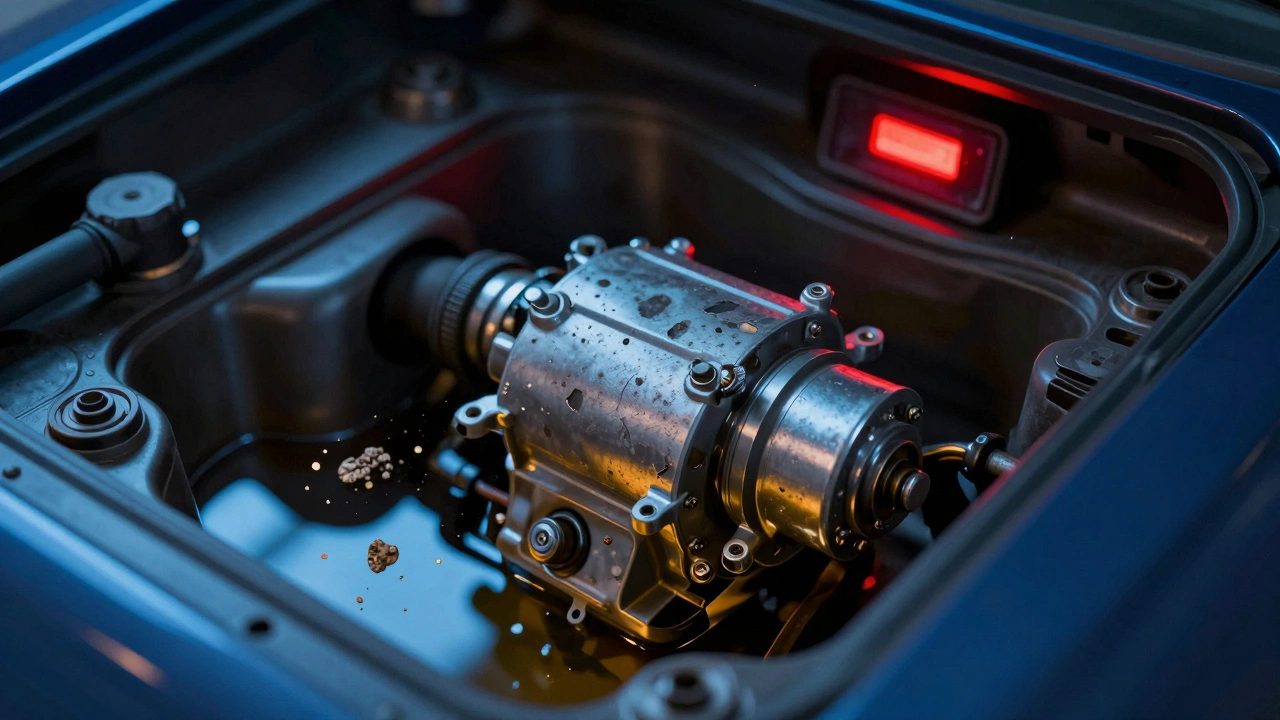
Your fuel pump isn’t just a small part tucked under the car. It’s the heart of your fuel system. Located inside the gas tank on most modern vehicles, it pushes gasoline from the tank to the engine at the right pressure. Without it, fuel doesn’t reach the injectors. The engine doesn’t get fuel. And no fuel means no combustion. No combustion means no movement.
Modern fuel pumps are electric and run continuously while the engine is on. They’re designed to last 100,000 to 150,000 miles, but many fail sooner due to dirty fuel, running on empty often, or poor-quality replacements. If your car is older than 8 years or has over 80,000 miles, and you’re noticing performance issues, the pump is a likely suspect.
Signs Your Fuel Pump Is Failing
You don’t need a diagnostic tool to know something’s wrong. These are the real-world signs drivers notice:
- Engine sputtering at high speeds-especially on the highway. It feels like the engine is choking, then catches again. This happens because the pump can’t keep up with demand.
- Loss of power under load-when climbing hills or accelerating hard, the car feels sluggish. The pump can’t deliver enough fuel under pressure.
- Difficulty starting-you turn the key and hear the fuel pump hum for a second, but the engine won’t catch. It might start after waiting 10 minutes, then die again. That’s a classic sign of a weak pump.
- Engine stalling at idle-especially after warming up. The pump can’t maintain low-pressure flow when the engine isn’t demanding much.
- Whining noise from the fuel tank-a loud, high-pitched whine instead of a quiet hum means the pump’s bearings are wearing out.
- Check Engine light with P0190 or P0087 codes-these point to fuel system pressure issues. Not always the pump, but often.
If you’ve noticed even one of these, don’t wait for the second. A failing pump doesn’t get better. It gets worse-fast.
What Happens If You Keep Driving
Some people think, "It still runs, so why fix it?" That’s the mindset that ends with a tow truck bill and a damaged engine.
Driving with a weak fuel pump puts extra strain on the entire fuel system. The pump works harder to push fuel, overheating faster. This can melt internal seals or cause the motor to seize. Once it dies completely, your car won’t start-not even after jumping the battery or adding gas.
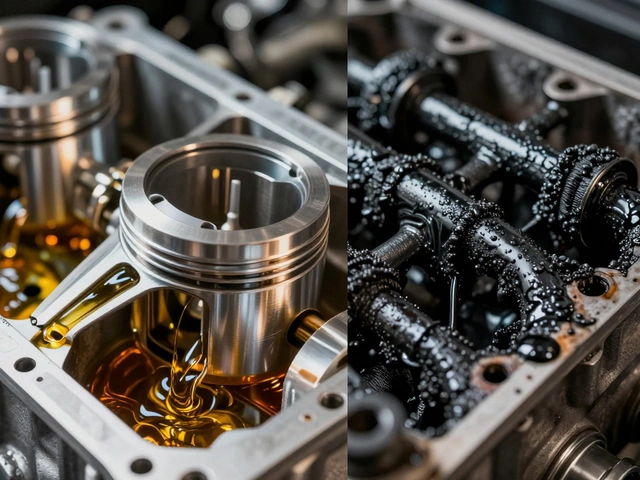
Worse, a failing pump can send metal shavings or debris into the fuel lines and injectors. These tiny particles can clog fuel injectors, which cost $300 to $800 each to replace. In direct injection engines, a clogged injector can cause misfires, carbon buildup, and even piston damage.
And yes, there’s a fire risk. A fuel pump that’s overheating or leaking internally can ignite fuel vapors in the tank. It’s rare, but it’s happened. The National Highway Traffic Safety Administration (NHTSA) has issued recalls for fuel pumps that overheated in tanks, leading to fires in parked vehicles.
Bottom line: Driving with a bad fuel pump isn’t saving you money. It’s just delaying a much bigger repair.
How Long Can You Really Drive With a Bad Fuel Pump?
There’s no safe answer. Some pumps die suddenly. Others limp along for weeks. But here’s what mechanics see in the shop:
- If the pump is just weak-sputtering on hills-it might last 1-2 weeks with light driving.
- If it’s starting to fail intermittently-car won’t start in the morning but works after sitting-it could die any day.
- If you’ve heard the whining noise for more than a few days, you’re already in the danger zone.
There’s no magic number. But if you’re driving more than 20 miles a day, you’re increasing your chances of getting stuck. And if you drive on rural roads, highways with no breakdown lanes, or in bad weather? Don’t risk it.
What to Do Right Now
Step one: Stop driving it as much as possible.
Step two: Check the fuel level. Running on empty is the #1 killer of fuel pumps. Even if you think you have a quarter tank, that’s not enough. Gas acts as coolant for the pump. When the level drops too low, the pump overheats and wears out faster.
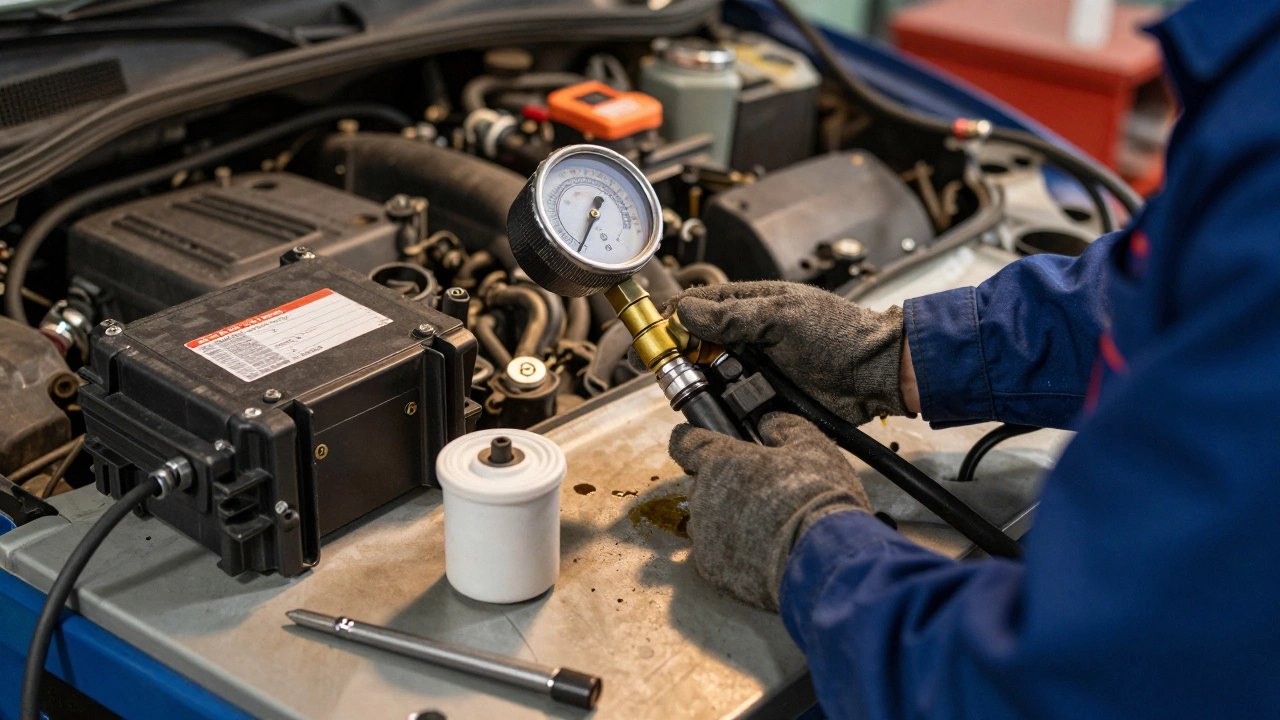
Step three: Get it diagnosed properly. A code reader won’t always catch a bad pump. Mechanics test fuel pressure with a gauge. If pressure drops below 45 psi under load (varies by model), the pump is failing. Most shops charge $50-$100 for this test, but it’s worth it. Don’t replace the pump without confirmation.
Step four: Replace it with a quality part. Cheap aftermarket pumps fail in under 6 months. Stick with OEM (original equipment manufacturer) or reputable brands like Bosch, Denso, or Delphi. They cost more upfront-$250 to $600 for the part-but they last. A $120 pump from a discount store might save you cash now, but you’ll pay twice over in labor and frustration.
Step five: Replace the fuel filter at the same time. Most fuel filters are cheap ($20-$50) and often clogged when the pump is failing. A new filter protects your new pump from debris.
Can You Fix It Yourself?
Replacing a fuel pump isn’t for beginners, but it’s doable if you’re comfortable with basic tools and safety precautions.
Here’s the process:
- Relieve fuel pressure by disconnecting the fuel pump fuse and running the engine until it stalls.
- Drain the tank to under 1/4 full. Less fuel means less weight and less risk of spillage.
- Remove the back seat or access panel to reach the fuel pump module.
- Disconnect electrical connectors and fuel lines. Use a fuel line disconnect tool to avoid leaks.
- Remove the old pump and install the new one. Make sure the rubber seals are clean and intact.
- Reconnect everything, refill the tank, and test.
Most vehicles take 3-5 hours. If you’re not confident, pay a mechanic. A bad fuel pump installation can cause fuel leaks, which are extremely dangerous. And if you damage the fuel tank or wiring, the repair cost skyrockets.
How to Prevent This in the Future
Prevention is cheaper than replacement.
- Never run on empty. Keep at least a quarter tank at all times. This keeps the pump submerged and cooled.
- Use quality fuel. Cheap gas often has more contaminants. Stick to top-tier gasoline brands.
- Replace the fuel filter every 40,000 miles. Many manufacturers say 60,000, but if you drive in dusty areas or use lower-grade fuel, do it sooner.
- Avoid long idling. Sitting in traffic with the engine running for hours puts extra strain on the pump.
- Listen to your car. That faint whine you heard last month? It’s not normal. Get it checked.
These habits won’t guarantee your pump lasts forever-but they’ll give it the best shot.
Final Answer: Should You Drive With a Bad Fuel Pump?
No. Not even for a short trip.
Driving with a failing fuel pump is like driving with worn brakes and hoping they don’t fail on a downhill. You might make it to the next light. But when it fails, you won’t have time to react.
The cost of replacing a fuel pump? $400-$900 depending on your car. The cost of being stranded on a highway at night? Priceless. The cost of damaged injectors or a fire? Catastrophic.
Don’t gamble with your safety. Don’t gamble with your wallet. Get it fixed now. Your future self-and your car-will thank you.