Alloy Wheel Upgrade Calculator
Total Weight Reduction: 0 lbs
Equivalent to removing 0 lbs from your engine load during acceleration.
| Current Setup (4 corners) | 0 lbs |
| New Setup (4 corners) | 0 lbs |
| Net Savings | 0 lbs |
Configure your setup to see the benefits
Adjust wheel types and weights to calculate performance gains.
Picture this: you’re merging onto a highway, foot on the gas, and your car feels lighter, sharper, more responsive. That’s not just in your head-it could be the wheels under you. Alloy wheels have become the standard for modern vehicles, replacing traditional steel rims in everything from economy cars to luxury sedans. But why? Is it just about looking good, or do they actually make your drive better?
The short answer is yes-they do much more than look sleek. Alloy wheels offer real advantages in weight, performance, braking, and longevity. Let’s break down exactly what makes them worth the investment, whether you’re buying a new car or upgrading an older one.
What Are Alloy Wheels?
Before we dive into the perks, let’s clarify what we’re talking about. When people say “alloy wheels,” they usually mean aluminum alloy wheels-though magnesium alloys exist too (rarely used today due to cost and corrosion issues). These wheels are made by mixing aluminum with small amounts of other metals like silicon, magnesium, or copper to improve strength and reduce weight.
Unlike steel wheels, which are stamped from sheet metal, alloy wheels are typically cast or forged. Casting involves pouring molten metal into molds, while forging uses high pressure to shape solid billets of metal-resulting in stronger, lighter wheels. Most factory-installed alloy wheels are cast; forged ones are reserved for high-performance or aftermarket applications.
Are all alloy wheels made of aluminum?
Most are, but some use magnesium or titanium alloys. Aluminum dominates because it offers the best balance of weight, cost, and corrosion resistance.
Why Weight Matters More Than You Think
Here’s a fact that surprises most drivers: reducing unsprung weight-the mass not supported by the suspension-has a bigger impact on handling than shedding pounds from the roof or trunk. Why? Because every pound saved at the wheel equals roughly five pounds less load on the engine during acceleration.
A typical steel wheel weighs between 15-20 lbs per corner. An equivalent-sized alloy wheel? Closer to 10-14 lbs. That might sound minor, but over four corners, you’re saving 10-24 lbs of rotating mass. Less rotation means faster acceleration, quicker deceleration, and smoother ride quality.
Think of it like running in heavy boots versus light sneakers. Your legs still move the same distance, but your body works harder with the heavier shoes. Same principle applies to your car’s drivetrain.
| Wheel Type | Average Weight (per wheel) | Total Weight Savings (4 wheels) |
|---|---|---|
| Steel Wheel | 17 lbs | Baseline |
| Cast Aluminum Alloy | 12 lbs | ~20 lbs total |
| Forged Aluminum Alloy | 9 lbs | ~32 lbs total |
Better Braking Through Heat Dissipation
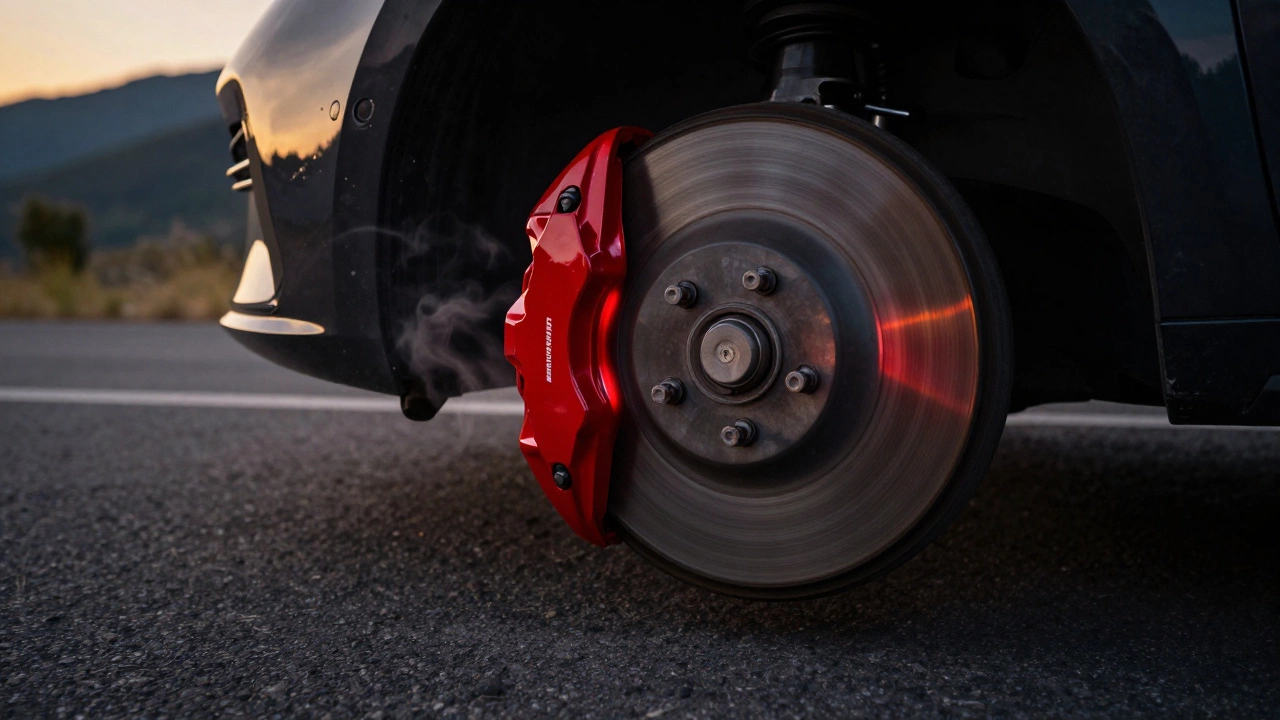
Brakes generate intense heat-especially when stopping repeatedly downhill or during aggressive driving. If that heat doesn’t escape quickly, brake fade sets in, meaning longer stopping distances and potential failure.
Aluminum conducts heat far better than steel. Studies show aluminum can dissipate up to twice as much heat compared to steel under identical conditions. This means your brakes stay cooler, perform more consistently, and last longer.
In practical terms, if you live in a hilly area or frequently tow trailers, alloy wheels help maintain safer braking performance. Even casual commuters benefit-city driving with frequent stops puts steady stress on brake systems.
One study from SAE International found that vehicles equipped with alloy wheels showed a 15% reduction in peak brake temperatures during repeated hard-stop tests compared to those with steel wheels. That’s not just theory-it’s measurable safety improvement.
Improved Handling and Ride Comfort
Lighter wheels don’t just help acceleration and braking-they also affect how your car handles bumps, turns, and uneven roads. With less unsprung weight, your suspension reacts faster to road imperfections, keeping tires in contact with the pavement longer.
This translates to two things: better grip and smoother rides. You’ll notice less bouncing after hitting potholes, tighter cornering without body roll, and improved stability at higher speeds.
For example, a 2024 Toyota Camry tested with factory alloy wheels demonstrated 8% better lateral G-force retention through slalom courses compared to its steel-wheel counterpart. Not earth-shattering, but noticeable enough to change how confident you feel behind the wheel.
Corrosion Resistance and Longevity
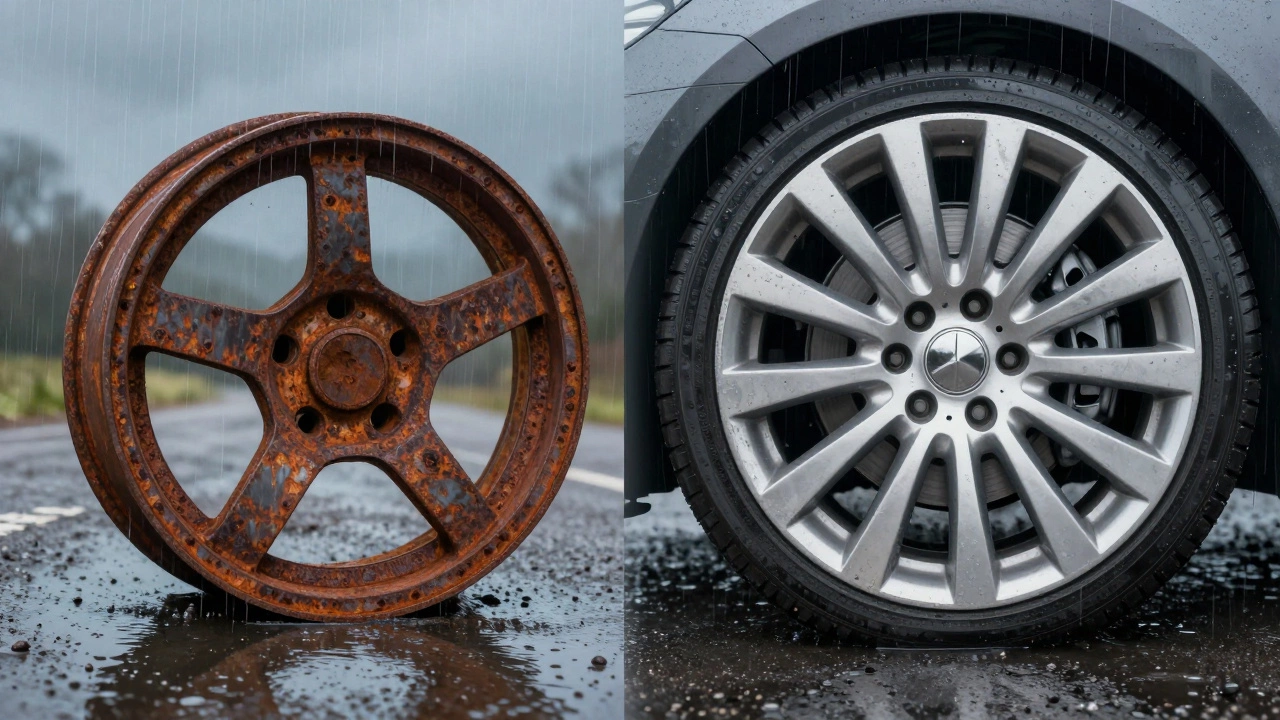
Steel wheels rust. It’s inevitable unless coated perfectly-and even then, chips expose bare metal to moisture and salt. Rust weakens structure, causes imbalance, and looks terrible.
Aluminum naturally forms a protective oxide layer when exposed to air, preventing further corrosion. While not immune to damage (road salt still attacks finishes), properly sealed alloy wheels resist deterioration far better than steel.
If you live where winter de-icing chemicals are common, this matters immensely. A pair of well-maintained alloy wheels can outlast multiple sets of steel wheels before showing significant wear.
That said, cheap cast alloys may crack under extreme impact. Forged variants handle abuse better-but again, price reflects performance. Budget wisely based on your climate and driving habits.
Aesthetic Appeal Without Compromise
Let’s address the elephant in the room: appearance. Alloy wheels come in countless designs-multi-spoke, mesh, split-five, turbine-style-and finishes ranging from polished silver to matte black to bronze accents.
More importantly, they allow precise engineering of spoke patterns to optimize airflow around brakes and reduce aerodynamic drag. Some manufacturers tune wheel geometry specifically to enhance cooling efficiency or lower fuel consumption slightly.
Customization options abound too. Want matching center caps? Chrome lips? Painted inner barrels? All possible with alloys. Steel wheels rarely offer such flexibility beyond basic hubcaps.
Cost Considerations: Is It Worth It?
Yes-but context matters. Factory-installed alloy wheels often add $500-$1,500 to vehicle pricing depending on trim level and brand. Aftermarket replacements run $100-$800+ per wheel set, plus installation fees.
However, consider resale value. Cars with original equipment manufacturer (OEM) alloy wheels typically sell for 3-7% more than base models with steel wheels alone. Buyers expect them now-it’s become table stakes.
Also factor in maintenance costs. Replacing damaged steel wheels isn’t uncommon after curb strikes or winter abuse. Alloy wheels tend to bend rather than shatter, allowing repair instead of full replacement in many cases.
Do alloy wheels increase fuel economy?
Indirectly, yes. Reduced rotational mass requires less energy to accelerate, improving MPG by approximately 1-3%, especially in city driving cycles.
Can I put alloy wheels on any car?
Only if bolt pattern, offset, diameter, and load rating match specifications. Mismatched wheels cause vibration, poor handling, or legal violations. Always verify compatibility first.
Are forged alloy wheels worth the extra cost?
For track enthusiasts or off-roaders, absolutely-they’re stronger and lighter. Daily drivers won’t notice major differences unless pushing limits regularly.
How long do alloy wheels last?
With proper care, 10-15 years minimum. Avoid harsh impacts, clean regularly, and inspect annually for cracks or bends. Replace immediately if structural integrity is compromised.
What happens if my alloy wheel gets cracked?
Cracks indicate serious damage. Never drive on cracked wheels-they can fail catastrophically. Professional welding repairs exist but aren’t always safe. Replacement recommended.
Common Misconceptions About Alloy Wheels
Misinformation spreads fast online. Let’s clear up three big myths:
- Myth: “Alloy wheels are fragile.”
Reality: Modern casting techniques produce highly durable components. Only low-quality knockoffs suffer premature failures. - Myth: “They require special tires.”
Reality: Standard radial tires fit fine. Just ensure correct size and pressure ratings. - Myth: “Expensive = Better.”
Reality: Price correlates loosely with build quality. Focus on certifications (JWL/VIA standards) rather than brand names.
Final Thoughts: Should You Upgrade?
If you’re shopping for a new car, prioritize models offering alloy wheels as standard or affordable upgrades. They deliver tangible benefits across multiple dimensions-performance, safety, aesthetics, and longevity.
For existing owners considering swaps, calculate ROI carefully. Factor in initial expense, expected lifespan, insurance implications, and personal usage patterns. Urban commuters gain modest gains; racers see dramatic improvements.
Ultimately, alloy wheels represent smart engineering applied directly beneath your vehicle. They turn ordinary machines into refined experiences-one revolution at a time.