Spark Plug Diagnostic Tool
Select the appearance of your removed spark plug tip below to identify potential engine issues and recommended actions.
Light Tan / Grey
HealthyBlack Sooty (Dry)
WarningGlossy Black (Wet)
CriticalWhite Blistered
OverheatGreyish White Deposits
ContaminationDiagnosis Result
You’re cruising down the M5, and suddenly your car starts to shudder. The check engine light flickers on, or maybe you just notice a slight hesitation when you press the gas. It’s annoying, but it’s also a very common symptom of one tiny component giving up: the spark plug. These small metal-and-ceramic components are the unsung heroes of your internal combustion engine, creating the electrical arc that ignites the fuel-air mixture. But they don’t last forever. In fact, most drivers replace them every 30,000 to 100,000 miles, depending on the type. If yours failed early, something went wrong. Let’s break down exactly why spark plugs go bad, so you can stop guessing and start fixing.
The Core Job of a Spark Plug
To understand why they fail, you first need to know what they do. A spark plug is an electrical component that delivers high-voltage electricity from the ignition system to the combustion chamber. This voltage-often exceeding 40,000 volts-jumps across a tiny gap between two electrodes, creating a spark. That spark ignites the compressed air and fuel mixture, causing an explosion that pushes the piston down. Simple, right? Not quite. This process happens thousands of times per minute, under extreme heat and pressure. The plug has to survive temperatures over 800°C (1,472°F) while staying clean enough for the spark to jump freely. When this delicate balance breaks, performance drops immediately.
Common Causes of Premature Failure
Most people think spark plugs just wear out with age. While time plays a role, specific mechanical issues often kill them much faster. Here are the four main culprits:
- Fouling: This is the big one. Fouling happens when deposits build up on the electrode, preventing the spark from jumping. There are different types of fouling, each telling a different story about your engine’s health.
- Heat Damage: If the plug runs too hot, the electrode melts or erodes. This usually points to incorrect installation torque or a cooling system issue.
- Physical Wear: Over time, the constant sparking literally burns away the electrode material. The gap widens, requiring more voltage to jump, which strains the ignition coil.
- Improper Installation: Cross-threading a plug into the cylinder head can crack the ceramic insulator, leading to immediate misfires or long-term leaks.
Decoding the Color: What Your Plugs Are Telling You
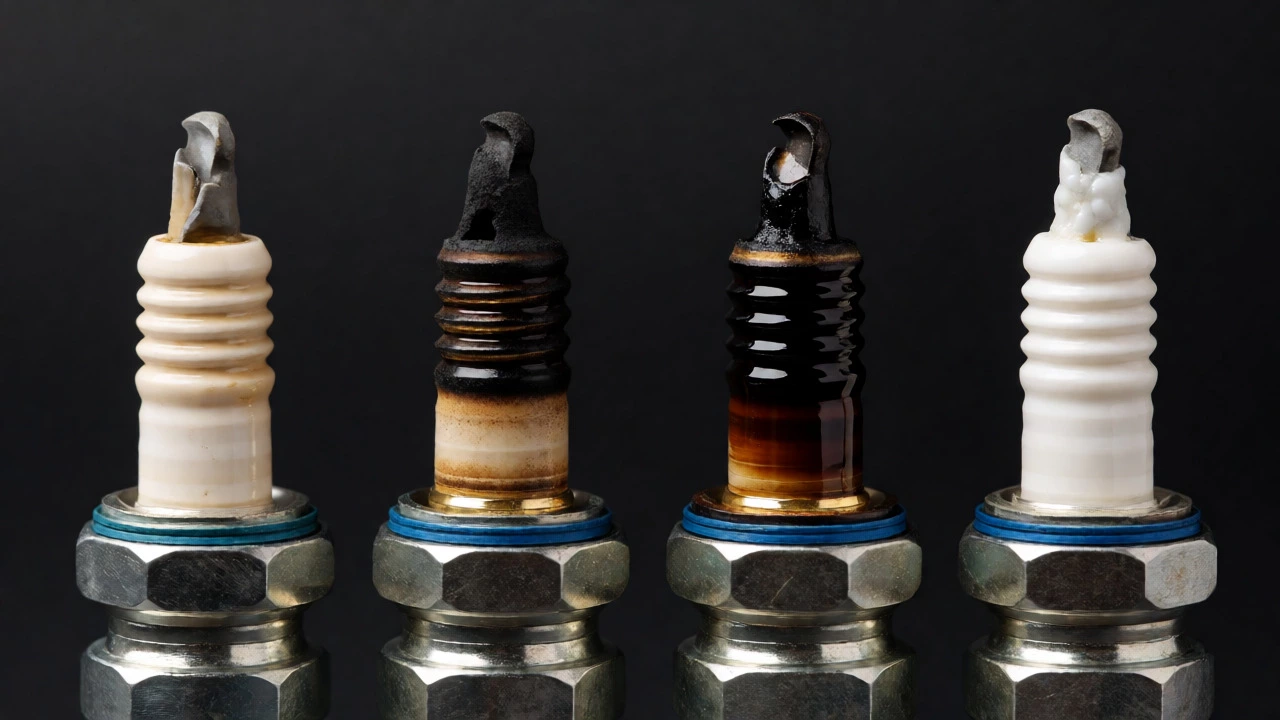
Mechanics love looking at old spark plugs because their color reveals hidden problems. Think of it as reading your engine’s diary. If you pull a plug, look at the tip before throwing it away.
| Plug Appearance | Likely Cause | Action Required |
|---|---|---|
| Light Tan/Grey | Normal Operation | No action needed; healthy engine. |
| Black Sooty Dry | Rich Fuel Mixture or Oil Burning | Check air filter, fuel injectors, or valve seals. |
| Glossy Black Wet | Oil Fouling | Inspect PCV valve, turbo seals, or piston rings. |
| White Blistered | Overheating / Lean Mixture | Check coolant levels, timing, or intake leaks. |
| Greyish White Deposits | Additive Contamination | Switch fuel brands or stop using fuel additives. |
If you see black soot, your engine is running rich (too much fuel, not enough air). This could be a clogged air filter or a leaking fuel injector. If the plug looks wet and oily, oil is getting into the combustion chamber, likely past worn piston rings or valve stem seals. White, blistered tips mean the engine ran too hot, possibly due to a lean mixture (too much air) or advanced ignition timing.
The Impact of Modern Technology
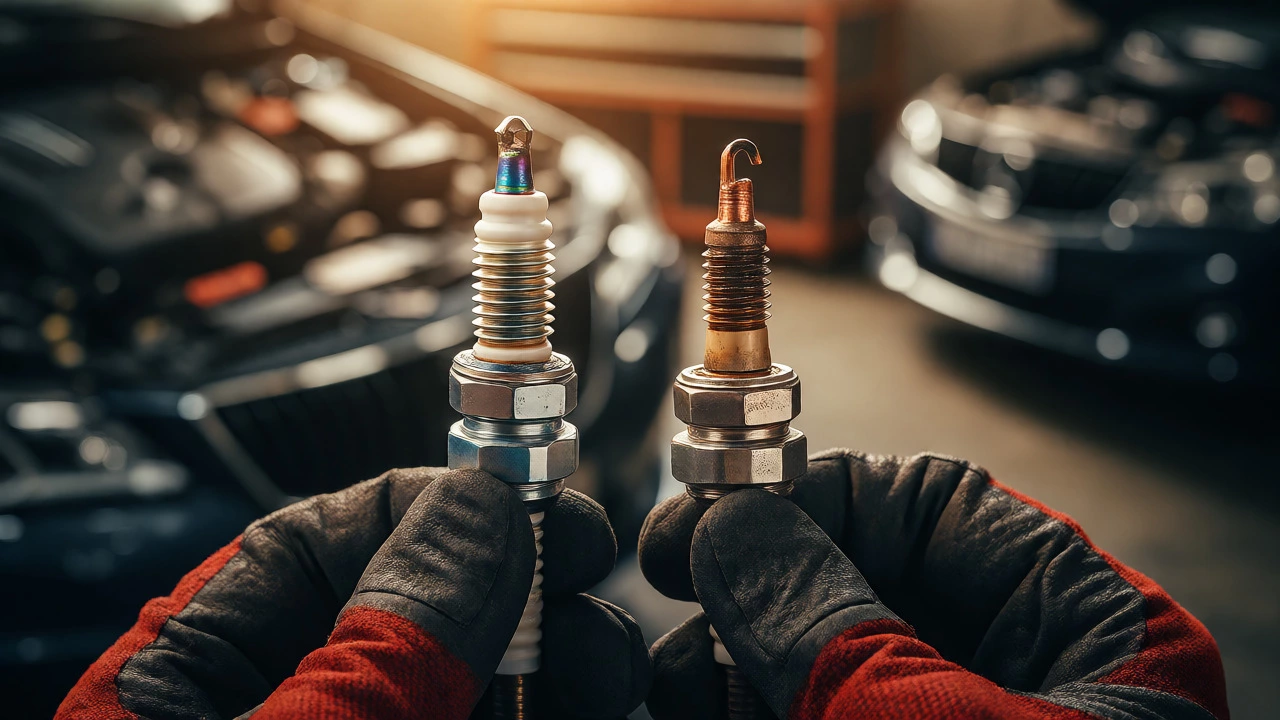
Older cars used simple copper-core plugs that lasted about 30,000 miles. Today, many vehicles use platinum or iridium tipped plugs. These precious metals resist erosion better, allowing for finer electrodes. Finer electrodes require less voltage to create a spark, improving efficiency. However, they are also more sensitive to poor maintenance. If you neglect your air filter in a modern direct-injection engine, carbon builds up quickly on those fine iridium tips, causing misfires sooner than you’d expect. Using the wrong plug type-like putting a standard copper plug in a car designed for iridium-can lead to rapid failure because the ignition system isn’t calibrated for the wider gap of older technology.
How Driving Habits Affect Lifespan
Your driving style matters more than you think. Short trips are tough on spark plugs. Engines need to reach operating temperature to burn off carbon deposits naturally. If you only drive five minutes to the shops, the engine stays cool, and soot accumulates on the plugs without being burned away. This is called "wet stacking" or mild fouling. Conversely, aggressive driving at high RPMs increases heat and stress on the electrodes. If you track your car regularly, you’ll need to inspect plugs more frequently than someone who does steady highway commutes.
When to Replace: Don’t Wait for Failure
Should you wait until the car shakes? No. By then, you’ve likely damaged other parts. A weak spark forces the ignition coil to work harder, potentially burning it out. Unburnt fuel can wash oil off cylinder walls, increasing wear, or damage the catalytic converter. Most manufacturers recommend replacement intervals based on mileage, but treat these as guidelines, not laws. If you notice any of these signs, check your plugs:
- Difficulty starting the engine, especially in cold weather.
- Rough idling or shaking at traffic lights.
- Sudden drop in fuel economy.
- Lack of acceleration power.
- Engine misfires under load (like climbing a hill).
Replacing spark plugs is relatively cheap compared to replacing a catalytic converter or an ignition coil. Doing it proactively saves money and keeps your engine running smoothly. Always check your owner’s manual for the correct heat range and gap specification. Using the wrong plug is like wearing shoes three sizes too small-it might fit, but it won’t work well for long.
Can I clean my spark plugs instead of replacing them?
You can clean lightly fouled plugs with a wire brush or spray cleaner, but this is rarely worth the effort for modern engines. Cleaning doesn't restore the electrode shape or fix internal insulation cracks. For platinum or iridium plugs, cleaning is generally not recommended as it can damage the fine tip. Replacement is safer and ensures optimal performance.
What happens if I put the wrong spark plug in my car?
Using the wrong plug can cause serious issues. If the heat range is too cold, it will foul quickly. If it's too hot, it can pre-ignite fuel, causing engine knocking or melted pistons. Incorrect thread length can interfere with piston movement or leave carbon traps. Always match the manufacturer's specified part number.
How long do iridium spark plugs really last?
Iridium spark plugs typically last between 60,000 and 100,000 miles under normal conditions. However, severe driving habits, such as frequent short trips or heavy towing, can reduce this lifespan by 20-30%. Regular inspection is key to catching wear before it causes misfires.
Do spark plugs affect fuel economy?
Yes, significantly. Worn or fouled plugs create weak sparks, leading to incomplete combustion. This wastes fuel because unburnt gasoline exits through the exhaust. Replacing old plugs can improve fuel economy by up to 10% in some cases, paying for the cost of the parts quickly.
Is it safe to drive with a bad spark plug?
Driving briefly with one bad plug is usually okay, but prolonged driving can cause damage. Unburnt fuel can destroy your catalytic converter, which is expensive to replace. It can also foul the remaining good plugs and strain the ignition coils. Fix it as soon as possible.