
When your car hits a bump, shock absorbers, devices that control spring movement to keep tires on the road. Also known as dampers, they’re not just there to make the ride smoother—they’re critical for braking, steering, and overall safety. Without them, your tires bounce instead of gripping. That means longer stopping distances, poor handling in wet conditions, and a higher chance of losing control. Most people think shock absorbers last forever, but they wear out quietly—often after 50,000 to 80,000 miles.
They work with your suspension system, the network of springs, struts, and links that connect your wheels to the chassis. If your shocks are gone, your springs go wild. That’s why you might notice your car nosediving when you brake, or bouncing over small bumps like a trampoline. It’s not just uncomfortable—it’s dangerous. A failing suspension affects tire wear, alignment, and even your brake pads. You might not hear a loud noise, but you’ll feel the difference in how your car responds.
Common signs? Excessive bouncing after hitting a bump, uneven tire wear, a nose-dive when braking, or oil leaking from the shock body. If you’ve noticed your car feels floaty on highways or sways more than usual in crosswinds, those aren’t just quirks—they’re warnings. Many drivers wait until the ride feels terrible, but by then, other parts are already taking damage. Replacing worn shocks isn’t a luxury; it’s a smart move to protect your tires, brakes, and steering components.
Shock absorbers don’t fail all at once. They fade slowly. That’s why it’s easy to ignore them—until you’re driving on a rough road and realize your car doesn’t feel planted anymore. You don’t need to replace them on a strict schedule, but you should get them checked every 20,000 miles, especially if you drive on rough roads or carry heavy loads often. And if you’re replacing them, don’t just swap the shocks. Have your alignment checked too. Worn shocks throw off the angle of your tires, and that leads to faster wear and poor fuel economy.
What you’ll find below are real-world stories from drivers who ignored the signs—and those who caught them early. You’ll see how bad shocks affect braking, why some people think their car is "just old" when it’s really the suspension, and what actually happens when you wait too long. These aren’t theory pieces. They’re based on what mechanics see daily in Northwich, from everyday sedans to family SUVs. Whether you’re trying to figure out if your car needs new shocks or just want to understand why your ride feels off, the posts here give you the facts without the fluff.
 1 February 2026
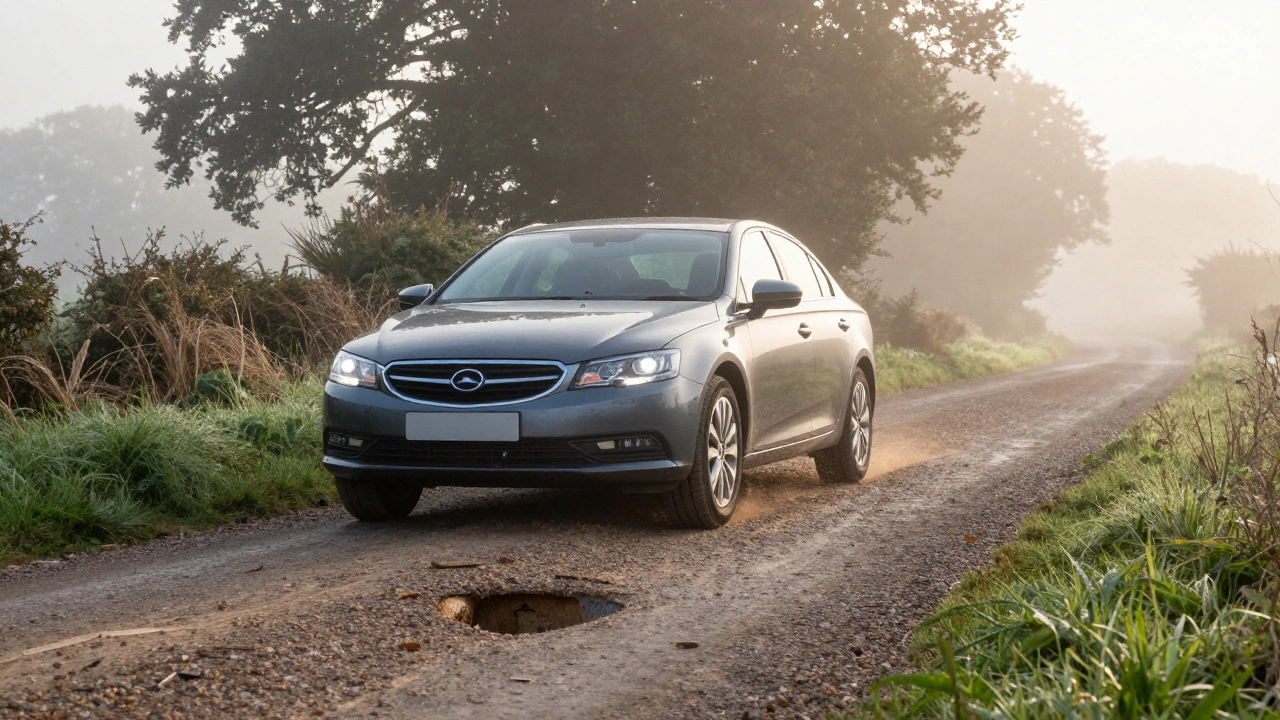
Discover the best suspension setups for bumpy roads, from budget-friendly spring upgrades to high-performance coilovers. Learn what works, what to avoid, and how to choose based on your driving conditions.
 20 November 2025
Learn how to improve suspension comfort with simple, affordable upgrades like new shocks, better tires, and bushing replacements. Get a smoother ride without breaking the bank.
©2026 northwichtyrescentre.co.uk. All rights reserved



0