Fuel Pump Replacement Cost Estimator
Estimate Your Repair Costs
Get accurate estimates for fuel pump replacement based on your vehicle's condition and maintenance needs.
Estimated Repair Cost
Note: Costs vary by vehicle make, model, and location. This estimate includes standard fuel pump replacement.
When your car sputters on the highway, stalls at stoplights, or refuses to start after sitting overnight, the culprit isn’t always the battery or the spark plugs. More often than not, it’s a fuel pump that’s failing. And while there’s no magic fix to bring a dead fuel pump back to life, there are things you can do to keep the car running-temporarily-until you can replace it.
What a Bad Fuel Pump Actually Does
A fuel pump’s job is simple: it pushes gasoline from the tank to the engine at the right pressure. Modern fuel pumps are electric, mounted inside the gas tank, and controlled by the car’s computer. When it starts to fail, it doesn’t just stop working all at once. It gets weak. It hesitates. It overheats. It makes a whining noise you didn’t hear before.
Signs of a bad fuel pump include:
- Engine sputtering at high speeds
- Difficulty starting, especially when hot
- Loss of power under load (like going uphill)
- Engine stalling at idle
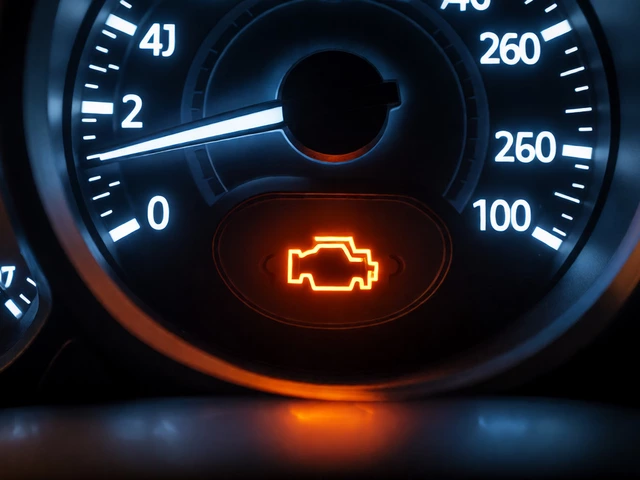
- Check Engine light with codes like P0190 or P0087 (fuel pressure issues)
These aren’t just annoyances-they’re warnings. A failing fuel pump can leave you stranded. And unlike a clogged air filter, you can’t just swap it out in 15 minutes. It’s buried in the tank. That’s why people look for shortcuts.
Can You Fix a Bad Fuel Pump Without Replacing It?
No. Not really.
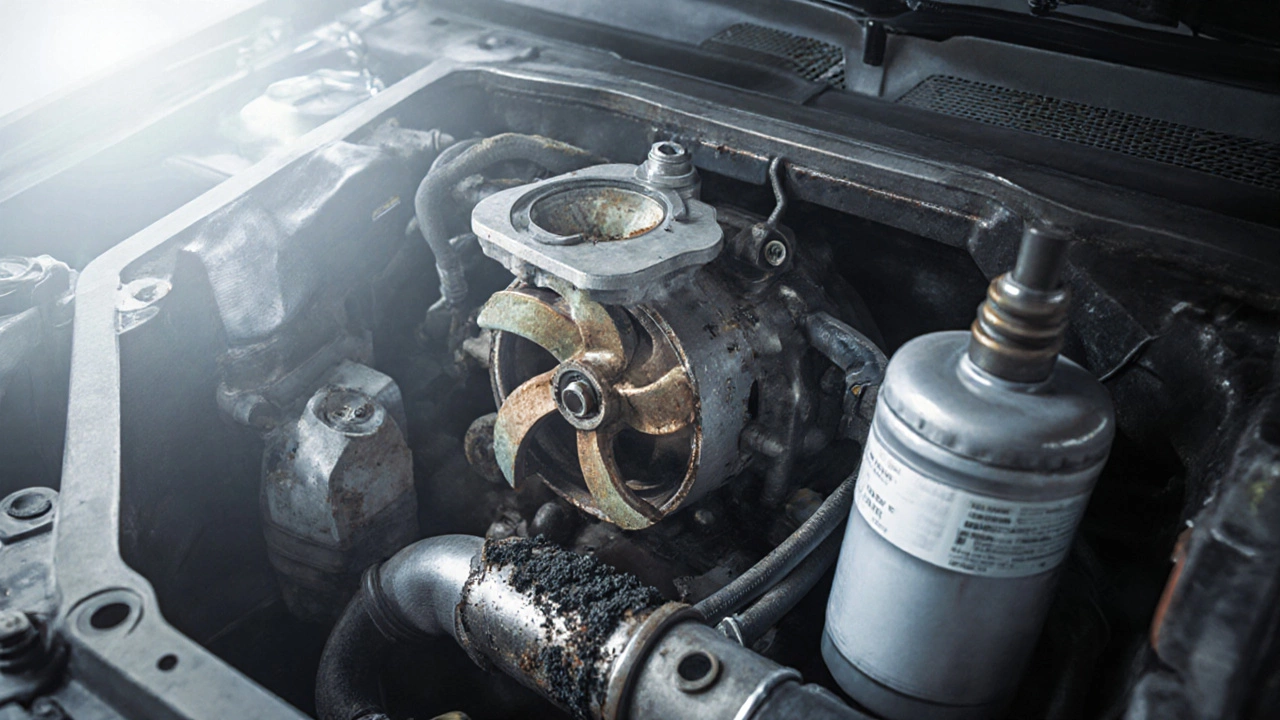
Fuel pumps are sealed units. You can’t open them up, clean the internal motor, or replace worn brushes like you can with an old power tool. Once the motor windings degrade, the impeller wears down, or the pressure regulator fails, the pump is done. There’s no DIY repair kit for it.
But here’s what people try anyway-and why some of it might give you a few extra days:
Fuel Pump Cleaner: A Temporary Band-Aid
Fuel system cleaners like Sea Foam, Techron, or Lucas Fuel Treatment don’t fix broken parts. But they can help if the problem is caused by dirty fuel, gunk in the injectors, or a partially clogged filter.
If your pump is struggling because debris is restricting flow, a good cleaner might clear enough buildup to restore pressure. It won’t fix a motor that’s overheating or a worn impeller. But if your car starts better after a tank of clean fuel and a bottle of cleaner, you’ve bought yourself time.
Use it right: Add the cleaner to a half-full tank, then drive hard for 20 minutes on the highway. Let the high flow flush the system. Don’t just idle around town.
Check the Fuel Filter First
Most cars have a fuel filter between the tank and the engine. Some are inside the tank with the pump, others are along the fuel line. If it’s clogged, the pump has to work harder. That extra strain wears it out faster.
Replacing a fuel filter costs $30-$80 and takes an hour. If you’ve never changed it, do it now-even if you think the pump is bad. You might be fixing the real problem.
Rule of thumb: If your car is over 8 years old and you don’t know when the last filter was replaced, assume it’s clogged.
Keep the Tank Above 1/4 Full
Fuel pumps are cooled by the gasoline around them. Running on empty makes the pump overheat. Overheating kills pumps faster.
If your pump is already failing, running low on gas is like pouring hot oil on a wound. Keep the tank at least a quarter full. Not just for safety-because it helps the pump survive longer.
Check the Electrical Connections
Corroded wires, a weak relay, or a blown fuse can make the pump seem dead when it’s not.
Under the hood, find the fuel pump relay (check your manual-it’s usually in the fuse box). Swap it with another relay of the same type (like the horn or AC relay). If the car starts after the swap, the relay was bad. Cost: $15. Time: 5 minutes.
Also check the ground wire near the tank. Rust or paint under the connection can kill the power supply. Clean it with sandpaper and tighten it.
What Doesn’t Work
There are a lot of myths out there.
- Tap the gas tank-Some people swear hitting the tank with a rubber mallet gets the pump going. It might jostle a stuck impeller for a second, but it’s not a fix. And you risk cracking the tank.
- Add oil to gas-This is dangerous. Oil doesn’t lubricate fuel pumps. It clogs injectors and sensors. Don’t do it.
- Use premium gas-Higher octane won’t help a failing pump. It might help if your engine is knocking, but not if the pump can’t deliver enough fuel.
These are desperation moves. They won’t save your car. They’ll just waste your money-and maybe cause more damage.
When You Must Replace the Fuel Pump
Here’s the hard truth: if your car has any of these symptoms, replacement is the only real solution:
- It won’t start after sitting for more than 10 minutes
- You hear a loud whine from the rear of the car when you turn the key
- It loses power consistently on highways or uphill
- Diagnostic tools show low fuel pressure (below 45 psi for most cars)
Don’t wait until you’re stranded. A fuel pump failure at 70 mph on the interstate is a serious safety risk.
Replacement costs vary. Labor is the big part. If the pump is inside the tank, the tank has to come out. That’s 3-5 hours of labor. Parts alone run $150-$400, depending on the car. Total: $400-$900.
But here’s a tip: if your car is older and the pump is failing, consider replacing the fuel filter and sender unit at the same time. They’re all in the same place. You’ll save on labor.
How to Pick a New Fuel Pump
Not all fuel pumps are created equal. OEM (original equipment) pumps are designed for your car’s exact pressure and flow needs. Aftermarket pumps? Some are good. Many are cheap copies.
Look for brands like Bosch, Denso, or Delphi. Avoid no-name brands sold on Amazon for under $100. They fail faster. I’ve seen them die in 6 months. OEM-grade pumps last 100,000+ miles.
Check the specs: pressure (psi), flow rate (gallons per hour), and voltage. Match them exactly to your car’s factory numbers. A pump that delivers too much pressure can damage fuel injectors. One that’s too weak won’t keep up.
Preventing Future Fuel Pump Failures
Once you replace it, don’t make the same mistakes.
- Always use quality fuel from reputable stations. Bad gas has water and debris.
- Change the fuel filter every 40,000 miles, even if the manual says longer.
- Never let the tank drop below 1/4 full.
- Use a fuel system cleaner every 15,000 miles-not as a fix, but as maintenance.
- Check the electrical connections during oil changes. Corrosion builds up slowly.
Fuel pumps don’t fail because they’re bad. They fail because they’re abused. Treat them right, and they’ll last as long as your engine.
What to Do Right Now
If your car is acting up:
- Check the fuel filter. Replace it if it’s old or dirty.
- Add a bottle of fuel system cleaner to a half-full tank. Drive hard for 20 minutes.
- Check the fuel pump relay. Swap it with another relay.
- Keep the tank above 1/4 full.
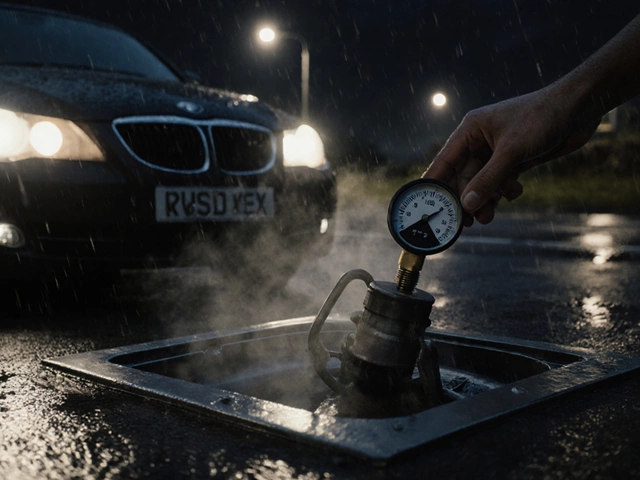
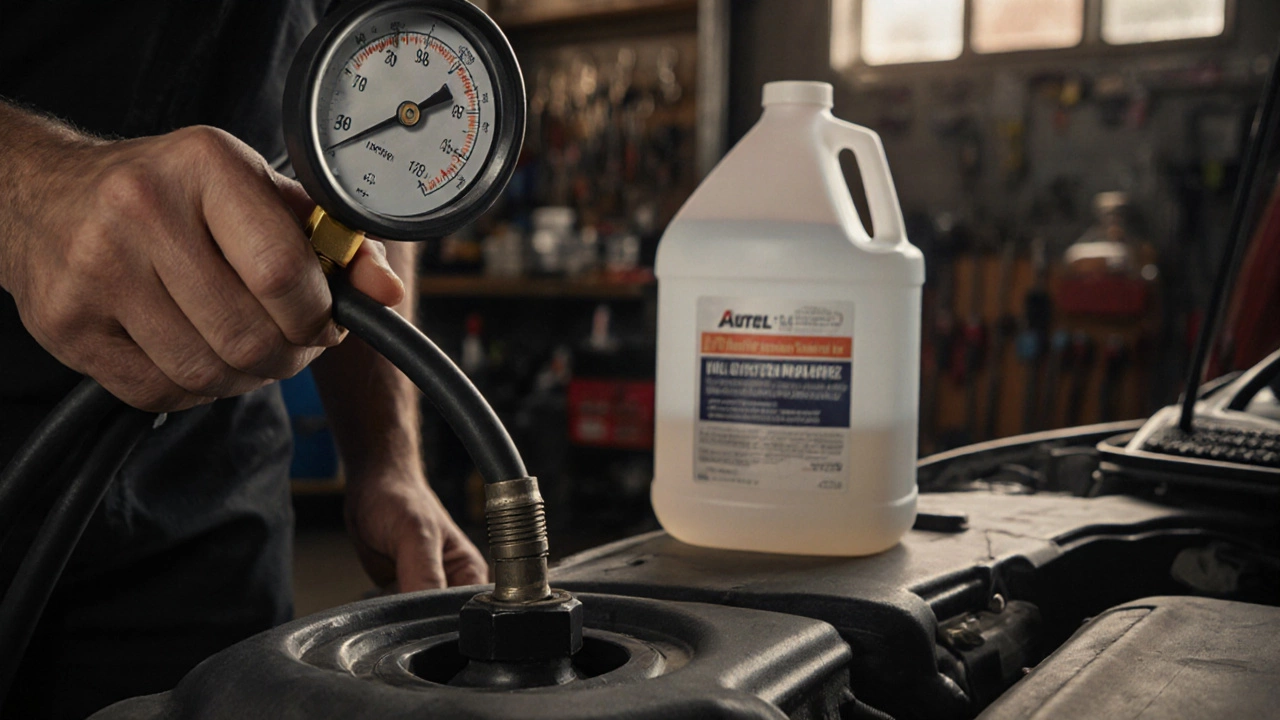
- If it still acts up, get a fuel pressure test. Auto parts stores like AutoZone do it for free.
- If pressure is low, plan for replacement. Don’t delay.
There’s no cure for a dead fuel pump. But there are smart ways to delay the inevitable-and avoid being left on the side of the road.
Can a fuel pump be cleaned instead of replaced?
No, you cannot clean the internal parts of a fuel pump. It’s a sealed unit. But you can clean the fuel system with a fuel additive to remove debris that’s clogging the flow. This might help if the pump is struggling due to dirty fuel, but it won’t fix a worn motor or broken impeller.
How long does a fuel pump usually last?
Most fuel pumps last between 100,000 and 150,000 miles. But running the tank low often, using bad fuel, or skipping fuel filter changes can cut that life in half. High-quality OEM pumps last longer than cheap aftermarket ones.
Can low fuel cause a fuel pump to fail?
Yes. Fuel pumps are cooled by the gasoline around them. Running on empty causes the pump to overheat. Repeated overheating damages the motor and shortens its lifespan. Keeping the tank at least 1/4 full is one of the best ways to extend pump life.
Is it safe to drive with a bad fuel pump?
It’s risky. A failing pump can stall your car while driving, especially at highway speeds. It can also cause engine misfires that damage the catalytic converter. If you notice symptoms like sputtering, stalling, or loss of power, get it checked immediately.
Will a fuel pump work again after it fails?
Sometimes, a failing pump might work again after cooling down-especially if it’s overheating. But this is a sign it’s about to die completely. It won’t get better. It will get worse. Don’t rely on it restarting. Plan for replacement.
Next Steps
If you’re still driving with a weak fuel pump, you’re gambling. Every time you start the car, you’re risking a breakdown. The longer you wait, the more likely you are to damage other parts-like the fuel injectors or engine sensors.
Don’t wait for it to die on the highway. Get a fuel pressure test. Replace the filter. If the pump is bad, replace it with a quality OEM-grade unit. It’s the only way to be sure your car won’t leave you behind.