
When your car suspension, the system that connects your vehicle to the road and absorbs bumps for a smooth ride. Also known as vehicle suspension, it includes shocks, struts, springs, and bushings that work together to keep your tires on the ground starts failing, you don’t just feel it—you notice it in every turn, every bump, every stop. A bad suspension doesn’t just make your ride uncomfortable. It makes it dangerous. If your car leans too much in corners, bounces after hitting a pothole, or pulls to one side when braking, those aren’t just annoyances. They’re red flags.
Most people think suspension issues are about noise or ride quality, but the real danger is control. Worn shocks, components that dampen spring movement to prevent bouncing or struts, combined shock and spring units that support the vehicle’s weight and affect alignment mean your tires lose contact with the road faster. That reduces braking distance, increases hydroplaning risk, and makes steering less responsive. You might not realize it, but a worn suspension can add 20% or more to your stopping distance. And if your wheel alignment, the angle at which your tires meet the road is off because of bent components or sagging springs, your tires wear unevenly—eating through tread in weeks instead of years.
Common signs? A bouncy ride after hitting a bump, your car dipping forward when you brake, or one corner sitting lower than the others. You might hear clunking when going over speed bumps or feel the steering wheel vibrate. These aren’t normal. They’re symptoms of worn bushings, broken springs, or leaking fluid in the shocks. And if you’ve noticed your car drifting or pulling to one side—even slightly—it’s not just tire pressure. It’s suspension misalignment or damage.
Fixing this isn’t about replacing parts blindly. A proper car suspension diagnosis checks each component: shocks for leaks, struts for wear, bushings for cracks, and alignment for angles. It’s not something you can guess by looking. That’s why mechanics use lift systems, alignment lasers, and bounce tests. You don’t need to know the tools—but you do need to know when to get them used.
The posts below cover real cases from drivers who ignored these signs—and what happened next. You’ll find what worn shocks really sound like, how bad alignment eats tires, why replacing just one strut is a mistake, and how to tell if your suspension is failing before it costs you a new tire, brake, or worse. No fluff. Just what you need to spot the problem, understand the fix, and avoid being stranded or overcharged.
 4 December 2025
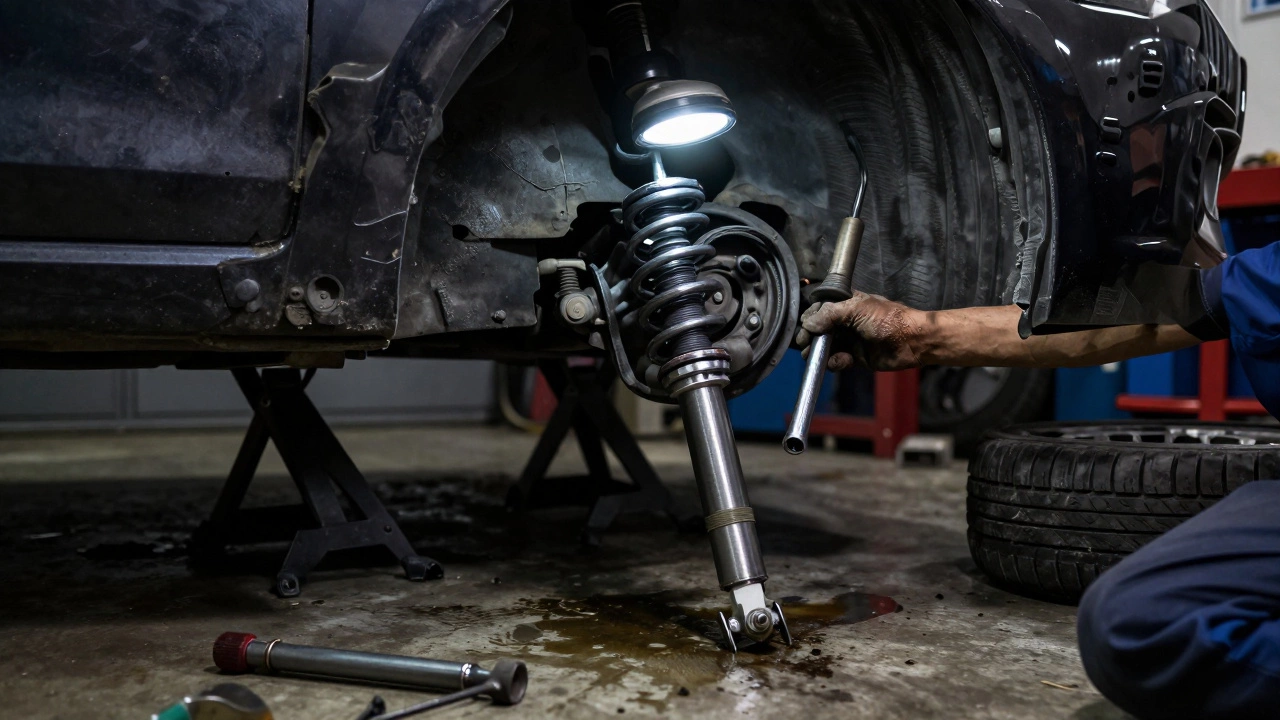
Learn how to diagnose and fix a bad car suspension with step-by-step guidance on replacing shocks, struts, ball joints, and bushings. Save money and stay safe with proven DIY tips and part recommendations.





©2026 northwichtyrescentre.co.uk. All rights reserved
0