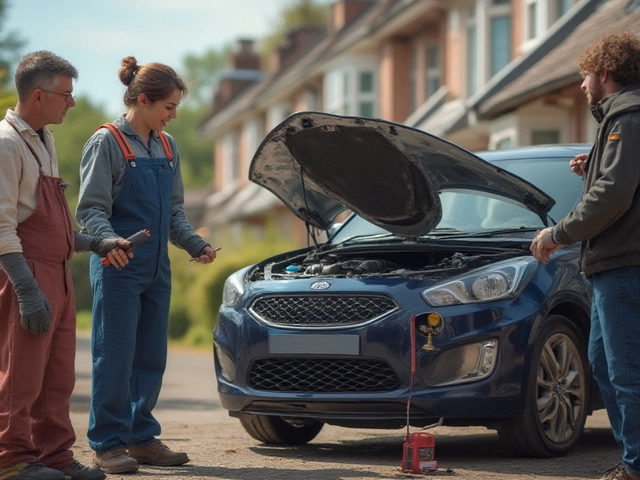
Spark Plug Replacement Estimator
Maintenance Interval Calculator
Estimate when you should next check your spark plugsImagine you're cruising down the motorway and your car suddenly starts shuddering. You step on the gas, but the engine feels sluggish, like it's fighting against itself. More often than not, you aren't dealing with a catastrophic engine failure; you're just dealing with worn-out spark plugs. These tiny components are the heartbeat of your engine's combustion process, but because they're hidden away under wires and coils, most drivers forget about them until the car refuses to start on a cold morning.
Key Takeaways for Your Engine's Health
- Standard copper plugs usually last 20,000 to 30,000 miles.
- Iridium and platinum plugs can go 100,000 miles or more.
- Warning signs include rough idling, poor fuel economy, and difficulty starting.
- Ignoring old plugs can damage your catalytic converter.
What Exactly Are Spark Plugs Doing?
Before we talk about timing, it's worth understanding what we're replacing. A spark plug is a device that fits into the cylinder head of an internal combustion engine to ignite the compressed air-fuel mixture using an electric spark. It's essentially a tiny lightning bolt generator. If that spark is weak or misses entirely, the fuel doesn't burn, and you get a "misfire."
The process involves a high-voltage current jumping the gap between two electrodes. Over time, the metal on those electrodes literally wears away-it erodes. Once the gap becomes too wide, the electricity can't jump across reliably. This is why your engine starts to feel "tired" after a few years.
The Big Divide: Material Matters
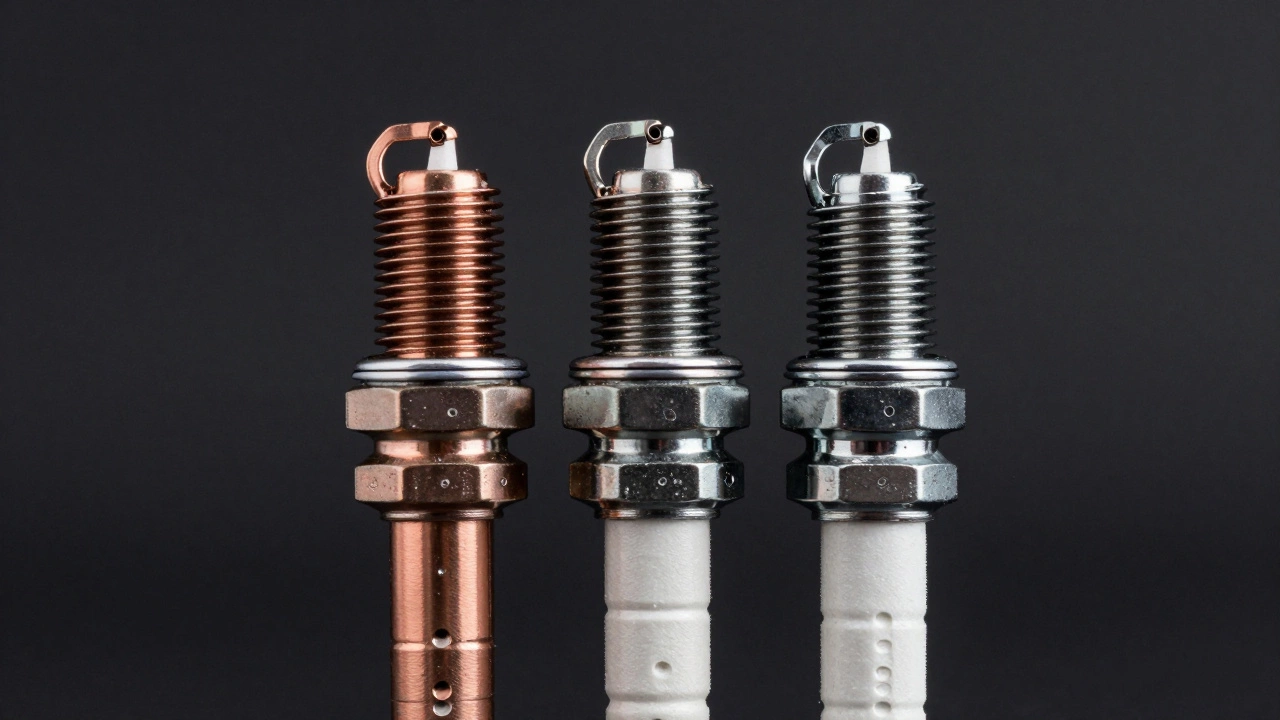
Not all spark plugs are created equal. If you're checking your manual and see a massive difference in replacement intervals, it's because of the materials used in the tip. The metal determines how long the plug can withstand the brutal heat and pressure of your cylinders.
| Material | Average Lifespan | Pros | Cons |
|---|---|---|---|
| Copper | 20k - 30k miles | Excellent conductivity | Wears out quickly |
| Platinum | 40k - 60k miles | Harder wearing than copper | More expensive |
| Iridium | 80k - 120k miles | Highest durability, efficient spark | Most expensive upfront |
When to Replace Your Spark Plugs
For most modern cars, the rule of thumb is to follow the manufacturer's schedule in the owner's manual. However, if you've lost the book, here is how to gauge your needs. If you have an older car with standard copper plugs, you should be looking at them every 30,000 miles. If you're driving a newer vehicle equipped with Iridium spark plugs, you can often stretch the interval to 100,000 miles.
But numbers on a page don't always match the road. If you do a lot of short city trips-stopping and starting in heavy traffic-your plugs will foul faster. Carbon deposits build up on the electrode, acting like a blanket that smothers the spark. On the flip side, someone doing long highway hauls puts less "stress" on the ignition cycle, potentially extending the life of the plugs.
Warning Signs You Can't Ignore
Your car will usually tell you when it's time for a change long before it completely dies. One of the most common signs is a rough idle. If you're sitting at a red light and you feel the car vibrating more than usual, it's often a sign that one or more cylinders aren't firing correctly.
Another red flag is a sudden drop in MPG. When a combustion cycle is inefficient, the engine doesn't get the power it needs, so you instinctively press the pedal harder. This burns more fuel to achieve the same speed. You might also notice the "Check Engine" light flicker on. A technician using an OBD-II scanner will often find codes like P0300, which explicitly points to a random or cylinder-specific misfire.
The Danger of Waiting Too Long
Some people think, "It's just a little stutter, I'll change them next year." That's a gamble with your wallet. When a plug fails to ignite the fuel, that raw, unburnt gasoline is pushed out of the cylinder and straight into the catalytic converter. The converter is designed to burn off pollutants, but it can't handle a flood of raw fuel. This can cause the converter to overheat and melt internally, turning a £50 spark plug job into a £1,000 exhaust system nightmare.
Furthermore, consistent misfires put uneven pressure on the engine mounts and can cause the ignition coil to overheat. The coil is the component that transforms low battery voltage into the thousands of volts needed for the spark. If it has to work twice as hard to jump a worn-out gap, the coil itself can burn out.
Pro Tips for the DIY Changer
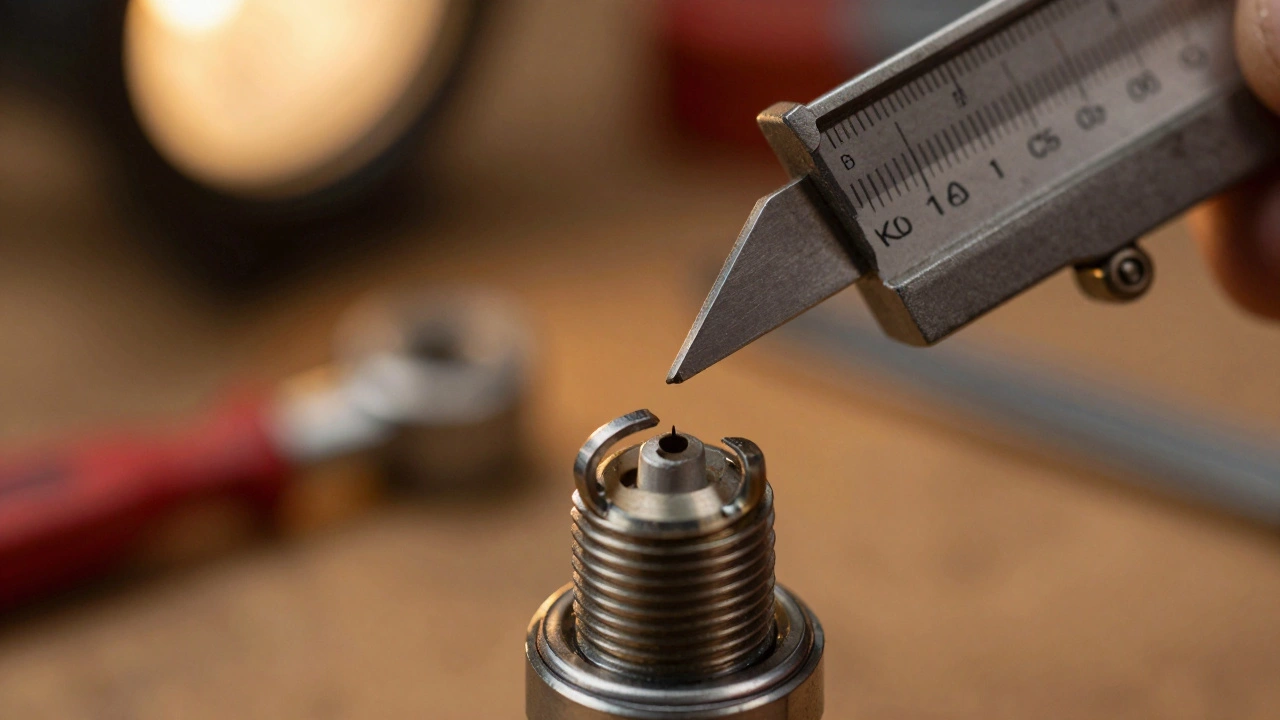
If you're planning to tackle this in your own driveway, remember that the most important step happens before you take the old plugs out: gap them. Even "pre-gapped" plugs can be bumped during shipping. Use a feeler gauge to ensure the distance between the center and side electrode is exactly what your engine requires. A gap that is too small creates a weak spark; too large, and the coil might not be able to jump it at all.
Also, don't over-tighten. Spark plugs sit in an aluminium cylinder head. If you crank them down too hard, you risk stripping the threads. Once you strip those threads, you're looking at a professional machine shop repair. Use a torque wrench to hit the manufacturer's spec, and you'll be golden.
Can I just replace one bad spark plug?
It's tempting, but it's a bad idea. Spark plugs wear at roughly the same rate. If one has failed or worn down, the others are likely right behind it. Replacing the whole set ensures the engine runs balanced and prevents you from having to do the work again in two weeks.
Does using "premium" fuel make spark plugs last longer?
Not necessarily. High-octane fuel is designed to prevent pre-ignition (knocking) in high-performance engines. It doesn't physically protect the metal of the spark plug from erosion. Stick to the fuel grade recommended by your manufacturer.
What does the colour of the spark plug tip tell me?
The tip is a window into your engine. A light brown or tan colour means it's healthy. Black, sooty deposits mean the engine is running too "rich" (too much fuel). A white, blistered look suggests the engine is running too "lean" (too much air) or overheating.
Are Iridium plugs worth the extra cost?
Absolutely, if your car is designed for them. While they cost more upfront, the labour savings are huge because you don't have to change them nearly as often. Plus, they provide a more consistent spark, which can slightly improve fuel efficiency and emissions.
Can I use a platinum plug in an engine that calls for copper?
Usually, yes, as platinum is an upgrade. However, always check the heat range. Spark plugs are designed to pull heat away from the combustion chamber at different rates. Using a plug with the wrong heat range can cause engine knocking or melt the plug tip.
Next Steps and Troubleshooting
If you've replaced your plugs and you're still feeling a shudder, don't panic. The issue might be the ignition coils or the spark plug wires. Check for cracks or corrosion on the wires. If you're running a modern coil-on-plug system, try swapping a suspected bad coil with one from a working cylinder to see if the misfire moves. If it does, you've found your culprit.
For those who prefer a hands-off approach, make sure your mechanic shows you the old plugs when they come out. Seeing the wear and tear for yourself is the best way to understand how your driving habits affect your vehicle's longevity.