Exhaust System Selector
Answer the questions below to get a tailored recommendation for your exhaust upgrade.
Cat-Back
Best balance of cost and performance.
304 Stainless Steel
Excellent durability and rust resistance.
2.25 - 2.5 Inches
Optimized for scavenging at this power level.
You’re driving along, and suddenly you hear it. That deep, rumbling growl that turns heads-or maybe that annoying, rattling drone that makes your passengers wince. Whether you want to silence a noisy ride or unleash the full potential of your engine, picking the right exhaust system is one of those upgrades that changes how your car feels every single day. It’s not just about looking cool under the bumper; it’s about airflow, sound quality, and durability.
Most people think buying an exhaust is like picking a flavor of ice cream-just grab what looks tasty. But here’s the thing: your exhaust system is part of your car’s respiratory system. If it’s blocked, choked, or poorly designed, your engine struggles to breathe. This guide will walk you through exactly what to look for, from material choices to pipe diameters, so you don’t waste money on something that sounds good but drives poorly.
Understand What Your Exhaust Actually Does
Before you start shopping, you need to know what you’re replacing. An exhaust system isn’t just a tube that gets rid of smoke. It’s a carefully engineered path that manages pressure. When your engine burns fuel, it creates gases that need to exit quickly. If they back up, power drops.
The main job is to channel these gases away from the cabin while reducing noise and harmful emissions. Modern cars use components like the catalytic converter to clean up pollutants before they leave the tailpipe. Then there’s the muffler, which uses chambers and baffles to cancel out sound waves. Finally, the resonator tweaks the tone, removing that droning hum at certain speeds.
If you’re looking for performance, you want less restriction. If you want comfort, you want more sound dampening. Knowing your goal dictates everything else.
Decide Between Cat-Back, Axle-Back, or Full System
This is the first big fork in the road. You can’t just buy "an exhaust." You have to decide how much of the old system you’re keeping.
- Cat-Back: This replaces everything from the catalytic converter to the tailpipes. It’s the most common upgrade for enthusiasts because it improves sound and slightly boosts horsepower without messing with emission compliance (in many regions). It’s easier to install than a full system and usually cheaper.
- Axle-Back: This only replaces the section behind the rear axle. It’s mostly cosmetic and sound-focused. You won’t see any real power gains here, but it’s the cheapest way to change your car’s voice. Great if you just hate the stock note.
- Full System: This includes the headers (or manifolds), downpipe, catalytic converters, mid-pipe, and rear section. This is where serious power lives. Changing the headers alone can add significant horsepower by helping the engine exhale faster. But it’s expensive, complex, and often requires tuning the engine computer.
For most daily drivers who want a bit more bite, a cat-back system is the sweet spot. It offers a tangible improvement in sound and a modest efficiency gain without the headache of ECU remapping.
Choose the Right Material: Steel vs. Stainless vs. Titanium
Rust is the enemy. In places like Bristol, where rain and road salt are constant companions, material choice determines whether your new exhaust lasts five years or fifty. Here is a breakdown of the common options.
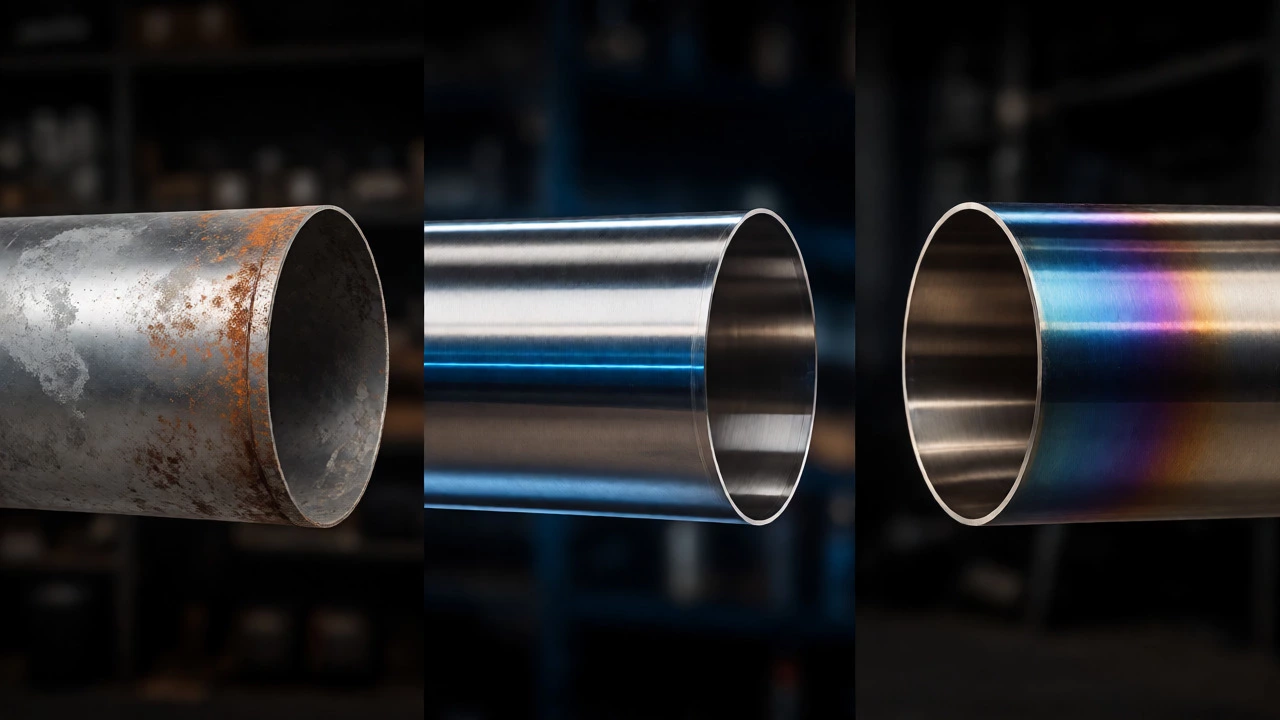
| Material | Durability | Cost | Weight Impact |
|---|---|---|---|
| Aluminized Steel | Low to Medium (5-10 years) | $ | Heaviest option |
| 304 Stainless Steel | High (15+ years) | $$ | Moderate weight |
| Titanium | Very High (Lifetime) | $$$ | Lightest option (up to 40% lighter) |
Aluminized steel is cheap, but it corrodes fast. If you live near the coast or deal with harsh winters, avoid it unless you plan to replace it soon. 304 stainless steel is the gold standard for street cars. It resists rust well and holds its shine. Titanium is fantastic for track cars because it saves weight, but it’s brittle and can crack if hit by a curb. For 90% of readers, 304 stainless is the smart buy.
Pipe Diameter Matters More Than You Think
Bigger isn’t always better. This is the biggest myth in exhaust shopping. Yes, larger pipes allow more gas flow, which helps high-RPM power. But if your pipes are too wide for your engine, you lose low-end torque. Why? Because exhaust gases need velocity to help pull the next cycle of air into the engine (a phenomenon called scavenging).
Here’s a simple rule of thumb for naturally aspirated engines:
- Up to 150 hp: Stick to 2.0-2.25 inches.
- 150-300 hp: Go for 2.25-2.5 inches.
- Over 300 hp: Consider 2.5-3.0 inches.
Turbocharged engines are different. They benefit from larger piping because turbos create massive exhaust volume. A turbo car might run 3-inch pipes comfortably even at lower power levels because the turbo relies on exhaust pressure to spin. Always check manufacturer recommendations for your specific engine code.
Select Your Muffler Type for Desired Sound
The muffler defines your car’s personality. Do you want a subtle growl or a loud roar? There are three main designs:
- Reversal Chamber: The gas flows through tubes that reverse direction multiple times. This cancels out low-frequency drones effectively. It’s quiet, refined, and great for daily driving. Brands like Borla often use this style.
- Straight-Through (Glasspack): Gas passes straight through a perforated tube wrapped in fiberglass packing. It’s louder and has a rawer tone. Over time, the packing degrades, making the sound deeper and sometimes raspy. Popular brands include Flowmaster and MagnaFlow.
- Resonators: These aren’t true mufflers but tone tuners. They remove specific frequencies (like cabin drone) without restricting flow. Many performance systems use a small resonator plus a straight-through muffler for the best balance.
If you commute in traffic, go for reversal chambers or high-quality resonated systems. If you take weekend canyon runs, a glasspack might be more fun. Remember, once it’s installed, you’re stuck with the sound. Listen to audio clips online before buying.
Check Fitment and Legal Compliance
Nothing kills the vibe like getting pulled over for excessive noise or failing an MOT test due to missing catalytic converters. In the UK, modifications must meet strict regulations regarding noise levels and emissions.
Always verify that the exhaust is vehicle-specific. Universal kits exist, but they require welding and cutting, which adds labor costs and risk of poor fitment. Direct-fit bolt-on systems are worth the extra cost because they align perfectly with hangers and brackets. Also, ensure the product carries necessary approvals (like JLM approval in the UK) if you want to stay legal without hassle.
Consider ground clearance too. Some aggressive aftermarket exhausts hang lower than stock. If you drive a lowered sports car, you might scrape speed bumps or steep driveways. Look for adjustable hangers or compact muffler designs if your car sits close to the tarmac.
Installation Tips: DIY or Professional?
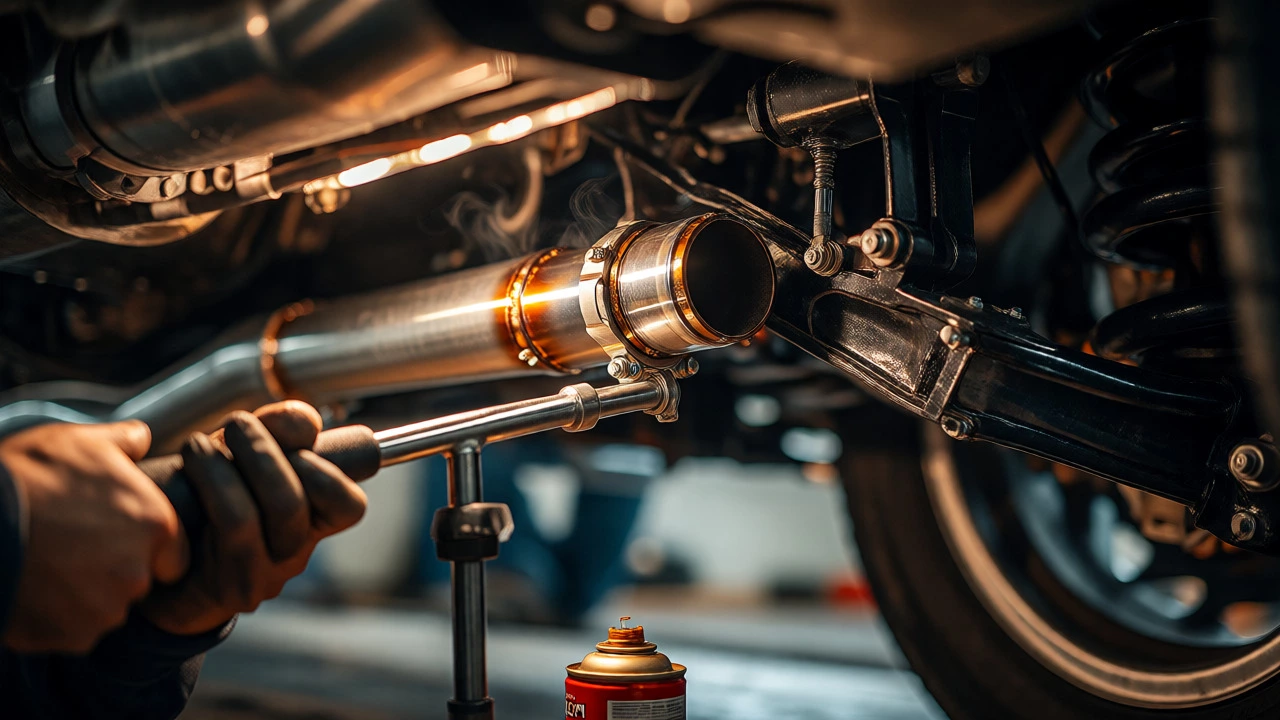
Can you do it yourself? Maybe. Replacing a cat-back system is manageable for a home mechanic with basic tools. You’ll need ramps or a lift, penetrating oil (like WD-40 Specialist) for rusty bolts, and safety glasses. Expect it to take 2-4 hours.
However, if you’re installing a full system with headers, you’re dealing with tight spaces, heat shields, and potentially oxygen sensor removal. One mistake can cause exhaust leaks, which smell terrible and hurt performance. If you aren’t comfortable working under a hot car or handling O2 sensors, pay a professional. Labor typically costs £100-£200 depending on complexity, which is cheaper than fixing a botched weld.
After installation, let the system settle. Take it for a long drive to burn off manufacturing oils. Check for leaks after the first few cycles by listening for ticking noises or smelling fumes inside the cabin.
Does a louder exhaust mean more power?
Not necessarily. Loudness is determined by the muffler design, while power depends on pipe diameter and flow restriction. You can have a very loud exhaust that restricts flow (bad) or a quiet one that flows freely (good). Performance comes from reduced backpressure, not decibels.
Will changing my exhaust void my warranty?
In the UK, manufacturers cannot void your entire warranty simply because you modified the exhaust, provided the modification didn't cause the failure. However, if the exhaust causes damage to other parts (like cracking a manifold), those repairs won't be covered. Always keep receipts and ensure the part is approved.
How long does an exhaust system last?
It varies wildly. Aluminized steel may last 5-7 years, especially in coastal areas. 304 stainless steel can last 15+ years or the life of the car if maintained properly. Titanium is extremely durable but prone to impact damage. Regular washing helps prevent corrosion.
Do I need to tune my car after installing an exhaust?
For a cat-back system, usually no. The engine management system compensates for minor flow changes. For a full system including headers and downpipes, yes. The air-fuel ratio may shift, requiring an ECU remap to optimize performance and prevent check-engine lights.
Is titanium worth the extra cost?
Only if you are chasing every ounce of weight savings, such as in track racing. For daily driving, the weight difference (often 5-10 kg total) is negligible compared to the cost increase. Stainless steel offers similar longevity at a fraction of the price.