Fuel Pump Health & Cost Estimator
Current Risk Level:
Low RiskEstimated Replacement Cost (UK):
£200 - £300
Recommendations:
- Maintain current habits.
You’re standing in your driveway, keys in hand, turning the ignition. Instead of the familiar roar of the engine, you get silence or a weak, struggling crank. Your heart sinks. Is it the battery? The starter? Or is it something more expensive? While batteries die and starters wear out, one of the sneakiest culprits behind a dead engine is often overlooked until it’s too late: the fuel pump. Specifically, the most common cause of its demise isn’t usually mechanical wear-it’s contamination.
Most drivers assume fuel pumps fail because they simply run out of life after 100,000 miles. But data from repair shops suggests otherwise. A staggering number of premature failures are linked directly to dirty fuel systems. If you want to save yourself hundreds of pounds at the mechanic, you need to understand why gunk kills pumps faster than mileage does.
The Dirty Truth About Fuel Contamination
Let’s cut to the chase: contamination is the number one killer of modern fuel pumps. This doesn’t just mean a single bad fill-up at a dodgy petrol station. It refers to the accumulation of debris, rust particles, and varnish-like deposits that build up over time inside your fuel tank.
Think of your fuel pump as a tiny, high-speed blender located inside your gas tank. It relies on the fuel itself for lubrication and cooling. When that fuel is laden with microscopic grit-sand, rust flakes from an old steel tank, or sediment from degraded rubber hoses-the pump’s internal components grind against each other. This friction generates heat and wears down the impeller blades and bearings long before their time.
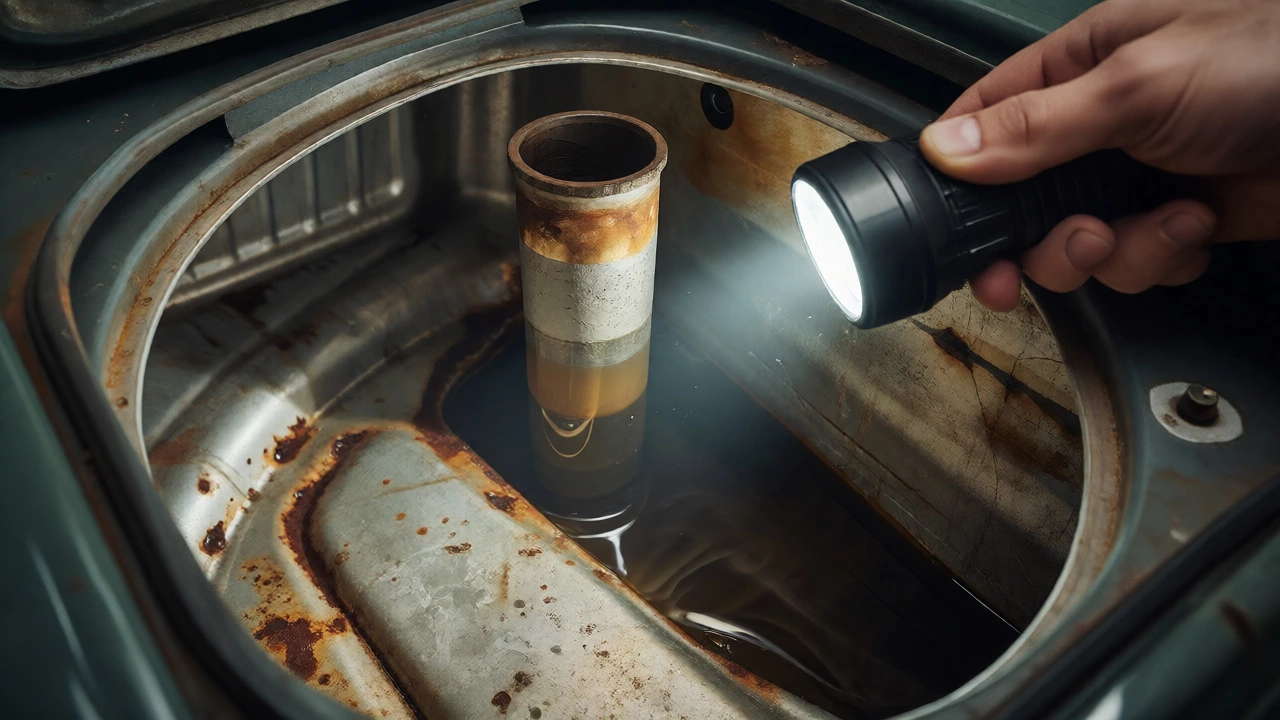
In Bristol, where older cars are common, this issue is exacerbated by age. Many vehicles on our roads have steel tanks that begin to rust internally after ten years. That rust doesn’t stay put; it circulates through the system, eventually finding its way into the delicate intake screen of the fuel pump module.
Why the Fuel Filter Matters More Than You Think
If contamination is the disease, a neglected fuel filter is the lack of medicine. In older vehicles, the fuel filter was a separate canister under the chassis, easily replaced every 30,000 miles. Today, most cars integrate the filter into the fuel pump assembly inside the tank. This "lifetime" design is convenient but dangerous if ignored.
When a filter gets clogged, the pump has to work significantly harder to pull fuel through the restriction. Imagine trying to drink a thick milkshake through a thin coffee stirrer versus a wide straw. The effort required skyrockets. This increased load causes the electric motor inside the pump to overheat. Overheating degrades the electrical windings and seals, leading to eventual burnout.
Here is a quick comparison of how different maintenance habits affect pump lifespan:
| Maintenance Habit | Effect on Pump | Estimated Lifespan Impact |
|---|---|---|
| Regularly replacing external filters (older cars) | Prevents debris entry, reduces strain | +20-30% longer life |
| Running on empty frequently | Overheats pump, sucks up tank sludge | -15% shorter life |
| Ignoring check engine lights related to lean mixtures | Pump works harder to compensate for flow issues | -20% shorter life |
| Using low-quality fuel with high ethanol content | Ethanol attracts moisture, causing corrosion | Variable, depends on climate |
Early Warning Signs You’re Ignoring
Fuel pump failure rarely happens instantly. It gives you clues, but they’re subtle enough to be mistaken for other issues. If you notice any of these symptoms, don’t wait until the car refuses to start.
- Whining noise from the rear seat: A healthy pump makes a faint hum when you turn the key. If that hum becomes a loud whine or changes pitch, the pump is struggling against resistance or wearing out.
- Sputtering at high speeds: If your car jerks or loses power when climbing hills or accelerating hard, the pump may not be delivering enough volume under load.
- Difficulty starting: A pump that is losing pressure will make the engine crank longer before firing up, especially on hot days when vapor lock might occur.
- Loss of power while driving: Intermittent stumbling can indicate the pump is overheating and cutting out temporarily.
Many people ignore the whining sound because it’s background noise. But that sound is literally the sound of your money burning. By the time the car stops completely, the damage is done.
The Role of Ethanol and Modern Fuels
We live in an era of E10 and E15 fuels, which contain up to 10-15% ethanol. While good for emissions, ethanol is hygroscopic-it absorbs water from the air. Water in the fuel tank leads to two problems: phase separation and corrosion.
When water separates from the fuel, it settles at the bottom of the tank, right where the pump’s pickup tube lives. Since water doesn’t compress like fuel, pumping it can cause cavitation-a violent formation and collapse of bubbles that erodes metal parts. Additionally, water promotes rust in steel tanks and corrodes aluminum components in newer ones.
If you drive a classic car or a vehicle that sits unused for weeks, this risk increases dramatically. Stale fuel turns into varnish, gumming up the pump’s moving parts. For these drivers, using a fuel stabilizer isn’t optional; it’s essential maintenance.
How to Prevent Premature Failure
You can’t control everything, but you can significantly extend the life of your fuel pump with simple habits. Here is what actually works:
- Keep your tank above a quarter full. Fuel acts as a coolant for the pump. Running on fumes exposes the pump to higher temperatures, shortening its life. Plus, less air space means less condensation forming inside the tank.
- Use reputable fuel stations. High-turnover stations have cleaner underground storage tanks. Avoid filling up at places where tanker trucks are unloading simultaneously, as this stirs up sediment.
- Address rough idling immediately. Don’t blame it on spark plugs without checking the fuel delivery first. A professional diagnostic can measure fuel pressure and volume, revealing if the pump is weakening.
- Clean the tank during replacement. If you do replace a failed pump, insist that the mechanic cleans the inside of the fuel tank. Installing a new pump into a rusty, sludge-filled tank is like putting a new engine in a car filled with sand-it will fail again quickly.
Is It Worth Repairing or Replacing?
When a fuel pump fails, you usually have two options: replace the entire assembly or attempt to clean/repair it. In modern cars, the pump is part of a complex module including sensors and float gauges. Cleaning this unit is rarely cost-effective or reliable.
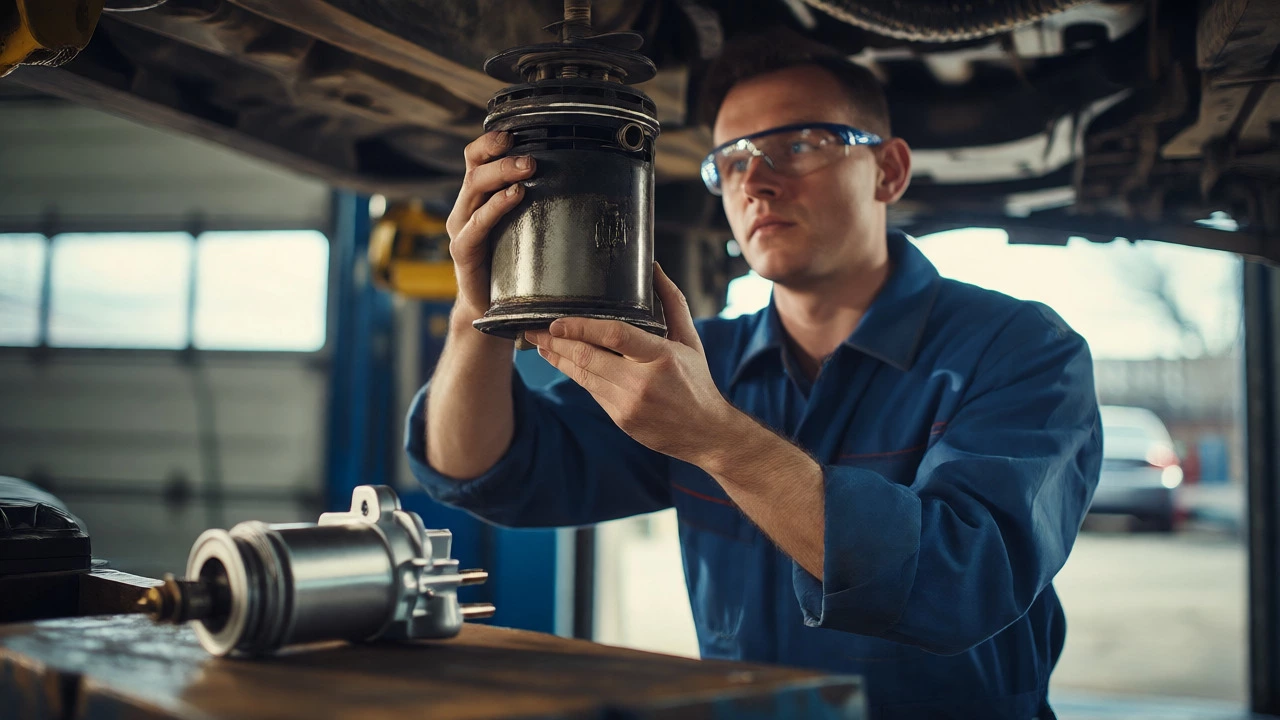
Replacement is the standard fix. However, the labor cost varies wildly depending on whether the pump is accessible via a hatch under the rear seat or requires dropping the entire fuel tank. Cars like the Ford Focus or VW Golf often allow easy access, whereas some SUVs require lifting the vehicle and removing skid plates.
Before authorizing the work, ask for a fuel pressure test. Sometimes, the issue isn’t the pump but a blocked line or a faulty relay. Misdiagnosis is common, so verify the root cause before spending £200-£400 on parts.
Can I drive with a failing fuel pump?
You should avoid driving long distances. A failing pump can cut out suddenly, leaving you stranded in traffic or remote areas. Short trips to a nearby garage are generally okay if the car starts reliably, but monitor for sputtering.
How much does it cost to replace a fuel pump in the UK?
Costs vary by vehicle. Parts typically range from £80 to £250. Labour can add another £100 to £300 depending on accessibility. Total bills often fall between £200 and £500 for independent garages.
Does running on empty really damage the fuel pump?
Yes. Submersible fuel pumps rely on surrounding fuel to keep cool. Running low exposes the motor to air, causing overheating. It also increases the chance of sucking up settled debris from the tank bottom.
What does a bad fuel pump smell like?
A strong smell of petrol near the fuel filler cap or under the car can indicate a leak from the pump seal or lines. Leaks are fire hazards and should be addressed immediately.
Can a dirty fuel filter kill my fuel pump?
Absolutely. A clogged filter restricts flow, forcing the pump to work harder. This extra strain generates excess heat and wear, leading to premature motor burnout.