Vehicle Cooling System Analyzer
Traditional ICE
Internal Combustion Engine
Pure Electric (EV)
Battery & Motor Driven
Hybrid
Dual Power Source
You walk up to your car, pop the hood, and expect to see that familiar metal box with plastic tanks on either side. It’s been there for a century. But lately, you might notice something different. Many new cars, especially electric ones, don’t have a traditional radiator in the way we know it. Or perhaps you’ve heard rumors that internal combustion engines are ditching them entirely. So, why are radiators no longer used? The short answer is: they aren’t gone, but they have changed drastically.
The premise of the question contains a common misconception. Radiators haven’t disappeared; their role has evolved. In fact, modern vehicles rely on heat exchange more than ever before. The difference lies in what is being cooled and how. As the automotive industry shifts toward electrification and hybridization, the old-fashioned copper-and-brass radiator is being replaced by specialized cooling systems designed for batteries, inverters, and electric motors. If you’re wondering if your next car will need a radiator flush, the answer depends entirely on whether you’re buying a gas guzzler or an electric machine.
The Traditional Radiator: A Century-Old Hero
To understand why things are changing, we first need to look at what the traditional radiator actually does. For over a hundred years, the internal combustion engine a machine that generates power by burning fuel inside cylinders has been the heart of the automobile. These engines run hot-very hot. When gasoline burns, it creates immense pressure and heat. Without a way to dissipate this energy, the engine would melt itself in seconds.
This is where the classic radiator comes in. It acts as a heat exchanger. Hot coolant circulates from the engine block through thin tubes in the radiator. Air flowing past these tubes (either from driving forward or from a fan) carries the heat away. The cooled liquid then returns to the engine to start the cycle again. This system, largely unchanged since the early 1900s, works perfectly for combustion engines because it handles high temperatures and constant heat output.
However, this design has limitations. It’s bulky, heavy, and requires regular maintenance. Coolant degrades over time, hoses crack, and thermostats fail. For decades, this was just the cost of ownership. But as technology advanced, engineers began asking if there was a better way to manage heat, especially as the source of that heat started to change.
The Electric Revolution Changes the Game
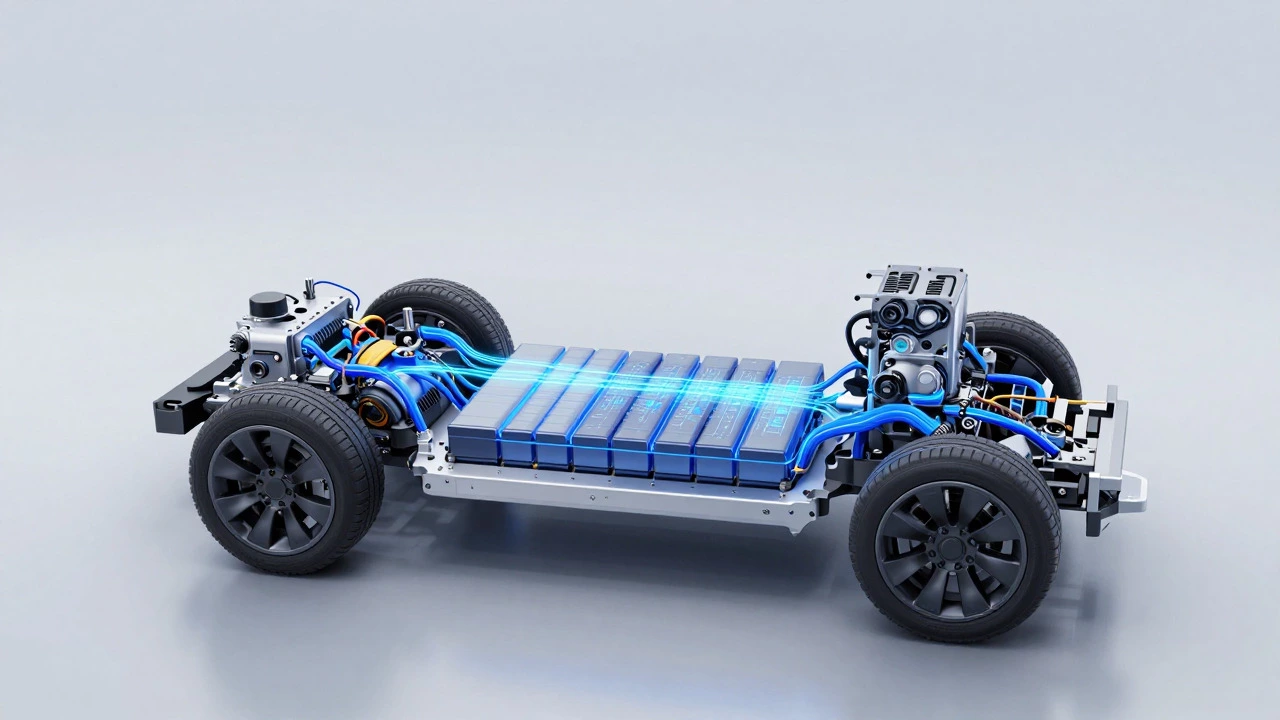
The biggest reason people ask about the disappearance of radiators is the rise of electric vehicles cars powered by electricity stored in battery packs rather than gasoline engines. An electric car doesn’t have an engine that explodes tiny amounts of fuel repeatedly. Instead, it has an electric motor, a large battery pack, and power electronics like inverters and chargers.
Do electric cars need cooling? Absolutely. In fact, they are even more sensitive to temperature changes than gas cars. Lithium-ion batteries perform best within a narrow temperature range, typically between 20°C and 40°C (68°F to 104°F). If they get too hot, they degrade faster and can even catch fire. If they get too cold, they lose range and charge slowly. Therefore, EVs require sophisticated thermal management systems complex networks of pumps, valves, and heat exchangers that regulate component temperatures.
But here’s the twist: many EVs don’t use a single, large air-cooled radiator like a Ford F-150 or a Toyota Camry. Instead, they often use liquid-to-air heat exchangers that look similar but function differently. Some high-end models even use active water cooling loops specifically for the battery pack. You won’t find a simple cap and overflow tank under the hood of a Tesla Model 3 in the same way you would on a 2010 Honda Civic. The complexity is hidden behind panels, integrated into the chassis, and managed by computer algorithms rather than mechanical thermostats alone.
Hybrid Vehicles: The Best of Both Worlds?
If pure electric vehicles complicate the picture, hybrid vehicles cars that combine an internal combustion engine with an electric motor and battery make it even more confusing. Hybrids still have an engine, so they still need to cool it. However, because the engine shuts off frequently when idling or coasting, the cooling load is intermittent. This allows manufacturers to design smaller, more efficient radiators.
Moreover, hybrids introduce waste heat recovery. Engineers are finding ways to capture the heat from the engine and use it to warm the cabin or even pre-heat the battery in cold weather. This means the radiator isn’t just dumping heat into the atmosphere; it’s part of a broader energy management strategy. The result is a cooling system that looks traditional but operates with much higher efficiency and less reliance on the fan.
| Vehicle Type | Cooling Method | Primary Components Cooled | Maintenance Needs |
|---|---|---|---|
| Traditional ICE | Air-cooled radiator | Engine block, head, oil | High (flushes, hose checks) |
| Pure Electric (EV) | Liquid cooling loops + heat pumps | Battery, motor, inverter | Low (sealed systems) |
| Hybrid | Compact radiator + battery cooling | Engine, battery, electronics | Medium (dual systems) |
Efficiency Demands Smaller Footprints
Even for non-electric cars, the trend is toward miniaturization. Modern engines are incredibly efficient. They burn fuel more completely and produce less waste heat relative to their power output compared to older V8s or six-cylinder engines. Because there is less excess heat to dump, the radiator doesn’t need to be as massive.
Additionally, aerodynamics play a huge role. Large grilles and thick radiators create drag, which hurts fuel economy. Manufacturers are designing cars with smoother fronts and narrower openings. To compensate, they use more efficient materials like aluminum instead of copper, and they employ electronic fans that only spin when necessary. Some luxury brands even use shutters that close off the radiator when the engine is warm, reducing drag further. The radiator is still there, but it’s working smarter, not harder.
Are Radiators Truly Obsolete?
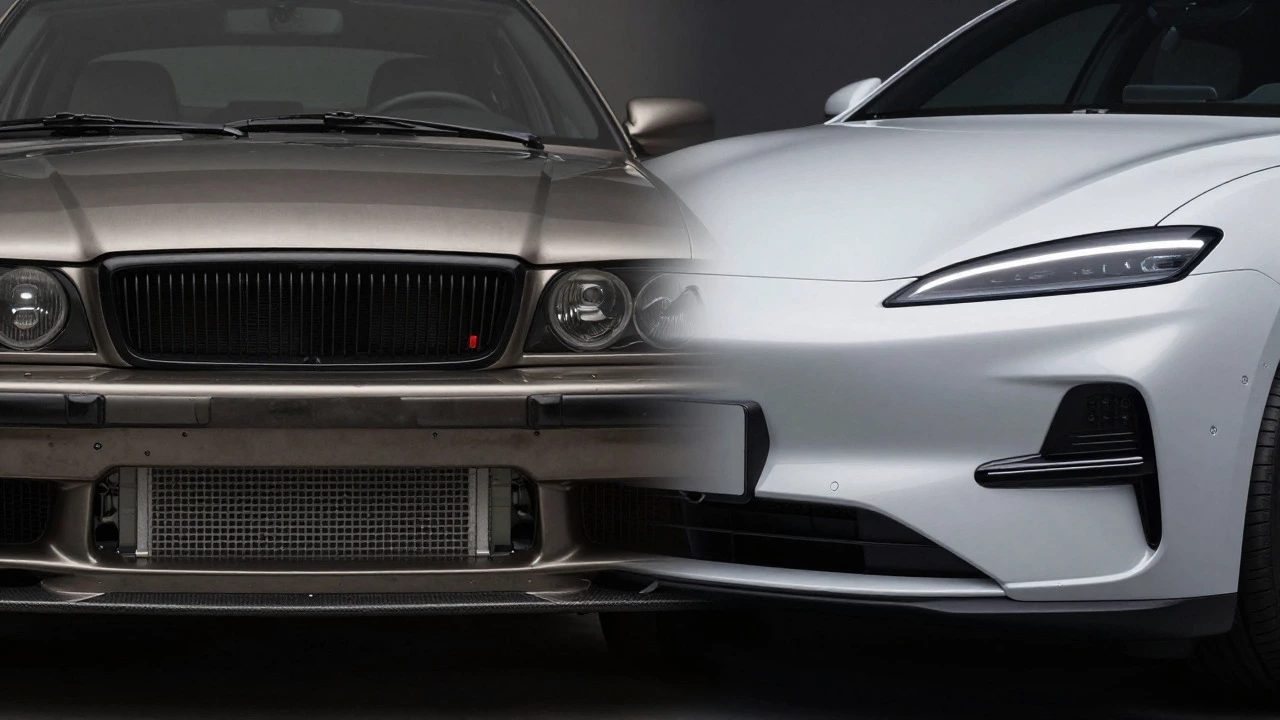
So, are radiators no longer used? Not exactly. They are simply becoming invisible or specialized. If you buy a brand-new gasoline-powered sedan today, it still has a radiator. You’ll still need to check your coolant levels every few months. But if you buy an electric SUV, you might never think about “coolant” in the traditional sense. Your service manual will talk about “battery thermal fluid” or “inverter cooling,” terms that sound technical but serve the same basic purpose: keeping components from melting.
The shift also affects repairs. Mechanics who grew up fixing rusted radiator cores and leaking hoses now need training in high-voltage safety and complex diagnostic software. The simple task of flushing a radiator is being replaced by monitoring sensor data via OBD-II scanners. This transition is one of the biggest challenges facing auto repair shops right now.
What This Means for You as a Driver
Understanding this shift helps you maintain your vehicle better. If you drive a traditional car, don’t ignore the radiator. It’s still critical. Check for leaks, ensure the fan works, and stick to the manufacturer’s schedule for coolant changes. Using the wrong type of coolant can cause corrosion or seal failure, leading to expensive engine damage.
If you’re considering an electric vehicle, rest assured that the cooling system is largely sealed and maintenance-free for most of the car’s life. You won’t be buying antifreeze at the supermarket. However, if you live in extreme climates, pay attention to how the car manages its battery temperature. Pre-conditioning the battery while plugged in is a feature that protects the long-term health of your EV, acting as a digital version of warming up the engine in winter.
In summary, the radiator hasn’t died; it has adapted. From bulky brass boxes to sleek, computer-controlled thermal loops, the technology has evolved to meet the demands of efficiency, electrification, and aerodynamics. Whether you’re driving a classic muscle car or the latest electric crossover, managing heat remains one of the most important jobs in automotive engineering.
Do electric cars have radiators?
Yes, but they are different from traditional ones. Electric vehicles use liquid cooling systems to regulate the temperature of the battery pack, electric motor, and power electronics. These systems often include heat exchangers that look like small radiators, but they are part of a more complex thermal management network rather than a simple engine cooling loop.
Why do some modern cars have smaller radiators?
Modern engines are more efficient and produce less waste heat relative to their power output. Additionally, automakers are prioritizing aerodynamics to improve fuel economy and range. Smaller radiators reduce drag, and electronic fans help maintain cooling efficiency without needing large physical surfaces exposed to airflow.
Can I use regular coolant in my electric vehicle?
Generally, no. Electric vehicles often require specific dielectric coolants that do not conduct electricity. Using standard automotive antifreeze could lead to short circuits or damage to sensitive electronic components. Always consult your owner’s manual for the correct fluid specification.
Is the radiator the main cause of overheating in modern cars?
While a failed radiator can cause overheating, modern cars have multiple sensors and safety mechanisms. Overheating is often caused by issues with the water pump, thermostat, or cooling fan rather than the radiator itself. Regular maintenance of the entire cooling system is key to preventing breakdowns.
Will future cars eliminate radiators completely?
Unlikely. Heat must go somewhere, and air is the most abundant medium for dissipation. Even solid-state batteries and advanced electric motors generate heat. Future designs may integrate heat exchangers more seamlessly into the vehicle body or use phase-change materials, but some form of radiator-like component will remain necessary for thermal regulation.