Alloy vs. Steel Wheel Decision Calculator
Answer the questions below to see which wheel type best suits your specific driving needs and location.
Why this choice?
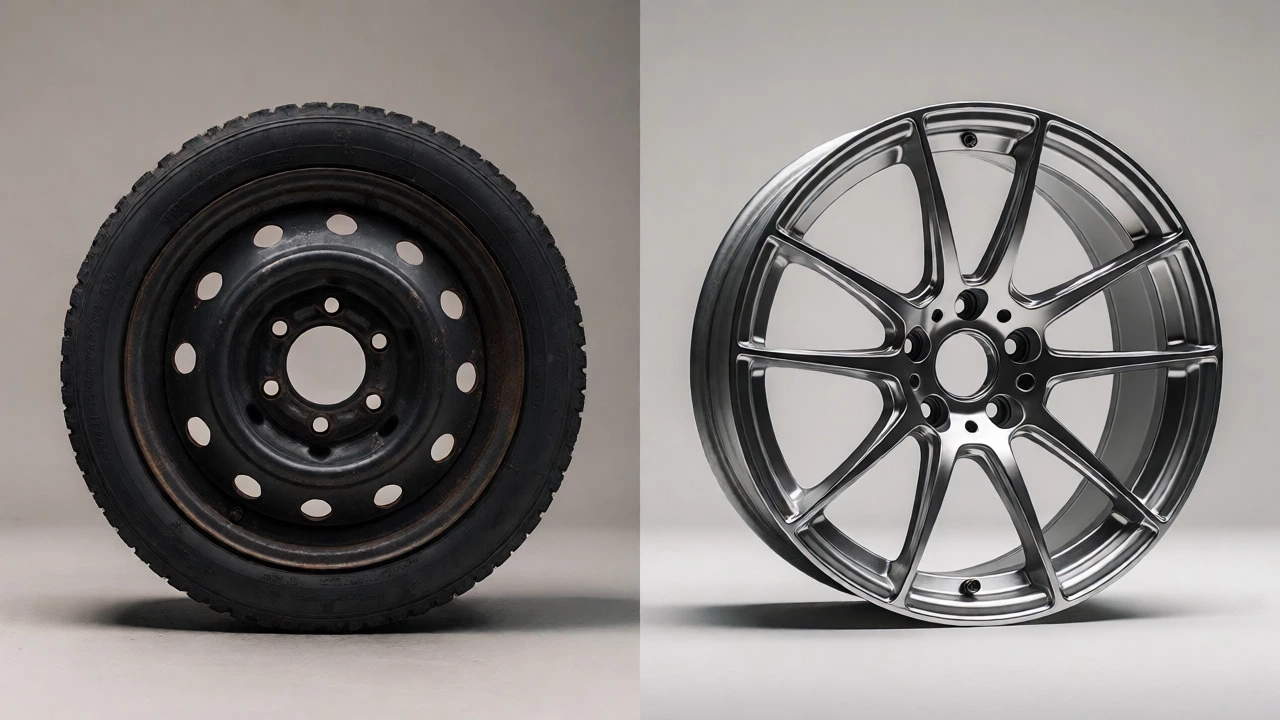
You’re standing in a tyre shop or scrolling through online listings, staring at two sets of wheels. One set is heavy, black, and looks like it could survive a bomb blast. The other is shiny, lightweight, and makes your car look like it belongs on a race track. You ask yourself the million-dollar question: Alloy rims are wheels made from an aluminium or magnesium alloy that offer better performance and aesthetics than traditional steel wheels. But are they actually worth the extra cash? Or are you just paying for vanity?
The answer isn’t a simple yes or no. It depends entirely on how you drive, where you live, and what you value more: style or survival. If you live in Bristol like me, dealing with potholes and damp winters changes the equation significantly compared to someone driving on smooth German autobahns. Let’s break down the real-world pros and cons, so you can decide if switching to alloys is a smart move or a costly mistake.
The Performance Edge: Why Drivers Love Alloys
Let’s start with why people buy them in the first place. It’s not just about looking cool at the traffic lights. There is actual physics at play here. Steel wheels are heavy. A standard steel rim might weigh 10-15 kg more per corner than its alloy equivalent. This weight sits at the very edge of your suspension system, known as unsprung mass. When unsprung mass is high, your suspension has to work harder to keep the tyre in contact with the road. That means less grip, slower acceleration, and longer braking distances.
Unsprung mass is the weight of components not supported by the vehicle's suspension springs, such as wheels, tyres, and brake assemblies. By reducing this weight with alloys, you allow the suspension to react faster to bumps. In practical terms, this means your steering feels sharper. You’ll notice it when taking corners at speed; the car feels more agile and responsive. For enthusiasts, this handling improvement is often worth the price tag alone.
Better heat dissipation is another hidden benefit. Brakes generate intense heat during hard use. Steel wheels trap this heat, which can lead to brake fade-the loss of stopping power when discs get too hot. Alloy materials conduct heat away from the brakes much more efficiently. If you drive aggressively or tow heavy loads, this thermal management can genuinely improve safety. You aren’t just changing the look; you’re upgrading the cooling system for your brakes.
The Durability Myth: Can They Handle UK Roads?
Here is where things get tricky. Many drivers assume alloys are stronger because they look tougher. That’s misleading. Steel is malleable; it bends under stress. Aluminium alloys are rigid; they crack under stress. Imagine hitting a deep pothole at 40 mph. A steel wheel will likely bend slightly. It might wobble, but it stays round enough to drive home slowly. An alloy wheel might crack or shatter. Once cracked, it’s scrap metal. You can’t hammer it back into shape.
This brittleness is a major concern for anyone driving on poorly maintained roads. In the UK, we know all too well about "pothole season." If you hit a sharp edge hard, the risk of catastrophic failure is higher with alloys. However, modern manufacturing has improved this significantly. Cast alloys are cheaper but more brittle. Forged alloys are expensive but incredibly strong and light. Most mid-range cars come with cast alloys, which strike a balance between cost and strength, but they still lack the forgiveness of steel.
| Feature | Alloy Wheels | Steel Wheels |
|---|---|---|
| Weight | Lightweight (better fuel economy) | Heavy (higher unsprung mass) |
| Cost | High (£80-£300+ per wheel) | Low (£20-£50 per wheel) |
| Durability | Rigid; prone to cracking | Malleable; bends instead of breaking |
| Repairability | Difficult; often requires replacement | Easily repaired by hammering/welding |
| Aesthetics | Variety of designs and finishes | Plain; usually covered by hubcaps |
| Corrosion Resistance | Good, but sensitive to brake dust | Poor; rusts quickly without coating |
The Winter Driving Dilemma
If you live in a region with harsh winters, salt on the roads is your enemy. Road salt is used to melt ice, but it eats away at metal. Steel wheels corrode easily, forming rust pits that weaken the structure over time. Alloy wheels resist corrosion better, but they aren’t immune. Brake dust mixed with road salt creates a corrosive paste that can damage the clear coat on alloys. If the protective layer breaks, the aluminium underneath starts to oxidise, leading to ugly white spots or flaking.
Many experts recommend keeping a separate set of steel wheels for winter. Why? Because if you hit a hidden pothole under snow, you don’t want to destroy an expensive alloy. Plus, cleaning salt off plain steel wheels is easy-just hose them down. Cleaning intricate alloy spokes takes patience and specific cleaners. If you only have one set of wheels, alloys require more maintenance in winter. Neglect them, and they look terrible within two years.

Resale Value and Aesthetics
Let’s be honest: cars sell partly on looks. A clean set of alloys can add hundreds of pounds to the resale value of a used car. Buyers perceive alloys as a sign of a well-maintained, premium vehicle. Even if the mechanical condition is identical, a car with scratched steelies often sells for less than one with polished alloys. It’s psychological, but it’s real money.
However, this benefit vanishes if the alloys are damaged. Curbed edges-those silver scratches around the rim-are common eyesores. Repairing curb rash costs £50-£100 per wheel. Replacing a cracked wheel costs £100-£300. If you plan to keep the car for ten years, factor in these potential repair costs. Sometimes, buying cheap steel wheels and using hubcaps is the financially smarter choice for older vehicles.
How to Choose the Right Alloy Rims
Not all alloys are created equal. When shopping, pay attention to the manufacturing method. This determines strength and weight.
- Cast Alloys: Molten metal is poured into a mould. Cheap, widely available, but heavier and more porous. Prone to cracking under impact. Ideal for city driving and low budgets.
- Flow-Formed Alloys: A hybrid process. The barrel is stretched while spinning. Lighter and stronger than cast, cheaper than forged. Great middle ground for most drivers.
- Forged Alloys: Solid block of metal pressed under immense pressure. Extremely strong and light. Expensive. Preferred by sports car owners and racers.
Also, check the offset. Offset determines how far the mounting surface is from the centre line of the wheel. Incorrect offset causes rubbing against the suspension or sticking out too far, which can affect handling and legality. Always match the OEM specifications unless you’re modifying the suspension.
Maintenance Tips to Keep Alloys Looking New
If you decide to go with alloys, treat them right. Here is a simple routine to prevent premature ageing:
- Wash Weekly: Use pH-neutral car shampoo. Avoid household detergents which strip wax.
- Clean Brake Dust: Brake dust contains iron particles that embed in the clear coat. Use a dedicated iron remover spray monthly.
- Apply Sealant: Wax or ceramic sealant protects against UV rays and salt. Reapply every three months.
- Inspect for Cracks: Check behind the spokes regularly. Small hairline cracks can expand into failures.
Ignoring these steps leads to "corrosion creep," where the finish bubbles and peels. Once that happens, professional refinishing is your only option, costing nearly as much as new wheels.
Frequently Asked Questions
Are alloy wheels safer than steel wheels?
In normal conditions, yes, due to better handling and braking performance. However, in extreme impacts like deep potholes, steel wheels are safer because they bend rather than shatter, allowing you to continue driving safely to a garage.
Can I put alloy wheels on any car?
Generally, yes, provided the bolt pattern, centre bore, and offset match your vehicle's specifications. You must ensure the tyre size fits within the wheel arches to avoid rubbing issues.
Do alloy wheels improve fuel efficiency?
Yes, marginally. Their lighter weight reduces rotational mass, requiring less energy to accelerate. However, the savings are small-typically 1-2%-and depend heavily on driving style.
Is it worth repairing curbed alloy wheels?
If the structural integrity is intact, yes. Cosmetic repairs cost £50-£100 per wheel and restore appearance. If the crack extends into the spoke or mounting face, replacement is safer and often more cost-effective.
Why do my alloy wheels corrode?
Corrosion occurs when the protective clear coat is breached, exposing the aluminium to oxygen, moisture, and road salts. Regular washing and sealing prevent this oxidation process.