Brake Pad Replacement Calculator
How Often Should You Replace Your Brake Pads?
This calculator estimates your brake pad replacement timing based on your driving habits, vehicle type, and pad material. Based on article data showing average replacement between 30,000-70,000 miles.
Most drivers don’t think about their brake pads until they start making noise. That squeal? That’s not your car singing-it’s begging for help. Brake pads wear down over time, and waiting too long can turn a simple $150 repair into a $1,000 nightmare. So how often should you actually replace them? The answer isn’t a fixed number like 30,000 miles. It depends on your driving habits, your car, and the type of pads you have.
Brake Pads Don’t Have a Set Lifespan
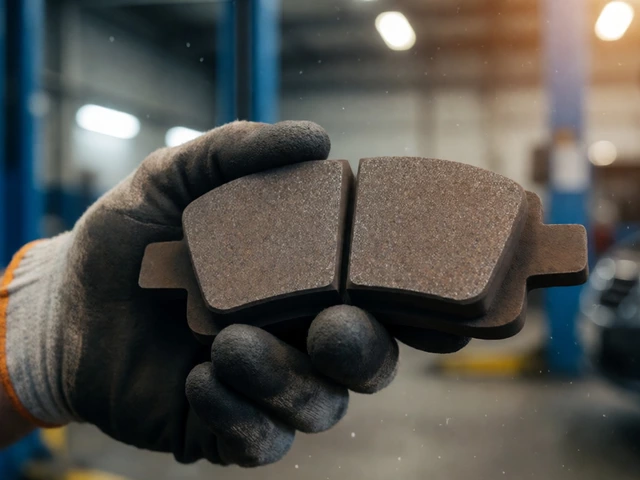
Car manufacturers don’t give you a mileage timer for brake pads because there’s no one-size-fits-all number. A city driver who stops at every light might wear out pads in 25,000 miles. Someone who drives mostly on highways could get 70,000 miles out of the same set. Brake pads are consumable parts, like tires or wiper blades. They’re designed to wear down so your rotors don’t.
The average driver replaces brake pads every 30,000 to 70,000 miles. But that’s just a rough range. What matters more is how they feel and sound when you press the pedal.
Signs Your Brake Pads Are Worn Out
You don’t need a mechanic to tell you when your pads are done. Your car will tell you-if you’re listening.
- Squeaking or squealing when you brake, especially at low speeds. This isn’t always dirt or moisture-many pads have a metal wear indicator that scrapes the rotor when the pad is thin.
- Grinding noise means the metal backing plate is hitting the rotor. You’ve already damaged your rotors. This isn’t a delay situation-it’s an emergency.
- Longer stopping distance. If you feel like you’re pressing the pedal farther down to stop, your pads are thinning. This is dangerous and gets worse fast.
- Vibration or pulsing in the brake pedal. This often means uneven rotor wear, which happens when pads are worn too long.
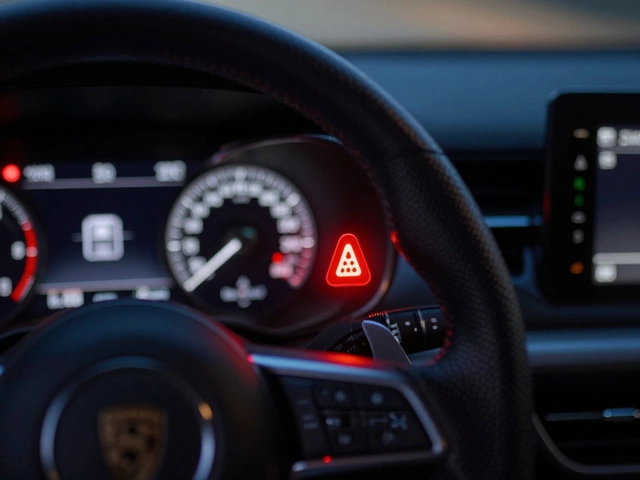
- Brake warning light on your dashboard. Some cars have sensors that trigger a light when pads are below 2mm thick.
Don’t wait for the grinding. That’s like waiting for your tire to blow out before checking the tread.
What Affects Brake Pad Life?
Not all brake pads are made the same, and not all drivers are either.
Driving style is the biggest factor. Aggressive braking, frequent stops, and hauling heavy loads (like trailers or roof racks) wear pads faster. If you live in a hilly city like San Francisco or Seattle, your pads will wear out quicker than someone driving flat highways in Texas.
Pad material matters too. Organic pads are softer and quieter but wear faster-good for city driving. Semi-metallic pads last longer and handle heat better, common in trucks and SUVs. Ceramic pads are the most durable, produce less dust, and are quieter, but cost more upfront. Most new cars come with ceramic pads today.
Climate and road conditions play a role. Salt on winter roads, dusty desert air, and wet climates all accelerate wear. Rust buildup on rotors can also cause uneven pad wear.
Vehicle weight is another factor. A compact sedan’s brakes don’t work as hard as a full-size pickup’s. A 2025 Toyota Corolla might get 60,000 miles from its pads. A 2025 Ford F-150 hauling a trailer might need new pads at 35,000 miles.

How Mechanics Check Brake Pad Thickness
A good mechanic doesn’t guess-they measure. Brake pads start at about 10-12mm thick when new. Once they hit 3mm, it’s time to plan for replacement. At 2mm, you’re running on fumes. Most shops use a depth gauge or visual inspection through the wheel spokes.
Some pads have wear indicators built into the lining. When the pad wears down, the indicator becomes visible. Others have electronic sensors that connect to your dashboard.
If you’re doing a DIY check, you can look through the wheel. You don’t need to remove the wheel-just get a flashlight and peek between the spokes. If the pad looks thinner than a quarter, it’s time to replace them soon.
What Happens If You Wait Too Long?
Ignoring worn brake pads doesn’t just make your car noisy-it makes it unsafe.
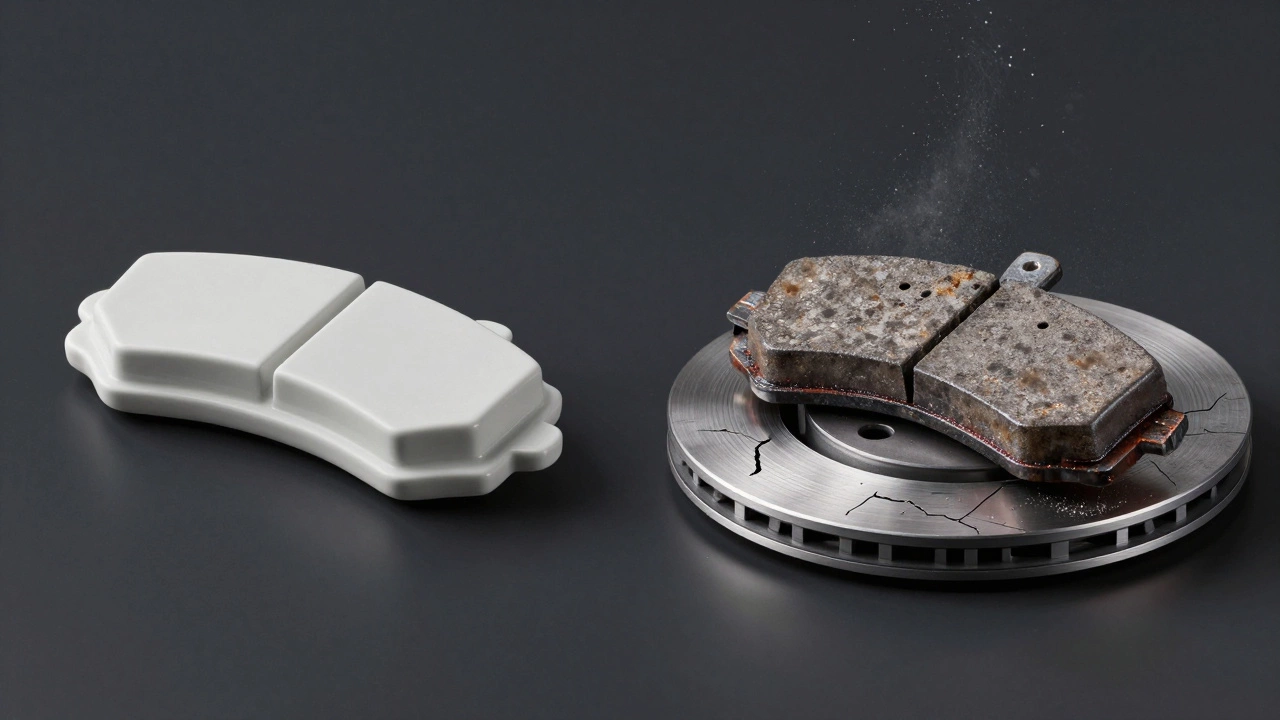
When pads wear past their limit, the metal backing plate grinds directly into the rotor. This damages the rotor surface, causing warping, scoring, or even cracking. Replacing a rotor costs $100-$300 per wheel. That’s $400-$1,200 extra on top of the pads.
Worn pads also reduce braking power. In an emergency stop, that extra foot or two of stopping distance could mean the difference between avoiding a collision and hitting it. Studies from the Insurance Institute for Highway Safety show that vehicles with worn brake pads take up to 20% longer to stop in wet conditions.
And yes, you can fail a safety inspection with worn pads. Many states require a minimum of 2mm of pad material. You won’t pass inspection if you’re at 1mm.
When to Replace: A Simple Rule
Here’s a simple way to remember: check your brake pads every 10,000 miles or every six months-whichever comes first. That’s about the same frequency as an oil change.
Make it part of your routine. If you get an oil change every 5,000 miles, ask the technician to check your pads while they’re under the car. Most shops do it for free. If you’re doing your own maintenance, spend five minutes peeking through the wheel every time you fill up.
Don’t rely on mileage alone. Pay attention to how your car feels. If the brake pedal feels spongy, if you hear new noises, or if your car pulls to one side when braking, get it checked immediately.
Brake Pad Replacement Costs
Replacing brake pads isn’t expensive if you catch it early. A set of front pads for a Honda Civic costs $50-$100. Labor runs $80-$150 per axle. Total? Around $150-$250.
But if you wait and damage the rotors, you’re looking at $300-$600 per axle just for the rotors alone. Add new pads and labor, and you’re over $700. That’s more than a tire replacement.
Some drivers opt for aftermarket pads. Brands like Akebono, Bosch, and Powerstop offer quality alternatives to OEM parts. Ceramic pads cost more upfront but last longer and are cleaner. Semi-metallic are tougher for heavy-duty use.
Myth: Brake Pads Last 50,000 Miles
You hear this all the time. But it’s misleading. That number might be true for a light-footed driver in a small car on quiet roads. For most people, it’s optimistic.
A 2024 Consumer Reports survey of 12,000 car owners found that 43% replaced their brake pads before 40,000 miles. Only 18% made it past 60,000 miles without replacement. The median was 48,000 miles.
So if you think your pads will last 50,000 miles, you’re probably right-if you drive like a monk. Most people aren’t that gentle.
Final Advice: Don’t Guess. Check.
Brake systems are one of the few things in your car that directly affect your life and the lives of others. There’s no room for guesswork.
Set a reminder every six months to look at your brake pads. Learn what they look like when new versus worn. Listen to your car. If it squeaks, grind, or feels slow, don’t ignore it.
Replacing brake pads before they’re completely gone saves money, keeps your car safe, and gives you peace of mind. That’s not a luxury-it’s basic car ownership.
How often should brake pads be replaced on average?
On average, brake pads last between 30,000 and 70,000 miles. But this varies widely based on driving habits, vehicle type, and pad material. City drivers often need replacements closer to 30,000 miles, while highway drivers may reach 70,000 miles. The best rule is to inspect them every 10,000 miles or every six months.
Can you drive with worn brake pads?
Driving with worn brake pads is risky. Once the friction material is gone and metal touches metal, you risk damaging rotors, reducing stopping power, and increasing stopping distance. You may also fail a safety inspection. If you hear grinding, stop driving and get them replaced immediately.
Do brake pads wear out faster on front or rear wheels?
Front brake pads wear out faster because most of the braking force is handled by the front wheels-typically 70% or more. Rear pads can last twice as long. That’s why many cars need front pad replacements before the rears ever need attention.
Are expensive brake pads worth it?
Ceramic brake pads cost more upfront but last longer, produce less dust, and are quieter than cheaper semi-metallic or organic pads. For daily drivers, especially in urban areas, ceramic pads are often worth the investment. For heavy-duty use like towing, semi-metallic pads offer better heat resistance.
How do I know if my rotors are damaged from worn pads?
Signs of damaged rotors include vibration or pulsing in the brake pedal, a loud grinding noise even after new pads are installed, or visible grooves and scoring on the rotor surface. A mechanic can measure rotor thickness and check for warping. If rotors are below the minimum thickness spec, they must be replaced, not resurfaced.