HVAC Air Filter Suitability Checker
Your Home Profile
Enter your details above
We will analyze your specific situation against standard HVAC guidelines to recommend the best filter rating.
Most people grab the first box of filters they see at the hardware store. It’s usually a cheap white pleated one, often labeled MERV 8. You toss it in your furnace, forget about it until your wife reminds you three months later, and hope for the best. But is that really enough to keep the air in your house clean? The short answer is: it depends on what you’re trying to catch.
If you just want to protect your HVAC system from dust bunnies, MERV 8 might do the job. If you have allergies, asthma, or pets that shed like crazy, you’re probably under-filtering. Let’s break down exactly what MERV means, why that number matters more than the brand name, and whether you should upgrade your setup.
What Does MERV Actually Mean?
You’ve seen the acronym on every filter box since the early 2000s. MERV stands for Minimum Efficiency Reporting Value. It’s a standard created by ASHRAE (the American Society of Heating, Refrigerating and Air-Conditioning Engineers) to help consumers compare how well different filters trap particles. The scale runs from 1 to 16 for residential and light commercial applications. Higher numbers mean better filtration.
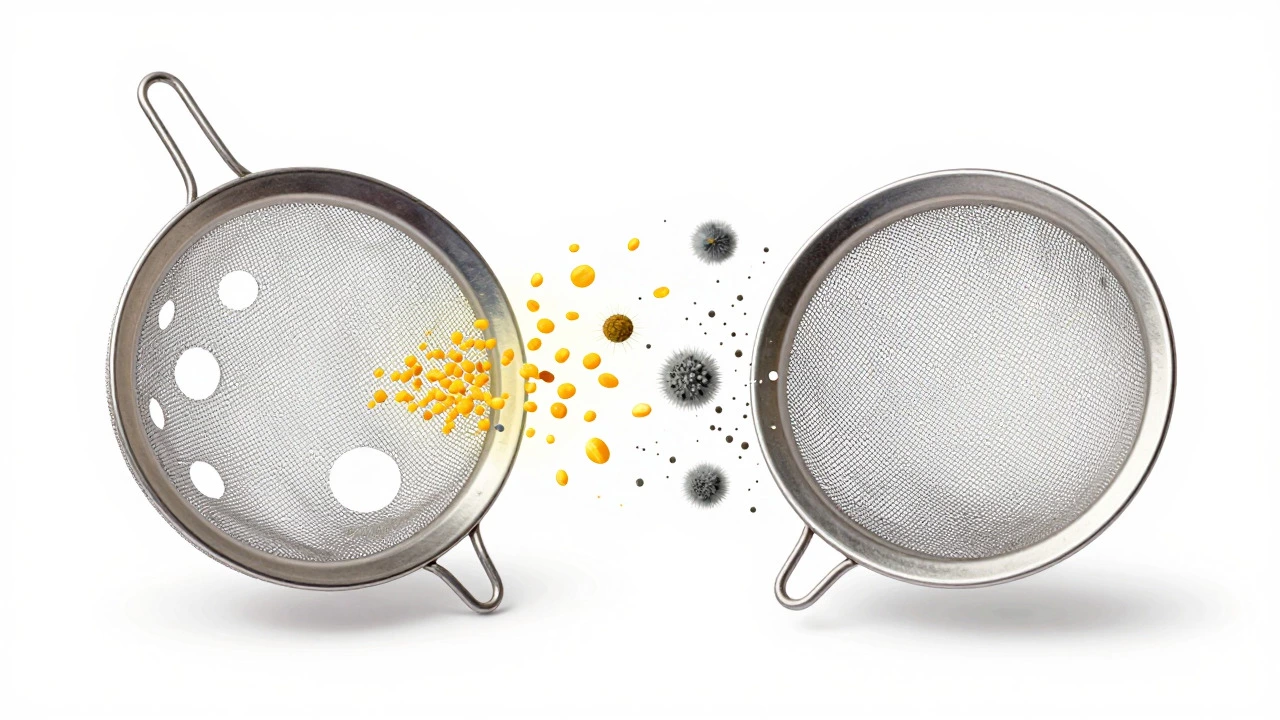
Think of it like a sieve. A MERV 1 filter is like a colander-it lets almost everything through except big chunks. A MERV 13 is like a fine mesh strainer-it catches tiny bits of sand and salt. MERV 8 sits right in the middle. It’s not terrible, but it’s not great either. It captures large particles like pollen, mold spores, and carpet fibers, but it misses the microscopic stuff that actually triggers most allergic reactions.
| MERV Range | Particle Size Caught | Best For | Airflow Impact |
|---|---|---|---|
| MERV 1-4 | Dust, lint, hair | Budget systems, basic protection | None |
| MERV 5-8 | Pollen, mold spores, dust mites | Average homes, no health issues | Low |
| MERV 9-12 | Bacteria, pet dander, smoke | Allergies, pets, moderate pollution | Moderate |
| MERV 13-16 | Virus carriers, tobacco smoke, fine dust | Asthma, high pollution, hospitals | High (may restrict airflow) |
What Exactly Does a MERV 8 Filter Catch?
Let’s get specific. A MERV 8 filter is rated to capture between 70% and 85% of particles sized between 3.0 and 10 microns. That sounds technical, so let’s translate it into real-world terms. These are the things floating around your living room:
- Pollen: Yes, MERV 8 catches most tree and grass pollen. If your main issue is seasonal sneezing in spring, this helps.
- Mold Spores: Most common household mold spores fall into this size range. MERV 8 will trap a good chunk of them.
- Carpets Fibers & Dust Bunnies: Absolutely. This is what MERV 8 does best. It keeps your blower motor from getting clogged with fluff.
- Dust Mite Debris: Partially. While the mites themselves are too big to float, their waste products are smaller. MERV 8 catches some, but not all.
Here’s where it gets tricky. MERV 8 struggles with particles smaller than 3 microns. That includes pet dander (some of it), bacteria, and especially virus-laden droplets. If you’re worried about catching cold viruses or reducing indoor smoking residue, MERV 8 isn’t doing much heavy lifting.
When Is MERV 8 Actually Good Enough?
Not everyone needs hospital-grade air filtration. In fact, using a filter that’s too dense can hurt your HVAC system. Here are scenarios where sticking with MERV 8 makes perfect sense:
- You Have an Older Furnace: Many older central heating systems aren’t designed to handle high-resistance filters. Pushing air through a thick MERV 13 filter can strain your blower motor, increase energy bills, and even cause overheating. If your unit is over 15 years old, check the manufacturer’s recommendation. They often cap out at MERV 8.
- No One Has Allergies or Asthma: If your family breathes easy and doesn’t suffer from respiratory conditions, you don’t need to over-engineer your air quality. Basic dust control is sufficient.
- Budget Constraints: MERV 8 filters are significantly cheaper than MERV 11 or 13 options. If you’re replacing four filters every season, that adds up. For a rental property or a guest house, MERV 8 offers decent protection without breaking the bank.
- Good Outdoor Air Quality: If you live in a rural area with low pollution and no wildfire risk, your indoor air isn’t being bombarded by external contaminants. You’re mainly fighting internal dust, which MERV 8 handles well.
Why You Might Want to Upgrade Beyond MERV 8
Living in Bristol, I’ve noticed how damp weather brings in mold concerns, and city traffic adds particulate matter to the air. If you’re in a similar situation, or if your home life has changed, MERV 8 might be holding you back. Consider upgrading to MERV 11 or 12 if any of these apply to you:
Pet Owners: Cats and dogs shed skin cells and dander constantly. Much of this debris is smaller than 3 microns. A MERV 11 filter traps significantly more pet allergens, reducing the “dog smell” and keeping surfaces cleaner longer. I switched to MERV 11 after adopting a golden retriever, and the difference in vacuum frequency was noticeable.
Allergy Sufferers: If you wake up congested or find yourself sneezing indoors, your current filter is likely letting allergens recirculate. MERV 11+ filters capture finer dust mite feces and pollen fragments that trigger immune responses. It’s not a cure-all-you still need to clean regularly-but it reduces the load on your lungs.
Smokers or Cooking Heavy Meals: Tobacco smoke and cooking grease produce ultrafine particles. MERV 8 lets most of these pass through. A higher-rated filter won’t eliminate odors completely (you’d need activated carbon for that), but it will trap more of the solid particulates.
The Hidden Risk: Airflow Restriction
Before you rush to buy the highest MERV rating available, stop and think about airflow. Your HVAC system is a balance. The blower pushes air through the filter, across the coils, and into your vents. If the filter is too dense, the blower has to work harder. This leads to three problems:
- Higher Energy Bills: Your motor draws more electricity to push against the resistance.
- Reduced Comfort: Less air reaches your rooms, making heating and cooling slower and uneven.
- System Damage: In extreme cases, restricted airflow can freeze evaporator coils in summer or overheat heat exchangers in winter.
How do you know if your system can handle a higher MERV? Check two things. First, look at your existing filter slot. If it’s a thin 1-inch frame, you’re limited. Thicker filters (4 to 6 inches) allow for more media depth, meaning you can use a higher MERV rating without choking the airflow. Second, consult your furnace manual. Most modern units (post-2010) are rated for MERV 11 or 12. If yours says “MERV 8 max,” respect that limit.

Practical Tips for Choosing the Right Filter
Don’t just guess. Follow this simple checklist to make sure you’re buying the right product:
- Measure Twice: Always measure the opening, not the old filter. Filters shrink when compressed. Buy the exact dimensions listed on your furnace door.
- Check the Seal: A MERV 13 filter with a gap around the edges performs worse than a MERV 8 filter that seals perfectly. Ensure your filter rack is clean and undamaged.
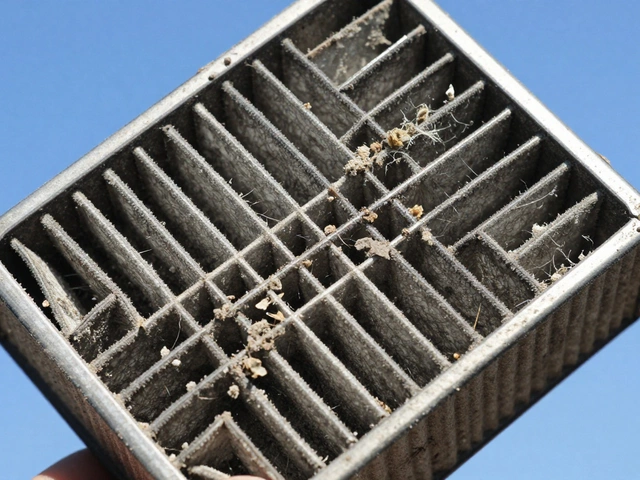
- Replace Regularly: A clogged MERV 8 acts like a MERV 16-blocking all air. Change filters every 90 days, or sooner if you have pets. Set a reminder on your phone.
- Consider Media Depth: If possible, upgrade to a 4-inch or 5-inch filter housing. These hold more dust and maintain airflow longer than thin 1-inch panels.
Frequently Asked Questions
Can I use a MERV 13 filter in a system designed for MERV 8?
It depends on your HVAC unit’s age and design. Many older systems cannot handle the increased resistance of a MERV 13 filter, which may lead to reduced airflow, higher energy costs, or even equipment damage. Check your furnace manual or consult an HVAC professional before upgrading beyond the recommended rating. If your system has a deep-media filter slot (4+ inches), it’s more likely to support higher ratings safely.
Does a higher MERV rating mean better air quality?
Generally, yes. Higher MERV ratings capture smaller particles, including bacteria, smoke, and fine dust. However, “better” air quality also depends on proper installation and regular replacement. A dirty high-MERV filter can worsen air quality by restricting airflow and allowing pollutants to bypass the media. Balance filtration efficiency with your system’s capacity.
How often should I replace a MERV 8 filter?
Typically every 90 days under normal conditions. If you have pets, smokers in the house, or live in a dusty area, consider changing it every 60 days. Always inspect the filter monthly; if it looks gray and packed with dust, replace it immediately regardless of the schedule.
Are electrostatic or washable filters better than MERV 8?
Often, no. Many reusable electrostatic filters claim high efficiency but lack standardized testing. Their actual MERV equivalent is frequently lower than advertised, sometimes below MERV 5. Disposable pleated filters with verified MERV ratings tend to perform more consistently. Washable filters also require thorough cleaning and drying to prevent mold growth, adding maintenance hassle.
Will a MERV 8 filter remove viruses from my home air?
Not effectively. Viruses are extremely small, typically less than 0.3 microns. MERV 8 filters target particles larger than 3 microns. To capture virus-sized particles, you need a MERV 13 filter or a HEPA-class purifier. Even then, central HVAC systems alone are rarely sufficient for complete viral removal; dedicated air purifiers with true HEPA filters are more effective for this purpose.