Brake Symptom Diagnostic Checker
Select the symptoms you are experiencing to determine if the issue likely lies with your front or rear brakes.
Select at least one symptom above to begin analysis.
Important Safety Note
This tool is for informational purposes only. Brake systems are critical for safety. If you experience grinding noises, severe vibration, or a soft pedal, inspect your vehicle immediately or visit a certified mechanic. Front brakes handle ~70% of stopping power, so front-end issues are often more urgent.
You’re cruising down the highway, tap the pedal for a stop sign, and suddenly hear a sound that makes your stomach drop. Is it a screech? A grind? Or maybe just a weird vibration in the steering wheel? Figuring out whether your front brakes or rear brakes are failing isn’t always obvious, but it’s critical for your safety. Most modern cars put about 70% of their stopping power on the front wheels, so when something feels off, it’s usually the front end screaming for help. But ignoring the rear can be just as dangerous, especially if you drive an older vehicle or tow heavy loads.
The Front-End Warning Signs
Your front brakes do the heavy lifting every time you slow down. Because they handle most of the kinetic energy, they wear out faster than the rears. If you notice your car pulling to one side when you hit the brakes, that’s a classic red flag. It usually means one caliper is sticking or a pad is worn unevenly on one side. This asymmetry creates drag, pulling the nose of the car toward the tighter side. You might also feel a pulsation through the brake pedal. That wobble often indicates warped rotors, which happen when hot metal cools too quickly or gets subjected to hard stops repeatedly. Don’t confuse this with ABS activation-that’s a rapid clicking sensation during emergency stops, not a constant vibration.
Noise is another big tell. High-pitched squealing often comes from built-in wear indicators-little metal tabs designed to scrape against the rotor when pads get thin. If you ignore that squeal, it turns into a harsh grinding noise. That’s metal-on-metal contact, meaning your backing plate is eating away at the rotor surface. Once you hear grinding, you’re no longer just replacing pads; you’re likely looking at new rotors too. And if the steering wheel shakes violently while braking, check your front suspension components as well, because loose tie rods or ball joints can mimic brake issues.
Detecting Rear Brake Trouble
Rear brakes work differently. They provide stability and prevent the back end from fishtailing, but they don’t stop the car as aggressively. Symptoms here are subtler. If your rear brakes are bad, you might feel the car squirm or slide slightly during hard braking, especially on wet pavement. This happens because the rear wheels lose traction before the fronts do. Another clue is a soft or spongy brake pedal. While air in the lines affects the whole system, leaking rear wheel cylinders (on drum brakes) or calipers (on disc brakes) can cause fluid loss, leading to that mushy feeling.
On vehicles with drum brakes in the rear, look for dust buildup around the wheels. Brake dust is normal, but excessive amounts coming from just the rear wheels suggest the drums are wearing down or shoes are disintegrating. Also, pay attention to your parking brake. If your car rolls slightly on a hill even when the handbrake is engaged, your rear brakes-or the mechanism connecting them-are failing. The parking brake typically acts only on the rear wheels, making it a direct diagnostic tool for rear brake health.
Visual Inspection: What to Look For
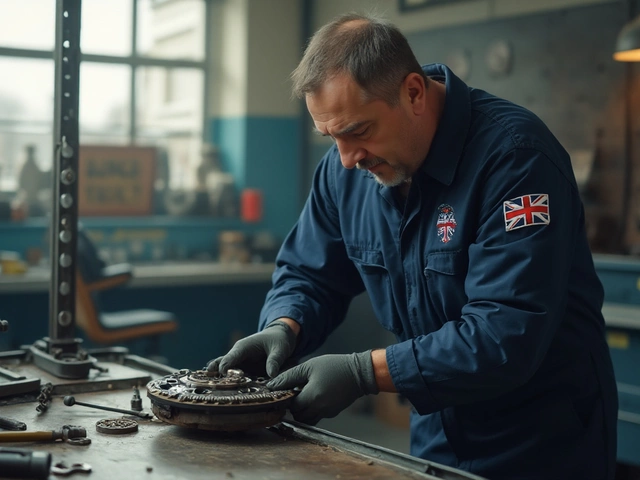
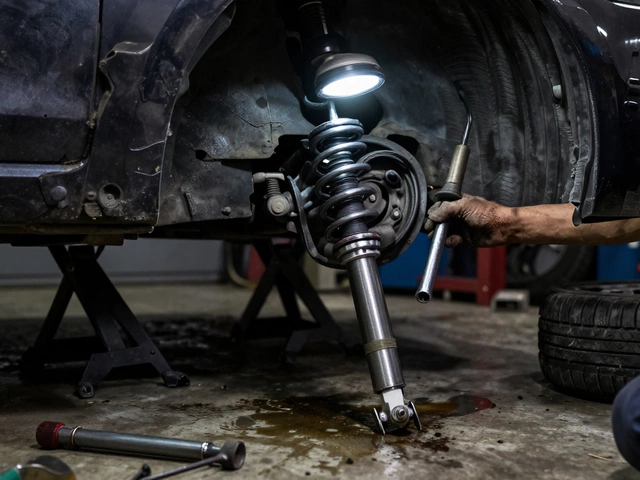
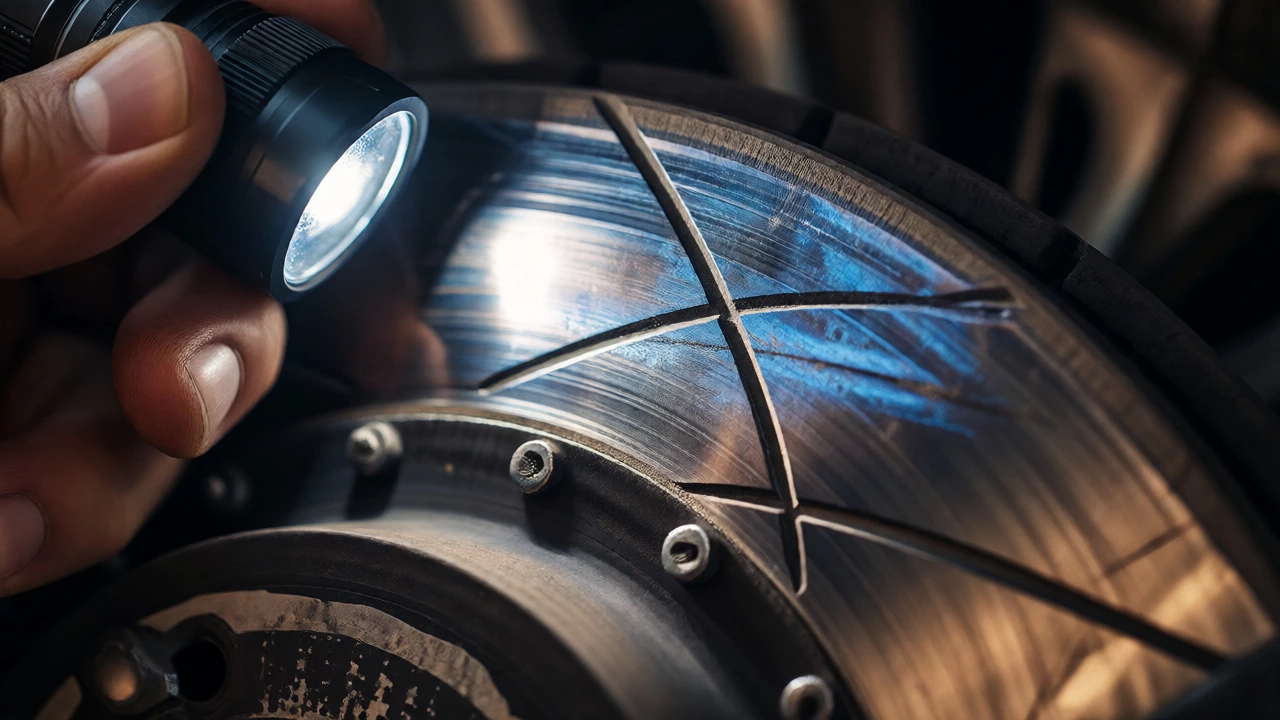
You don’t need a mechanic’s license to check your brakes. With the car parked on level ground and the engine off, take a flashlight and peek through the spokes of your wheels. On disc brake systems, you should see the caliper clamped over a shiny rotor. Between them sits the brake pad. Healthy pads have at least 3-4 millimeters of friction material left. Anything less than 1.5 mm is urgent. If you see deep grooves cut into the rotor surface, that’s metal-on-metal damage. Rotors should feel smooth to the touch (after cooling), not ridged like vinyl records.
| Symptom | Likely Front Brake Issue | Likely Rear Brake Issue |
|---|---|---|
| Pulling to one side | Sticking caliper or uneven pad wear | Rare (usually hydraulic imbalance) |
| Pedal vibration | Warped rotors | Out-of-round drums (rare) |
| Squealing/Grinding | Worn pads hitting wear indicator | Glazed shoes or rust buildup |
| Soft/Spongy Pedal | Air in lines or master cylinder leak | Leaking wheel cylinder or proportioning valve |
| Parking brake failure | N/A (usually doesn't affect front) | Worn rear shoes or stretched cable |
For drum brakes, you can’t see much without removing the wheel. However, many modern cars use rear discs now, making inspection easier. If you do remove a wheel, check for blueish discoloration on the rotor. That’s heat staining, indicating the brakes got extremely hot recently. While not always fatal, it signals aggressive driving or dragging brakes that could lead to premature failure.
Performance Tests You Can Do Safely
Feel is often more reliable than sight. Find a safe, empty parking lot or a quiet street with low traffic. Accelerate to about 30 mph and apply moderate pressure to the brake pedal. Note how the car responds. Does it stop straight? Does the pedal feel firm? Now, try a harder stop from 40 mph. Listen for noises and feel for vibrations. If the steering wheel shakes, suspect the front rotors. If the rear end feels loose or unstable, suspect the rear brakes.
Another test involves the electronic parking brake or traditional handbrake. Park on a gentle incline. Apply the parking brake firmly. Shift into neutral (or leave in park if automatic). Gently release the foot brake. If the car holds steady, your rear brakes are doing their job. If it creeps forward or backward, the rear system is weak. Remember, this test assumes your transmission pawl isn’t the only thing holding the car, so keep your foot near the pedal just in case.
When to Replace vs. Resurface
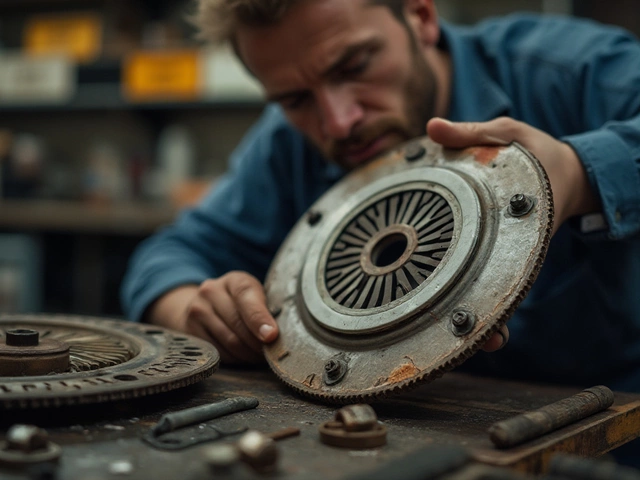
Once you’ve identified the problem, you face a choice: replace or resurface. For rotors, resurfacing (turning) removes a thin layer of metal to create a fresh, flat surface. This works if the rotors are thick enough and free of cracks. Check the minimum thickness stamp on the edge of the rotor. If you’re below that number, replacement is mandatory. Pads are almost always replaced, never resurfaced. They’re relatively cheap compared to labor, so swapping them out is standard practice.
Consider the age of your vehicle. Older cars with high mileage might benefit from replacing all four rotors and pads at once. Mixing old and new components can lead to uneven braking bias. For example, new front pads grip better than old rear ones, potentially causing the rear wheels to lock up sooner than intended. Modern ABS systems compensate for this, but it’s still smarter to keep the system balanced. Always buy quality parts. Cheap ceramic pads might save money upfront but can fade under heat, reducing stopping distance when you need it most.
Common Misconceptions About Brake Wear
Many drivers think brake lights mean their brakes are fine. Wrong. Brake lights just show that the switch activated; they don’t indicate pad thickness. Similarly, seeing brake dust on your rims doesn’t necessarily mean bad brakes-it’s a byproduct of friction. Some people believe that if the car stops, the brakes are okay. Not true. You can stop with half-worn pads, but your stopping distance increases significantly. At 60 mph, worn brakes might add 20-30 feet to your stopping distance. That’s the length of a school bus. In an emergency, those feet matter.
Also, don’t rely solely on dashboard warning lights. Many cars don’t have sensors for rear brakes. Even front sensors fail. Trust your ears and hands first. If you feel unsure, get a second opinion. A quick visual check takes two minutes and costs nothing. Ignoring early signs leads to expensive repairs later, like damaged hubs or calipers. Catching a squeal today saves you from replacing a rotor tomorrow.
How long do front brakes last compared to rear brakes?
Front brakes typically last between 25,000 and 65,000 miles, depending on driving habits and conditions. Rear brakes often last twice as long, sometimes reaching 80,000 miles or more, because they handle less load. Aggressive city driving shortens these intervals significantly.
Can I drive with grinding brakes?
You can drive briefly, but it’s risky. Grinding means metal-on-metal contact, which destroys rotors rapidly. Continuing to drive can warp rotors beyond repair, damage calipers, and reduce stopping power. Limit speed and distance until you reach a shop.
Why does my car pull to the right when braking?
Pulling usually indicates a stuck caliper piston on the opposite side (left, if pulling right) or contaminated brake fluid/pads on one side. Uneven tire pressure or alignment issues can also cause pulling, but if it only happens during braking, focus on the brake system first.
Do all cars have disc brakes on all four wheels?
No. Many economy cars and trucks still use drum brakes on the rear axle. Drum brakes are cheaper and effective for light-duty stopping but lack the heat dissipation of discs. Inspect them differently, often requiring wheel removal to check shoe wear.
What does a spongy brake pedal mean?
A spongy pedal usually indicates air in the brake lines or moisture contamination in the brake fluid. It can also signal a failing master cylinder or a leak in the system. Bleeding the brakes often fixes air issues, but persistent sponginess requires professional diagnosis.