Spark Plug Troubleshooter
Diagnose Your Issue
Answer the questions below to determine the likely cause of your performance drop.
You just spent an afternoon swapping out your old spark plugs, expecting smoother acceleration and better fuel economy. Instead, the engine feels rough, idles poorly, or hesitates when you hit the gas. It’s frustrating, especially when you did everything by the book-or so it seemed. The truth is, a spark plug change isn’t just about turning bolts; it’s a precision task where tiny errors can wreck performance.
This isn’t rare. Mechanics see this all the time. The issue usually stems from one of five common mistakes: incorrect gap settings, wrong heat range, improper installation torque, damaged threads, or a mismatch between the new plugs and your vehicle’s ignition system. Let’s break down exactly what goes wrong and how to fix it without tearing your hair out.
The Gap Trap: Why Precision Matters
The electrode gap is the distance between the center and ground electrodes on a spark plug. This gap determines how much voltage is needed to create a spark. If the gap is too wide, the coil pack might not generate enough voltage to jump it, causing misfires. Too narrow? The spark is weak, leading to incomplete combustion.
Many people assume new plugs come pre-gapped correctly. While true for some brands like NGK or Denso in specific applications, others require manual adjustment. Even factory-correct gaps can shift during shipping or handling. A difference of just 0.1mm can alter engine behavior significantly. For example, if your manufacturer specifies a 0.8mm gap and yours sits at 1.0mm, you’re asking your ignition coils to work 25% harder. On older cars with weaker coils, this results in noticeable hesitation under load.
Pro Tip: Always check the gap with a wire feeler gauge before installing. Use a gentle tapping tool to adjust, never pliers, which can crack the ceramic insulator.
Heat Range Mismatch: The Invisible Killer
Spark plugs aren’t one-size-fits-all. They have a heat range, indicating how quickly they dissipate heat from the combustion chamber. A "hot" plug retains more heat, suitable for low-speed city driving. A "cold" plug sheds heat faster, ideal for high-performance or towing scenarios.
If you install a plug that’s too cold for your daily driver, carbon buildup occurs rapidly, fouling the plug within weeks. Conversely, a plug that’s too hot can cause pre-ignition (pinging), damaging pistons over time. Check your owner’s manual or use an online cross-reference tool from the plug manufacturer. Don’t guess based on appearance alone-two plugs can look identical but perform entirely differently.
Torque Specs: Tighten With Care
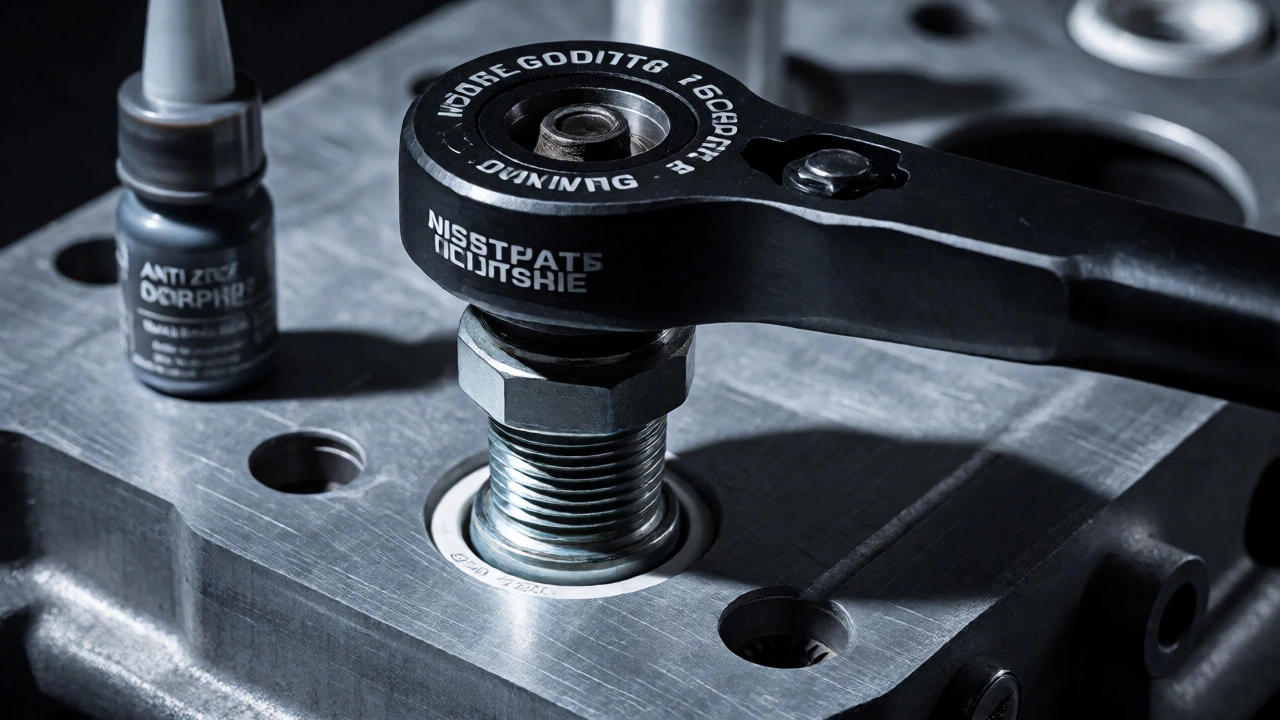
Over-tightening is arguably the most common DIY error. Modern engines often have aluminum cylinder heads, which are softer than cast iron. Cranking a spark plug down too hard can strip the threads in the head itself-a repair that costs hundreds, not dollars.
| Plug Type | Thread Diameter | Recommended Torque | Notes |
|---|---|---|---|
| New Plug (Dry) | 14mm | 15-20 Nm | Use torque wrench if possible |
| New Plug (Anti-Seize) | 14mm | 13-17 Nm | Reduce torque by ~10% |
| Reused Plug | 14mm | 20-25 Nm | Only if threads are clean |
Under-tightening allows compression gases to leak past the plug seat, causing misfires and potentially blowing the plug out. Over-tightening risks thread damage. If you don’t own a torque wrench, hand-tighten until snug, then turn another 1/16 to 1/4 turn. But seriously, buy a cheap inch-pound torque wrench-it pays for itself after one mistake avoided.
Cross-Threading and Thread Damage
If the new plug doesn’t start easily by hand, stop. Forcing it causes cross-threading, which damages both the plug and the head. You’ll hear a grinding sensation. Remove it immediately, inspect the threads, and try again gently. If resistance persists, use a thread chaser to clean the hole. Never use a tap unless necessary, as it removes metal.
Also, ensure the crush washer (if present) is seated correctly. Some plugs rely on a metal gasket to seal against the head. If this is crushed unevenly or missing, you get leaks and poor sealing.

Ignition System Compatibility
Your car’s ignition system-whether traditional distributor-based, coil-on-plug, or waste-spark-has specific requirements. Newer direct-injection engines demand precise spark timing and energy levels. Using non-OEM equivalent plugs with different resistor values can interfere with electronic control units (ECUs). A faulty ECU signal due to electrical noise from incompatible plugs can cause erratic idle codes like P0300 (random misfire).
Additionally, check the boot condition. Old rubber boots become brittle and may crack when removed, allowing moisture ingress. Moisture causes arcing, where the spark jumps to the block instead of the gap. Replace boots if they show signs of wear or white crusty deposits.
Diagnosing the Issue: Step-by-Step
Before ripping everything apart, follow this checklist:
- Scan for Codes: Use an OBD-II scanner. Look for misfire codes (P0301-P030X) pointing to specific cylinders.
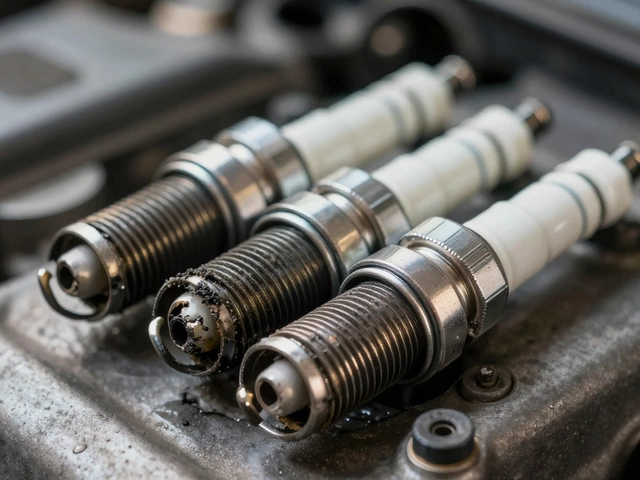
- Visual Inspection: Pull the suspect plug. Is it wet with oil? Fouled black? White blistered? Each tells a story.
- Swap Test: Move the suspected bad plug to another cylinder. If the misfire follows the plug, the plug is defective. If it stays put, the issue is the coil or injector.
- Check Connections: Ensure boots click firmly onto plugs. Loose connections cause intermittent faults.
Remember, sometimes the problem isn’t the plugs at all. Replacing them might have disturbed a nearby vacuum hose or sensor connector. Trace lines back to their sources. A disconnected PCV valve line can mimic plug issues perfectly.
Can I drive my car if it runs worse after changing spark plugs?
Short trips are generally safe, but avoid heavy loads or highway speeds if the engine shakes violently. Continued misfiring can unburnt fuel into the exhaust, overheating and destroying the catalytic converter. Fix it promptly.
Do I need to replace ignition coils when changing spark plugs?
Not necessarily. Coils should last 100,000+ miles. However, if your car has high mileage, replacing them preventatively saves labor later. Inspect them for cracks or burn marks while you're there.
What happens if I overtighten a spark plug?
You risk stripping the threads in the aluminum cylinder head. Repair requires helicoil inserts or head replacement. Also, excessive pressure can crack the ceramic insulator, causing internal leakage.
Should I use anti-seize compound on spark plugs?
Many manufacturers advise against it, especially on nickel-plated plugs, as it alters friction coefficients and torque readings. If used, reduce torque by 10%. Copper grease is preferred over aluminum paste.
How long does it take for new spark plugs to 'break in'?
There's no significant break-in period. Performance should improve immediately. If it takes days to settle, something is likely wrong with the installation or component quality.