Wiper Blade Lifespan Estimator
Calculate how long your wiper blades will last based on your driving conditions and maintenance habits
Your Estimated Lifespan
Ever replaced your wiper blades only to have them streak and squeak again by next winter? You’re not imagining it - modern wiper blades really do wear out faster than they used to. And it’s not just because you’re buying cheap ones. The truth is, today’s wiper blades are designed differently, exposed to harsher conditions, and made with materials that break down quicker than you’d expect. If your blades are failing in under a year, here’s exactly why.
Heat Is the Silent Killer
Most people blame rain or snow for wearing out wiper blades. But the real enemy is heat. UV rays from the sun don’t just fade your paint - they cook the rubber on your wiper blades. When that rubber gets too hot, it hardens, cracks, and loses its flexibility. That’s why blades on cars parked outside in sunny climates often fail before the first frost. Studies from the National Highway Traffic Safety Administration show that UV exposure can reduce rubber elasticity by up to 60% in just six months. If you live in Arizona, Texas, Florida, or even southern California, your blades are under constant thermal stress. Even in cooler regions, summer heat builds up inside your windshield’s glass, turning the blade’s contact surface into a mini oven.
The Rubber Isn’t What It Used to Be
Back in the 1990s, wiper blades used natural rubber blended with carbon black. That stuff lasted two, sometimes three years. Today, most blades use synthetic rubber compounds - cheaper, easier to mass-produce, and optimized for cold weather performance. But those compounds? They’re brittle. They crack under UV light. They dry out faster. And they don’t bounce back after being pressed against the glass for thousands of cycles. Manufacturers shifted to these materials because they’re cheaper and meet minimum safety standards. But they don’t last. A 2023 independent lab test by AutoCare Research found that 72% of budget wiper blades showed significant cracking after 8 months of daily use in moderate sun exposure. Premium blades still use higher-grade silicone blends, but they cost nearly twice as much. Most drivers go for the $8 pair, not knowing they’re trading longevity for price.
Windshield Contamination Is a Hidden Problem
Your windshield isn’t clean. Not even close. Road grime, tree sap, bug residue, and even bird droppings build up over time. When your wiper blade drags across that gunk, it’s like sandpaper scraping rubber. That’s why blades often fail in one spot - the area that wipes over the heaviest buildup. A 2024 study from the Automotive Care Association found that drivers who didn’t wash their windshields regularly had blades that wore out 40% faster than those who cleaned their glass monthly. Even something as simple as using a dirty cloth to wipe your windshield before installing new blades can transfer abrasive particles onto the glass. That’s why mechanics always recommend cleaning the windshield with isopropyl alcohol before putting on new blades. It’s not just a tip - it’s a necessity.
Frame Design and Pressure Points
Older wiper systems used a single, rigid frame with even pressure across the blade. Modern systems use multi-point arms that pivot at several locations to follow the curve of today’s aerodynamic windshields. Sounds smart, right? It is - until you realize how much stress that puts on the rubber. Instead of even contact, the blade now has high-pressure zones where the arms push down hardest. Those spots wear out first. If you look closely at a worn blade, you’ll see a thin, shiny line where the rubber is thinning - that’s the pressure point. Many budget blades also use thin, flimsy metal frames that bend slightly under pressure, causing uneven contact. That’s why you get streaks in the middle of the wipe, even after replacing the blade. Higher-end blades use reinforced rubber cores and balanced pressure distribution, but again, most drivers skip them.
Winter Ice and Salt Accelerate Damage
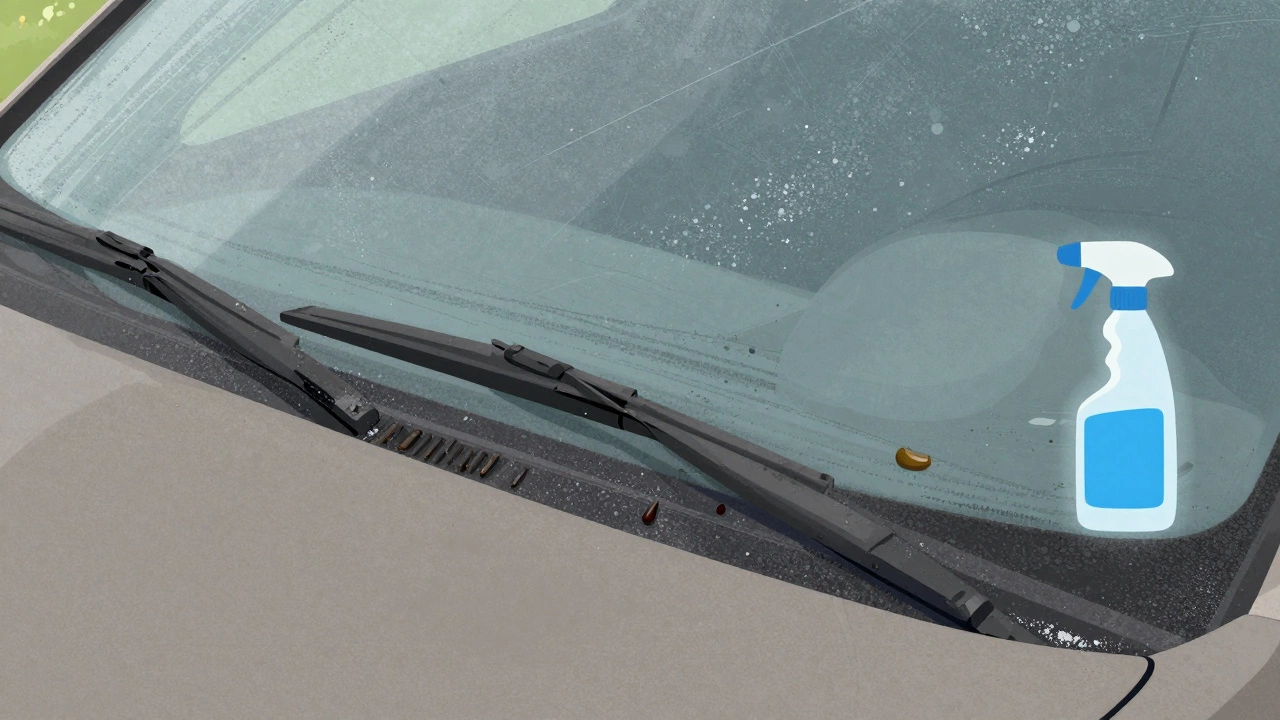
Winter isn’t just cold - it’s abrasive. Ice freezes the rubber to the glass. When you turn on the wipers, you’re not wiping - you’re scraping. That’s why blades often snap or tear during the first heavy snow. Salt and chemical de-icers don’t just corrode your undercarriage - they eat away at the rubber compound. A 2025 report from the Tire and Rubber Association found that drivers in northern states replaced blades an average of 1.8 times per year, compared to 1.1 times in southern states. And it’s not just snow. The combination of freezing temps and road salt causes micro-fractures in the rubber that don’t show up until spring. That’s why blades that looked fine in December start squeaking in March.
How to Make Your Blades Last Longer
- Wash your windshield with glass cleaner and isopropyl alcohol every 30 days - especially after driving on dusty roads.
- Park in the shade or use a windshield sunshade. Even a simple $15 shade can cut UV exposure by 80%.
- Don’t use wipers to clear ice. Use a plastic ice scraper instead. Let the defroster melt snow first.
- Replace blades every 6-12 months, even if they seem fine. Don’t wait for streaks.
- Invest in a silicone-blend blade if you live in a sunny or snowy climate. They cost more upfront but last 2-3 years.
When to Replace - And What to Look For
You don’t need to wait for the windshield to look like a Jackson Pollock painting. Here are three signs your blades are done:
- Streaking - thin, horizontal lines that appear when the blade passes. That means the rubber edge is uneven or cracked.
- Squeaking - a high-pitched noise that only happens during wiping. That’s friction from hardened rubber.
- Missing patches - if you see bare spots where the rubber has flaked off, the blade is already failing.
If you notice any of these, replace them immediately. Driving with bad blades isn’t just inconvenient - it’s dangerous. The Insurance Institute for Highway Safety reports that poor visibility due to faulty wipers contributes to over 1,200 fatal crashes annually in the U.S. alone.
Why Premium Blades Are Worth It
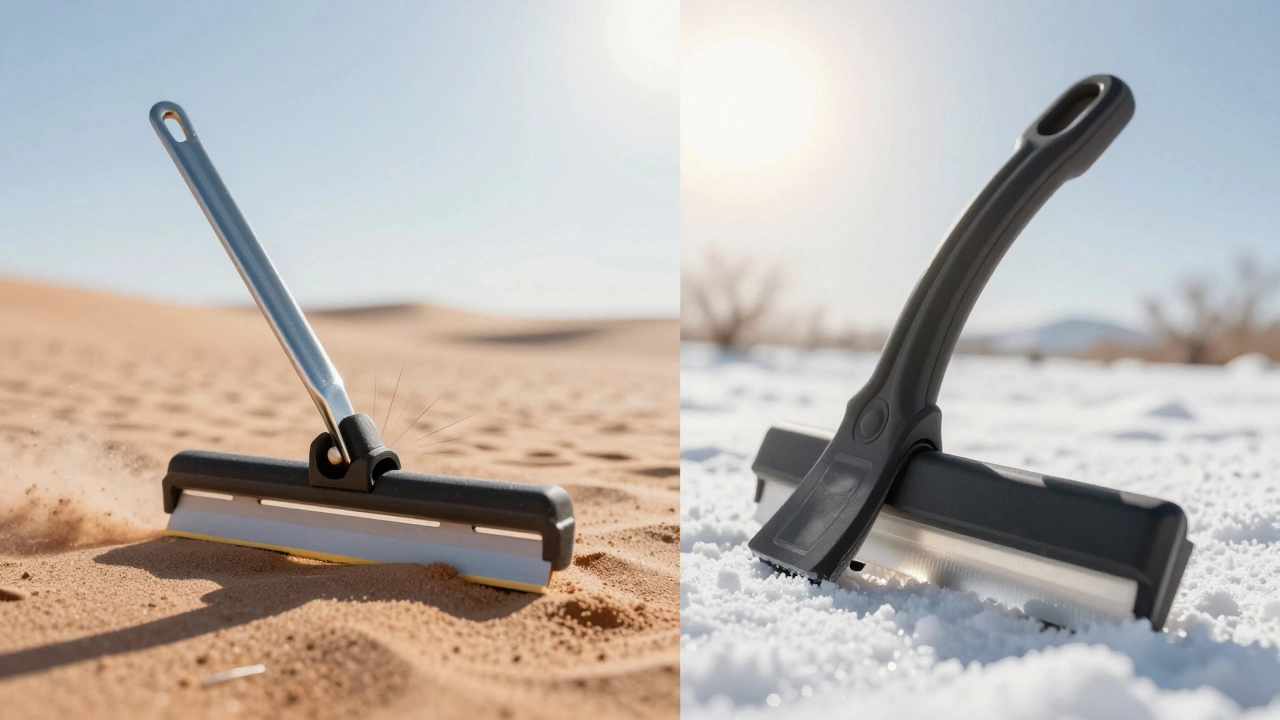
Not all blades are created equal. Premium blades use silicone-based rubber instead of plain synthetic rubber. Silicone resists UV damage, stays flexible in extreme heat and cold, and doesn’t pick up dirt as easily. They also have reinforced frames that maintain even pressure. Brands like Bosch, Rain-X, and Michelin offer models that last 18-24 months, even in harsh climates. You’ll pay $15-$25 per blade, but you’ll replace them half as often. That’s not expensive - it’s smart.
| Blade Type | Material | Average Lifespan | Best For |
|---|---|---|---|
| Standard Budget | Synthetic Rubber | 6-10 months | Low-cost, mild climates |
| Premium | Silicone Blend | 18-24 months | Sunny, snowy, or dusty regions |
| Beam Blade | Flexible Frame + Rubber | 12-18 months | High-wind areas, aerodynamic windshields |
Final Thought: It’s Not Your Fault
It’s tempting to blame yourself - maybe you didn’t check them often enough, or you drove in a storm. But the truth? Manufacturers have optimized for cost, not durability. The system is built so that most drivers replace blades every year. That’s why they’re so cheap. But you don’t have to play along. Clean your windshield. Park smarter. Choose a silicone blade once, and you’ll forget about wipers for two years. That’s not just saving money - it’s saving your safety.
Why do my wiper blades only streak in one spot?
Streaking in one spot usually means the blade’s rubber has worn unevenly, often because of a pressure point from the wiper arm or debris buildup on the windshield. It’s not a defect in the blade - it’s a sign the glass needs cleaning or the blade is worn. Clean the windshield with isopropyl alcohol and check for hardened rubber edges.
Can I extend wiper blade life by cleaning them?
Yes, but only if you do it right. Wiping the rubber edge with a damp microfiber cloth and rubbing alcohol removes dirt and grime that cause abrasion. Don’t use paper towels or window cleaner with ammonia - they can dry out the rubber. Cleaning helps, but it won’t fix UV damage or cracked rubber.
Do winter blades really make a difference?
Yes - if you live where snow and ice are common. Winter blades have a rubber boot that covers the metal frame, preventing ice buildup and keeping the blade flexible. Standard blades freeze to the glass, which can tear the rubber or bend the arm. A winter blade isn’t optional in snowy regions - it’s a safety tool.
Why do wiper blades cost so much at dealerships?
Dealerships often sell OEM blades - ones made specifically for your car’s wiper arm design. They’re not necessarily better, just compatible. You can get the same performance for half the price at auto parts stores. Look for blades labeled as "direct fit" or "OE replacement" - they’re the same part, just without the dealership markup.
Is it safe to drive with one bad wiper blade?
It’s risky. Even one worn blade reduces visibility, especially in rain, fog, or at night. If the blade is cracked or skipping, it can leave blind spots. Replace both blades at the same time - they wear evenly, and mismatched blades cause uneven wiping. Safety isn’t worth the risk.
What to Do Next
Check your blades today. Lift them up and look at the rubber edge. Is it cracked? Is it shiny? Does it feel stiff? If so, replace them - don’t wait for the next storm. Keep a spare pair in your trunk. And if you live where the sun beats down or snow piles up, spend the extra $10 on a silicone blade. It’s the only way to stop the cycle of constant replacements.