Clutch Replacement Cost & Parts Estimator
1. Vehicle Profile
2. Component Inspection Status
Select the condition of each part found during disassembly.
Always recommended to replace
Single Mass (SMF)
Critical for input shaft support
Check for weeping/oil stains
Replace if pedal is spongy or >7 years old
Estimated Parts Cost
Breakdown
- Clutch Kit (Base)$350
- Release Bearing-
- Flywheel-
- Pilot Bearing-
- Input Seal-
- Hydraulics-
Your clutch is slipping. The pedal feels spongy, or maybe the car won't engage first gear without a lot of revving. You know you need a new clutch kita set of components including the pressure plate, clutch disc, and pilot bearing that transfers engine power to the transmission. But here’s the catch: most mechanics will tell you that replacing just the three main parts is rarely enough. If you skip the auxiliary components, you might be back in the shop within six months with the same problem. So, what else should you actually replace?
The short answer is: it depends on your mileage, vehicle type, and how the old parts look when pulled out. But there are several critical components that share the same labor cost as the clutch itself. Since the transmission is already off, ignoring these parts is like fixing a leaky roof but leaving the broken shingles underneath. Let’s break down exactly what needs attention.
The Release Bearing: Don’t Skip This One
The release bearinga mechanical component that disengages the clutch by pressing against the pressure plate diaphragm springs, also known as the throw-out bearing, is the first part I check. It sits right next to the input shaft of the transmission. Its job is simple: when you press the clutch pedal, this bearing pushes against the pressure plate to separate the clutch disc from the flywheel.
Why replace it? Because it’s cheap. A quality release bearing costs between $30 and $80. Labor to install it? Zero extra, because it’s sitting right there while the transmission is off. If you keep the old one, listen for a grinding noise. That’s the bearing failing. Once it grinds, it can damage the pressure plate fingers or the input shaft seal. Most OEMs recommend replacing it every time you do the clutch. It’s not optional if you want a long-lasting repair.
The Flywheel: Single vs. Dual Mass
This is where it gets complicated. The flywheela heavy rotating disk attached to the engine crankshaft that stores rotational energy and provides friction surface for the clutch is the metal disc bolted to the engine block. The clutch disc clamps onto it. There are two main types: single-mass (SMF) and dual-mass (DMF).
Single-Mass Flywheels (SMF) are found in older cars, sports cars, and many manual trucks. They are solid steel discs. Over time, the friction surface heats up and warps. If you see blueing, deep grooves, or uneven wear, you must replace it. Machining (resurfacing) is an option, but only if the wear is minimal. If the warping is more than 0.005 inches, scrap it. Replacing an SMF adds about $150 to $300 to the parts cost.
Dual-Mass Flywheels (DMF) are common in modern diesel engines and some gasoline cars with automatic-like smoothness. They have two masses connected by springs and dampers to reduce vibration. Do they always need replacement? No. But if your car has over 100,000 miles, inspect them closely. DMFs can fail internally, causing rattling noises at idle. If the rattle is gone after replacement, great. If it persists, the DMF was likely the culprit. Replacing a DMF is expensive-often $400 to $800-but necessary if damaged. Never reuse a failed DMF.
Pilot Bearing and Input Shaft Seal
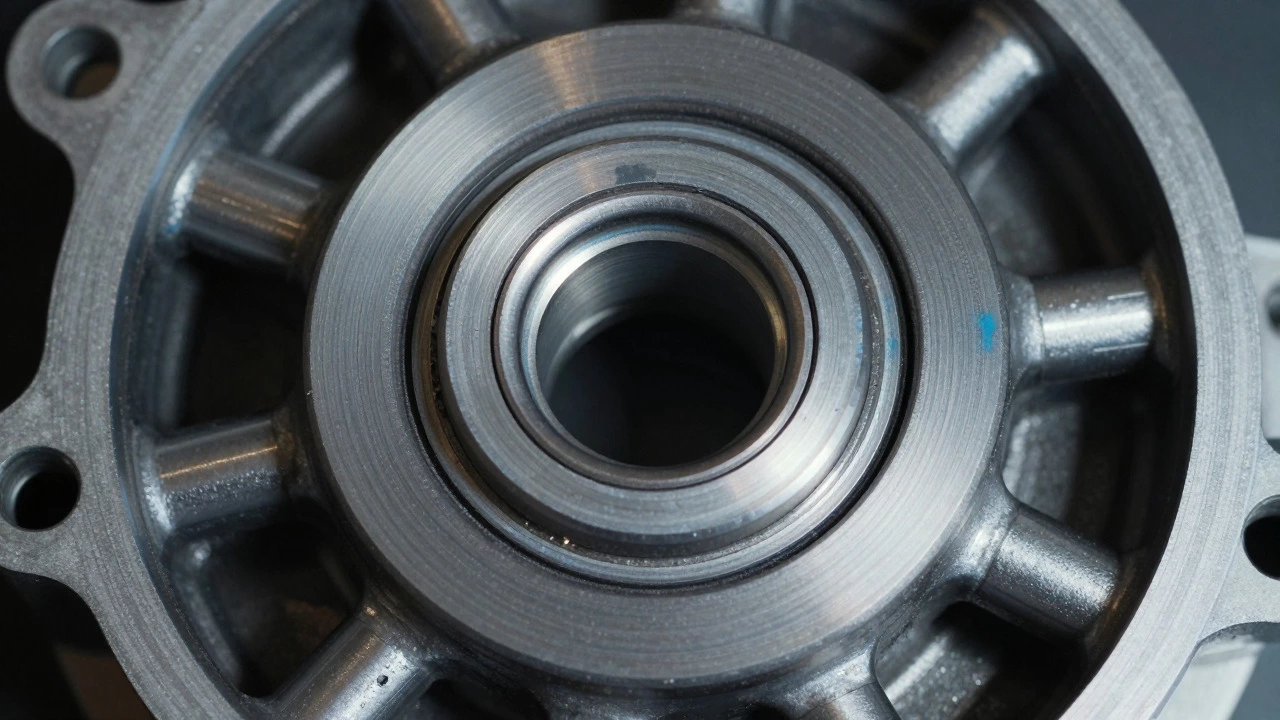
Hidden inside the center of the flywheel is the pilot bearinga small bearing located in the center of the flywheel that supports the input shaft of the transmission. It guides the input shaft into the clutch disc. It’s tiny, often overlooked, and fails silently. When it goes bad, you get a whining noise when the clutch is engaged. Since it’s buried in the flywheel, you can’t easily inspect it without removing the flywheel. Therefore, replace it every time. It costs less than $20. Ignoring it risks damaging the transmission input shaft bearings.
While you’re looking at the input shaft, check the input shaft seala rubber gasket that prevents transmission fluid from leaking past the input shaft. If you see any weeping or oil stains around the bell housing, replace it. It’s a $10 part. Leaking transmission fluid can contaminate the clutch disc, causing slippage. Better safe than sorry.
Hydraulics: Master and Slave Cylinders
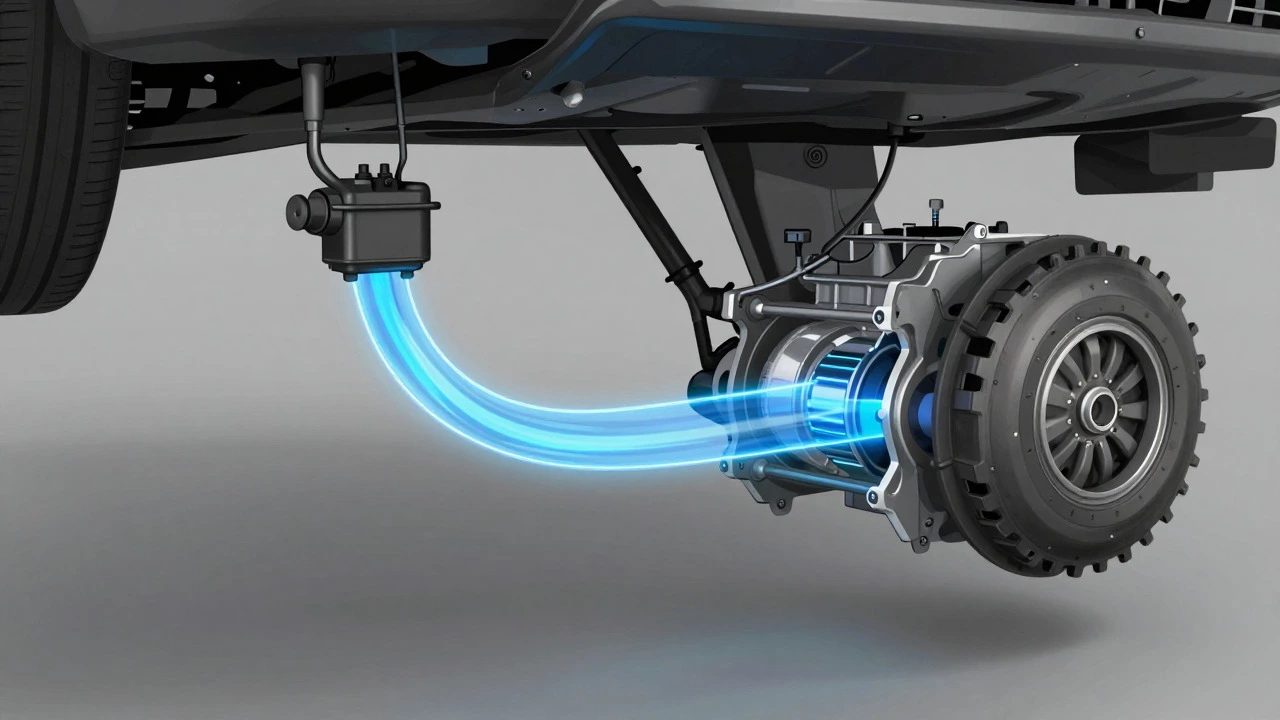
If your car uses hydraulic clutch actuation (most modern cars do), the fluid system matters. The clutch master cylinderthe pump that converts foot pressure into hydraulic pressure to actuate the slave cylinder is under the hood. The clutch slave cylinderthe actuator near the transmission that pushes the release fork or bearing is on the transmission. Both use DOT 4 brake fluid. Over time, seals harden and leak. If the pedal feels soft or sinks to the floor, the master or slave is leaking. Even if it feels fine, consider replacing both if the car is over 7 years old. It’s cheaper than diagnosing a slow leak later. Flush the system with fresh fluid to remove moisture and debris.
Comparison: What to Replace Based on Vehicle Type
| Component | Older Gasoline Cars | Modern Diesel Cars | Sports Cars / Performance |
|---|---|---|---|
| Clutch Kit (Disc, Plate, Pilot) | Always Replace | Always Replace | Always Replace |
| Release Bearing | Always Replace | Always Replace | Always Replace |
| Flywheel | Machinable or Replace if warped | Replace if rattling/worn | Replace if heat-stained |
| Input Shaft Seal | Replace if leaking | Replace if leaking | Replace if leaking |
| Master/Slave Cylinders | Replace if >7 years old | Replace if >7 years old | Inspect; replace if spongy |
Common Mistakes to Avoid
- Reusing the old release bearing: Saves $50 now, costs $300 later if it damages the pressure plate.
- Ignoring the pilot bearing: Cheap part, high risk. Always replace.
- Assuming the flywheel is fine: Visual inspection is key. Blueing means heat damage. Grooves mean wear.
- Using old brake fluid: Moisture in the fluid causes corrosion in the cylinders. Flush it.
- Skipping the input shaft seal: Oil leaks ruin the new clutch disc instantly.
How to Decide: A Quick Checklist
- Check Mileage: Over 100k miles? Assume all auxiliary parts need replacement.
- Listen for Noise: Grinding = release bearing. Whining = pilot bearing. Rattling = dual-mass flywheel.
- Inspect Visually: Remove the flywheel. Look for blueing, grooves, or cracks.
- Test Pedal Feel: Spongy pedal = hydraulic issue. Replace master/slave cylinders.
- Budget Check: If budget allows, replace everything. It’s cheaper than a second visit.
Final Thoughts on Cost vs. Value
Replacing just the clutch kit might save you $200 in parts today. But if the release bearing fails in three months, you’ll pay another $500 in labor to pull the transmission again. The math doesn’t work. For a typical manual car, the total cost of a full clutch job including all recommended parts ranges from $600 to $1,200 in parts alone, plus labor. Adding the auxiliary parts increases the parts cost by $100 to $300. That’s a small price for peace of mind.
Don’t gamble on worn-out components. When the transmission is off, fix everything that shares the same access point. Your future self will thank you when the car runs smoothly for another 100,000 miles.
Do I always need to replace the flywheel with the clutch?
No, not always. For single-mass flywheels, you can machine them if wear is minimal. For dual-mass flywheels, replace them if they make noise or show signs of internal failure. Always inspect visually before deciding.
What is the difference between a release bearing and a pilot bearing?
The release bearing (throw-out bearing) is outside the clutch assembly and pushes the pressure plate. The pilot bearing is inside the flywheel center and supports the transmission input shaft. Both are critical and should be replaced during a clutch job.
Can I reuse the old clutch master cylinder?
You can, but it’s risky. If the pedal feels firm and there are no leaks, it might last. However, since it’s hydraulically linked to the slave cylinder, replacing both ensures consistent performance and prevents future leaks.
How much does it cost to replace the input shaft seal?
The part costs between $10 and $25. Labor is negligible since the transmission is already off. It’s one of the cheapest insurance policies you can buy during a clutch replacement.
What happens if I don’t replace the pilot bearing?
A failed pilot bearing causes a whining noise and can damage the transmission input shaft bearings. Repairing the transmission is far more expensive than replacing a $15 pilot bearing.