
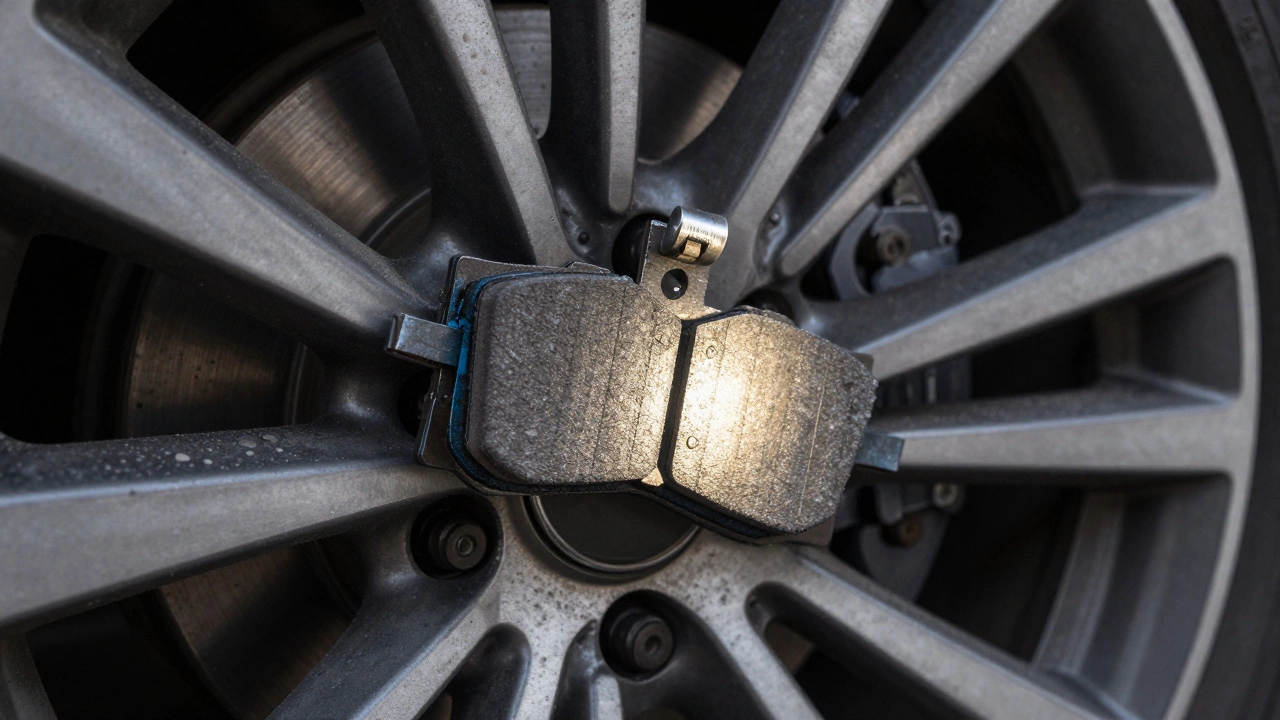
When you hear a high-pitched squeal when you brake, that’s not your car singing—it’s your brake pads, thin friction materials that press against the rotors to stop your vehicle. Also known as brake linings, they’re one of the most critical safety parts in your car and wear out faster than most people realize. Most drivers wait until the brakes feel weird or make noise, but by then, you’re already risking damage to your rotors—or worse, losing stopping power when you need it most.
Brake pads don’t last forever, and their lifespan depends on how you drive. If you’re always stopping hard in city traffic, they might need replacing at 25,000 miles. If you mostly cruise on highways, they could last 70,000. But mileage isn’t the real clue. The real signs are what you feel and hear. A grinding sound? That’s metal on metal—your brake pads are gone, and your rotors are getting shredded. A spongy pedal? That means the pads are worn thin, and the caliper has to push harder to make contact. And if your car pulls to one side when braking, it’s not alignment—it’s uneven pad wear. Mechanics check thickness with a ruler, not a guess. If it’s under 3mm, replace them. Period.
Replacing just one pad? Don’t. It throws off brake balance and can cause uneven wear, overheating, or even brake failure. Always replace them in pairs, front or rear. And don’t ignore the warning sounds. That squeal? It’s built into the pad itself—a metal tab designed to scream when the friction material is gone. It’s not a nuisance. It’s your car begging you to act.
Brake rotors, calipers, and fluid all connect to this one simple part: the brake pad. A bad pad puts stress on everything else. And if you let it go too long, you’re not just paying for new pads—you’re paying for new rotors, maybe even a caliper rebuild. It’s not expensive to fix early. It’s expensive to fix late.
Below, you’ll find real-world guides from drivers and mechanics who’ve been there. You’ll learn how to spot worn pads before they fail, what noise really means, how thick is too thin, and why some "cheap" pads are a false economy. No fluff. Just what you need to know before your next brake job.
 11 December 2025
Brake pads don't have a fixed replacement schedule. Most last 30,000-70,000 miles, but driving style and vehicle type matter more. Listen for squeaks, check thickness, and don't wait for grinding.
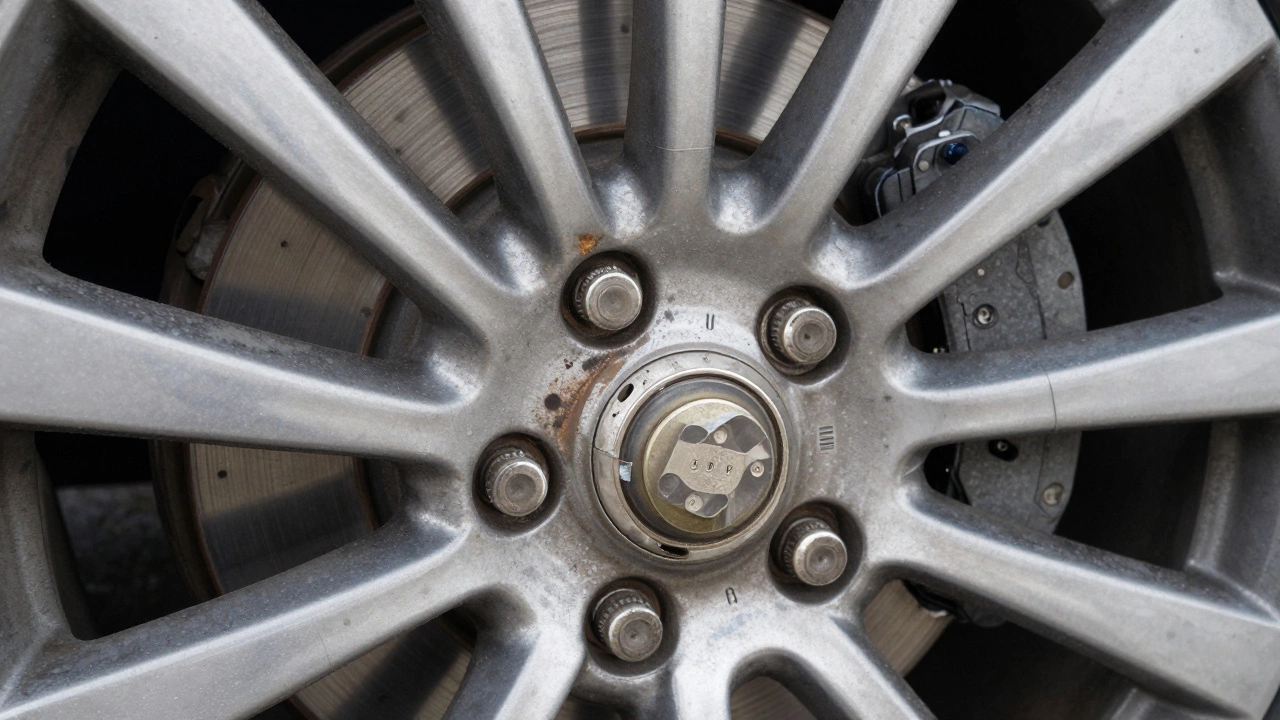 7 December 2025
Brake pads typically last 25,000 to 70,000 miles, but driving habits, vehicle type, and climate affect lifespan. Learn the signs of wear and how to extend pad life for safety and savings.
©2026 northwichtyrescentre.co.uk. All rights reserved


0