
When your tire replacement, the process of swapping out worn or damaged tires for new ones to maintain vehicle safety and performance. Also known as tyre replacement, it’s not just about buying new rubber—it’s about keeping you safe on the road, especially in wet or icy conditions. Most drivers don’t realize their tires are dangerously worn until they hydroplane in the rain or get a blowout on the highway. The law in the UK says your tires need at least 1.6mm of tread depth, but safety experts say you should replace them at 3mm. That’s because stopping distances jump dramatically below that point—your car could take a full car length longer to stop in the wet.
What causes tires to wear out faster? It’s not just mileage. tire wear, uneven or excessive loss of tread due to alignment issues, underinflation, or aggressive driving often comes from poor wheel alignment or driving with underinflated tires. A tire running 10psi low can wear out 20% faster and hurt your fuel economy. Then there’s tire safety, the combination of tread depth, sidewall condition, and proper inflation that ensures reliable grip and control. Cracks in the sidewall? Bulges? Uneven wear patterns? Those aren’t just cosmetic—they’re warning signs your tire could fail without notice.
Replacing tires isn’t a DIY job for most people. It’s not just about unscrewing bolts. You need the right tools to lift the car safely, a torque wrench to tighten lug nuts correctly, and a balancing machine to prevent vibration. Even a small mistake can lead to uneven wear, steering pull, or worse—a tire coming off while driving. That’s why professional tire fitting, the process of mounting, balancing, and installing new tires onto a vehicle’s wheels matters. At Northwich Tyres Centre, we check your alignment, inspect your brakes, and make sure your new tires match your driving habits. No upsells. No guesswork.
You might think you can stretch out your tires until they’re bald, but that’s like driving with worn-out brakes. The cost of one accident from a failed tire far outweighs the price of four new ones. And if you’re replacing just one or two tires, you need to know which ones go where—putting new tires on the rear is safer, even on front-wheel drive cars, because it prevents fishtailing in the rain.
There’s no magic number for when to replace tires—it’s not just age, not just tread, not just miles. It’s the combination. If you’ve hit 40,000 miles, your tires are over five years old, or you’ve driven through a pothole that rattled your whole car, it’s time to get them checked. We’ve seen tires that looked fine until we sliced them open—hidden damage from past impacts. That’s why a quick visual and pressure check before every long trip can save you from being stranded.
Below, you’ll find real advice from drivers who’ve been there—how to spot early wear, what to ask at the garage, why buying the cheapest tire can cost you more in the long run, and how to pick the right one for your car and your budget. No fluff. Just what you need to know before you replace your tires.
 14 November 2025
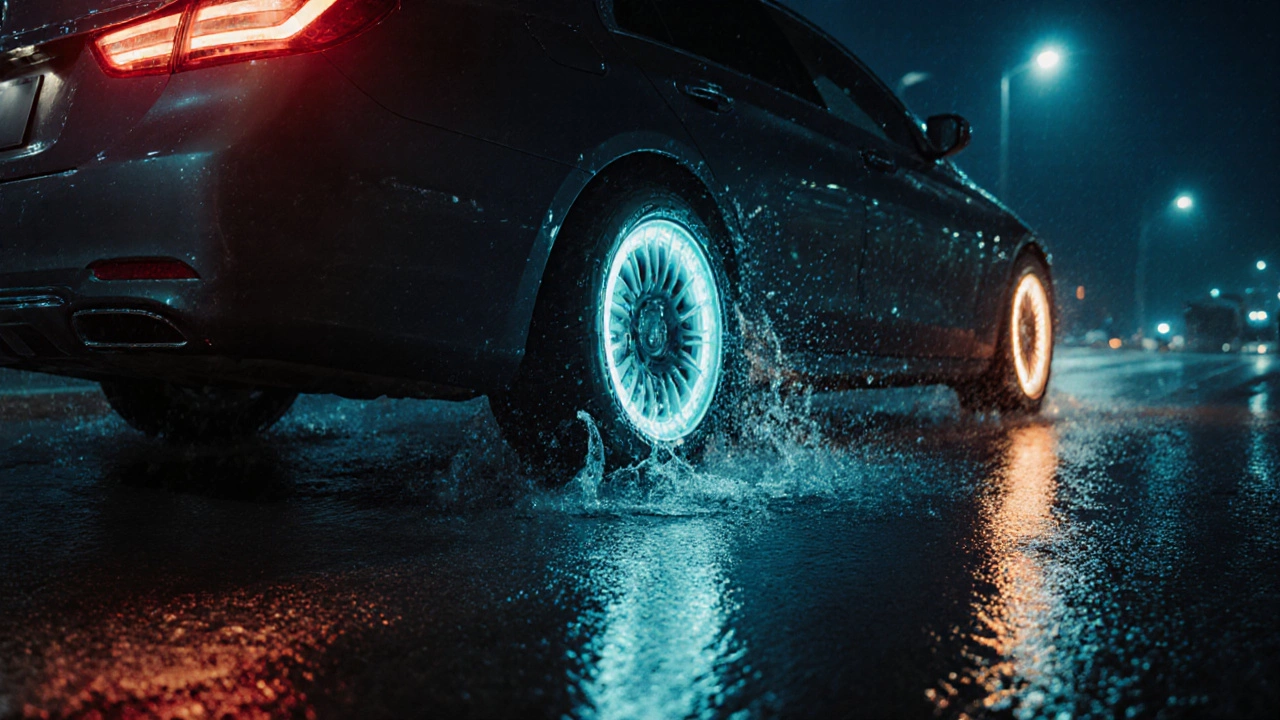
Replacing only one or two tires can be dangerous. Mechanics recommend replacing all four for safety, performance, and to protect your vehicle's drivetrain. Learn when and why you need a full set.
©2026 northwichtyrescentre.co.uk. All rights reserved


0