
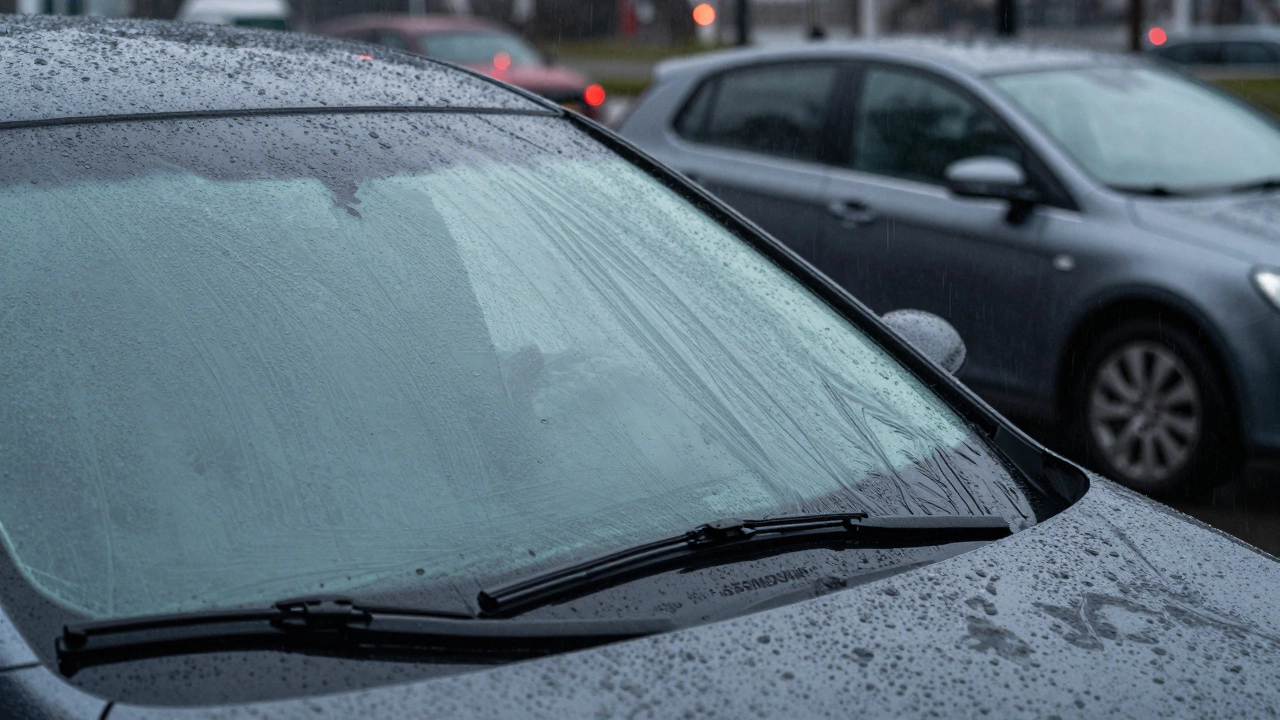
When your replacement wipers, the rubber blades that clear rain, snow, and dirt from your windshield. Also known as windshield wipers, it's not just about seeing clearly—it's about staying safe. A single streak or missed patch can hide a pedestrian, a stop sign, or a sudden brake light. And if you're using the wrong size, you're not just getting poor performance—you're risking damage to your wiper arms or even your windshield.
Wiper blades come in specific lengths, and using a 17-inch blade when your car needs a 16-inch one might seem like a small mistake. But that extra inch can cause the blade to lift, skip, or bend the arm under pressure. The same goes for mixing brands or ignoring manufacturer specs. Your car’s wiper system is engineered for exact dimensions, and deviating from them leads to uneven wiping, loud chattering, and reduced visibility in heavy rain. It’s not a one-size-fits-all part. Even the shape matters—curved blades, beam blades, and traditional frame styles each behave differently in wind and ice. And don’t forget the wiper blade fitment, how the blade connects to the arm. Some cars use hook-style arms, others use pin or side-lock systems. Getting the wrong connector means the blade won’t attach at all.
Worn blades don’t always look obviously damaged. Sometimes they’re just hardened from sun exposure or cracked from cold weather. You’ll know they’re bad when you see streaks, smears, or a squeak every time they move. And if you’re using cheap blades that last six months, you’re paying more in the long run. Good wiper blade replacement, the act of swapping out old blades for new ones isn’t just about buying the cheapest option. It’s about matching the right type to your climate, driving habits, and vehicle model. Winter blades with rubber covers for snow, aerodynamic beam blades for high speeds, or hybrid designs for all-season use—all exist for a reason.
Replacing wipers is one of the easiest car maintenance tasks, but it’s also one of the most overlooked. People check oil, change tires, even replace spark plugs—but forget that their wipers degrade twice as fast. Most manufacturers recommend swapping them every 6 to 12 months, especially if you drive often or live where it rains or snows. And if you’re replacing one, replace both. Uneven wiping means one side clears better than the other, which creates blind spots you won’t even notice until it’s too late.
What you’ll find below are real answers to the most common questions about wiper blades: why size matters, what happens when you use the wrong fit, how to tell if yours are worn out, and what alternatives actually work. No fluff. No guesses. Just what you need to know to keep your view clear and your drive safe.
 1 December 2025
Find out what a good price for windshield wipers is in 2025. Learn how much to spend, which brands deliver real value, and how to avoid dangerous, cheap replacements.



©2026 northwichtyrescentre.co.uk. All rights reserved
0