
When your clutch wear, the gradual breakdown of the clutch disc and pressure plate that connects your engine to the transmission. Also known as clutch degradation, it’s one of the most common failures in manual cars—and it rarely gives you much warning. You might not notice it at first. No warning lights, no strange noises. Just a little slip when you accelerate, or a pedal that feels higher than usual. That’s not normal. That’s your clutch saying it’s running out of life.
Clutch wear happens because the friction material on the clutch disc slowly grinds away every time you engage the pedal. It’s not just about how much you drive—it’s how you drive. Riding the clutch at traffic lights, popping the clutch to launch from a stop, or driving with your foot resting on the pedal? Those habits eat through clutch material faster than you think. A worn clutch doesn’t just make shifting hard—it can damage your manual transmission, the system that transfers engine power to the wheels in cars with stick shifts. And once that gear box starts taking damage, repair costs jump from a few hundred to over a thousand pounds. A failing clutch kit, a complete set of parts including the disc, pressure plate, and release bearing. isn’t just about replacing one part. It’s about restoring the whole connection between your engine and wheels.
Here’s what most drivers miss: clutch wear doesn’t always mean a sudden failure. It starts slow. You feel the car hesitate when you pull away from a stop. You need to rev higher to get moving. The clutch pedal feels lighter or higher off the floor. Sometimes, you smell burning—like hot brakes or old rubber. That’s the friction material overheating. If you’ve got a manual car and any of this sounds familiar, you’re not imagining it. Mechanics see this all the time. A driver comes in thinking it’s a transmission issue. Turns out, it’s just the clutch giving up. Replacing it early saves you from bigger, costlier problems down the line.
Some people wait until the clutch slips badly or won’t engage at all. By then, you’re stuck. No point in trying to drive to work. No point in trying to drive anywhere. That’s why checking for early signs matters. You don’t need a garage to spot them. Pay attention to how your car feels. Listen. Smell. Test it gently. If you’ve got a car with a stick shift, clutch wear isn’t a matter of if—it’s a matter of when. The good news? You can plan for it. You can avoid the tow truck. And you can find the right replacement before you’re forced into a rushed, expensive fix.
Below, you’ll find real-world stories from drivers who noticed the signs too late—and those who caught them early. We cover what a bad clutch actually feels like, how long they typically last, what upgrades make sense, and why some clutch kits are worth the extra cost. No fluff. Just what you need to know before your next gear change.
 12 March 2026
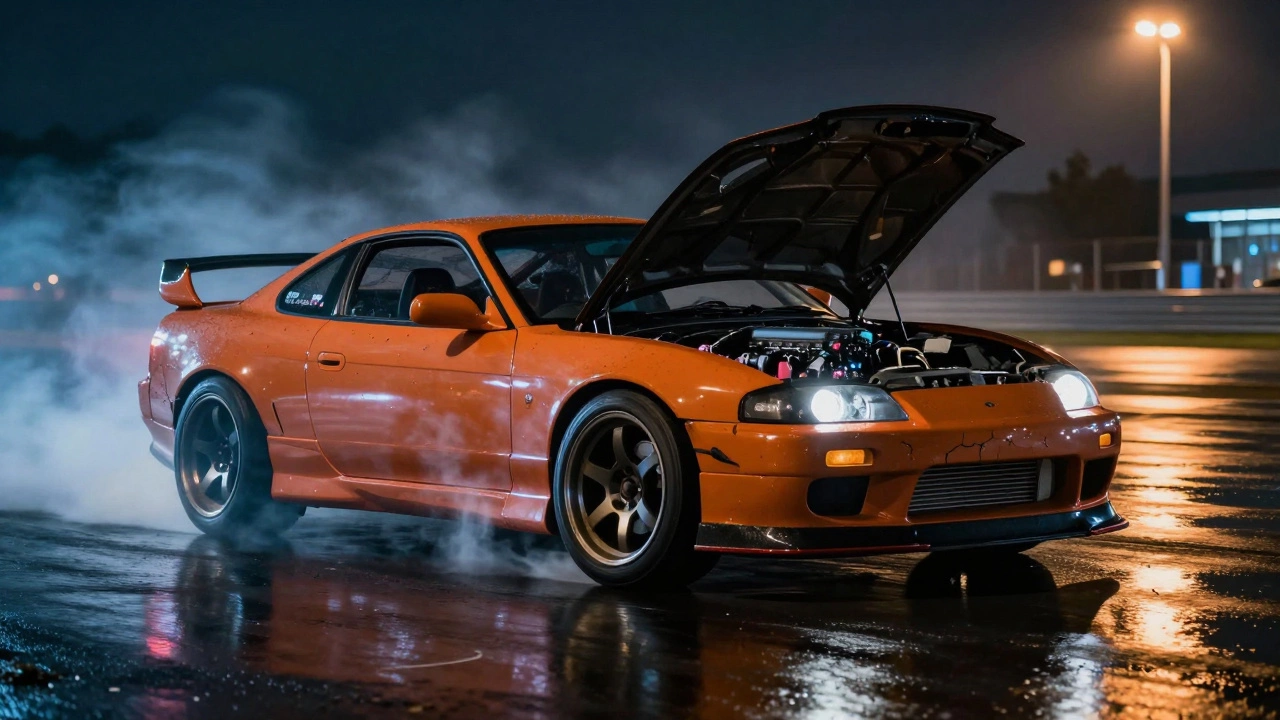
Clutch kicking may seem like a cool trick, but it’s one of the fastest ways to destroy your clutch. Learn how this aggressive driving habit wears out clutch discs, flywheels, and transmissions-and what you can do to protect your manual transmission.
 8 December 2025
Can a clutch really last 200,000 miles? It's not about the mileage-it's about how you drive. Learn what actually determines clutch life and how to make yours last longer.
 23 November 2025
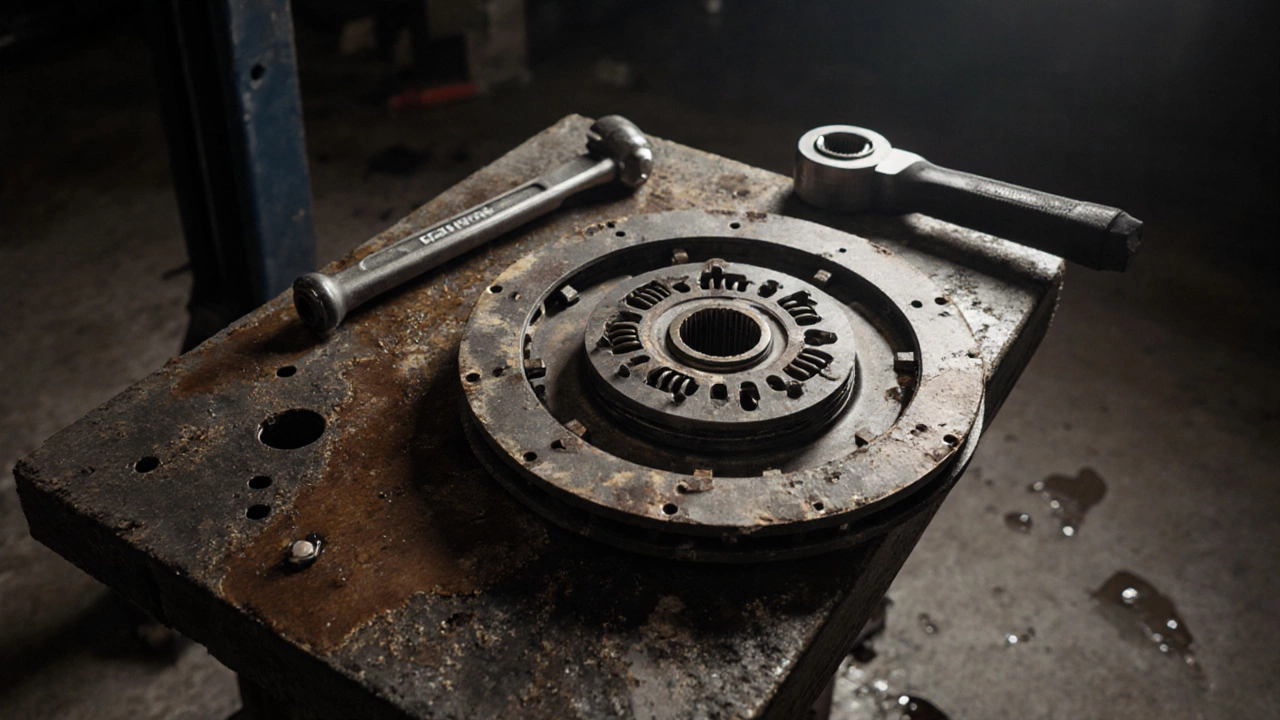
Most clutches last 50,000 to 100,000 miles, but driving habits matter more than mileage. Learn the signs of wear, what's in a clutch kit, and how to avoid costly transmission damage.


©2026 northwichtyrescentre.co.uk. All rights reserved
0