
When your car not starting, a common automotive failure where the engine refuses to turn over or ignite. Also known as crank-no-start, it’s one of the most frustrating issues drivers face—especially when you’re late, in the rain, or miles from home. The good news? It’s rarely a mystery. Most of the time, it’s one of five simple things failing—and you can often tell which one just by listening, smelling, or checking a few basic parts.
The biggest culprit? A car battery, the power source that kicks off the engine’s ignition process. If your headlights are dim or the click sound is weak when you turn the key, that’s your battery screaming for help. It’s not always dead—sometimes it’s just drained from leaving the lights on, or old and weak after three to five years. You don’t need a multimeter to test it: if the radio works but the engine won’t crank, it’s probably the battery. And if you’ve had the same battery since you bought the car, you’re already overdue.
Then there’s the fuel pump, the component that pushes gasoline from the tank to the engine. If you hear a quiet whirring noise from the back of the car when you turn the key—but the engine still won’t fire—you might be out of fuel, or the pump’s dying. No fuel means no combustion. No combustion means no start. This isn’t always obvious until you’ve ruled out the battery and spark plugs. And if your car sputters and dies after running for a bit, that’s another sign the pump can’t keep up.
Don’t forget the spark plugs, tiny devices that ignite the air-fuel mixture inside the engine cylinders. Worn, dirty, or broken spark plugs won’t spark properly—and without that spark, the engine won’t start, even if the battery and fuel pump are fine. Most cars need new plugs every 30,000 to 100,000 miles, depending on the type. If your car has been running rough or using more fuel than usual, your plugs are likely the hidden cause.
And then there’s the starter motor, the electric motor that physically spins the engine to get it running. If you hear a loud clicking but no cranking, that’s often the starter giving out. It’s not the battery—it’s the motor that uses the battery’s power to turn the engine. A bad starter won’t always fail completely. Sometimes it works when it’s cool, but stops when it heats up. That’s why your car starts in the morning but not after you’ve driven it and parked it for an hour.
These four things—battery, fuel pump, spark plugs, and starter motor—cover 90% of cases where a car won’t start. The rest? Faulty sensors, broken fuses, or security system glitches. But if you’re trying to figure out why your car won’t turn over, start with the basics. Check the battery terminals for corrosion. Smell for gasoline. Listen for clicks. Look under the hood. You don’t need to be a mechanic to spot these signs.
What you’ll find below are real stories from drivers who faced exactly this problem. Not guesses. Not theory. Real fixes that worked—like the guy who replaced his spark plugs and saved £300 on a tow truck, or the woman who discovered her fuel pump had failed after just 80,000 miles. These aren’t generic guides. These are the exact scenarios people in Northwich and across the UK have lived through. And the solutions? They’re simple, affordable, and often done in under an hour.
 1 December 2025
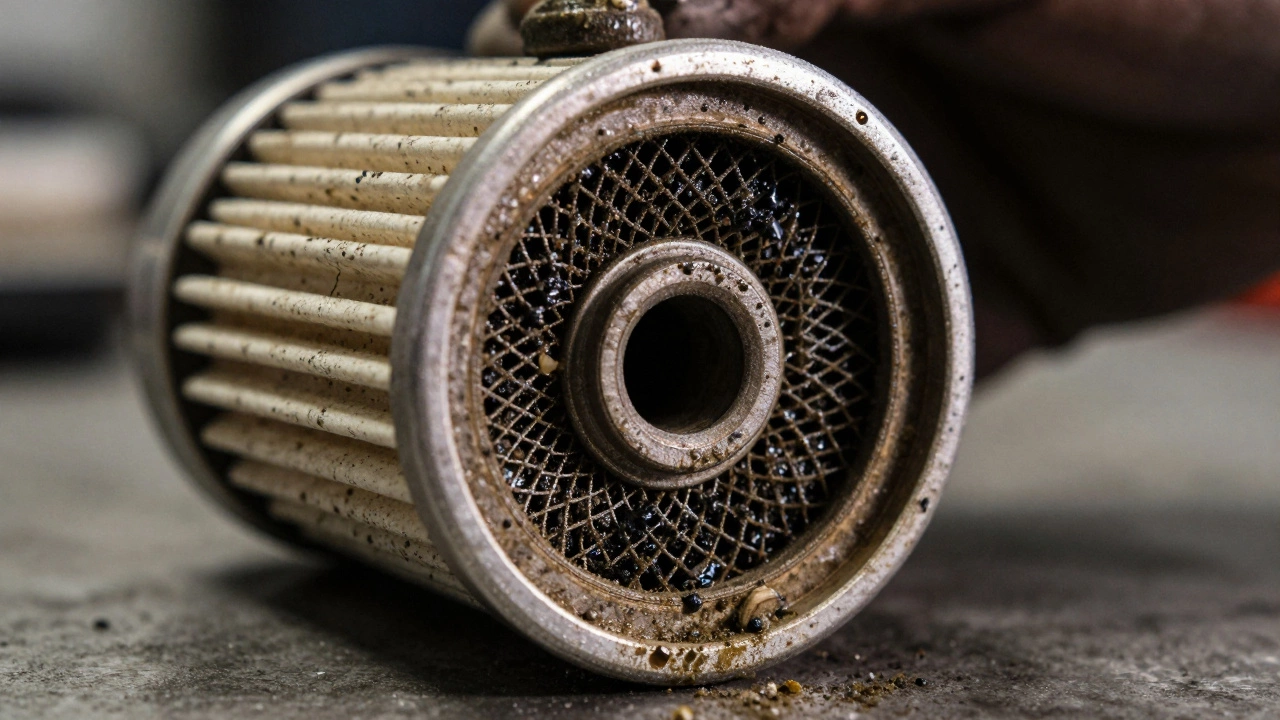
A clogged fuel filter can cause sputtering, hard starts, and power loss. Learn the key symptoms and how to spot them before they damage your fuel pump or injectors.
 28 October 2025
A failing fuel pump can still keep your car running-but it’s on borrowed time. Learn the subtle signs of a dying pump before it strands you or damages your engine.
©2026 northwichtyrescentre.co.uk. All rights reserved


0