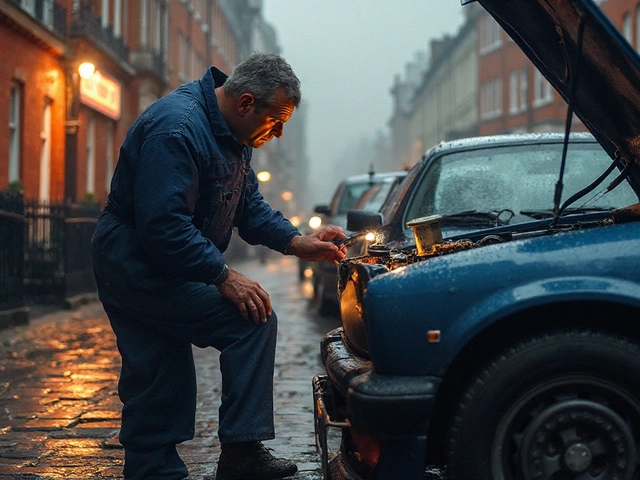
Ever pulled into a gas station, filled up, and then your car sputtered like it was running on fumes-even though the tank was full? Or maybe your engine stumbles when you hit the highway, but smooths out at idle. You check the dashboard, no warning lights. You think, It’s probably just dirty gas. But what if it’s not? What if your fuel pump is dying… and still working?
Yes. A fuel pump can be bad and still work. Not well. Not reliably. But enough to keep your car moving-until it doesn’t.
How a Fuel Pump Actually Works
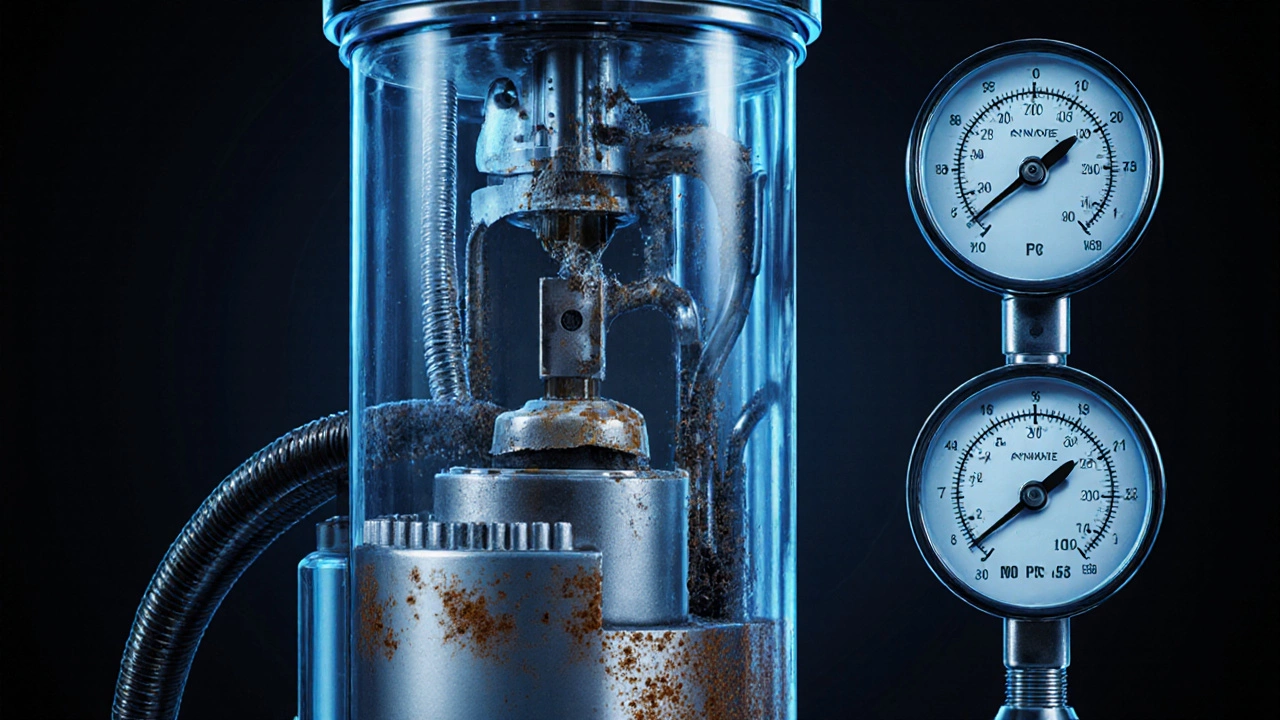
Your fuel pump sits inside the gas tank, usually submerged in fuel. Its job? Push gasoline from the tank to the engine at the right pressure. Modern cars need between 40 and 60 psi of fuel pressure to run properly. The pump doesn’t just deliver fuel-it delivers it consistently. No surges. No drops. No hesitation.
Inside the pump, there’s a small electric motor, a rotor, and a filter screen. Over time, dirt, rust, or old fuel residue builds up. The motor wears down. The brushes that conduct electricity thin out. The impeller gets clogged or warped. These aren’t sudden failures. They’re slow declines.
What "Still Working" Really Means
"Still working" doesn’t mean good. It means barely enough. Think of it like a flashlight with a dying battery. It still lights up-but only when you hold it just right. Or when you’re not moving too fast. Or when it’s not cold.
A failing fuel pump might:
- Supply enough pressure to idle the engine, but not enough to accelerate
- Deliver fuel fine at 30 mph, but drop off at 60
- Start the car after sitting overnight, but stall when you turn left on a hill
These aren’t random glitches. They’re symptoms of a pump struggling to keep up. The engine control unit (ECU) tries to compensate by adjusting the air-fuel mixture. But it can’t fix a physical limitation. You’re driving on borrowed time.
Signs Your Fuel Pump Is Failing (Even If the Car Starts)
Here’s what to watch for-real-world signs that your fuel pump is on its last legs:
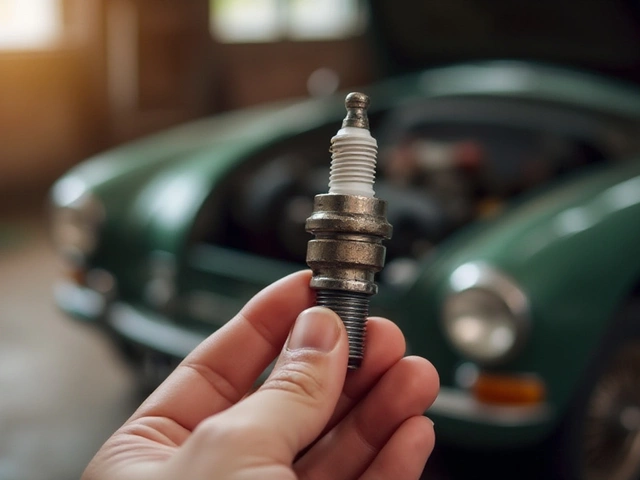
- Engine sputtering at high speeds-especially on the highway. It’s not the air filter. It’s not the spark plugs. It’s the pump can’t keep up with demand.
- Loss of power under load-climbing hills, towing, or merging onto a motorway. The pump can’t push enough fuel when the engine needs it most.
- Intermittent stalling-car dies while driving, then starts again after sitting for 10 minutes. Heat builds up in the pump, it shuts down temporarily, cools off, and works again… until the next time.
- Whining noise from the rear of the car-a loud, high-pitched whine coming from the fuel tank area. Normal pumps hum quietly. A failing one screams.
- Hard starts after the car’s been sitting-you turn the key, and the engine cranks for 5 seconds before firing. The pump isn’t building pressure fast enough.
One driver in Bristol told me his 2018 Ford Focus would stall every time he took the A370 uphill. He replaced the spark plugs, cleaned the throttle body, even swapped the fuel filter. Nothing helped. A fuel pressure test showed 32 psi at idle-normal. But when he accelerated, it dropped to 21 psi. The pump was working… barely. He replaced it. Problem solved.
Why It’s Dangerous to Ignore a Failing Pump
Driving with a weak fuel pump isn’t just annoying-it’s risky.
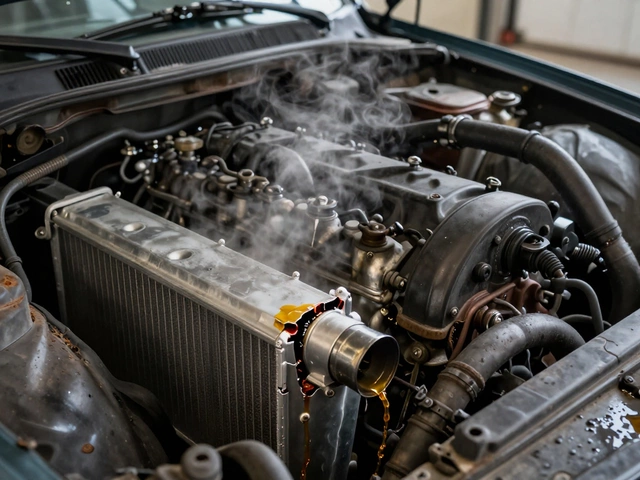
When the pump can’t deliver enough fuel, the engine runs lean. That means too much air, not enough gas. Lean conditions cause:
- Overheating-combustion temperatures spike
- Engine knocking or pinging-damaging pistons and valves
- Catalytic converter failure-unburned fuel overheats the converter, melting the internal honeycomb
Replacing a catalytic converter costs £1,000 or more. A fuel pump? £200-£400, depending on the car. The math is simple: fix the pump before you break something more expensive.
How to Test a Fuel Pump (Without a Mechanic)
You don’t need a diagnostic scanner to check your pump. Here’s how to do it yourself:
- Listen for the pump-turn the key to "ON" (don’t start the engine). You should hear a 2-3 second hum from the back seat. No sound? Check the fuse. Still no sound? The pump or relay may be dead.
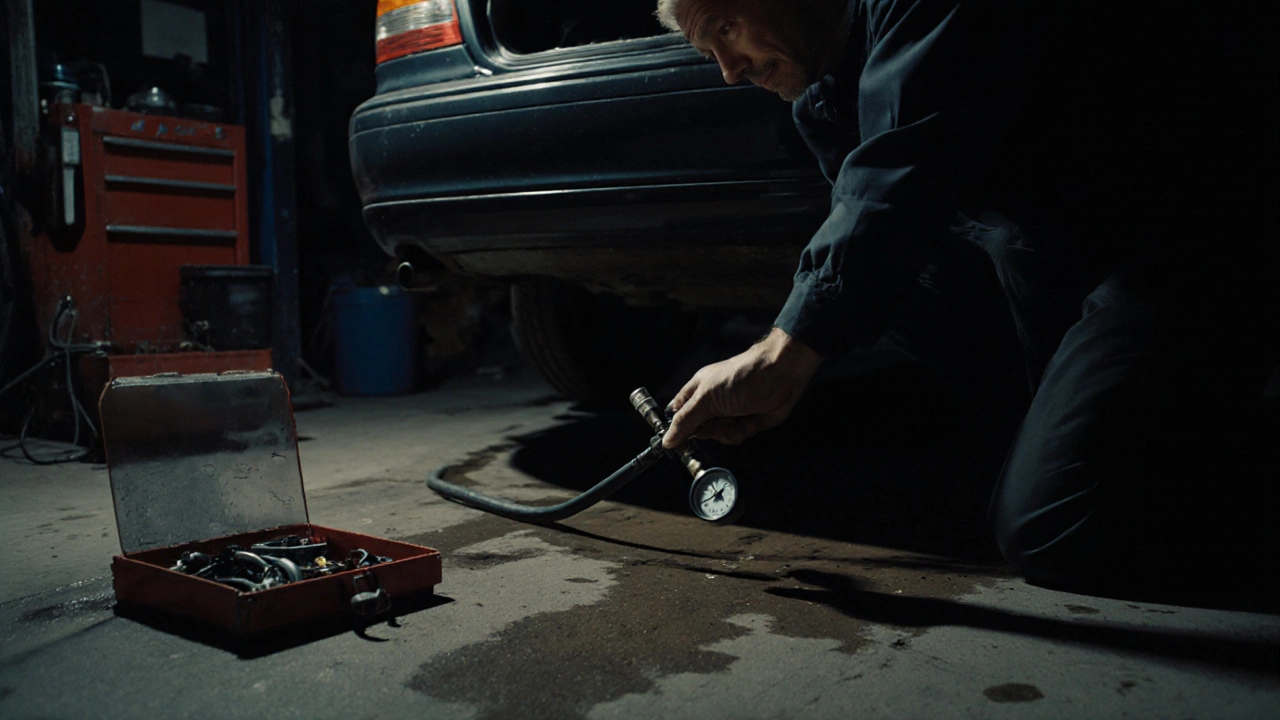
- Use a fuel pressure gauge-borrow or rent one from an auto parts store. Attach it to the fuel rail test port (usually under the hood). Compare readings to your car’s specs (check the repair manual or online). Pressure should stay steady under acceleration.
- Check for fuel delivery-disconnect the fuel line at the engine (with safety precautions). Turn the key to "ON". You should get a steady stream of fuel. A dribble? The pump is failing.
If you’re not comfortable doing this, take it to a shop. A good mechanic will hook up a scan tool and check live fuel pressure data. That’s the most accurate way.
What Causes Fuel Pumps to Fail Early?
Fuel pumps aren’t designed to last forever-but they should last 100,000-150,000 miles. If yours dies at 60,000, something’s wrong.
- Running on empty-fuel cools the pump. Running low or empty overheats it. Even once can shorten its life.
- Dirty fuel-bad gas, contaminated tanks, or using cheap fuel with extra additives clogs the pump’s filter.
- Old fuel-gasoline breaks down over time. Ethanol attracts water, which corrodes internal parts.
- Aftermarket parts-cheap replacement pumps from unknown brands often fail faster.
One mechanic in Bristol told me he sees three or four fuel pump failures a week from people who refill at the cheapest station. "They save £10 on gas, then pay £350 to replace the pump," he said. "It’s not a bargain. It’s a trap."
Should You Replace It Before It Fails?
If your car has over 100,000 miles and you’re seeing any of the symptoms above, don’t wait. Replace the pump proactively.
Why? Because:
- Fuel pumps fail without warning
- They’re buried inside the gas tank-replacement takes 3-5 hours
- Stranding you on the side of the road isn’t worth the risk
And here’s a tip: when you replace the pump, replace the fuel filter too. Most modern cars have a filter built into the pump assembly. If you’re already pulling the tank, do it right.
What Happens When It Finally Dies?
When a fuel pump gives out completely, your car won’t start. No crank. No sputter. Just silence. The engine turns over, but won’t fire. That’s because no fuel is reaching the injectors.
Some people panic and think it’s the battery, the starter, or the ignition. But if you’ve had the symptoms listed above, and now it won’t start at all? The pump is gone.
And here’s the kicker: if you’ve been driving with a weak pump for months, you might have already damaged other parts. A lean-running engine can scar valves. A clogged injector might need replacing. You’re not just fixing a pump-you’re cleaning up the mess it made.
Don’t wait for the engine to die. If your car is acting strange, especially under load or at speed, get the fuel system checked. A bad pump doesn’t always scream. Sometimes it just whispers… until it’s too late.