
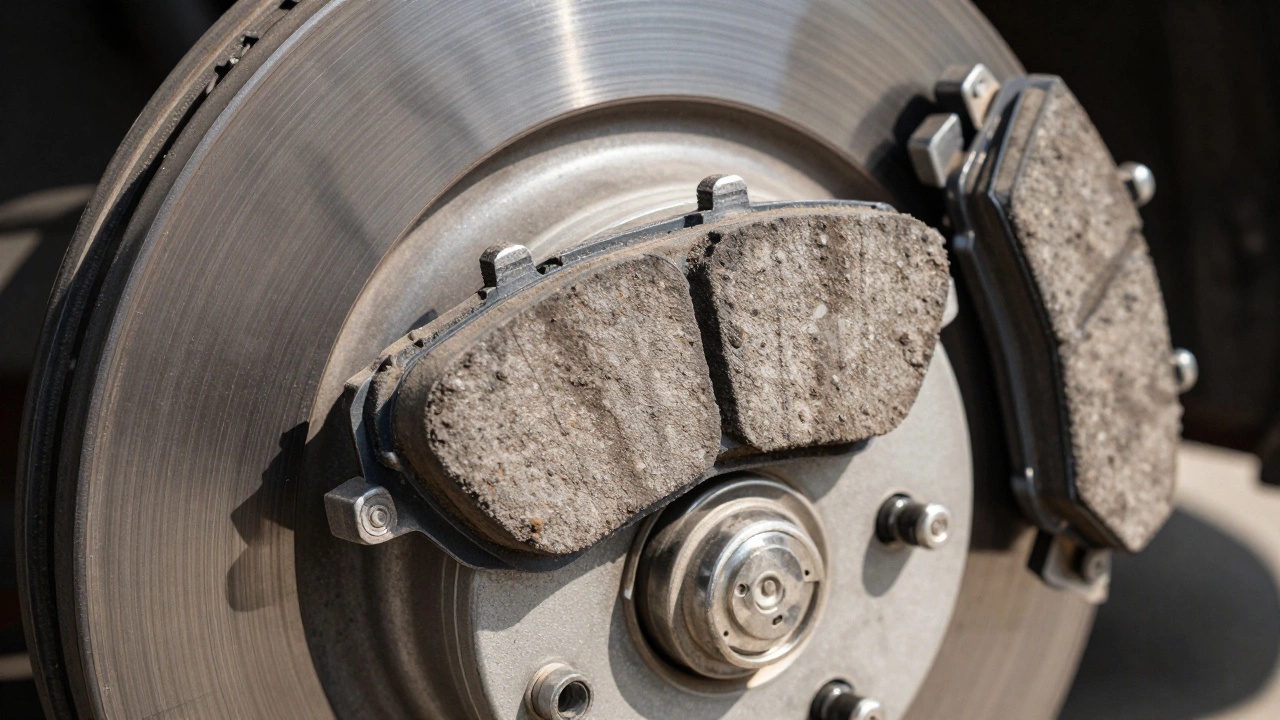
When your brake pad wear, the thin layer of friction material that presses against your rotors to stop your car gets too thin, your safety drops fast. It’s not just about noise—it’s about stopping power, control, and avoiding a total brake failure. Brake pads aren’t meant to last forever. Most wear out between 25,000 and 70,000 miles, but driving habits, climate, and load matter more than mileage. If you’re hearing squealing, feeling vibration, or noticing your car pulls to one side when you brake, you’re not imagining it. These are clear signals your brake pads are worn down to the metal.
Brake pad wear doesn’t happen overnight. It’s a slow process that sneaks up on you. You might think, "It’s just a little noise," but that squeal is the wear indicator rubbing against the rotor—designed to scream so you don’t wait until the pads vanish completely. Once that happens, metal grinds on metal, and suddenly you’re not just replacing pads—you’re replacing rotors, calipers, even brake lines. A brake noise, any unusual sound when braking, from high-pitched squeaks to low grinding is your car’s last warning before expensive damage. And if your pedal feels spongy or goes closer to the floor than usual, that’s a sign the pads have lost their thickness and the hydraulic system is working harder just to make contact.
It’s not just about the front pads, either. Many drivers don’t realize rear pads wear slower but still need checking. And replacing just one side? That’s a bad idea. Uneven brake pad wear throws off braking balance, which can cause your car to pull dangerously during stops. Mechanics always replace pads in pairs for a reason: safety and even pressure. Your brake pad thickness, the remaining material on the pad, measured in millimeters should be checked every 10,000 miles. If it’s under 3mm, it’s time to act. If it’s below 2mm, you’re already risking damage to the rotors.
What you’re seeing in these posts isn’t random advice—it’s real-world experience from people who’ve been there. You’ll find guides on how to spot the early signs, what those strange sounds actually mean, why you should never ignore a grinding noise, and how to check your own pads without lifting a single tool. There’s no magic trick to stopping brake pad wear, but there’s a clear path to avoiding disaster. The sooner you act, the less you pay—and the safer you drive. Below, you’ll find honest, no-fluff advice from people who’ve fixed their own brakes, saved money, and stayed out of the hospital. Don’t wait for the worst-case scenario. Check your pads. Listen to your car. Act before it’s too late.
 8 January 2026
Front brake pads do most of the stopping work, but rear pads are vital for stability and balance. Replacing only the fronts can be dangerous. Learn why both sets matter and how to maintain them safely.
 7 December 2025
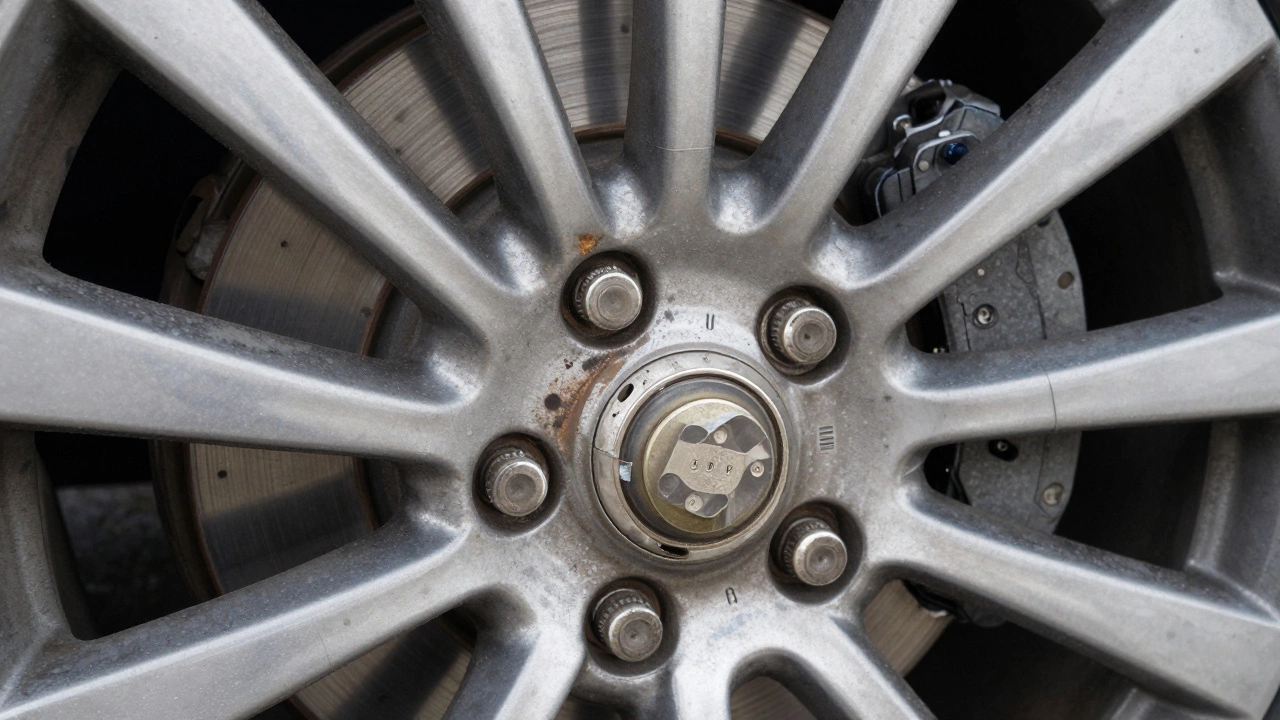
Brake pads typically last 25,000 to 70,000 miles, but driving habits, vehicle type, and climate affect lifespan. Learn the signs of wear and how to extend pad life for safety and savings.
©2026 northwichtyrescentre.co.uk. All rights reserved
0