
When your brake pad thickness, the remaining material on your brake pads that makes contact with the rotor to stop your car drops below 3mm, you’re driving on borrowed time. It’s not just about squeaky noises or warning lights—it’s about whether your car will stop when you need it to. Most manufacturers say brake pads should be replaced when they hit 2-3mm, but many drivers wait until they hear metal grinding. That’s not a warning—it’s a cry for help.
Brake pad thickness doesn’t exist in a vacuum. It’s tied directly to brake pad wear, the gradual loss of friction material due to normal use and driving habits. Aggressive braking, heavy loads, and city driving eat through pads faster. A set of pads might last 50,000 miles on the highway but only 25,000 in stop-and-go traffic. And if you’re replacing just one pad, you’re already making a mistake—brake safety, the balance and even pressure needed across all wheels to prevent pulling or locking up demands both sides be replaced together. Uneven thickness causes uneven braking, which can warp rotors or pull your car to one side.
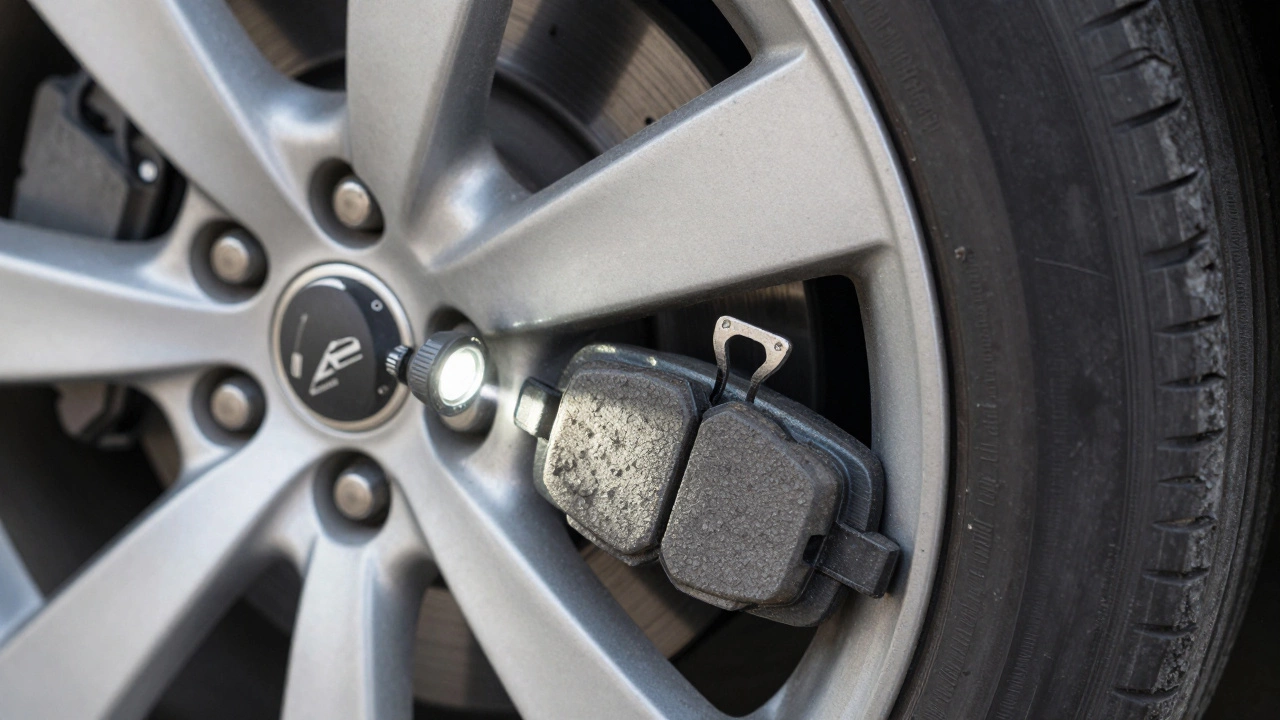
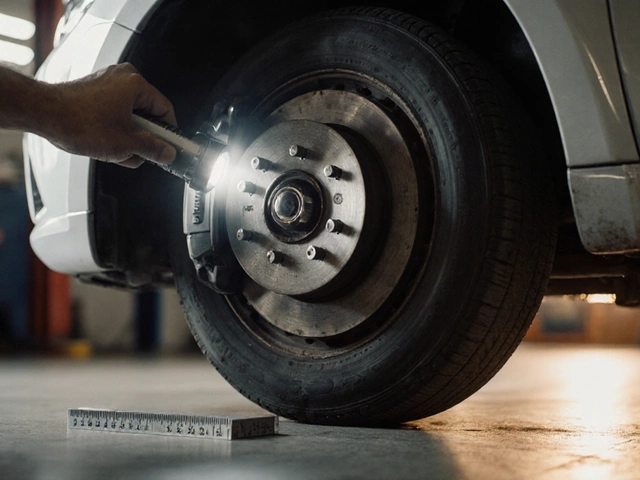
There’s no magic number that fits every car, but here’s what works in the real world: check your pads every 10,000 miles. Look through the wheel spokes—if you see less than a quarter-inch of material, it’s time to get them measured. Some pads have wear indicators—tiny metal tabs that squeal when they rub the rotor. That’s your cue. Ignoring it doesn’t save money—it just moves the cost from a simple pad swap to a full brake job with new rotors. And rotors? They’re expensive. Pads? Not so much.
Brake pad replacement isn’t something you should guess at. It’s not like changing oil or topping up washer fluid. It’s a critical safety system. You don’t need to be a mechanic to spot the signs—listen for the squeal, feel for the vibration, watch for longer stopping distances. If your car takes longer to stop than it used to, or if you feel a pulsing in the pedal, those aren’t normal. They’re symptoms of worn pads or damaged rotors.
What you’ll find below are real stories from drivers who ignored the signs, mechanics who’ve seen the damage, and clear facts on what thickness is safe, what’s risky, and why replacing pads in pairs isn’t optional—it’s non-negotiable. You’ll learn how to check your own pads, what tools pros use to measure them, and why cheap pads can cost you more in the long run. This isn’t theory. It’s what happens when you wait too long.
 1 December 2025
Learn the 5 clear signs your brake pads are worn, including squealing noises, grinding sounds, pedal feel, visible wear, and pulling when braking. Know when to replace them before it’s too late.

©2026 northwichtyrescentre.co.uk. All rights reserved
0