
When it comes to your car’s safety, brake pad mileage, the distance your brake pads last before needing replacement. Also known as brake pad lifespan, it’s not just a number—it’s the difference between stopping on time and hitting something you didn’t mean to. Most brake pads last between 25,000 and 70,000 miles, but that’s not a rule. It’s a range shaped by how you drive, where you live, and what kind of pads your car came with. City driving with constant stops? Your pads wear faster. Highway cruising? They’ll last longer. Heavy loads or aggressive braking? That’s a quick path to thin pads and expensive repairs.
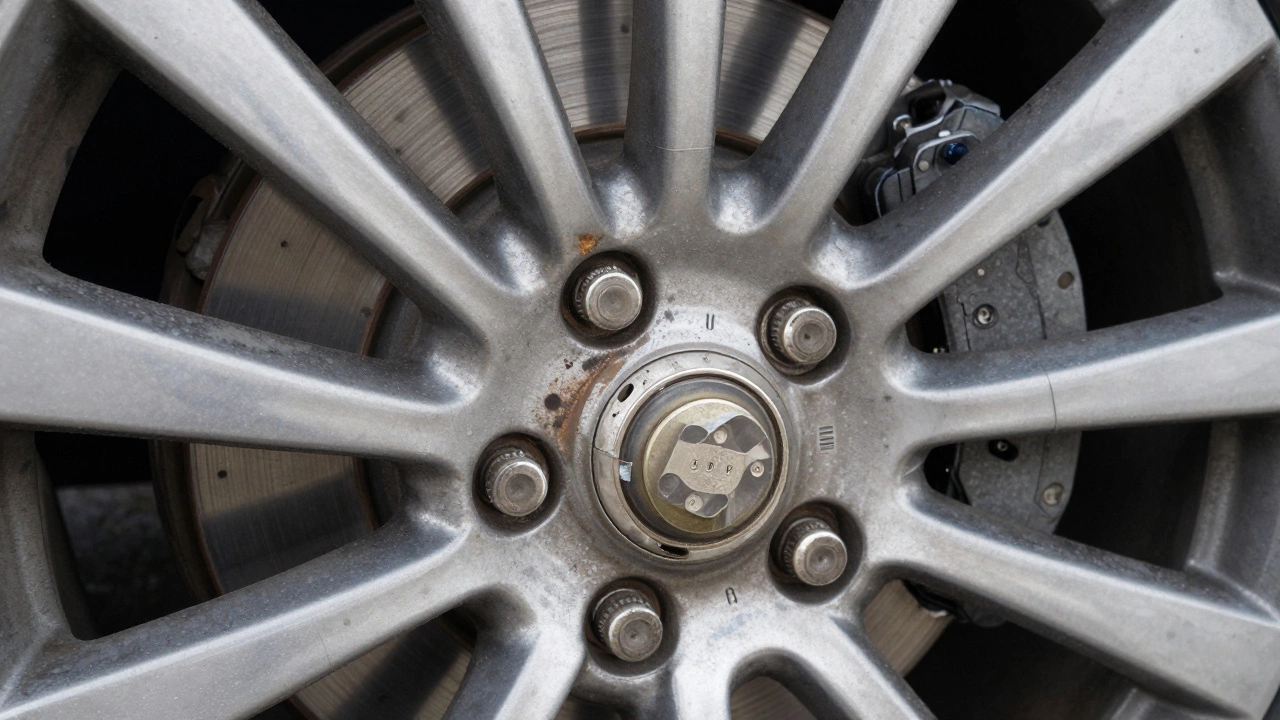
Brake pads don’t just wear out quietly. They give you clear signals before they fail. A high-pitched squeal when you press the pedal? That’s the wear indicator rubbing against the rotor—your car’s way of saying, "I’m getting thin." A grinding sound? That’s metal on metal. You’re not just replacing pads anymore—you’re replacing rotors too. And if your brake pedal feels spongy or needs to be pressed harder than usual, you’re losing stopping power. These aren’t guesses. These are facts backed by mechanics who see the damage every day. Brake pads are part of a system. The rotors, calipers, and fluid all work together. When one part fails, it puts stress on the others. Replacing pads early isn’t about spending money—it’s about avoiding bigger bills later.
It’s not just about mileage. Driving habits matter more. Slamming the brakes every time you see a red light? You’re wearing them out faster than someone who slows down early. Towing a trailer or hauling gear? More weight means more heat, more friction, more wear. Even the type of pad makes a difference. Organic pads are quieter but wear out quicker. Ceramic pads last longer and handle heat better, but cost more upfront. Semi-metallic? They’re tough and common in trucks, but can be noisy and harsh on rotors. You don’t need to be a mechanic to understand this. You just need to know your car’s signs.
And here’s the thing: replacing just one pad? Don’t. Mechanics always replace them in pairs—front or rear—because uneven braking causes pulling, uneven wear, and loss of control. It’s not a trick to make you spend more. It’s safety. Your brakes are your most important safety feature. Ignoring the signs doesn’t save money. It just delays the inevitable—and puts you and others at risk.
Below, you’ll find real-world advice from people who’ve been there: the squeals they ignored, the miles they drove past warning signs, and what finally made them act. You’ll learn how to check your own pads, what to look for during a quick visual inspection, and how to tell if it’s time to head to the shop. No fluff. No guesswork. Just what works.
 7 December 2025
Brake pads typically last 25,000 to 70,000 miles, but driving habits, vehicle type, and climate affect lifespan. Learn the signs of wear and how to extend pad life for safety and savings.


©2026 northwichtyrescentre.co.uk. All rights reserved
0