AC Air Filter Health Diagnostic Tool
Filter Inspection Checklist
Select the issues you are currently experiencing or observing with your AC system.
It’s June in Bristol, and the humidity is starting to creep into your home. You flip on the air conditioner, expecting a blast of cool, crisp air. Instead, you hear a weak wheeze from the vents, and the temperature barely drops. Before you call an expensive technician or assume your compressor has failed, check the one component most homeowners ignore until it’s too late: the AC air filter.
A bad air filter doesn’t just make your system work harder; it can shut down your entire unit, spike your electricity bill, and ruin the air quality inside your house. The good news? You don’t need a degree in HVAC engineering to spot a failing filter. In this guide, we’ll walk through exactly how to tell if your filter is bad, why it matters, and when it’s time to swap it out.
The Visual Inspection: What Does a Bad Filter Look Like?
The first and easiest test is visual. Pull the filter out of its slot-usually located in the return air duct near your furnace or air handler. Hold it up to a light source, like a window or a bright lamp. If you can’t see much light passing through the mesh, your filter is clogged.
Here’s what to look for specifically:
- Dust Buildup: A healthy filter might have a thin layer of gray dust. A bad filter looks like a fuzzy gray blanket. If you run your finger over it and leave a clean streak, that’s a warning sign.
- Debris Clumps: Look for pet hair, lint balls, or even small insects trapped in the fibers. These block airflow more effectively than fine dust because they create physical barriers.
- Discoloration: If the filter turns brown or black, it’s not just dirt-it could be mold, mildew, or soot from outside pollution. This is a health hazard and needs immediate replacement.
- Physical Damage: Check the frame. If the cardboard border is crushed or the pleats are torn, air will bypass the filter entirely, rendering it useless.
If your filter fails any of these visual checks, it’s bad. Don’t try to vacuum it and reuse it (unless it’s a specific reusable electrostatic model). Disposable fiberglass or pleated filters lose their structural integrity once clogged.
Performance Symptoms: When Your AC Acts Up
Sometimes, you won’t notice the filter until your system starts complaining. A restricted filter forces your blower motor to push against higher static pressure. Think of it like trying to breathe through a straw with your thumb over the end. Here are the operational signs that your filter is causing problems:
1. Reduced Airflow
This is the most common symptom. If the air coming out of your registers feels weak or lukewarm, despite the thermostat being set correctly, your filter is likely choking the system. Place your hand over a vent. If you feel little to no breeze, check the filter first.
2. Longer Cooling Cycles
Your AC should cycle on and off regularly. If it runs continuously without reaching the desired temperature, the evaporator coil isn’t getting enough warm air to absorb heat from. A dirty filter restricts airflow over the coil, reducing efficiency by up to 15%.
3. Unusual Noises
A strained blower motor often makes whistling, squealing, or rumbling sounds. This happens because the motor is working overtime to pull air through the clogged media. Ignoring this noise can lead to premature motor failure, which costs hundreds to fix.
4. Ice on the Refrigerant Lines
If you see ice forming on the copper pipes near your outdoor condenser or indoor unit, turn the system off immediately. Poor airflow causes the evaporator coil to drop below freezing, turning moisture into ice. This is a direct result of a severely restricted filter.
The Health Impact: Why Dirty Filters Make You Sick
Beyond mechanical issues, a bad AC filter affects your well-being. The primary job of the filter is to trap particulates before they circulate through your ductwork. When the filter gets saturated, two things happen:
- Particulates Bypass: Dust, pollen, and pet dander slip past the clogged spots and get blown back into your living room. If you suffer from allergies or asthma, you’ll notice increased sneezing, coughing, or eye irritation.
- Mold Growth: Moisture from the cooling process combines with organic matter (dust) trapped in the filter. This creates a perfect breeding ground for mold spores. Every time the AC kicks on, it disperses these spores throughout your home.
If you’ve recently started feeling stuffy indoors or noticed a musty odor when the AC runs, your filter is likely contaminated. Replace it and consider cleaning your ducts if the smell persists.
Understanding MERV Ratings and Filter Types
Not all filters are created equal. Knowing the type of filter you have helps you determine how often it goes bad. The MERV rating (Minimum Efficiency Reporting Value) indicates how well a filter captures particles.
| Filter Type | MERV Rating | Lifespan | Best For |
|---|---|---|---|
| Fiberglass | 1-4 | 1 month | Basic protection, low-cost systems |
| Pleated Poly | 5-8 | 3 months | Average homes, general dust control |
| High-Efficiency Pleated | 9-13 | 6 months | Allergy sufferers, pet owners |
| HEPA/Electrostatic | 14-16+ | 6-12 months | Clean rooms, severe allergies (check compatibility) |
Key Insight: Higher MERV ratings mean better filtration but also more resistance to airflow. If you upgrade from a MERV 4 to a MERV 13 without consulting your HVAC manual, you might inadvertently choke your system. Stick to the manufacturer’s recommended range, usually MERV 8-11 for residential units.
When to Replace: The 30-60-90 Rule
Even if your filter looks okay, time takes its toll. Here’s a simple rule of thumb based on household conditions:
- Every 30 Days: If you have pets, live in a dusty area, or run the AC constantly during summer.
- Every 60 Days: For average households with no pets and moderate usage.
- Every 90 Days: For empty homes or those with high-efficiency sealed systems.
Set a reminder on your phone for the first day of each season. In Bristol, where dampness is common, monthly checks during spring and autumn are wise to prevent mold buildup.
DIY Replacement Steps
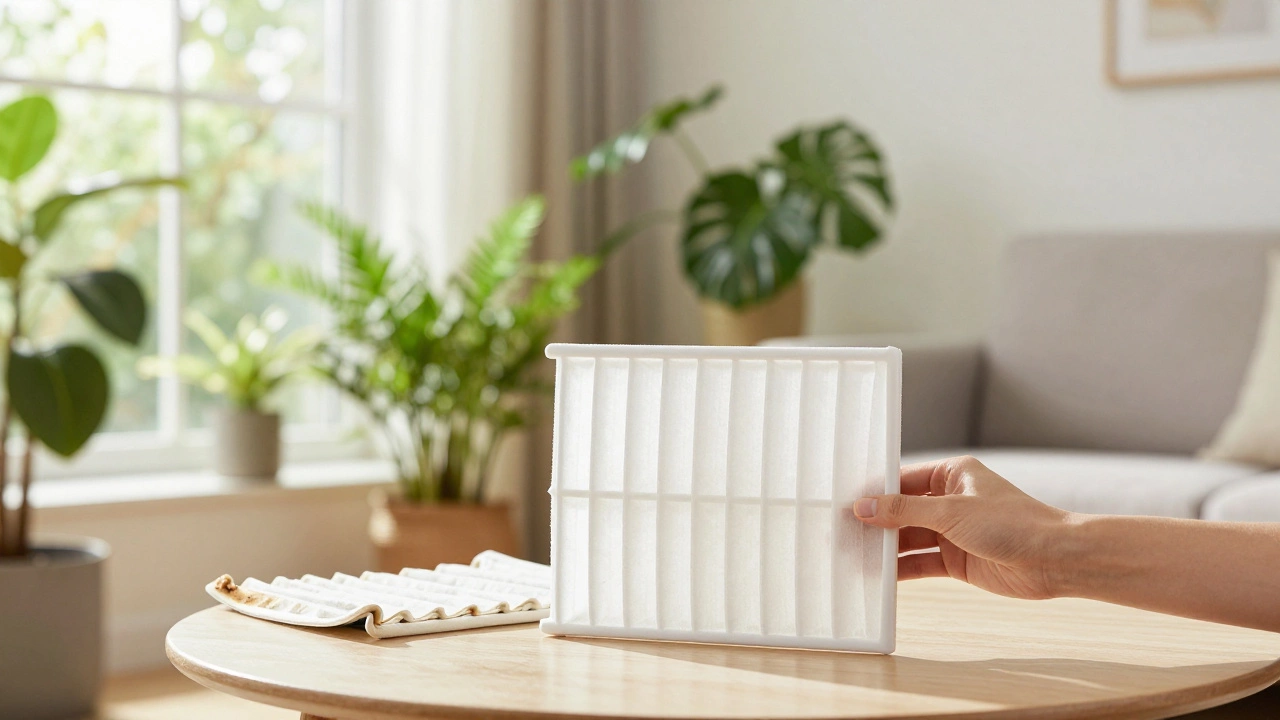
Replacing an AC filter is one of the easiest home maintenance tasks. Follow these steps to ensure a proper fit:
- Turn Off the System: Switch your thermostat to “Off” to prevent debris from blowing into the ducts while the panel is open.
- Locate the Filter Slot: It’s typically in the return air grille on the wall or ceiling, or in a dedicated slot on the air handler unit.
- Note the Size: Check the edges of the old filter for dimensions (e.g., 16x25x1 inches). Write this down before removing it.
- Check Airflow Direction: Look for arrows on the frame indicating the direction of airflow. They should point toward the blower motor.
- Insert the New Filter: Slide it in gently. Ensure it sits flush against the frame to prevent bypass leakage.
- Reset the Filter Light: Many modern thermostats have a filter life indicator. Reset it after installation.
Common Mistakes to Avoid
Even seasoned DIYers make errors when handling filters. Avoid these pitfalls:
- Ignoring the Seal: If the new filter is slightly smaller than the slot, air will leak around the edges. Use foam tape to seal gaps if necessary.
- Over-Tightening Grilles: Screwing down wall grilles too hard can warp the frame, creating leaks.
- Using the Wrong Thickness: Standard filters are 1 inch thick. Some systems require 4-5 inch media filters for better capacity. Using a 1-inch filter in a 4-inch slot leaves massive gaps.
Conclusion: Small Change, Big Impact
A bad AC air filter is a silent killer of comfort and efficiency. By performing a quick visual inspection every month and listening for changes in airflow or noise, you can save money on energy bills and extend the life of your HVAC system. Don’t wait for a breakdown. Grab a new filter today, and breathe easier tomorrow.
Can I wash my AC air filter?
Only if it is explicitly labeled as "washable" or "reusable." Most standard fiberglass and pleated filters are disposable. Washing them destroys the electrostatic charge and fiber structure, making them less effective. If you do wash a reusable filter, let it dry completely for at least 24 hours before reinstalling to prevent mold growth.
What happens if I run my AC without a filter?
Running without a filter allows dust, lint, and debris to enter the internal components of your HVAC system. This coats the evaporator coil, reducing heat exchange efficiency. Over time, it can clog the blower wheel and damage the motor, leading to costly repairs. It also spreads allergens throughout your home.
How do I know if my filter is installed backwards?
Check the arrows printed on the cardboard frame. They indicate the direction of airflow and should point towards the blower fan (into the ductwork). If the arrows point away from the fan, the filter is reversed. Reversing it reduces filtration efficiency and can cause the media to collapse under pressure.
Does a dirty filter increase my electricity bill?
Yes. A clogged filter restricts airflow, forcing the blower motor to work harder and run longer to achieve the desired temperature. This increased workload consumes more electricity. Studies show that a severely dirty filter can increase energy consumption by 5-15%.
Should I use a higher MERV rating filter?
Higher MERV ratings (13+) capture smaller particles but create more resistance. Only upgrade if your HVAC system is designed to handle the static pressure drop. Consult your owner’s manual. For most homes, MERV 8-11 offers the best balance of filtration and airflow. Using a MERV 16+ filter in a standard system can cause overheating and freeze-ups.