Exhaust Installation Time & Cost Estimator
Estimated Time
-- hrs
Labor Cost
£ --
Standing in your driveway with a new full exhaust system is a complete set of pipes, mufflers, and catalytic converters that replaces the entire waste gas pathway from the engine to the tailpipe, you might be wondering how much time this job will actually eat up. The short answer? It varies wildly. A straightforward swap on a modern hatchback might take two hours, while a rusted-out classic could keep you under the car for six or more. Knowing what drives those numbers helps you plan your weekend-or decide if you should just book a garage slot.
Quick Summary / Key Takeaways
- Professional shops: Expect 2-4 hours for standard cars; 5+ hours for complex or rusty vehicles.
- DIY projects: Budget 4-8 hours for your first attempt; 2-3 hours if you’re experienced and have the right tools.
- Biggest time sinks: Rusted bolts, tight engine bays, and needing to lift the car higher than a basic jack allows.
- Cost vs. Time: Labor rates (typically £60-£100/hour) often exceed the cost of the parts, making DIY attractive for simple jobs.
Why Installation Times Vary So Much
There’s no single “standard” time because every car is different. The main factors are the vehicle’s design, its current condition, and your setup. Think of it like cooking: swapping a fresh steak takes minutes, but cleaning out a greasy pan before you start adds an hour. In automotive terms, the “greasy pan” is corrosion. If the old exhaust bolts are seized, you’ll spend 30 minutes just getting them loose. If they snap off, you’re drilling and tapping holes, adding another hour.
The complexity of the routing matters too. A simple straight-through system on a front-wheel-drive sedan is easier to access than a multi-piece cat-back setup on a rear-wheel-drive sports car where the exhaust runs along the side of the chassis. You also need to consider whether you’re doing a partial or full replacement. A full system includes the downpipes, mid-pipes, resonators, and mufflers. That’s more hardware to fit, align, and bolt up compared to just swapping the muffler.
Breakdown by Vehicle Type
Let’s get specific. Here’s what typical timelines look like based on common vehicle categories found in UK garages and home workshops.
| Vehicle Type | Pro Shop (Hours) | Experienced DIY (Hours) | First-Time DIY (Hours) | Key Challenge |
|---|---|---|---|---|
| Hatchback (e.g., VW Golf, Ford Focus) | 1.5 - 2.5 | 2 - 3 | 4 - 6 | Tight space around the catalytic converter |
| Sedan/Saloon (e.g., Audi A4, BMW 3 Series) | 2 - 3 | 3 - 4 | 5 - 7 | Longer piping requires precise alignment |
| SUV/Crossover (e.g., Range Rover, Nissan Qashqai) | 2.5 - 4 | 4 - 5 | 6 - 8 | Heavy components require extra support |
| Classic/Older Car (Pre-2000) | 4 - 6+ | 5 - 7+ | 8 - 12+ | Rust, missing brackets, non-standard fittings |
Notice the gap between professional and first-time DIY times. Pros work faster not just because they’re skilled, but because they have hydraulic lifts, pneumatic impact wrenches, and specialized exhaust hangers. At home, you’re likely using a trolley jack and ratchet sets, which slows everything down.
Step-by-Step: What Actually Takes Up the Time
To understand where the hours go, let’s walk through the process. This isn’t a tutorial, but a timeline breakdown of each phase.
- Lifting and Access (15-30 mins): Getting the car high enough to work comfortably is crucial. On a low-slung car, you might need wheel chocks and careful positioning. If you’re removing the front section, you may need to disconnect sensors or heat shields.
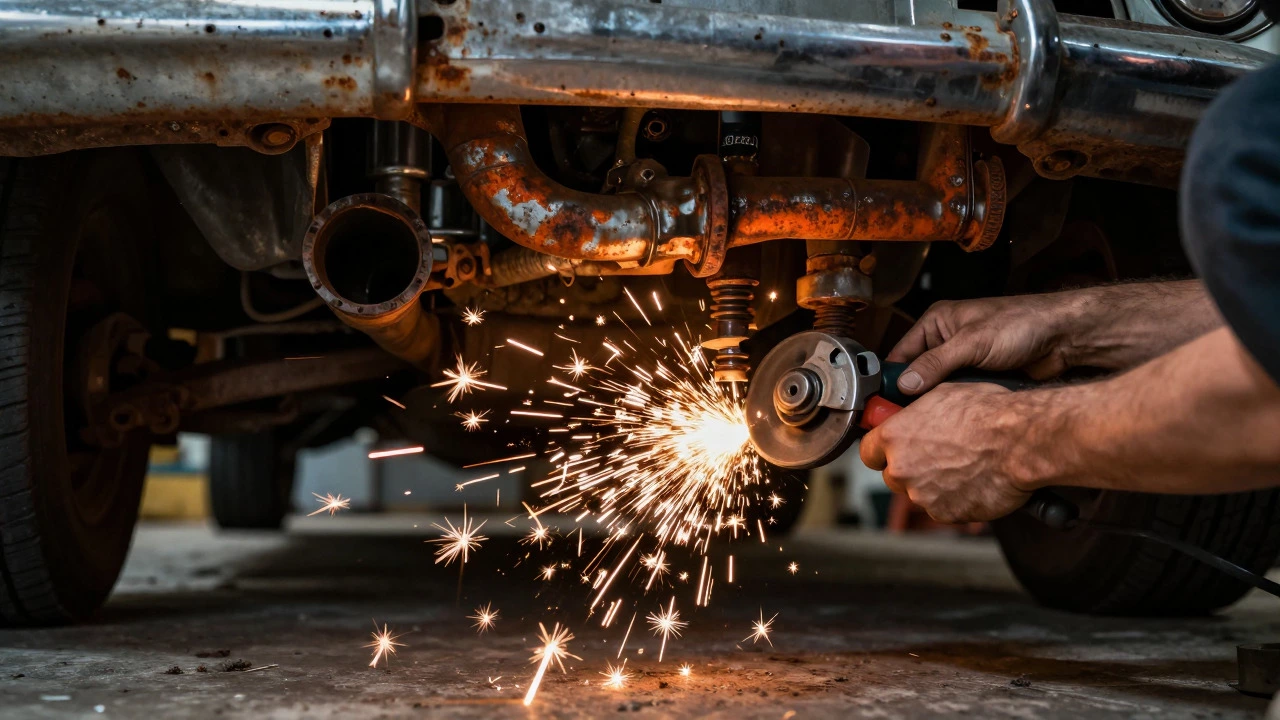
- Removing the Old System (30 mins - 2 hours): This is the wildcard. Unbolting flanges, unclipping hangers, and cutting through rusted sections. If you’re lucky, it takes 30 minutes. If the bolts are fused, expect over an hour just here.
- Preparing New Components (15-30 mins): Checking gaskets, applying thread locker to studs, and ensuring all clamps are present. Skipping this leads to leaks later.
- Fitting the New System (1 - 2 hours): Starting from the engine end and working back. Aligning flanges is critical; if they don’t sit flat, you’ll get vibration and noise. Torquing bolts to spec is non-negotiable.
- Final Checks and Test Drive (15-30 mins): Tightening anything that settled, checking for obvious leaks with a smoke machine or soapy water, and taking a short drive to listen for rattles.
For most people, step two and step four consume the majority of the clock. If you have a torque wrench and a good set of sockets, you’ll save significant frustration in step four.
Tools That Save You Hours
You don’t need a million-pound workshop, but a few specific tools make a huge difference in speed. An impact wrench is a power tool that delivers rapid rotational force to loosen or tighten fasteners is a game-changer for rusted nuts. A manual breaker bar helps, but an impact gun gets the job done in seconds. Similarly, a torque wrench is a precision tool used to apply a specific amount of torque to a fastener ensures you don’t strip threads or leave joints loose. Without it, you’re guessing, which means going back to check things twice.
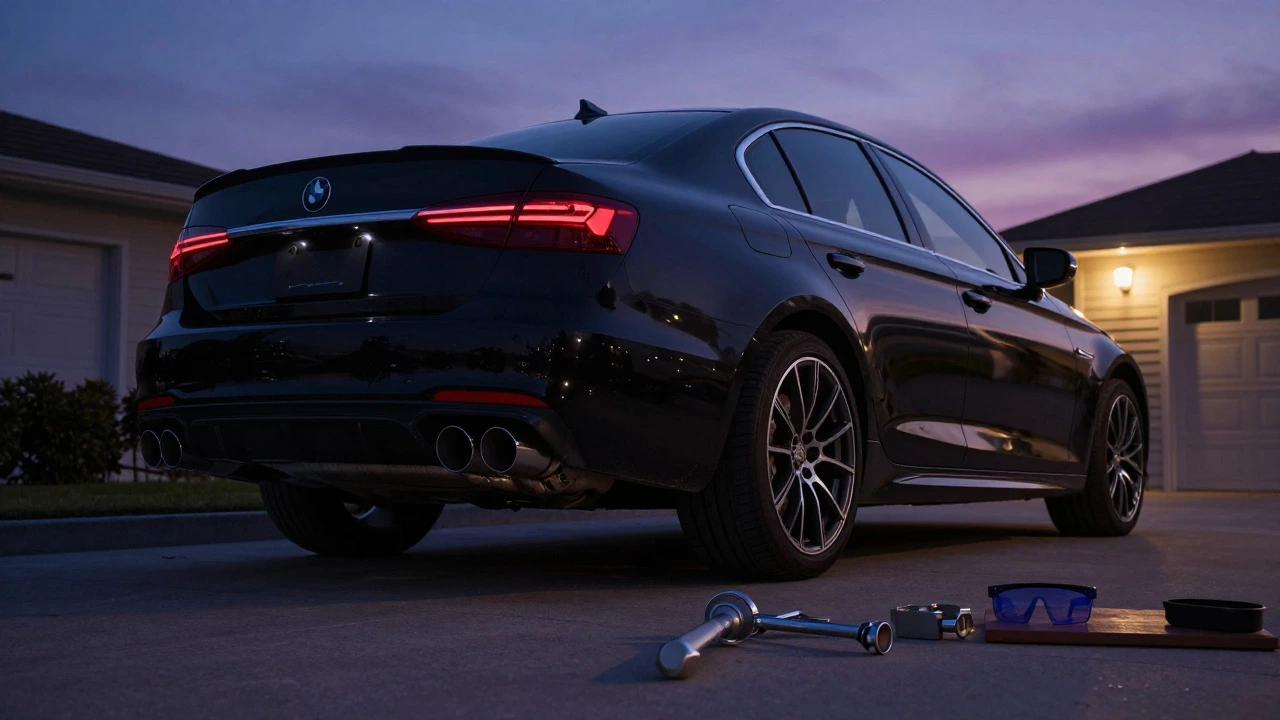
Don’t forget safety gear. Heat-resistant gloves protect your hands from sharp edges and residual heat. Safety glasses prevent metal shavings from flying into your eyes when cutting or grinding. These aren’t optional-they’re part of doing the job right the first time.
Common Pitfalls That Extend the Job
Even experienced mechanics hit snags. Here are the top three reasons installs run long:
- Snapped Bolts: When a bolt breaks off in the flange, you need a lefty drill bit or an easy-out extractor. This can add 45 minutes per broken stud.
- Misaligned Flanges: If the new pipe doesn’t line up perfectly with the existing port, you’ll bend the pipe or stress the welds. Taking the time to measure and mark before cutting saves hours of rework.
- Missing Hangers or Brackets: Some older cars lose rubber isolators over time. If you don’t replace them, the exhaust will vibrate against the underside, creating noise and potential damage. Sourcing replacements can delay the final assembly.
One pro tip: photograph the old system before you remove it. Label the bolts and clips. It sounds silly, but trying to remember which clamp went where on a complex manifold can waste 20 minutes of searching through a box of hardware.
When Should You Hire a Pro?
DIY is rewarding, but not always practical. Consider hiring a professional if:
- Your car has a complex turbocharged setup with intercoolers routed near the exhaust.
- The previous owner welded custom modifications that aren’t documented.
- You lack a proper lift and only have a basic floor jack.
- The car needs to pass an MOT soon and you want guaranteed compliance.
In these cases, the risk of damaging expensive sensors or leaking fluids outweighs the labor savings. A reputable shop in Bristol, for example, will charge around £400-£600 for a full system install including parts for a mid-range saloon. That price buys you peace of mind and warranty coverage.
FAQ
Can I install a full exhaust system myself without a lift?
Yes, but it’s harder. Use a trolley jack and sturdy axle stands. Ensure the car is level and secure. Working under a car supported only by a jack is dangerous. For the rear section, you might manage with ramps, but the front section usually requires lifting at least one wheel to access the downpipes.
Do I need to replace the gaskets when installing a new exhaust?
Always. Old gaskets degrade with heat and pressure. Reusing them is the number one cause of post-installation leaks. High-temperature silicone or new fiber gaskets are inexpensive insurance against future headaches.
How long does it take to cure a new exhaust system?
If you use high-temp sealant on joints, it typically cures within 24 hours. Avoid aggressive acceleration for the first 30-50 miles to allow the sealant to set properly. Metal-to-metal flanged connections don’t need curing, but checking for leaks after the first drive is wise.
Is it worth replacing the whole system if only one part is broken?
It depends. If the rest of the system is rusted or corroded, yes. Replacing just one piece on a failing system often leads to more repairs in six months. However, if the other sections are solid stainless steel, a targeted repair saves money and time.
What is the average cost of a full exhaust system in the UK?
Parts alone range from £200 for a budget aftermarket kit to £1,500+ for OEM or premium performance brands. Add labor costs of £300-£600 for a professional install. Total costs vary significantly based on car make and model.