Front Suspension Upgrade Advisor
Step 1: Identify Your Symptoms
Select all that apply. This helps pinpoint the root cause.
Step 2: Define Your Goals & Budget
Recommended Action Plan
Ever feel like your car is trying to wander off the road when you hit a bump? Or maybe it dives hard every time you touch the brakes? That’s your front suspension crying for help. It’s not just about comfort; it’s about keeping your tires glued to the tarmac so you can actually steer and stop when it counts. If you’re tired of that vague, floaty feeling, you don’t need a race team budget to fix it. You just need to know which parts are worn out and what upgrades actually make a difference.
| Upgrade Type | Best For | Cost Impact | Handling Gain |
|---|---|---|---|
| Bushings & Mounts | Old cars with clunks or vague steering | Low ($50-$150) | Restores factory precision |
| Shock Absorbers | Bouncy ride, nose dive on braking | Medium ($200-$400) | Stops body roll, improves grip |
| Sway Bars | Cars that lean heavily in corners | Medium ($150-$300) | Flattens cornering posture |
| Coilovers/Springs | Track days or aggressive street driving | High ($800+) | Lower center of gravity, sharper response |
Start With What You Have: The Inspection Phase
Before you spend a penny, look at what’s already there. Most people assume their suspension is broken because it feels bad, but often it’s just old rubber doing its job poorly. Grab a flashlight and get under the front end. Look at the control arms and where they connect to the frame. These connections use rubber bushings to isolate vibration. Over time, heat and road grime turn this rubber into brittle plastic. When you turn the wheel, instead of moving smoothly, the arm twists slightly inside the dead rubber, causing delayed response.
Check the ball joints too. They are the pivot points that let your wheels move up and down while turning. If they have play, your alignment will never hold, and your tires will eat themselves from the inside out. A quick test? Jack up the front tire until it’s off the ground. Grab the tire at the 12 and 6 o’clock positions and try to rock it. Any clicking or movement means the ball joint is shot. Do the same at 3 and 9 o’clock to check the tie rod ends. No movement should be visible to the naked eye.
Replacing Worn Bushings and Mounts
If your inspection revealed cracked rubber or loose bolts, start here. Replacing control arm bushings is the cheapest way to sharpen steering. You might think, "It's just rubber," but modern OEM bushings are engineered to allow specific amounts of flex for comfort while preventing unwanted movement. When they fail, you lose that calibration.
You have two choices here. You can buy new control arms with pre-installed bushings, which is easier but pricier. Or, you can press out the old bushings and install new ones. This requires a hydraulic press or a specialized tool kit, which many local garages offer as a service. If you go aftermarket, consider polyurethane bushings. They last longer and reduce deflection, making the car feel more connected. But beware: they transmit more noise and vibration into the cabin. If you want quiet comfort, stick to high-quality OEM replacements. If you want sportier feedback, polyurethane is the way to go.
Shocks and Struts: Controlling the Spring
Once the hard parts are solid, look at how your car handles bumps. Are you bouncing twice after hitting a pothole? That’s a sign your shock absorbers (or struts) are done. Their job isn't to support the car's weight-that’s what the springs do. Shocks dampen the spring's energy. Without them, the spring keeps oscillating, lifting your tires off the road during rapid changes in direction.
For most daily drivers, replacing shocks with OEM-spec units restores the original ride quality. However, if you drive aggressively, consider gas-charged shocks or adjustable dampers. Gas-charged units resist fade better during spirited driving, meaning they stay consistent when hot. Adjustable dampers let you dial in stiffness, but they add complexity and cost. Remember, matching new shocks with old, sagging springs is a waste of money. If your springs are rusted or sitting lower than they used to, replace them together. New springs set the correct ride height, ensuring your new shocks work within their intended range.
Taming Body Roll with Sway Bars
Does your car lean over significantly when you take a corner? That’s body roll, and it shifts weight away from the outside tire, reducing grip. The solution is a thicker sway bar (also called an anti-roll bar). This torsion bar connects the left and right sides of the suspension. When one side moves up, the bar twists and pushes the other side down, resisting the lean.
Upgrading to a larger diameter sway bar increases resistance to twisting. A common mistake is going too big. Too much stiffness makes the car harsh over small bumps and can cause one wheel to lift off the ground during extreme articulation, losing traction entirely. Start with a moderate increase-perhaps 10-15% larger than stock-and see how it feels. Also, check the end links. These connect the sway bar to the suspension arms. If they’re rattling, tighten or replace them first. Often, the rattle comes from worn end links, not the bar itself.
The Big Guns: Springs and Ride Height
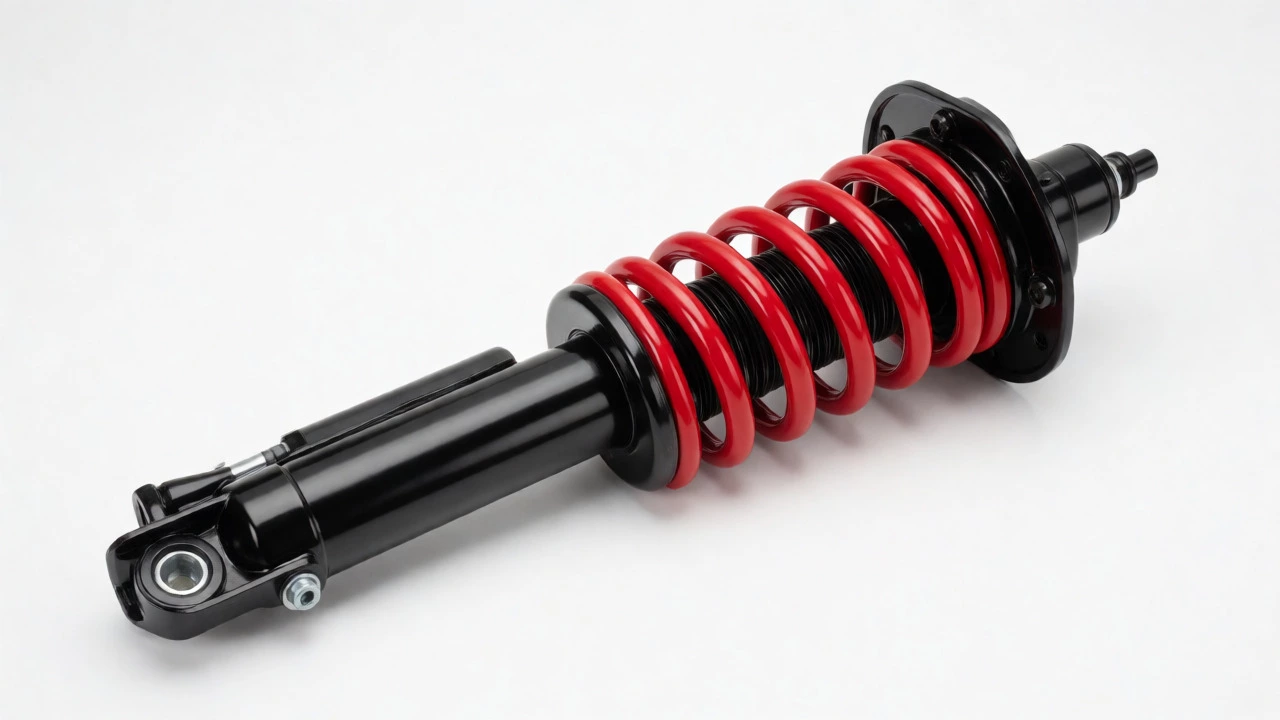
If you’ve fixed the wear items and tuned the damping, but still want more agility, lower the car. Lowering the center of gravity reduces the leverage gravity has on the body, naturally decreasing roll. You can achieve this with shorter coil springs or full coilover kits.
Coilovers combine the spring and damper into one unit, allowing independent adjustment of ride height and damping force. They are expensive but offer the ultimate control. For a street car, a simple lowering spring kit is often sufficient. Just ensure the spring rate matches your driving style. Stiffer springs improve response but require stiffer shocks to control them. If you put stiff springs on soft stock shocks, your car will bounce uncontrollably. Always upgrade shocks when changing spring rates.
Don't Forget Alignment
No matter what you change, you must get a professional wheel alignment afterward. Changing bushings, arms, or ride height alters the geometry of your suspension. Toe, camber, and caster settings will shift. Incorrect toe causes rapid tire wear and poor straight-line stability. Camber affects grip during turns. Caster influences steering returnability and high-speed stability.
A good alignment shop will provide before-and-after specs. Review these numbers. If they changed drastically without explanation, ask why. Proper alignment ensures all your hard work translates to actual performance gains rather than just uneven tire wear.
Can I improve my suspension without spending a lot of money?
Yes. Focus on maintenance first. Replacing worn bushings, tightening loose bolts, and installing new tires with proper pressure often yields significant improvements. Tires are the only contact point with the road; fresh rubber with a softer compound can transform handling more than expensive hardware upgrades.
Do polyurethane bushings make my car louder?
Generally, yes. Polyurethane is harder than rubber, so it transmits more road noise and vibration into the cabin. It also tends to squeak if not properly lubricated during installation. If noise bothers you, stick to OEM-style rubber bushings or hybrid options designed for quiet performance.
How often should I replace my front suspension components?
There is no fixed mileage interval. Inspect them annually or whenever you notice changes in handling, such as pulling to one side, excessive bouncing, or clunking noises. High-mileage vehicles or those driven on rough roads may need replacements every 60,000 to 80,000 miles, while others may last 100,000+ miles.
Is it worth upgrading to adjustable coilovers for daily driving?
Usually, no. Coilovers are complex, expensive, and often less comfortable than standard setups unless carefully tuned. For daily driving, high-quality street-performance shocks paired with mild lowering springs offer a better balance of comfort, durability, and handling improvement without the hassle of constant adjustments.
What happens if I ignore worn suspension parts?
Ignoring worn parts leads to accelerated tire wear, poor braking performance, and increased stress on other components like CV joints and wheel bearings. Eventually, a failed component like a ball joint could cause loss of steering control, creating a serious safety hazard.