
Exhaust Tone & Pipe Sizing Estimator
There is nothing quite like the rumble of a healthy engine. It’s that deep, throaty growl that tells you your car has character. But if your current ride sounds flat or tinny, you might be wondering how to fix it. Getting a deeper exhaust sound isn’t just about making noise; it’s about changing the tone and frequency of the sound waves leaving your vehicle.
Many people think they need to spend thousands on a full aftermarket system to get that aggressive tone. The truth is simpler. You can achieve a significantly deeper note by tweaking specific components, understanding airflow dynamics, and knowing which parts actually change pitch versus volume. Let’s look at the most effective ways to deepen your exhaust note without breaking the bank or annoying your neighbors.
Quick Summary / Key Takeaways
- Resonators are key: Deleting or replacing the resonator often does more for tone than deleting the muffler.
- Backpressure matters: Some backpressure helps maintain low-end torque and a deeper drone; too little makes the engine sound high-pitched and buzzy.
- Diameter rules: Larger pipes (2.5"+) generally lower the frequency, but only if the engine produces enough flow to fill them.
- Material affects tone: Stainless steel tends to sound crisper and louder, while aluminized steel or fiberglass-lined tips can dampen harshness.
- Legal limits apply: Always check local noise ordinances before modifying your exhaust to avoid fines.
Understanding How Exhaust Tone Works
Before cutting any metal, you need to understand why your exhaust sounds the way it does. An exhaust system isn’t just a pipe to let gas out. It’s a tuned instrument. The sound comes from pressure pulses created by your engine’s firing order. These pulses travel through the pipes, reflecting off bends, mufflers, and tips.
The "depth" of the sound is determined by frequency. Low-frequency waves create that bass-heavy rumble, while high-frequency waves create a sharp, raspy, or buzzy noise. To get a deeper sound, you want to encourage low-frequency resonance and cancel out high-frequency noise. This is where component selection becomes critical. If you simply remove everything, you often get a loud, harsh rattle rather than a smooth, deep growl.
Does removing the muffler make the exhaust deeper?
Not necessarily. Removing the muffler usually makes the exhaust louder and more raw, but it can also increase high-pitched frequencies, making it sound buzzy or rattly. For a deeper tone, focus on the resonator or pipe diameter instead.
The Role of the Resonator
If you have one modification in your budget, make it the resonator. Most modern cars come with a factory resonator-a small chamber located between the catalytic converter and the muffler. Its job is to cancel out specific frequencies, particularly the harsh mid-range notes that manufacturers tune out for refinement.
Deleting the resonator is a popular first step. By removing this restrictive chamber, you allow more of the engine’s natural harmonic frequencies to pass through. On many V6 and V8 engines, this alone transforms a flat whine into a deeper, more aggressive burble. However, be careful. On some four-cylinder engines, deleting the resonator can cause excessive drone inside the cabin at highway speeds.
A better alternative is a High-Flow Resonator is a performance part designed to reduce restriction while maintaining a balanced tone. Unlike a straight pipe, a high-flow resonator uses internal baffles to tune the sound, keeping the low-end rumble while reducing unwanted drone. Brands like MagnaFlow and Borla offer these as drop-in replacements.
Pipe Diameter and Flow Dynamics
The size of your exhaust pipes plays a huge role in tone. Think of it like a musical wind instrument. A narrow flute produces higher pitches, while a wide tuba produces lower ones. Similarly, wider exhaust pipes tend to produce a deeper, bassier note because they allow larger volumes of air to move at lower velocities.
However, bigger isn’t always better. If you put a 3-inch pipe on a small 1.6-liter engine, the exhaust gases won’t move fast enough to create proper scavenging. This leads to a loss of low-end torque and a hollow, empty sound. Here is a general rule of thumb for pipe diameters:
- 1.0L - 2.0L Engines: Stick to 2.0 to 2.25 inches.
- 2.5L - 3.5L Engines: 2.25 to 2.5 inches is ideal.
- 4.0L+ Engines: 2.5 to 3.0 inches works well.
If your goal is strictly sound depth, ensure your new pipes match your engine’s displacement. Upsizing by half an inch over stock is usually safe and will yield a noticeably deeper tone without sacrificing power.
Muffler Types and Their Sound Profiles
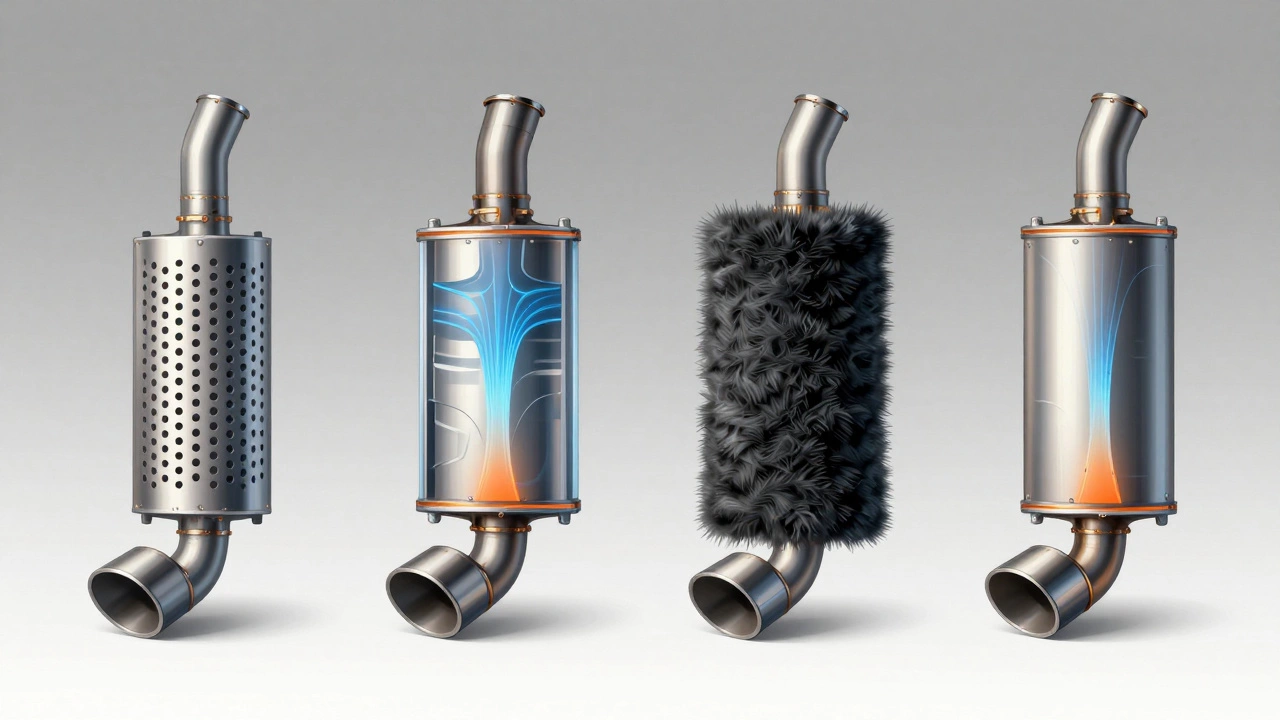
The muffler is the final filter for your exhaust sound. Different designs produce drastically different tones. Choosing the right type is essential for achieving that deep, satisfying rumble.
| Type | Sound Profile | Best For | Drone Risk |
|---|---|---|---|
| Perforated Tube | Loud, aggressive, raw | Track cars, drag racing | High |
| Chambered | Balanced, deep, refined | Daily drivers, street use | Low |
| Fiberglass Pack | Raspy, sporty, mid-range heavy | European sports cars | Medium |
| Reverse Flow | Deep, bass-heavy, quiet | Trucks, large SUVs | Very Low |
For a deeper sound, Reverse Flow Mufflers are mufflers that redirect exhaust gases back toward the inlet before exiting, creating a denser, bass-rich tone. They are particularly effective on trucks and larger vehicles. Chambered mufflers are also excellent for daily drivers as they provide a deep tone without being obnoxious.
Exhaust Tips and Visual Acoustics
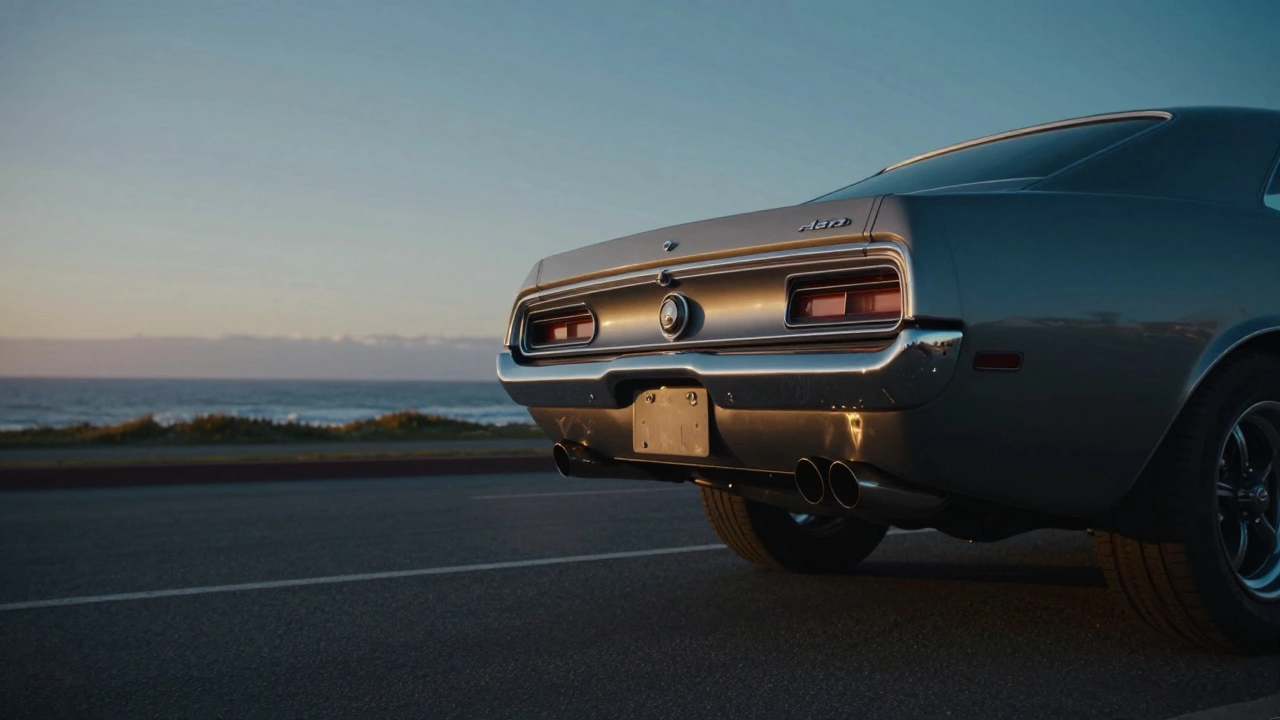
While exhaust tips don’t drastically change the internal acoustics, they do affect the final exit of the sound waves. Flared tips help disperse sound waves outward, which can make the exhaust seem louder and slightly deeper to the listener outside the car. Straight-cut tips tend to keep the sound more contained and focused.
If you’re looking for a cheap upgrade, swapping your stock plastic-covered tips for polished stainless steel flared tips can enhance the perceived depth. The material also matters. Thicker gauge steel (like 16-gauge) vibrates less than thin steel, resulting in a cleaner, more solid sound rather than a rattling one.
Common Mistakes to Avoid
When chasing a deeper exhaust note, it’s easy to go wrong. Here are the most common pitfalls that lead to disappointment:
- Going Too Big: As mentioned, oversized pipes kill low-end torque and make the engine sound hollow. Stick to moderate upsizes.
- Ignoring Drone: A deep exhaust is great until you’re cruising at 70 mph and the cabin vibrates so much you can’t hear yourself think. Test drives are mandatory.
- Cutting Corners on Fitment: Poorly welded joints leak exhaust gases, creating a hissing or popping noise that ruins the deep tone. Professional installation is worth it.
- Overlooking Catalytic Converters: While deleting cats increases flow, it doesn’t necessarily deepen the tone. In fact, it can make the sound sharper and more illegal. Keep the cat unless you live in an area with no emissions testing.
Next Steps and Troubleshooting
If you’ve installed a new system and it still sounds flat, check for leaks. Even a small gap at a gasket can introduce high-pitched whistling that masks the low-end rumble. Use a soapy water solution on all joints while someone revs the engine; bubbles indicate a leak.
If the sound is too buzzy, consider adding a resonator or switching to a chambered muffler. If it’s too quiet, try a perforated tube muffler or delete the resonator. Remember, exhaust tuning is iterative. Start with small changes and listen to the results before committing to bigger modifications.
Can I get a deeper exhaust sound without buying new parts?
You can try cleaning carbon buildup from the exhaust pipes, which may improve flow slightly. However, significant tonal changes require physical modifications to the muffler, resonator, or pipe diameter.
Is a straight pipe exhaust deeper than a muffler?
A straight pipe is louder, but not necessarily deeper. Without muffling chambers, high-frequency noises become prominent, often resulting in a harsh, buzzy sound rather than a smooth rumble.
Will a deeper exhaust void my warranty?
In many regions, aftermarket exhausts do not void the entire vehicle warranty. However, if the modification causes engine damage due to improper tuning or backpressure issues, the manufacturer may deny coverage for those specific repairs.
What is the cheapest way to deepen exhaust sound?
The cheapest option is usually deleting the resonator or swapping out the exhaust tips. These changes cost less than $100-$200 and can provide a noticeable improvement in tone compared to a full system replacement.
Do downpipes make the exhaust deeper?
Downpipes primarily increase flow and horsepower. They can add a subtle turbo flutter or whistle, but they rarely deepen the overall exhaust tone on their own. Pair them with a proper muffler for best results.