Windscreen Wiper Lifespan Calculator
Configure Your Setup
Estimated Lifespan
Configure your settings to see results.
Check for These Warning Signs:
- • Streaking or thin lines of water
- • Squeaking or chattering noise
- • Skipping patches on glass
- • Visible cracks or tears in rubber
Imagine driving through a sudden downpour on the M4 near Bristol. The rain is hammering against your windshield, but instead of clearing the view, your wipers are leaving streaks, squeaking like angry geese, and missing patches of glass entirely. It’s not just annoying; it’s dangerous. This scenario plays out every winter for thousands of drivers who ignore one simple question: how long should windscreen wipers last?
The short answer is that most standard windscreen wipers are designed to last between 6 to 12 months. However, this timeline isn't set in stone. Factors like weather conditions, usage frequency, and storage habits can shorten or extend that life significantly. Ignoring worn blades doesn’t just ruin your visibility-it increases stopping distances because you can’t see hazards clearly. Let’s break down exactly what determines their lifespan and how to tell when yours have reached their end.
What Determines How Long Wiper Blades Last?
You might think all wiper blades are created equal, but the materials and design play a huge role in durability. Most factory-fitted blades use traditional rubber compounds that degrade faster than premium alternatives. Understanding these differences helps you choose the right replacement and manage expectations better.
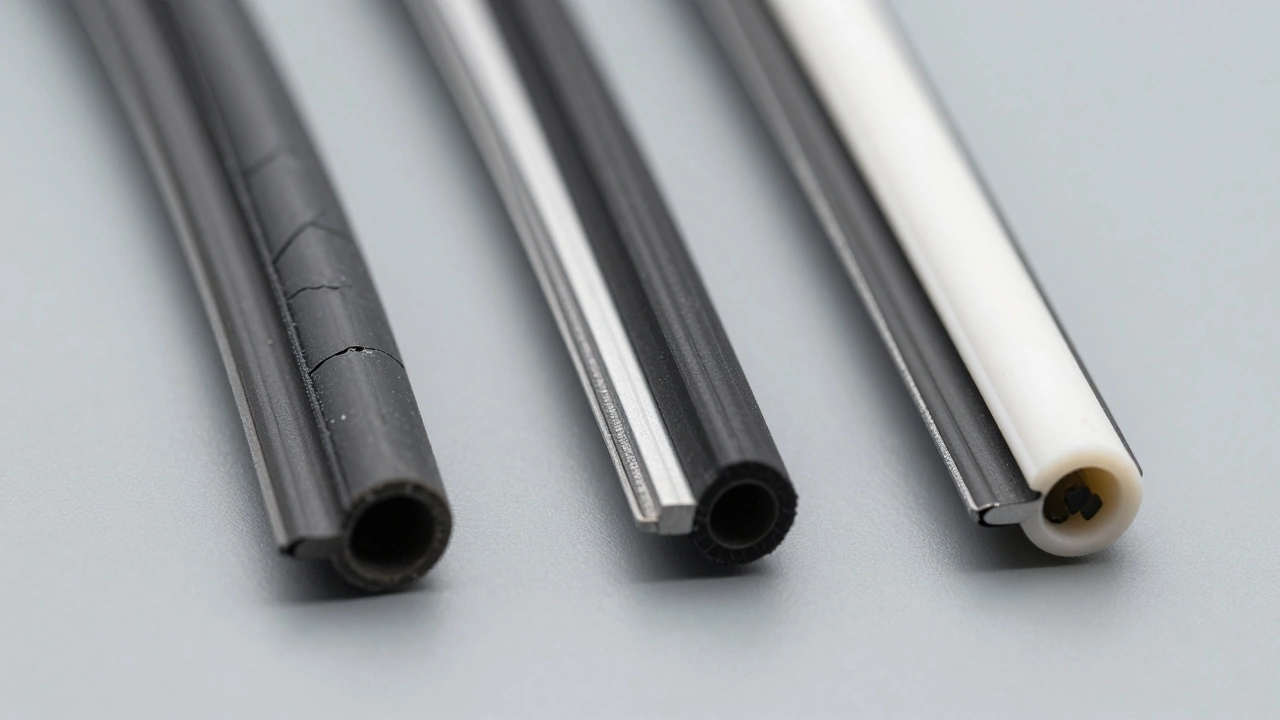
| Blade Type | Material Composition | Average Lifespan | Best For |
|---|---|---|---|
| Conventional Rubber | Natural/Synthetic Rubber | 6-9 months | Budget-conscious drivers, mild climates |
| Beam Blades | Synthetic Polymer + Steel Spring | 12-18 months | All-weather performance, modern cars |
| Hybrid Blades | Rubber Insert + Frame Structure | 9-12 months | Vehicles with complex hood shapes |
Weather is the biggest enemy of any wiper blade. In places like Bristol, where we get frequent rain mixed with occasional freezing temperatures, the constant expansion and contraction stress the rubber. Sunlight is equally destructive. Ultraviolet (UV) rays break down the molecular bonds in rubber, causing it to become brittle and crack. If you park your car outside under direct sun for hours daily, expect your blades to fail closer to the six-month mark rather than twelve.
Usage frequency matters too. A commuter who drives 30 miles a day in rainy London will wear out blades much faster than someone who only uses their car on weekends in dry Cornwall. Each swipe generates friction, which gradually erodes the edge of the rubber squeegee. Additionally, if your windshield has dirt, tree sap, or bug residue on it, you’re essentially sanding the blade with every pass.
5 Clear Signs Your Wipers Need Replacing Now
Don’t wait until you’re stranded in a storm to check your wipers. Regular visual inspections can save you from bad situations. Here are the most common warning signs that indicate immediate replacement is necessary:
- Streaking: If you see thin lines of water left behind after each wipe, the rubber edge is no longer making full contact with the glass. This often happens when the blade becomes unevenly worn or hardened.
- Squeaking or Chattering: A healthy wiper glides silently. Noise usually means the rubber has lost its flexibility or there’s debris stuck in the blade channel. Try cleaning the blade first; if the noise persists, replace it.
- Skipping Patches: When parts of the windshield remain wet while other areas clear up, the blade frame may be bent, or the rubber has developed flat spots. This creates blind zones that compromise safety.
- Visible Cracks or Tears: Inspect the rubber closely. Any splits, chunks missing, or significant cracking mean structural failure. These defects will worsen quickly once exposed to moisture.
- Bent Arms: Sometimes the problem isn’t the blade itself but the metal arm holding it. If the arm doesn’t press evenly against the glass due to rust or impact damage, even new blades won’t work properly.
A quick test you can do at home involves spraying water on the windshield and watching the wipe pattern. Do this during daylight so you can spot subtle streaks. If more than 10% of the wiped area remains unclear, it’s time for a change.
How to Extend the Life of Your Windscreen Wipers
While nothing lasts forever, you can definitely stretch the lifespan of your wipers beyond the average with some simple maintenance habits. Think of it like changing your oil regularly-it prevents bigger problems later.
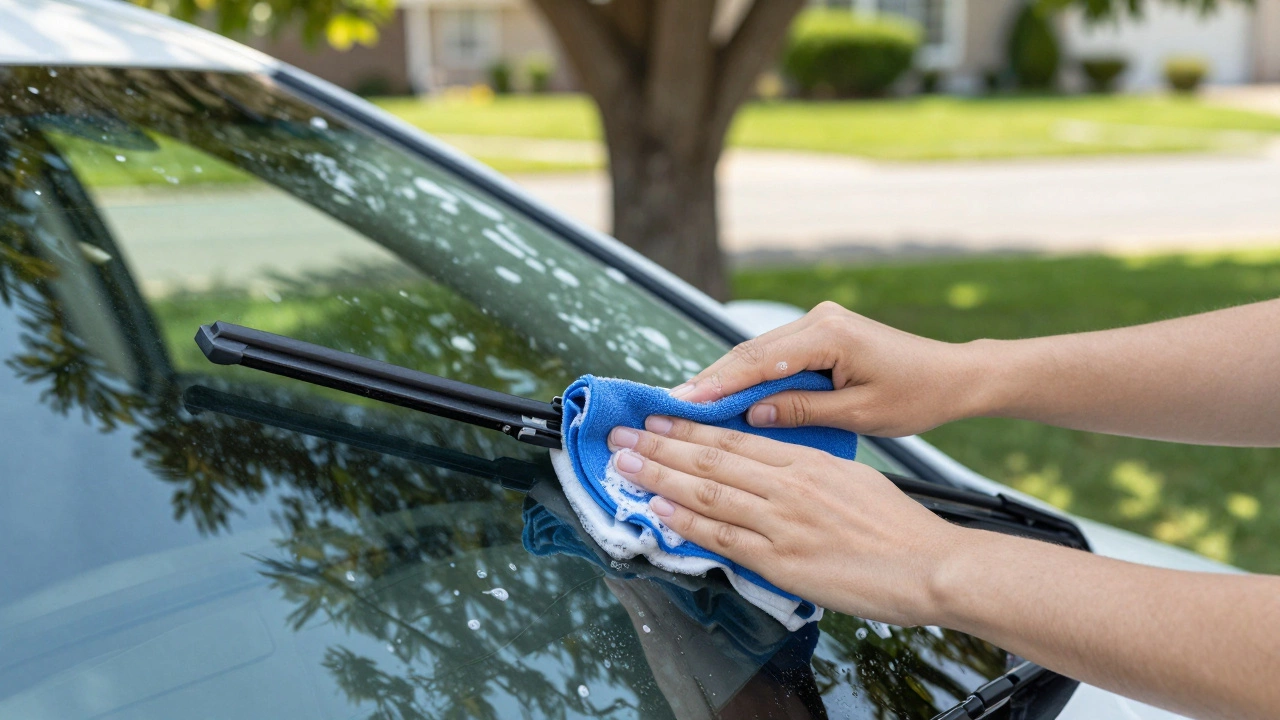
- Clean Them Monthly: Use a damp cloth soaked in mild soapy water to wipe down the rubber edge. Remove accumulated dust, pollen, and road grime. Avoid harsh chemicals like alcohol or gasoline, which accelerate rubber degradation.
- Lift Blades in Winter: Before a snowstorm, lift your wiper arms away from the glass. Frozen blades can tear off their mounting brackets or strain the motor if forced to move against ice. Always clear snow manually before turning them on.
- Use Windshield Washer Fluid: Never dry-wipe a dirty windshield. Always spray washer fluid first to lubricate the surface. Dry wiping acts like sandpaper, grinding abrasive particles into the rubber.
- Park in Shade or Garage: UV protection is crucial. If possible, park indoors or use a windshield cover during summer months. Even partial shade reduces heat buildup significantly.
- Check Alignment: Ensure the wiper arm sits flat against the glass without excessive pressure. Too tight causes premature wear; too loose leads to skipping. Adjust tension according to your vehicle’s manual if needed.
One pro tip from mechanics in Bristol: apply a tiny amount of silicone spray to the rubber edge occasionally. This keeps the material supple and repels water better. Just don’t overdo it-excess grease attracts dirt.
Cost vs. Value: Is Premium Worth It?
When shopping for replacements, you’ll face a choice between cheap generic brands (£5-£10 per pair) and premium options like Bosch Aerotwin or Valeo Evolution (£15-£25 per pair). Does spending double actually buy you more life?
In many cases, yes. Premium blades often feature advanced synthetic materials resistant to ozone and UV radiation. They also include aerodynamic designs that prevent lift at high speeds-a common issue with cheaper models above 60 mph. While they cost more upfront, lasting nearly twice as long makes them cheaper per month of use.
Consider your driving environment. If you live in an urban area with moderate weather, budget blades might suffice. But for rural routes with heavy rain, salt spray, or extreme temperature swings, investing in quality pays off in reliability and peace of mind.
DIY Replacement Guide: Save Money and Time
Replacing wiper blades yourself takes less than ten minutes and saves you labor fees ranging from £20 to £50 at garages. You don’t need special tools-just patience and attention to detail.
- Identify Your Size: Check your owner’s manual or measure the old blade. Front blades vary by side (driver vs passenger), while rear wipers are usually single-sized.
- Lift the Arm Carefully: Pull the wiper arm straight up until it locks away from the glass. Place a towel underneath to cushion the spring-loaded arm if it slips back.
- Release the Old Blade: Look for a small tab or clip at the junction where the blade meets the arm. Press it gently while sliding the blade downward. Some models require twisting slightly before release.
- Attach the New Blade: Align the hook or pin mechanism with the slot on the arm. Slide it up until you hear a click. Give it a gentle tug to confirm secure attachment.
- Test Before Driving: Lower the arm slowly onto the glass. Turn on the wipers briefly to ensure smooth operation. Clean any fingerprints off the rubber edge with a cloth beforehand.
If you struggle with the connector type, take a photo of the old assembly before removing it. Many auto shops sell universal adapters, but matching the original fit ensures optimal performance.
Frequently Asked Questions About Wiper Lifespan
Can I clean my wiper blades to make them last longer?
Yes, regular cleaning extends life significantly. Wipe the rubber edge monthly with soapy water to remove grit and oils. Avoid solvents that dry out the rubber. Cleaning removes abrasives that cause premature wear.
Why do my wipers leave streaks even though they look fine?
Streaks often result from invisible hardening of the rubber due to UV exposure or age. Even if cracks aren’t visible, the material loses elasticity. Also check for oily film on the windshield caused by exhaust fumes or cooking grease, which requires dedicated glass cleaner.
Should I replace both front wipers at the same time?
Absolutely. Both sides experience identical wear patterns and environmental stress. Mixing old and new blades creates uneven wiping pressure, leading to chattering and reduced effectiveness. Always buy pairs.
Do electric vehicles need different wiper blades?
No, EVs use standard wiper mechanisms similar to combustion engines. However, some sleek EV designs hide wipers under panels, requiring specific low-profile beam blades. Consult your manual for compatibility.
How does temperature affect wiper blade longevity?
Extreme cold makes rubber brittle, increasing risk of cracking. Heat accelerates oxidation and drying. Moderate climates offer longest life. Use winter-grade fluid below freezing to prevent ice buildup on blades.
Is it safe to drive with slightly worn wipers?
Minor wear is acceptable in light rain. Severe streaking or skipping compromises visibility drastically, especially at night or in storms. Poor visibility increases accident risk. Replace immediately if clarity drops below safe levels.